Culture & history
Where fajitas come from
Fajitas grew out of the vaquero ranch kitchens of South Texas and the borderlands — not a vague 'Hispanic' origin, but a specific Tejano and Tex-Mex story with roots in northern Mexican grilling. Told carefully, with sources.
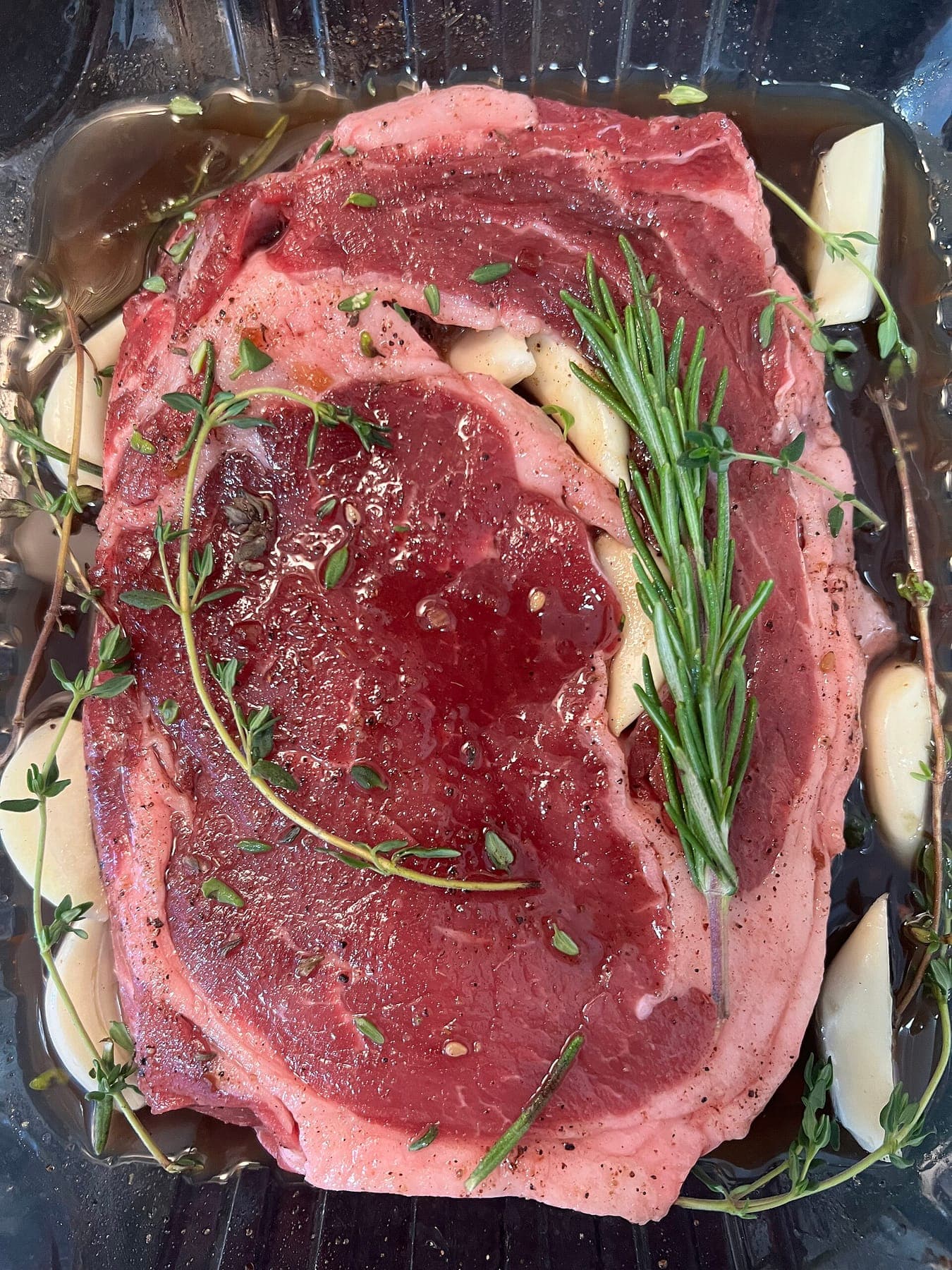
Culture & historyComal, Plancha, and Cast Iron: The Cookware Behind the FajitaThe sizzling cast-iron platter fajitas are known for today is the newest chapter in a much longer story of flat, high-heat cookware stretching from ancient Mesoamerican clay griddles to Spanish metal plates to the twentieth-century Texas ranch kitchen.
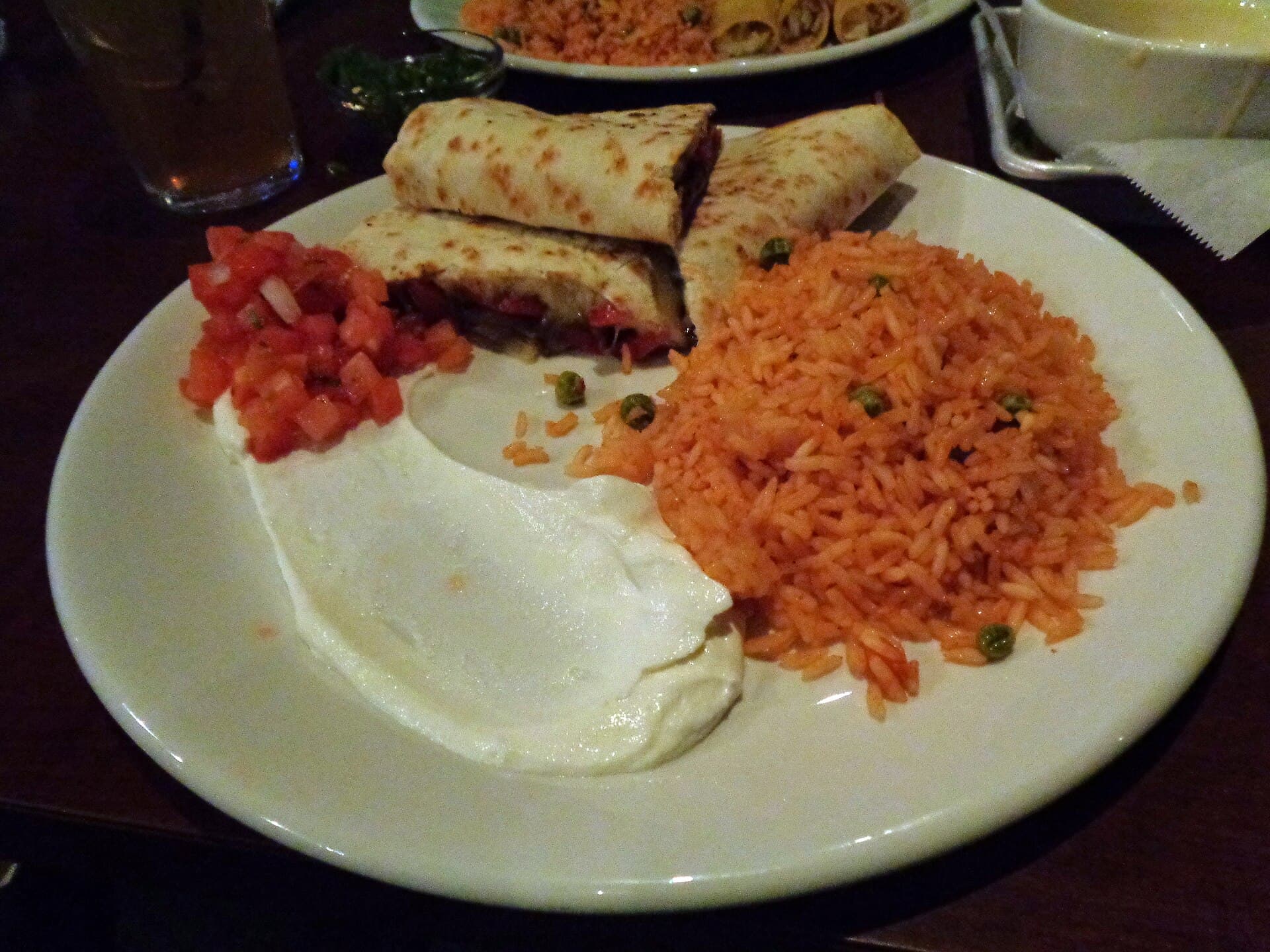
Culture & historyFajitas in American Restaurants: From Houston Storefront to National ChainIn under two decades, fajitas went from a dish served at a ten-table Houston restaurant to a fixture on casual-dining menus across the United States, a spread driven as much by chain marketing as by the food itself.
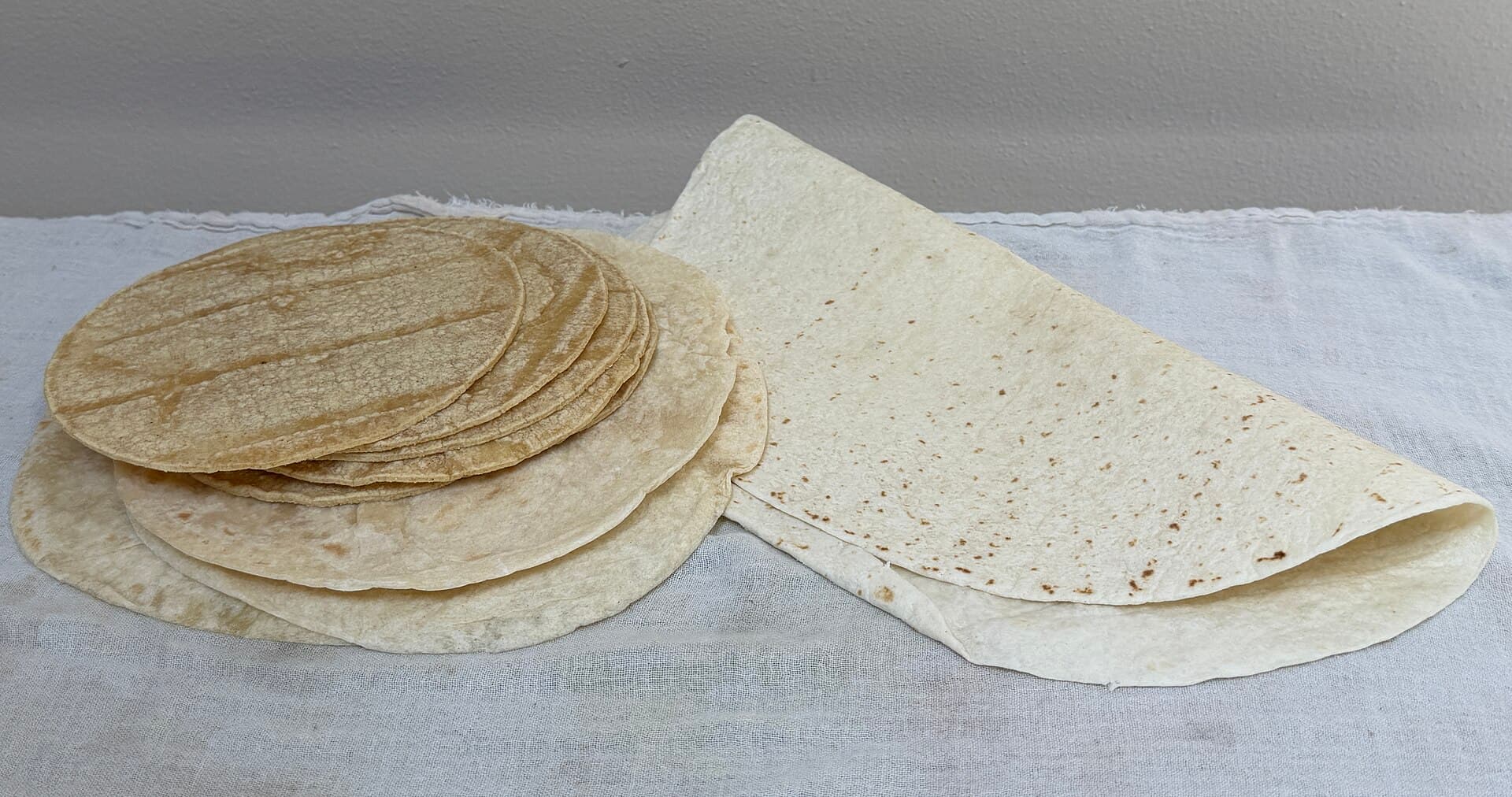
Culture & historyFlour Tortillas and the Borderlands: The Wheat That Redefined a StapleCorn tortillas define much of Mexican cooking, but the borderlands and northern Mexico developed a wheat-based alternative that became inseparable from Tex-Mex food, including the fajita itself.
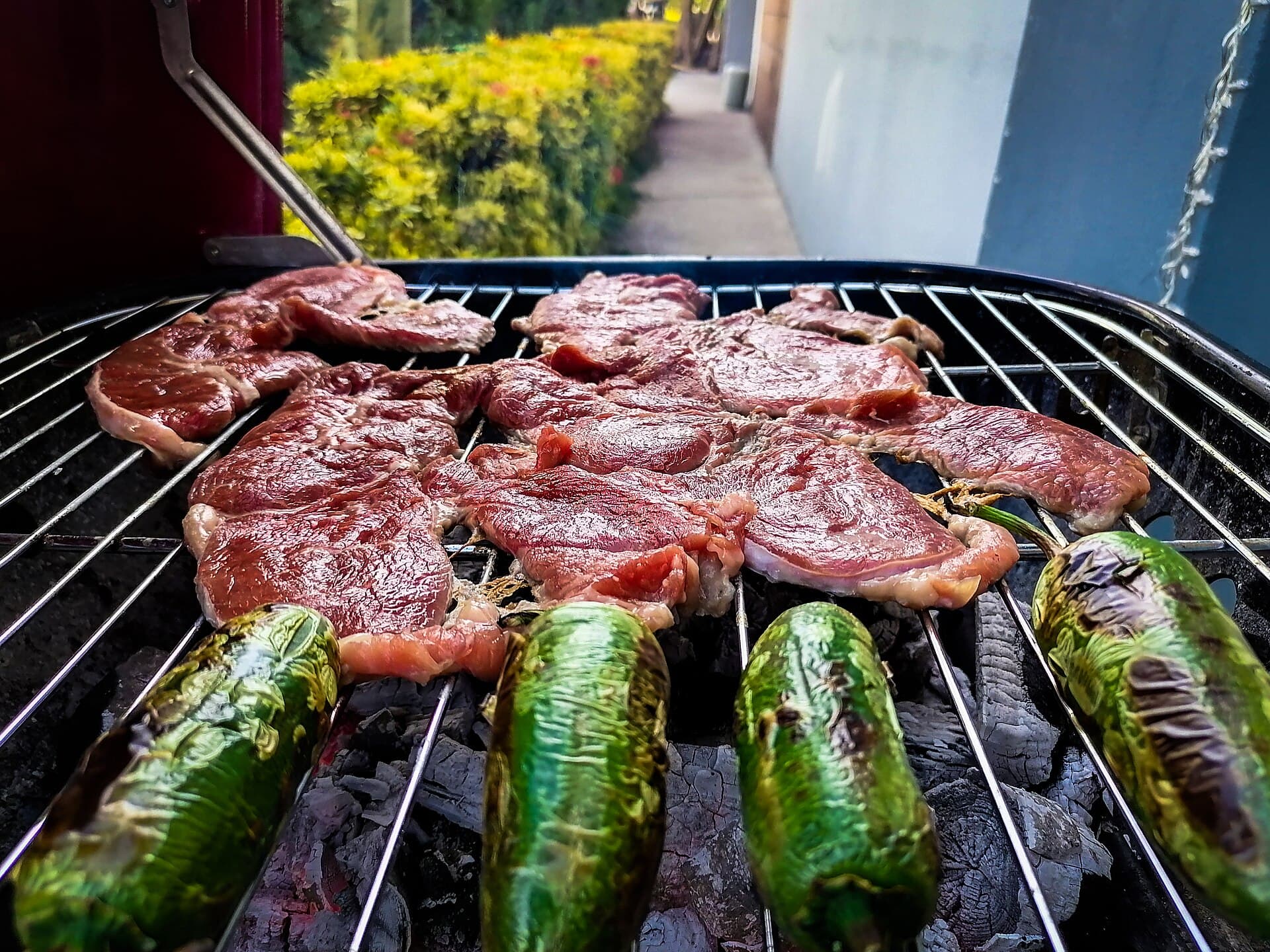
Culture & historyThe History of Fajitas: From Ranch Scraps to National DishFajitas began as a practical way for Mexican and Tejano ranch hands to use a tough, inexpensive cut of beef, then traveled through South Texas kitchens and restaurant grills to become one of the best-known dishes in American dining. The exact path from cattle camp to menu icon is documented in pieces, not as a single tidy story.
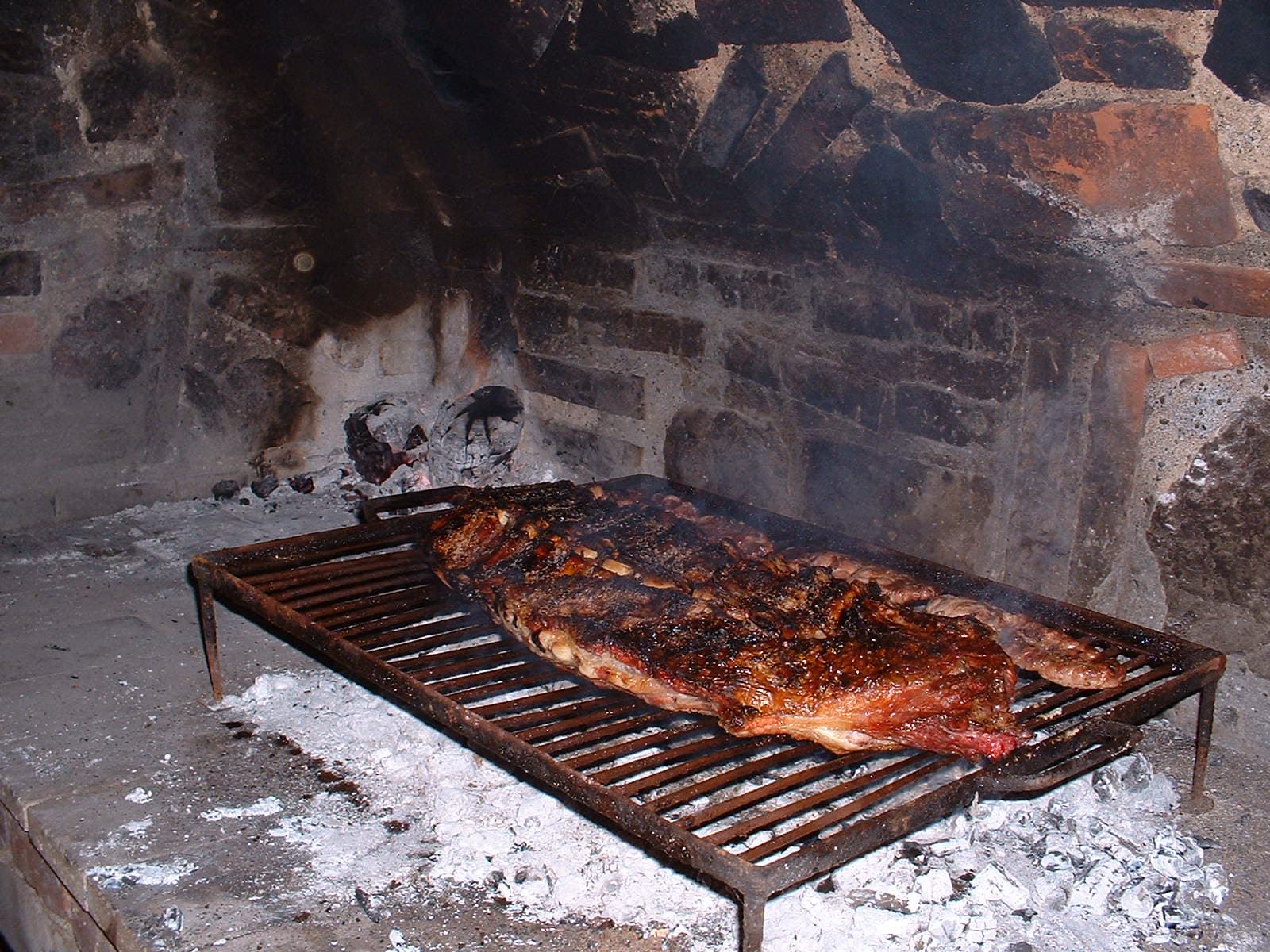
Culture & historyArrachera and the Northern Mexican Grilling TraditionAcross the border from Texas, northern Mexican states developed their own grilled-skirt-steak tradition, arrachera, out of the same ranching economy that produced Tex-Mex fajitas — related dishes with distinct histories, not one dish under two names.
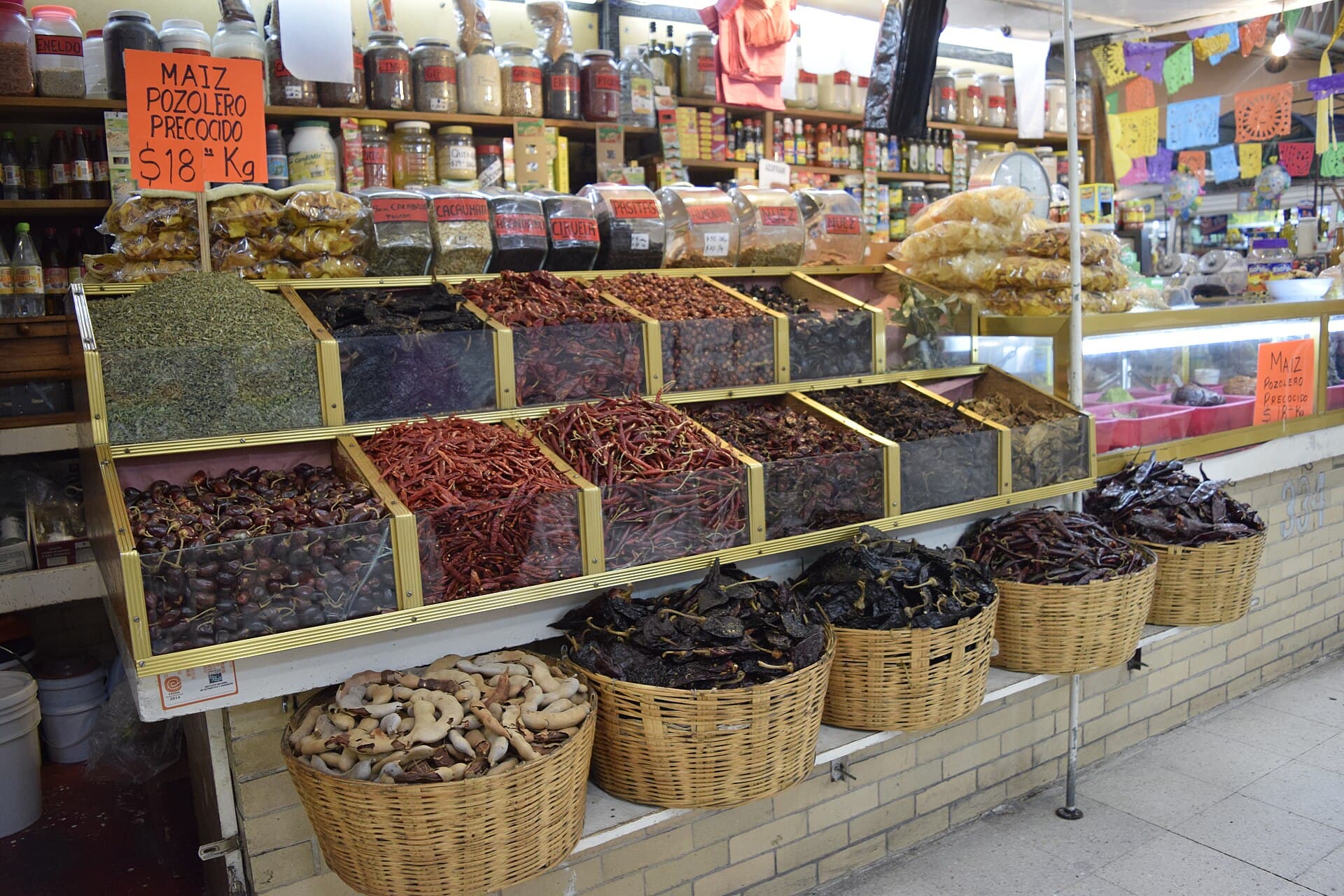
Culture & historyThe Rio Grande Valley: Where Ranch and Border Cooking MeetThe Rio Grande Valley of deep South Texas is a distinct foodways region shaped by cattle ranching, irrigation agriculture, and a border that runs through the middle of a shared culinary tradition rather than dividing two separate ones.
Culture & historySkirt Steak and the Ranch Kitchen: How Vaqueros Cooked What They Were GivenLong before fajitas had a name on a menu, vaquero and Tejano ranch cooks turned a tough, undervalued cut of beef into a defining technique of South Texas cooking: marinate hard, cook fast, slice thin.
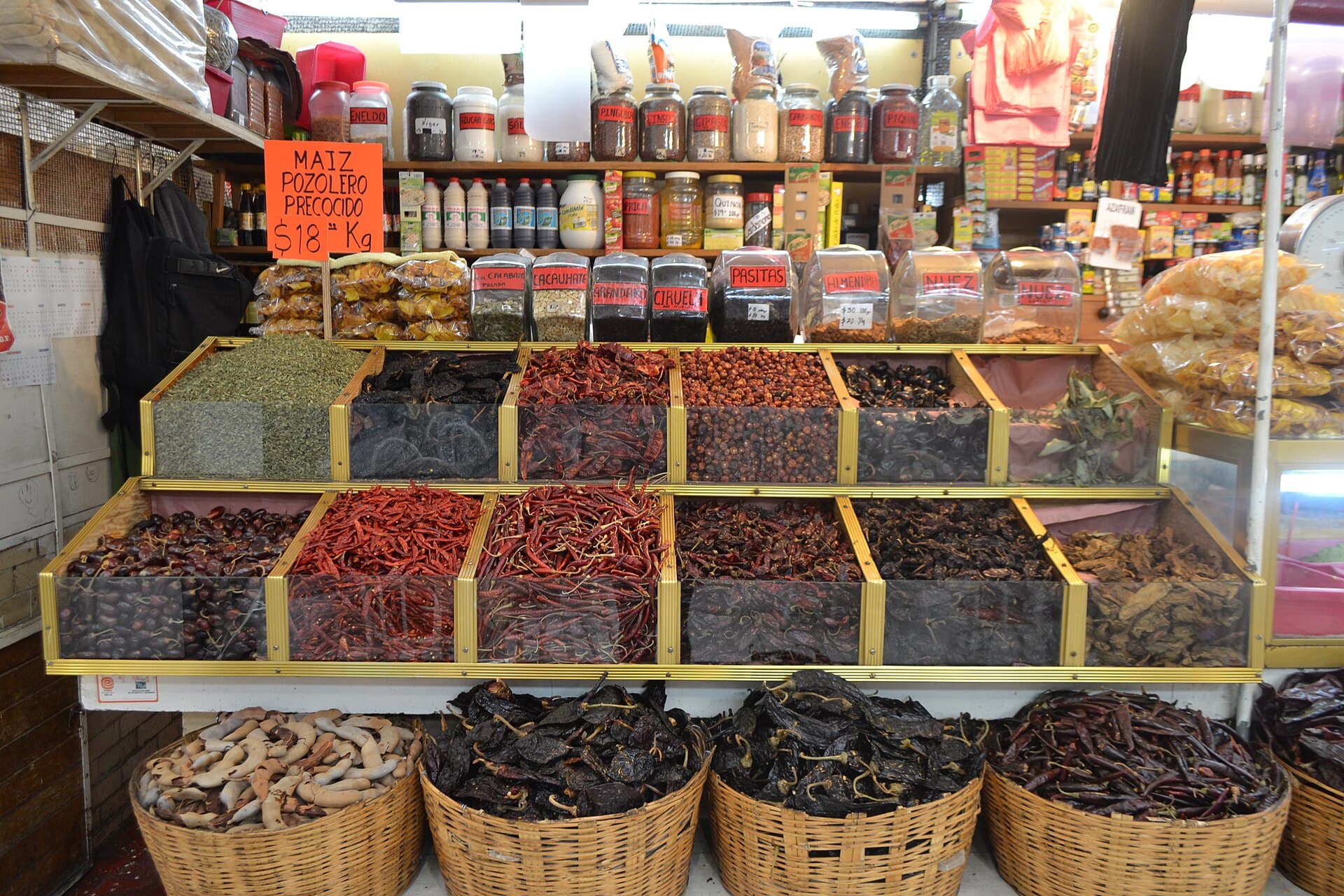
Culture & historyTejanos and the Making of Tex-MexTex-Mex cuisine is not a diluted copy of food from central Mexico — it is a distinct regional cuisine built over generations by Tejanos, the Mexican-descended communities of Texas whose land predates the Texas-Mexico border itself.
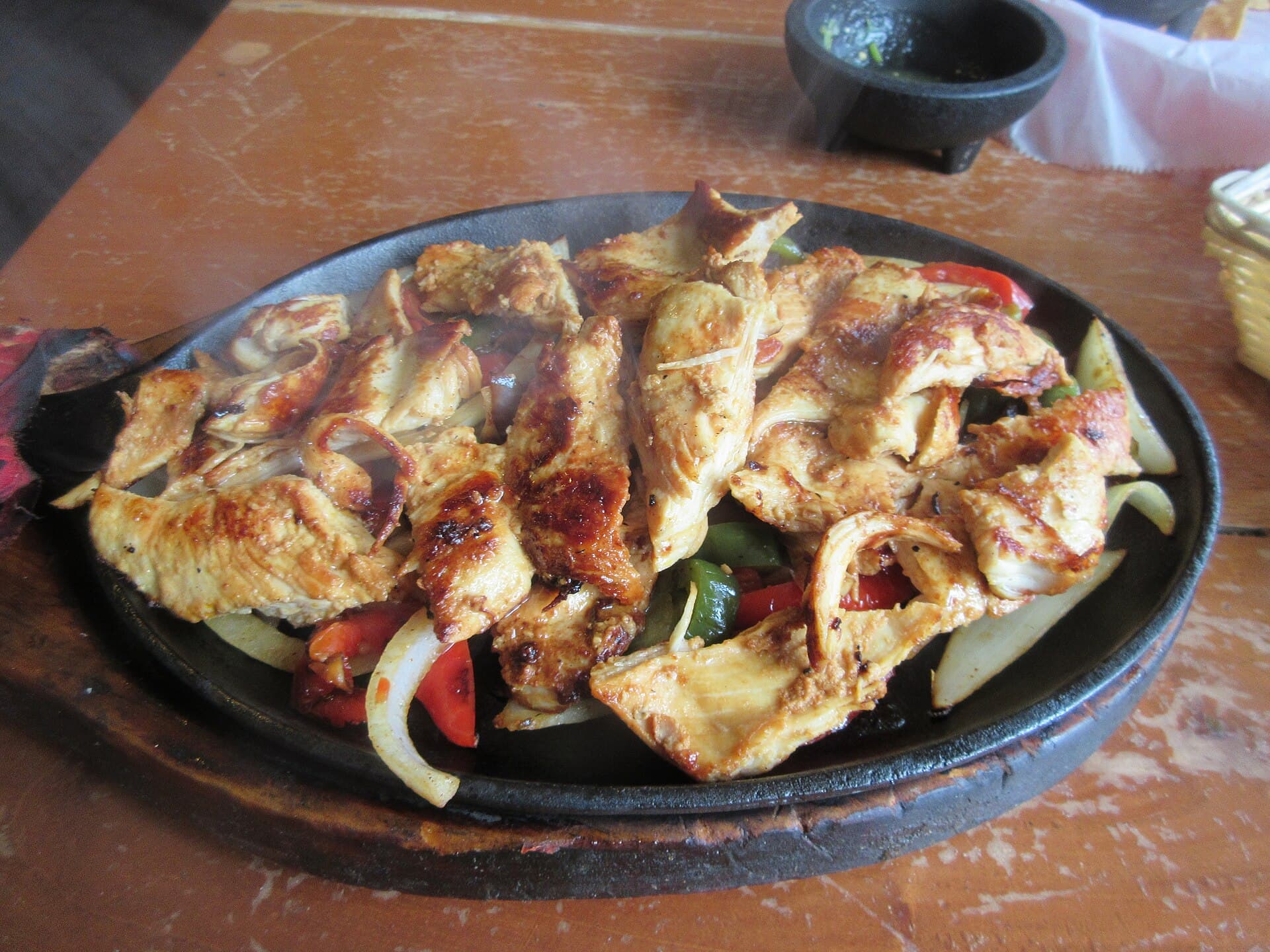
Culture & historyThe Sizzling Platter: How Restaurants Turned Fajitas Into a PerformanceThe cast-iron platter that arrives at the table audibly sizzling, trailing a plume of smoke, is a restaurant-era invention layered onto a much older ranch dish — and it is the single biggest reason fajitas became a national sensation.
Culture & historyWhat Does "Fajita" Actually Mean?The word "fajita" is a diminutive of the Spanish "faja," meaning belt or strip — a literal, practical description of the skirt steak cut long before the word ever described a restaurant dish.