Why Are My Fajitas Watery?
Watery fajitas almost always come from steaming instead of searing. When you crowd the pan, cook over low heat, salt the vegetables too early, or dump marinade into the skillet, moisture floods out faster than it can evaporate and the food simmers in its own liquid. The fix is high heat, a single layer cooked in batches, a dry protein surface, and draining the marinade before it hits the pan.
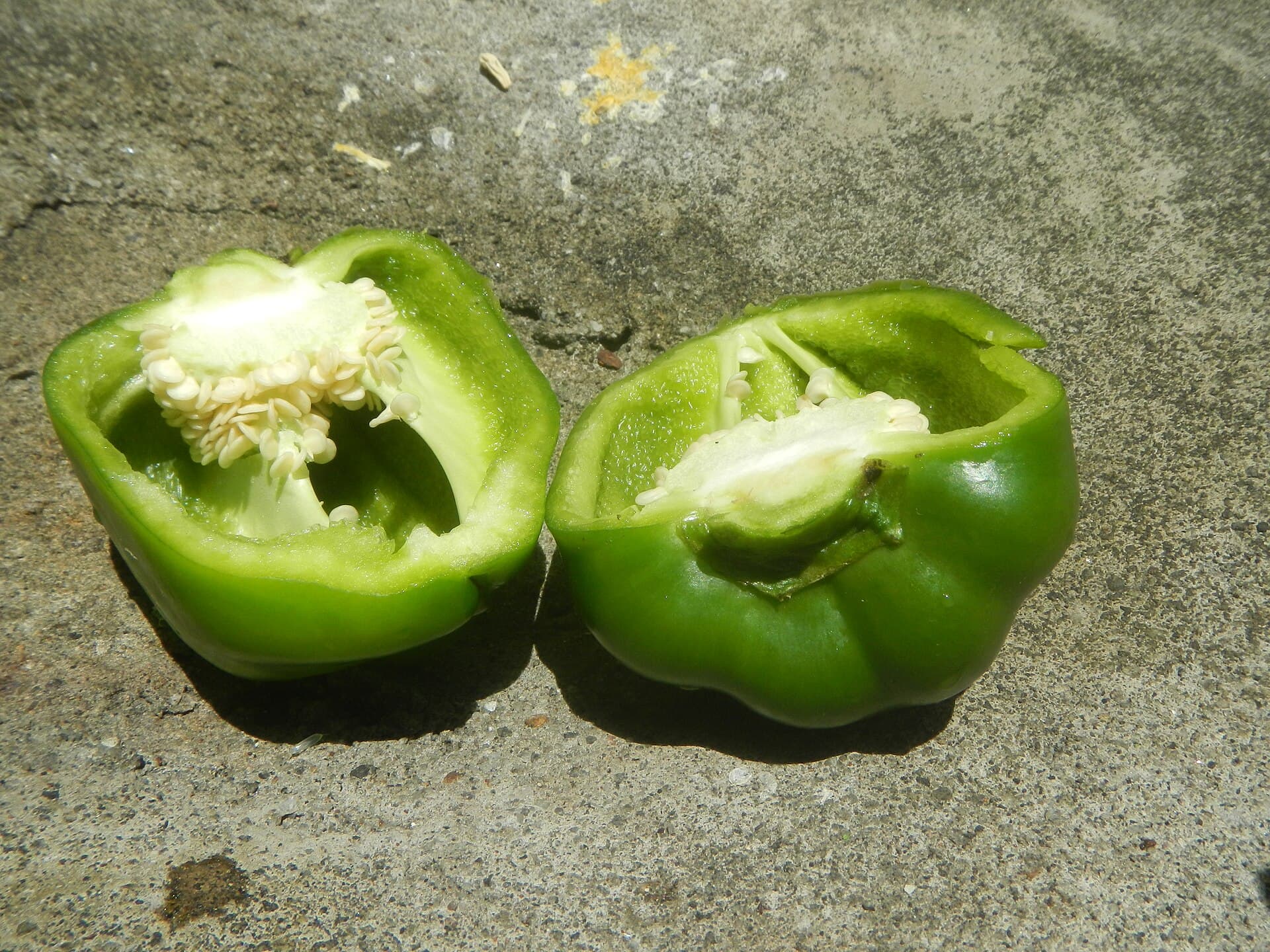
The real reasons fajitas turn out watery instead of seared — and the four changes that fix it.
Fix it
Low heat and early salt both pull water out
Two habits quietly turn a sear into a braise. First, timid heat: fajitas want a genuinely hot pan, so the surface caramelizes before the interior has time to weep. On a medium burner the food warms slowly and sweats the whole time. Second, salting the vegetables minutes before they cook. Salt draws moisture to the surface through osmosis, so onions and peppers that sit salted release a puddle the instant they hit the pan. Season vegetables just as they go in, or right at the end, rather than letting them sit pre-salted on the cutting board.
The call: Preheat until the pan is nearly smoking and salt vegetables at the moment of cooking, not before.
Fix it
Figure out whether the water is coming from the vegetables or the meat
The liquid in the pan has two possible sources, and the fix differs for each. To tell them apart, watch when the puddle appears and what color it is. Water that shows up within the first minute, thin and clear, and that comes with a lot of steam, is coming from the peppers and onions releasing their moisture faster than a crowded or cool pan can boil it off. That points you toward hotter metal and smaller batches. Liquid that pools grayer and cloudier, and that keeps flooding back even after you have drained it once, is usually the protein: meat that went in wet from a marinade, sat over-marinated until it broke down, or got so crowded that it poached instead of seared. A quick diagnostic is to sear the vegetables and the meat in separate rounds. If the empty vegetable batch chars cleanly but the meat batch weeps, the protein is your problem and you need to pat it dry and drain the marinade. If the vegetables themselves flood a hot, uncrowded pan, they were probably pre-salted or packed too tightly.
The call: Cook vegetables and protein in separate batches once to see which one floods the pan, then fix that source.
The science
Crowding the pan is the number one culprit
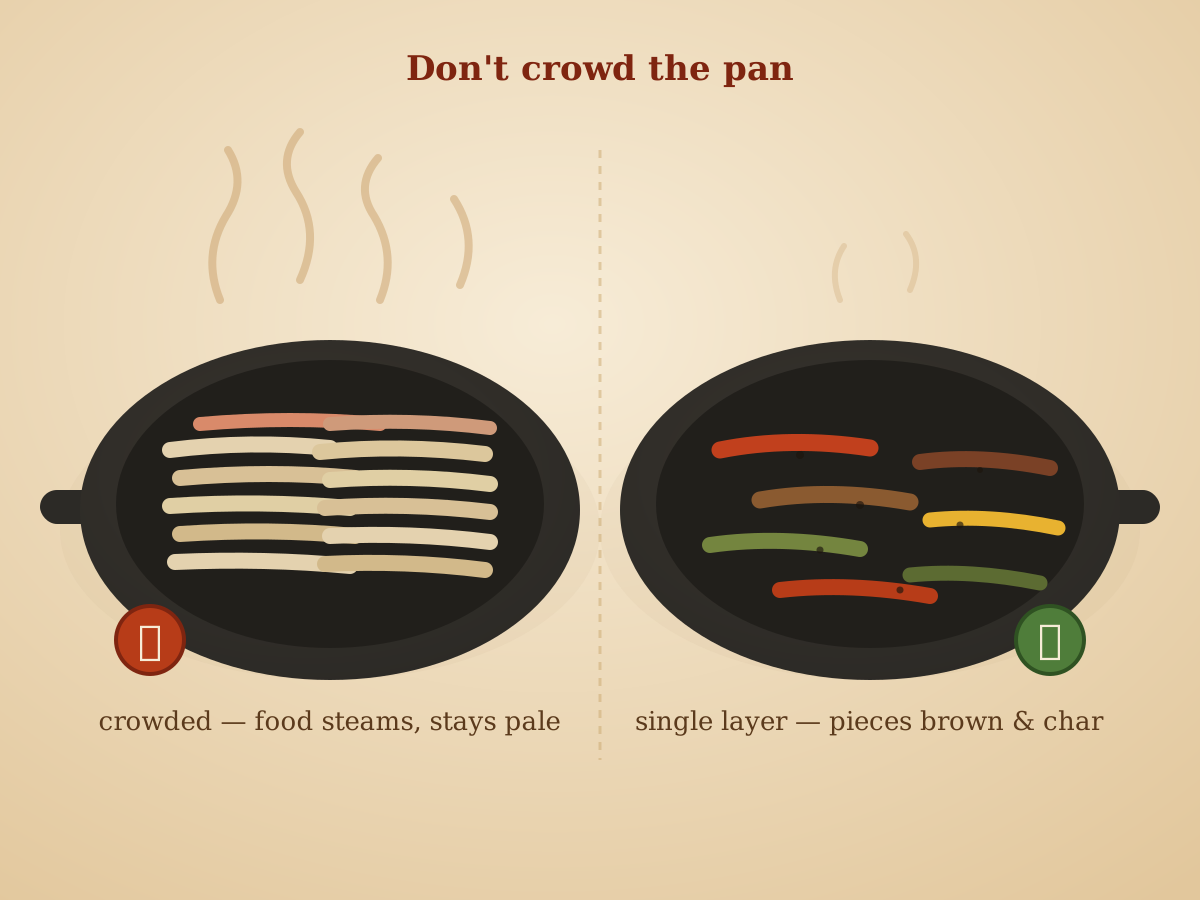
A skillet only holds so much heat. When you pile in all the peppers, onions, and protein at once, each piece releases water vapor, and a crowded pan cannot shed it fast enough. The escaping moisture cools the surface through evaporative cooling — the same effect that makes sweat feel cold — and the pan temperature crashes below the roughly 300°F needed to brown. Instead of searing, everything simmers in a shallow pool of its own juices. Cooking in two or three smaller batches keeps the metal hot and the liquid evaporating on contact.
The call: If your food covers more than a single loose layer, split it into batches instead of crowding.
Technique
Dry the protein and drain the marinade
Marinades add flavor but also add water, and any liquid clinging to the meat has to boil off before browning can start. Pat marinated chicken or steak dry with paper towels, and lift it out of the marinade rather than pouring the bowl into the pan — that stray quarter cup of liquid is often the whole problem. If you want the marinade flavor concentrated, reduce it separately in a small pan and spoon it over at the end. A dry surface plus a hot pan is what produces a fond and a sear instead of gray, wet strips.
The call: Pat the protein dry and drain marinade before searing; reduce leftover marinade separately if you want it.
Technique
Frozen peppers and onions need a hotter, drier approach
Frozen pepper-and-onion blends carry far more water than fresh, because the freezing process ruptures cell walls and the moisture inside is released the moment they warm. Two rules keep them from turning to mush. First, do not thaw them. Thawing lets that water leak out into a bowl, then you carry it straight into the pan, and the vegetables go limp before any browning happens. Add them to the skillet still frozen. Second, give them room and the hottest part of the pan. Spread a thin single layer over the center of a screaming-hot skillet and resist the urge to stir. A wall of steam will rise for a minute or two while the surface ice boils off. Leave the food alone through that phase, then let it keep going until the liquid has fully cooked away and the edges start to color. Only then start turning. If you crowd frozen vegetables or move them too soon, the pan never recovers its heat and you get a wet, gray simmer. Cook in two batches rather than one heavy load, and salt at the very end.
The call: Cook frozen vegetables straight from the freezer in a thin layer on the hottest zone and boil the water off before expecting char.
Recommended gear
Disclosure: As an Amazon Associate, FajitaRecipe.com earns from qualifying purchases. Recommendations are chosen to help you cook better fajitas; some Amazon links may earn a commission at no extra cost to you. See our selection methodology.
For cast-iron fajitas
 Lodge
LodgeModel L10SK3
A heavy 12-inch Lodge gives two servings of steak enough hot surface to brown without crowding. It is still too small for a six-person batch, which should be seared in rounds.
Best for: Everyday 2–4 serving skillet fajitas with a hard sear.
 Lodge
LodgeModel ASHH11
A cast-iron handle reaches the same temperature as the pan. A slip-on holder is the difference between confidently moving the skillet and dropping it.
Best for: Anyone using a blazing-hot cast-iron or carbon-steel handle.
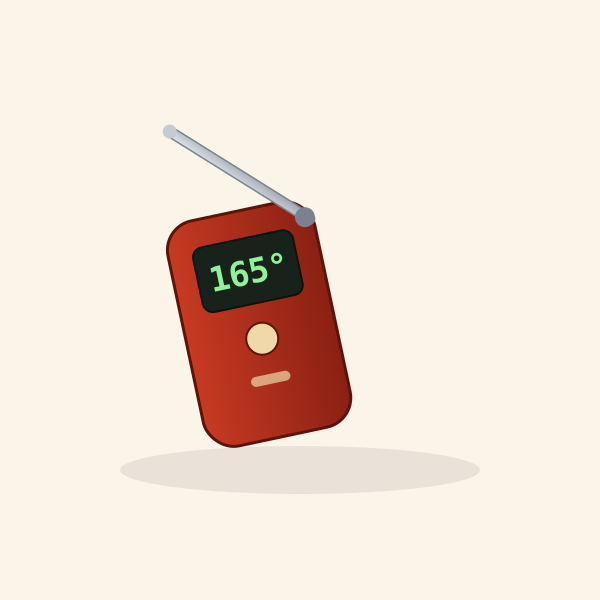 ThermoWorks
Model Thermapen ONE
Thin fajita chicken and steak swing past target in seconds. A one-second read lets you pull chicken at 165°F and steak at your chosen doneness before carryover overshoots.
Best for: A one-second, dependable read on thin proteins.
OXOModel Good Grips 12" Locking Tongs
Twelve-inch tongs keep your hand out of the smoke while you toss peppers and flip strips in a ripping-hot pan.
Best for: Tossing peppers and turning strips over high heat.
For slicing steak
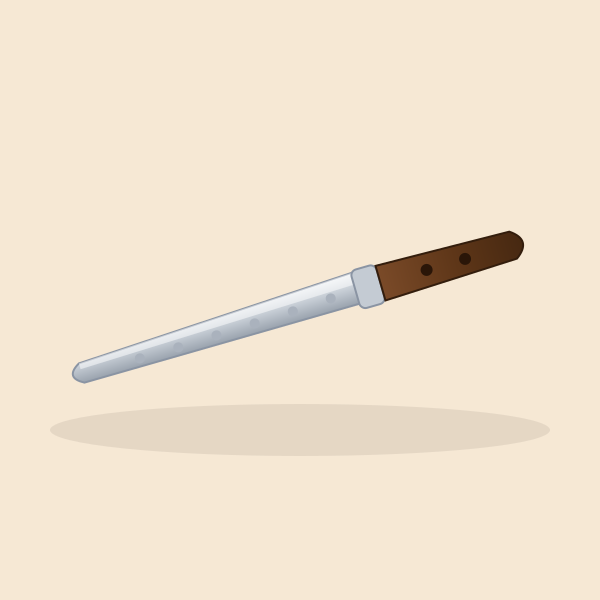 Victorinox
Model 5.4233.30 (Fibrox 12" Granton)
Thin, even slices across the grain are what make skirt and flank tender. A long granton slicer does it in one clean stroke instead of sawing.
Best for: Clean, thin, against-the-grain slices on skirt and flank steak.
John BoosModel RA03 (24 x 18 in)
A roomy board with a juice groove lets steak rest and be sliced in one place; pour the caught juices back over the strips before serving.
Best for: Resting and slicing steak with room to spare.
ThermoWorksModel ThermoPop 2
You do not need a premium thermometer to cook safe chicken. The ThermoPop 2 is accurate and a few seconds slower — a great-value pick from the same maker.
Best for: A reliable read without the premium price.
Visual guide
See the technique
Frequently asked questions
+Should I drain the liquid if my fajitas are already watery?
Yes. Tip the pan and spoon off the accumulated liquid, then raise the heat and let the food finish searing in the dry pan. You can reduce the drained liquid separately and add it back for flavor without the sogginess.
+Do I need to salt the vegetables at all?
Salt them, just not early. Add salt as the peppers and onions go into the hot pan or in the final minute. Salting well ahead of cooking draws out moisture and is a common reason vegetables steam instead of char.
+Why are my fajitas watery even on high heat?
High heat cannot help if the pan is crowded. Too much food at once cools the surface through evaporation faster than a strong burner can recover. Cook in batches so each piece has room and the pan stays hot.
+Do frozen peppers make fajitas watery?
They can, because freezing bursts the cell walls and the vegetables shed a lot of water as they warm. Do not thaw them first. Add them to the skillet still frozen, spread thin over the hottest part of the pan, and let the released water boil off before you stir. Cook in two batches so the pan stays hot.
Testing, sources & disclosure
Researched and reviewed by our editors. See our recommendation methodology.
- Author:
- FajitaRecipe Editorial
- Last reviewed:
- 2026-07-13
As an Amazon Associate, FajitaRecipe.com earns from qualifying purchases. We do not provide medical or dietary advice; follow USDA guidance for food safety.
Keep cooking
You might also like

How to Get Restaurant-Style Fajita Char
That deep, blistered char on restaurant fajitas comes from screaming-hot metal and patience. Sizzling platters ride on cast iron or a flat-top held far hotter than a home burner usually reaches. Get there by preheating hard, drying the food, cooking in batches so the surface stays hot, using a high-smoke-point oil, and leaving each piece alone long enough to brown before you move it.
 Pexels contributor · Pexels License
Sheet-Pan Chicken Fajitas
40 min · easy
Sheet-pan chicken fajitas turn the oven into a hands-off cook that needs no standing at the stove. Toss sliced thighs, peppers, and onions with oil and seasoning, spread them in one uncrowded layer on a preheated pan, and roast at 425°F until the chicken hits 165°F and the edges color. One pan in, one pan out, and only a bowl and a knife to wash.