Culture & history
Skirt Steak and the Ranch Kitchen: How Vaqueros Cooked What They Were Given
Long before fajitas had a name on a menu, vaquero and Tejano ranch cooks turned a tough, undervalued cut of beef into a defining technique of South Texas cooking: marinate hard, cook fast, slice thin.
 Hadriann at English Wikipedia · Public domain
The vaquero economy and in-kind pay
Vaqueros — the Mexican and Tejano cowhands who developed much of the ranching technique later associated with the American cowboy — worked cattle operations across South Texas and northern Mexico from the Spanish colonial period onward. On many ranches and at cattle-processing operations well into the twentieth century, workers were partially compensated with cuts of beef the operation considered less valuable, including organ meats, tougher shoulder cuts, and skirt steak.
Texas food historians describe this practice as directly responsible for skirt steak's central place in ranch-kitchen cooking: it was consistently available to ranch households, and out of necessity, those households developed techniques to make a tough, heavily grained cut genuinely good to eat.
The technique: marinate, sear hot, slice against the grain
Skirt steak's diaphragm-muscle origin gives it long, visible muscle fibers and a coarse grain, which makes it chewy if handled the wrong way. Ranch cooks addressed this with a three-part method that remains the technical foundation of fajita cooking today: an acidic marinade (citrus juice, vinegar, or tomato-based mixtures) to help break down surface toughness and add flavor; a very hot, fast sear over an open flame or griddle rather than slow cooking, since skirt steak dries out and toughens further if overcooked; and thin slicing directly against the grain, which physically shortens the muscle fibers in each bite and is arguably the single most important step for making the cut tender at the table.
This is a genuine piece of culinary technical knowledge developed under economic constraint, not an improvised workaround — it is the same method professional cooks and food scientists recommend for skirt steak today.
Marinate hard, cook fast, slice thin — a ranch-kitchen solution that became a professional technique.
Cooking outdoors, cooking together
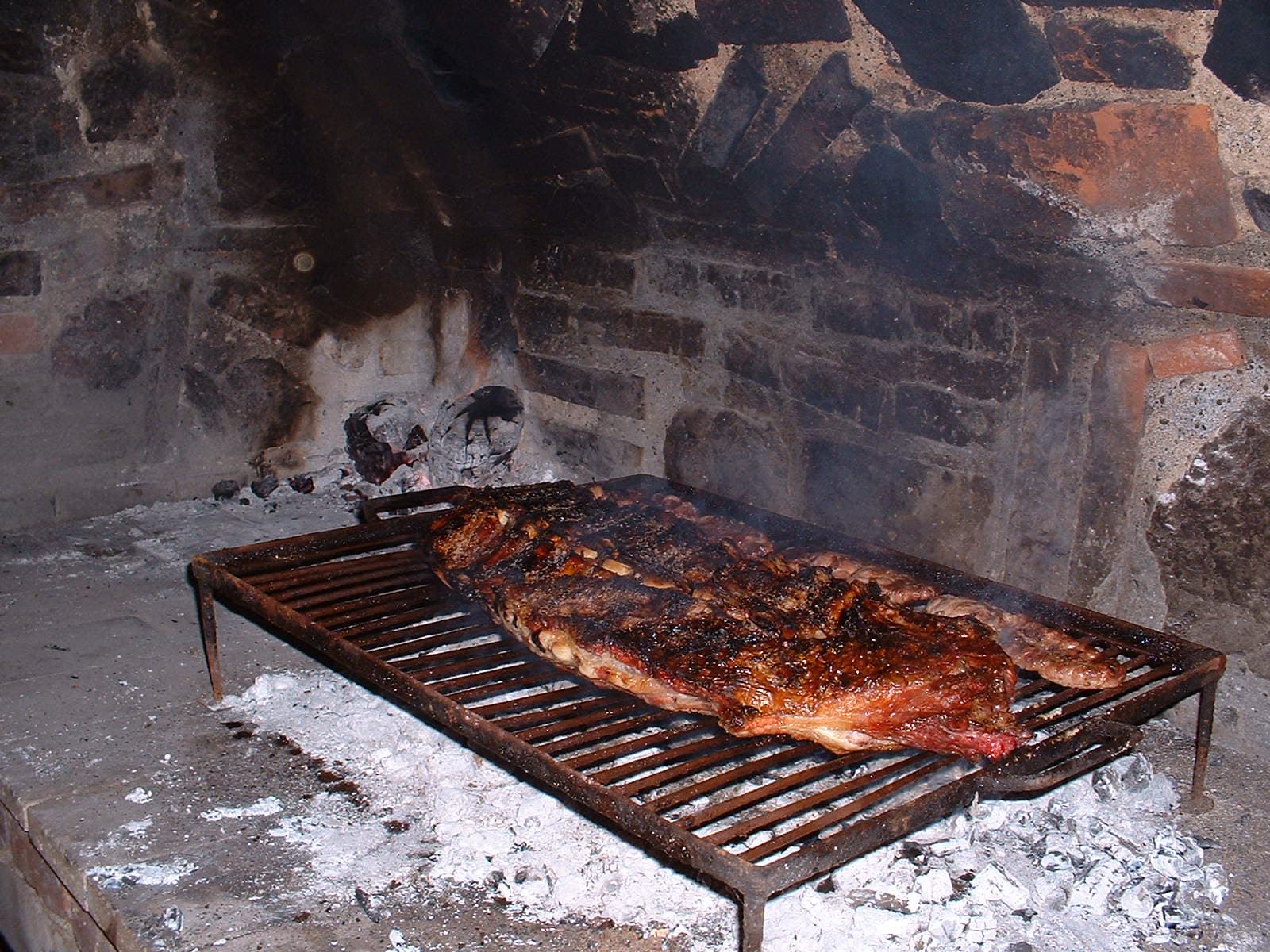
Ranch-kitchen fajita cooking was frequently a communal, outdoor activity — cooked over mesquite coals or an open fire at gatherings, brandings, and family events rather than as an everyday indoor meal. Mesquite, abundant across South Texas rangeland, imparts a distinctive smokiness that became closely associated with the dish, and outdoor grilling remained the dominant home method for fajitas long after restaurants began serving them on cast-iron platters cooked on a flat-top or griddle.
A technique that outlasted its economic origin
Skirt steak is no longer a discount cut in most markets — its popularity has driven prices up substantially since fajitas became a national dish, a shift food economists and butchers alike have noted as an example of a "nose to tail" cut becoming fashionable. But the ranch-kitchen technique that made it worth eating in the first place — the marinade, the hot fast sear, the thin slice against the grain — remains essentially unchanged, and it is what separates a genuinely good fajita from a merely adequate one, regardless of price.
Sources & further reading
- Vaquero — Texas State Historical Association, Handbook of Texas. History of vaquero ranching labor and traditions across the Texas-Mexico borderlands.
- Tex-Mex Foods — Texas State Historical Association, Handbook of Texas. Documents skirt steak's role as a low-cost cut in South Texas ranch-worker households.
- On Cooking: A Textbook of Culinary Fundamentals — Labensky, Martel & Van Damme, Pearson. Reference on the technical rationale for marinating and slicing skirt steak against the grain.