Fajita Marinade
A master fajita marinade is lime juice for brightness, oil to carry flavor and prevent sticking, garlic and fajita seasoning for depth, and a splash of soy or Worcestershire for savory backbone. Timing is everything: 15 to 30 minutes for shrimp or thin cuts, up to a few hours for chicken and steak. The acid mostly works the surface, so longer is not better — too long turns the exterior mushy.

One balanced marinade for any fajita protein, plus the timing science that keeps the acid from wrecking the texture.
Ingredients
Showing ingredients for 1 serving in US customary units.
Marinade
- ¼ cupFresh lime juiceAbout 2 to 3 limes; fresh tastes brighter and less bitter than bottled.Search
- ⅓ cupNeutral oil, such as avocado or canolaShop
- 3 clovesGarlic, mincedSearch
- 2 tbspFajita seasoningUse our homemade blend or your favorite jar.Shop
- 1 tbspSoy sauce or WorcestershireA savory, salty backbone; Worcestershire leans beefier, soy leans cleaner.Shop
- 2 tbspFresh cilantro, chopped (optional)Search
- To tasteKosher saltGo light if your seasoning and soy already carry salt.Shop
Cook times are not scaled with servings — adjust pan size and cook in batches as needed. Salt and “to taste” items are intentionally left for your judgment.
🛒 links open an Amazon search for that ingredient. Some links may earn FajitaRecipe.com a commission if you buy through Amazon, at no extra cost to you.
Step by step
How to make it
Mix
Step 1. Whisk the lime juice, oil, garlic, fajita seasoning, and soy or Worcestershire together in a bowl until the seasoning is fully dispersed and the mix looks emulsified.
~3 minStep 2. Taste and adjust: more lime for brightness, more seasoning for depth, a pinch of salt only if it needs it. Stir in the cilantro if using.
~2 min
Marinate
Step 3. Add your protein to a zip-top bag or shallow dish, pour the marinade over, and turn to coat. Refrigerate — never marinate at room temperature.
Step 4. Marinate for the time that suits the protein: 15 to 30 minutes for shrimp or thin strips, 1 to 4 hours for chicken, 1 to 3 hours for skirt or flank steak.
Cook
Step 5. Lift the protein out, let excess drip off, and discard the used marinade. Pat lightly dry so it sears instead of steams.
Doneness & safety
Marinating safely
Always marinate in the refrigerator, never on the counter. Discard used marinade or boil it before reusing as a sauce.
Source: USDA Food Safety and Inspection Service · reviewed 2026-07-04
🛒 Shop this recipe
Pantry & spices
Fresh ingredients
Fresh items open an Amazon search — availability varies by location.
Recommendations are chosen to help you cook better fajitas; some Amazon links may earn a commission at no extra cost to you.
Substitutions
| Instead of | Use | Adjust | Expect | Avoid when |
|---|---|---|---|---|
| Fresh lime juice | A mix of lime and orange juice, or lemon in a pinch | Keep the total acid at 1/4 cup; try 3 parts lime to 1 part orange for a rounder tang. | Orange softens the sharpness and adds a subtle sweetness; lemon is brighter and less floral. | — |
| Soy sauce or Worcestershire | Coconut aminos or a dash of fish sauce | Swap 1:1 for coconut aminos; use only a scant teaspoon of fish sauce, which is stronger. | Coconut aminos are milder and slightly sweet; fish sauce adds a deeper savory funk. | Skip the savory splash entirely if you are keeping the marinade strictly citrus-forward. |
The science
Why the acid works the surface, not the center
Lime juice does not deeply penetrate a whole cut of meat. Acid denatures proteins only in the outermost few millimeters it actually touches, which is why a marinade seasons and tenderizes the surface but leaves the interior essentially unchanged. That is also why longer is not better: leave a thin protein in citrus for many hours and that outer layer keeps breaking down until it turns pale, soft, and mushy — sometimes described as the marinade "cooking" the exterior. You want enough contact to flavor the surface and no more.
The call: Marinate long enough to flavor the surface, then stop before the acid softens the exterior into mush.
Technique
Timing by protein
Match the clock to the cut. Thin, high-surface-area proteins take flavor fast and pass the point of no return just as fast; thicker, denser cuts want more time. Beyond the windows below the payoff drops off and the texture risk climbs, so set a timer rather than marinating overnight out of habit.
| Protein | Sweet spot | Do not exceed | Why |
|---|---|---|---|
| Shrimp | 15–30 minutes | 30 minutes | Acid firms and clouds the surface quickly |
| Thin-sliced steak or chicken strips | 15–30 minutes | 1 hour | Enormous surface area relative to thickness |
| Boneless chicken breast or thigh | 1–4 hours | 6 hours | Forgiving; salt has time to season past the surface |
| Skirt steak | 1–3 hours | 4 hours | Loose, open grain takes on flavor fast |
| Flank steak | 2–3 hours | 4 hours | Denser than skirt — give it the longer end |
| Peppers and onions | 15–30 minutes | 1 hour | Longer soaks draw out water and they steam instead of char |
Always marinate in the refrigerator. If you need to prep further ahead, combine the oil, garlic, and seasoning now and add the lime in the last hour.
The call: Marinate shrimp and thin strips 15 to 30 minutes, chicken 1 to 4 hours, and steak 1 to 3 hours.
Recommended gear
Disclosure: As an Amazon Associate, FajitaRecipe.com earns from qualifying purchases. Recommendations are chosen to help you cook better fajitas; some Amazon links may earn a commission at no extra cost to you. See our selection methodology.
For making seasoning
 Cuisinart
Model SG-10
Toasting whole cumin and grinding it fresh gives a homemade seasoning noticeably more aroma than pre-ground jars that have sat for months.
Best for: Grinding whole cumin and dried chiles for a fresher blend.
Homemade blend keeps its potency about six months in an airtight jar away from light and stove heat — worth it if you mix a big batch.
Best for: Storing homemade fajita seasoning so it keeps its punch.
Serving & storage
Food safety and reusing marinade
Always marinate in the refrigerator, not on the counter, because the surface of the meat sits in the danger zone between 40 and 140 degrees Fahrenheit if left out. The used marinade has been in contact with raw protein, so discard it rather than spooning it over cooked food. If you want a finishing sauce, set aside a clean portion before the raw meat ever touches the bowl. Marinade you have not used can be covered and refrigerated for a day or two.
The call: Marinate in the fridge and discard used marinade; reserve a clean portion first if you want a sauce.
Frequently asked questions
+Can I marinate fajitas overnight?
For most fajita proteins it is not ideal. The acid keeps working the surface, and by morning a thin cut of chicken or skirt steak can turn soft and pasty on the outside. If you need to prep ahead, mix a lower-acid version, or combine only the oil, garlic, and seasoning overnight and add the lime in the last hour or two.
+Do I need oil in a marinade?
Yes, it earns its place. Oil carries the fat-soluble flavor compounds in the seasoning, helps the mix cling evenly, and reduces sticking when the protein hits a hot pan or grill. It also buffers the acid a little so the surface does not break down as fast. A roughly two-to-one oil-to-acid ratio is a reliable starting point.
+Should I salt the marinade or the meat?
Either works, but account for what is already salty. Fajita seasoning and soy sauce both bring salt, so taste the marinade before adding more. Salt does help season past the surface over time, so a lightly salted marinade is fine — just avoid double-salting and ending up with an over-seasoned batch.
Testing, sources & disclosure
Researched and reviewed by our editors. See our recommendation methodology.
- Author:
- FajitaRecipe Editorial
- Last reviewed:
- 2026-07-05
Sources
- Safe Minimum Internal Temperature Chart, USDA FSIS linkSupports: Marinate in the refrigerator and keep protein out of the 40–140°F danger zone.
As an Amazon Associate, FajitaRecipe.com earns from qualifying purchases. We do not provide medical or dietary advice; follow USDA guidance for food safety.
Keep cooking
You might also like
Chicken Fajita Marinade
A chicken fajita marinade leans on lime and cumin with plenty of oil and garlic, and because chicken is forgiving it can soak longer than steak — one to six hours in the fridge. An optional buttermilk or plain yogurt version uses gentle dairy acid and enzymes to keep lean breast juicy without the mushy edge that too much citrus causes. It comes together in about ten minutes.
Steak Fajita Marinade
A steak fajita marinade is lime, oil, garlic, and cumin with a splash of soy or Worcestershire for savory depth. The key is keeping it short — 30 minutes to about 3 hours for skirt or flank — so the acid flavors the surface without softening the exterior you want firm enough to take a hard sear. It is built for a dark crust and a medium-rare center, not a long overnight soak.
How Long to Marinate Fajitas
Marinate fajitas by protein: shrimp 15 to 30 minutes, chicken 1 to 4 hours, and skirt or flank steak 1 to 3 hours. Even 30 minutes is worth doing when time is short. A citrus-based fajita marinade works on the surface, so longer is not better, and too much acid turns delicate proteins mushy. Always marinate covered in the refrigerator, never on the counter, and discard the used marinade after it touches raw meat.
Homemade Fajita Seasoning
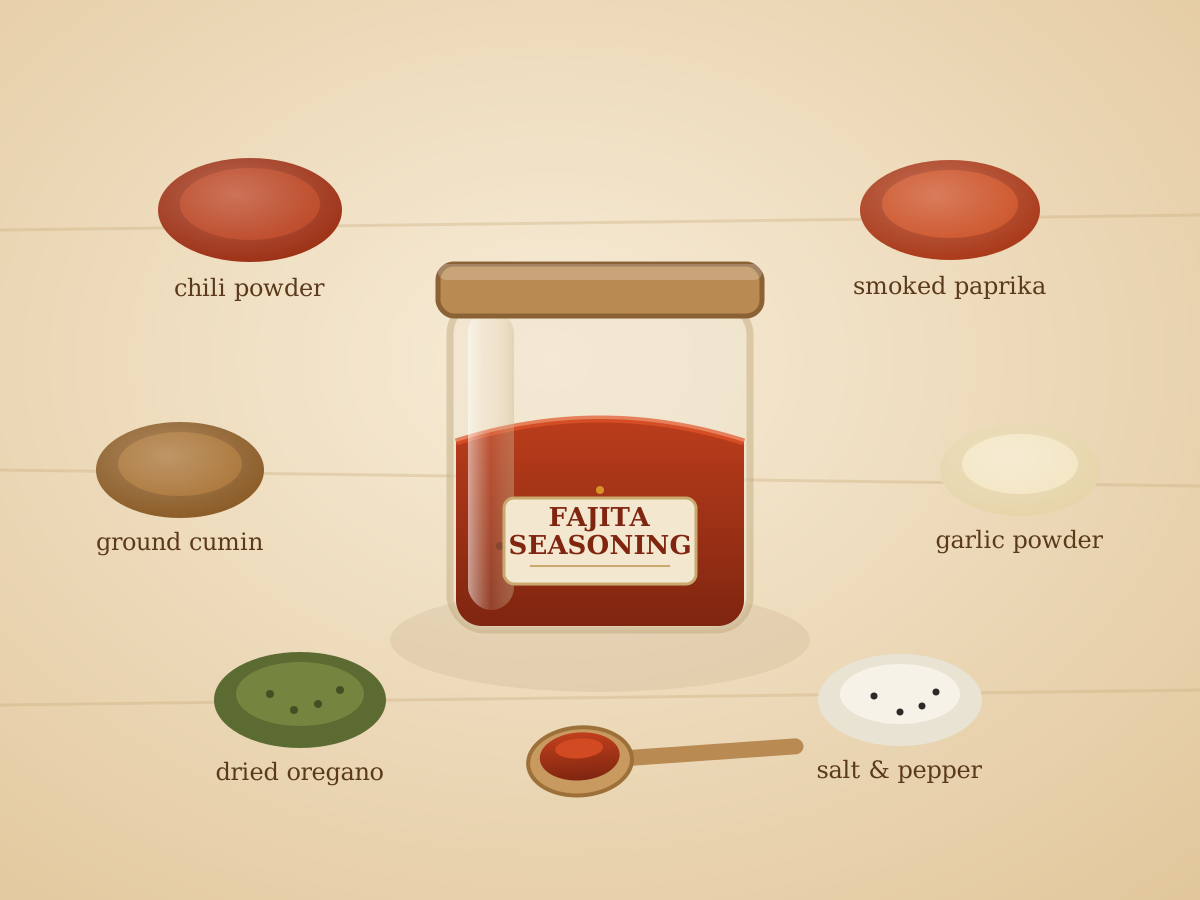
Homemade fajita seasoning is a chili-powder base rounded out with cumin, smoked paprika, garlic and onion powder, oregano, salt, cayenne, and black pepper. Mixing your own skips the anti-caking fillers packets rely on and lets you dial the salt and heat yourself. One batch whisks together in five minutes and keeps its punch for about six months in an airtight jar.