Culture & history
The Sizzling Platter: How Restaurants Turned Fajitas Into a Performance
The cast-iron platter that arrives at the table audibly sizzling, trailing a plume of smoke, is a restaurant-era invention layered onto a much older ranch dish — and it is the single biggest reason fajitas became a national sensation.
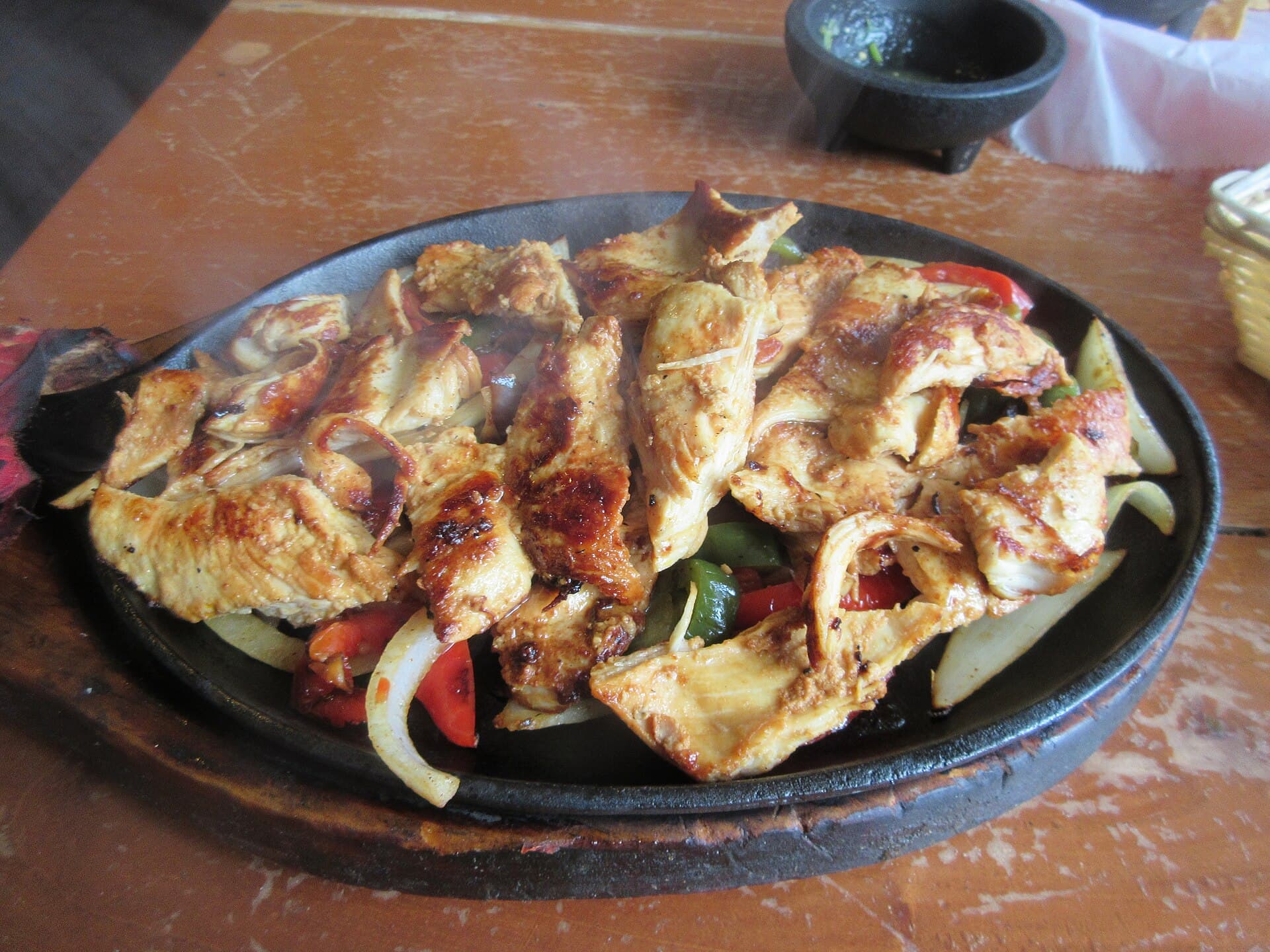 Infrogmation of New Orleans · CC BY-SA 4.0
A dish becomes a spectacle
Grilled, sliced skirt steak had existed in South Texas ranch kitchens for decades before restaurants began serving it as a distinct menu item in the 1960s and 1970s. What changed the dish's trajectory from a regional specialty to a national phenomenon was not the recipe itself but its presentation: serving the steak on a superheated cast-iron platter that continues audibly sizzling and smoking as it's carried to the table.
Food writers who have researched the dish's restaurant history point to McAllen restaurateur Otilia Garza as a key figure in this specific innovation. In 1977, at her Rio Grande Valley restaurant Tila's, Garza introduced a fajita platter served sizzling on a hot metal plate, an idea she is reported to have drawn from queso flameado — melted cheese served on a hot cast-iron dish — that she had encountered in Acapulco. As with most of fajita history, though, Garza's is one strong claim among several regional restaurants that get credit for elements of the now-standard tableside presentation, and historians stop short of naming a single, uncontested originator.
Why the sizzle worked
Restaurant industry analysts and food writers who have studied the fajita's rise point to a simple truth: the sizzling platter turned a plate of food into a moment that spread visually — other diners in the restaurant would see and smell a sizzling platter go by and order one for themselves. This word-of-mouth, table-to-table marketing effect predates social media by decades but functions similarly, and it's frequently cited as the mechanism by which fajitas spread so quickly through Texas restaurants in the 1970s and then nationally in the 1980s.
The tortilla-wrapping ritual that came with it — building your own soft taco from sizzling components at the table — added a second layer of tableside engagement that distinguished the fajita platter from an ordinary plated entrée.
The sizzle was marketing before marketing had a name for it.
From regional novelty to chain-restaurant staple
The clearest documented turning point for the sizzling platter's national reach came in the mid-1980s, when the casual-dining chain Chili's added fajitas to its menu — first testing them in a couple dozen locations in 1984, then rolling them out nationally in 1985 under then-owner Norman Brinker. Chili's did not claim to have invented the dish, and food writers have been direct about that: the chain's contribution was volume and showmanship, not originality. Its television advertising leaned hard into the sizzle itself as an audible selling point, and the surge in demand was large enough that the chain reportedly printed shirts reading "I survived the Summer of Fajita Madness."
This is also the point at which "fajitas" began to broaden beyond skirt steak specifically, since the sizzling-platter presentation could showcase chicken and other proteins just as effectively as the original cut — a shift restaurant trade coverage from the period ties directly to the format's rapid, low-cost replicability across chain locations.
The platter today
The cast-iron fajita platter remains one of the most recognizable pieces of tableside restaurant theater in American dining, decades after its introduction. Its persistence is a useful reminder that a dish's popularity is often shaped as much by how it's served as by what's on the plate — the underlying ranch-kitchen technique of marinating, searing, and slicing skirt steak against the grain is what makes a fajita good, but the sizzling platter is what made it famous.
Sources & further reading
- Low Steaks — Texas Monthly. Details Otilia Garza's 1977 introduction of the sizzling fajita platter at Tila's in McAllen.
- No, Chili's, You Did Not Invent the Fajita — Dallas Observer. Reporting on Chili's 1984-85 national rollout of fajitas and its role in popularizing, but not originating, the dish.
- Ninfa's Mexican Restaurants — Texas State Historical Association, Handbook of Texas. History of Houston's Ninfa's and its early role in serving grilled skirt steak tacos to the public.