Fajita Nachos: Turn Leftover Fajitas into a Loaded Sheet Pan
Leftover fajitas make outstanding nachos. Layer sturdy tortilla chips with chopped fajita meat and peppers and plenty of shredded melting cheese on a sheet pan, then bake at 400°F until the cheese melts and the edges crisp. The secret to nachos that are not soggy or bare is two thin layers instead of one deep pile, cheese on both, and cold, wet toppings added only after they come out of the oven.

How to make fajita nachos from leftovers: the sheet-pan layering method that melts evenly, stays crisp, and turns last night’s fajitas into a loaded second meal.
Substitutions
| Instead of | Use | Adjust | Expect | Avoid when |
|---|---|---|---|---|
| shredded Monterey Jack | a Jack-cheddar blend or a quick queso | — | A blend adds sharpness; queso poured on gives a smoother, saucier finish. | — |
Technique
The sheet-pan method
Heat the oven to 400°F. Spread a single layer of sturdy tortilla chips on a sheet pan, then scatter half the shredded cheese, half the chopped leftover fajita meat and peppers, and any beans over them. Add a second layer of chips and repeat with the rest of the cheese, meat, and peppers so the toppings reach every chip, not just the top. Bake eight to ten minutes until the cheese is fully melted and bubbling and the chip edges brown. Pull the pan and immediately add the cold toppings — pico de gallo, guacamole, a drizzle of creamy fajita sauce, jalapeños, and cilantro — so they stay fresh and the chips stay crunchy.
The call: Two layers, cheese and meat on both, 400°F for 8–10 min, cold toppings after the oven.
The science
The melt: cheese choice and broiler versus oven
Pre-shredded cheese is coated with anti-caking starch and cellulose that keep the strands loose in the bag but get in the way of a clean melt, so it can turn grainy or stay stubbornly clumpy. Grating from a block gives a glossier, smoother melt that coats the chips. Monterey Jack, mild cheddar, and Colby melt low and stretchy; aged cheddar and Parmesan break more easily and work better as accents than as the main melting cheese. For the heat source, a 400°F oven melts the cheese from all sides and warms the leftover meat through in the same eight to ten minutes, which makes it the reliable default. The broiler is faster and gives browned, blistered cheese spots, but it works from the top only and scorches chip edges in seconds, so it demands that you stand at the oven door and pull the pan the moment the cheese bubbles. To get both an even melt and a browned top, bake first, then flash the pan under the broiler for the last thirty to sixty seconds. Shred more cheese than looks necessary and spread it across both layers so the melt binds the stack together instead of sliding off the top.
The call: Grate from a block, default to a 400°F oven, and add a short broiler flash only if you want browned cheese.
Technique
Prepping leftover fajita meat and vegetables
Leftover fajita filling was sliced for tortillas, in long strips that slide off chips and heat unevenly, so chop the meat and peppers into small, roughly half-inch pieces before they go on the pan. Small pieces settle into the gaps between chips, land on more of them, and warm through in the same time the cheese takes to melt. The peppers and onions release liquid as they sit in the fridge, and that moisture is a leading cause of a soggy middle, so tip the chopped vegetables into a strainer or press them between paper towels and drain off the pooled juices before layering. If the meat looks dry, a brief warm-up in a skillet over medium heat loosens the fat and refreshes the seasoning, but do not add water or extra sauce, which reintroduces the moisture you just removed. Cold meat straight from the fridge can leave the center of the pan underdone, so let it sit out while the oven heats or give it that quick skillet pass. Scatter the drained, chopped filling in an even layer across both chip layers rather than mounding it in the middle, where a wet pile would steam the chips beneath it. Keep any saucy leftovers aside to drizzle on after baking.
The call: Chop small, drain the vegetables, and warm the meat before layering so the center is not cold or wet.
Recommended gear
Disclosure: As an Amazon Associate, FajitaRecipe.com earns from qualifying purchases. Recommendations are chosen to help you cook better fajitas; some Amazon links may earn a commission at no extra cost to you. See our selection methodology.
For sheet-pan fajitas
 Nordic Ware
Model Naturals Baker’s Half Sheet 43100
A sturdy rimmed half-sheet gives chicken and peppers room to roast in a single layer instead of steaming. Thin pans buckle at 425°F and pool juices in the warp.
Best for: Sheet-pan fajitas for 3–4 in a single layer.
 Winco
WincoModel TN719
A thin, flexible turner slides under roasted chicken and peppers that caught on the pan, so you flip them instead of shredding them.
Best for: Lifting and turning sheet-pan pieces without tearing.
 ThermoWorks
Model ThermoPop 2
You do not need a premium thermometer to cook safe chicken. The ThermoPop 2 is accurate and a few seconds slower — a great-value pick from the same maker.
Best for: A reliable read without the premium price.
Serving & storage
Serving and scaling for a crowd
Nachos are a first-come-first-served food, best eaten straight off the pan while the cheese still stretches, so time them to come out just as people are ready. For a group, use a large sheet pan or two, and consider a queso or warmed refried beans on the side for dipping the outer chips. Sturdy, thick restaurant-style chips hold up far better than thin ones, which go limp under the cheese. Leftover nachos never reheat well once the toppings are on, so build only what you will eat and keep extra chips and fillings separate for a fresh round.
The call: Use thick chips, serve straight from the pan, and build only what you will eat at once.
Frequently asked questions
+How do you make nachos with leftover fajitas?
Layer sturdy chips on a sheet pan with shredded melting cheese and chopped leftover fajita meat and peppers, build a second layer so the toppings reach every chip, and bake at 400°F for eight to ten minutes. Add cold toppings like pico and guacamole after they come out.
+How do you keep nachos from getting soggy?
Use thick, sturdy chips, build two thin layers instead of one deep pile, and add wet toppings like pico, guacamole, and sour cream only after the nachos come out of the oven — never before baking.
+What temperature do you bake fajita nachos?
400°F for about eight to ten minutes, until the cheese is fully melted and the chip edges are browned. A hot oven melts the cheese before the chips can soften.
+Is freshly grated cheese better than pre-shredded for nachos?
Freshly grated cheese from a block melts smoother and glossier because it skips the anti-caking starch that coats pre-shredded cheese, which can melt grainy or clumpy. Grate a mild melter like Monterey Jack or Colby and spread it across both chip layers.
Testing, sources & disclosure
Researched and reviewed by our editors. See our recommendation methodology.
- Author:
- FajitaRecipe Editorial
- Last reviewed:
- 2026-07-13
As an Amazon Associate, FajitaRecipe.com earns from qualifying purchases. We do not provide medical or dietary advice; follow USDA guidance for food safety.
Keep cooking
You might also like
Fajita Quesadillas: The Best Way to Use Leftover Fajitas
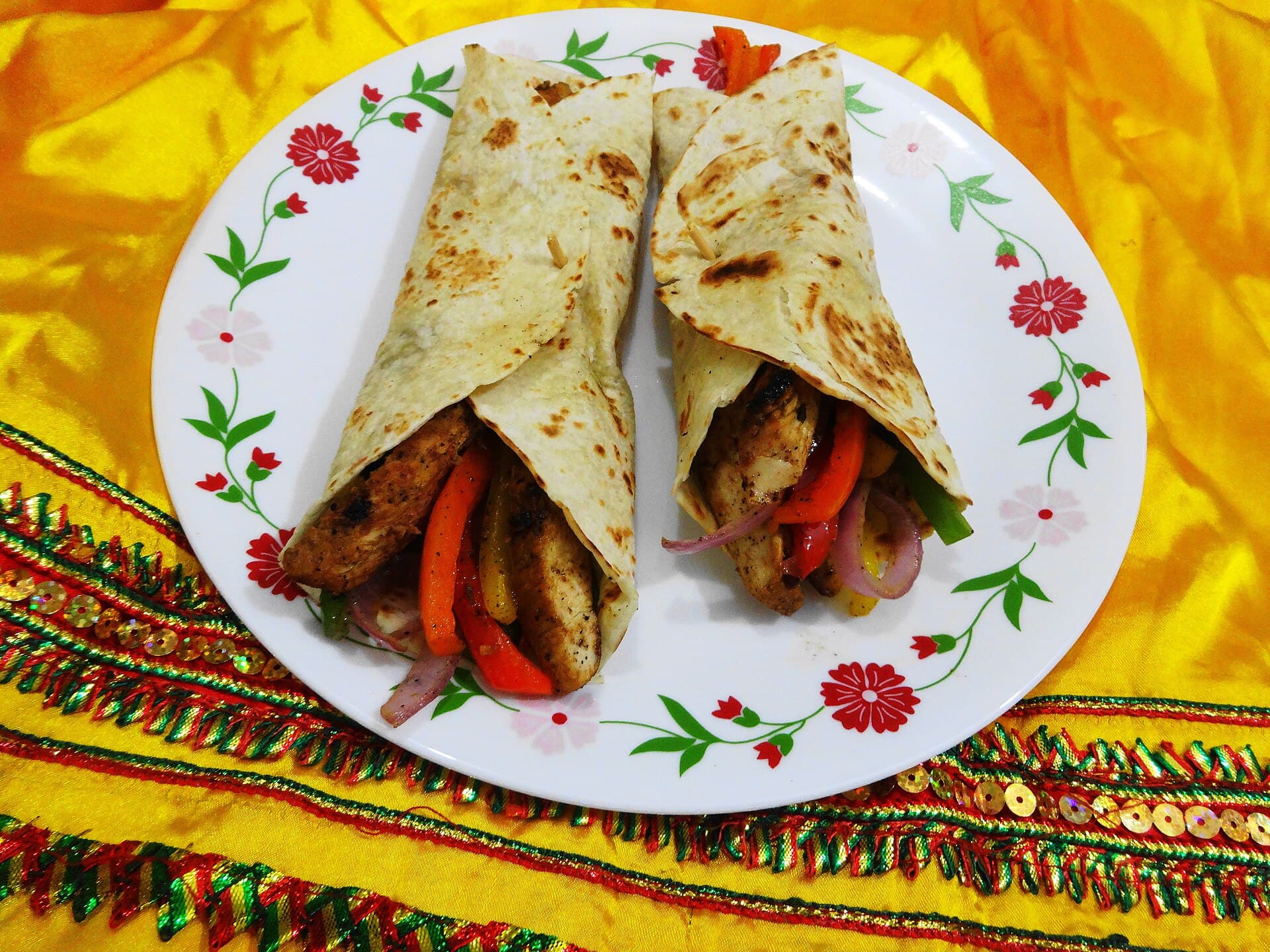
Leftover fajitas become an even better second dinner as quesadillas. Chop the cold meat and peppers, pile them with shredded melting cheese inside a flour tortilla, and crisp it in a dry cast-iron skillet over medium heat until the cheese binds and both sides are golden. The keys are a drier filling, cheese on both sides to act as glue, and patience with the heat so it crisps before it burns.
How to Reheat Fajitas
Reheat fajitas fast in a hot skillet with a splash of water or oil, tossing just until warmed through, so the already-cooked meat does not overcook and toughen. The microwave works in short bursts with a damp cover. Heat leftovers to 165 degrees Fahrenheit, and store cooked fajita meat and vegetables in the fridge for three to four days.
Guacamole for Fajitas: Cool, Chunky, and Built to Scoop
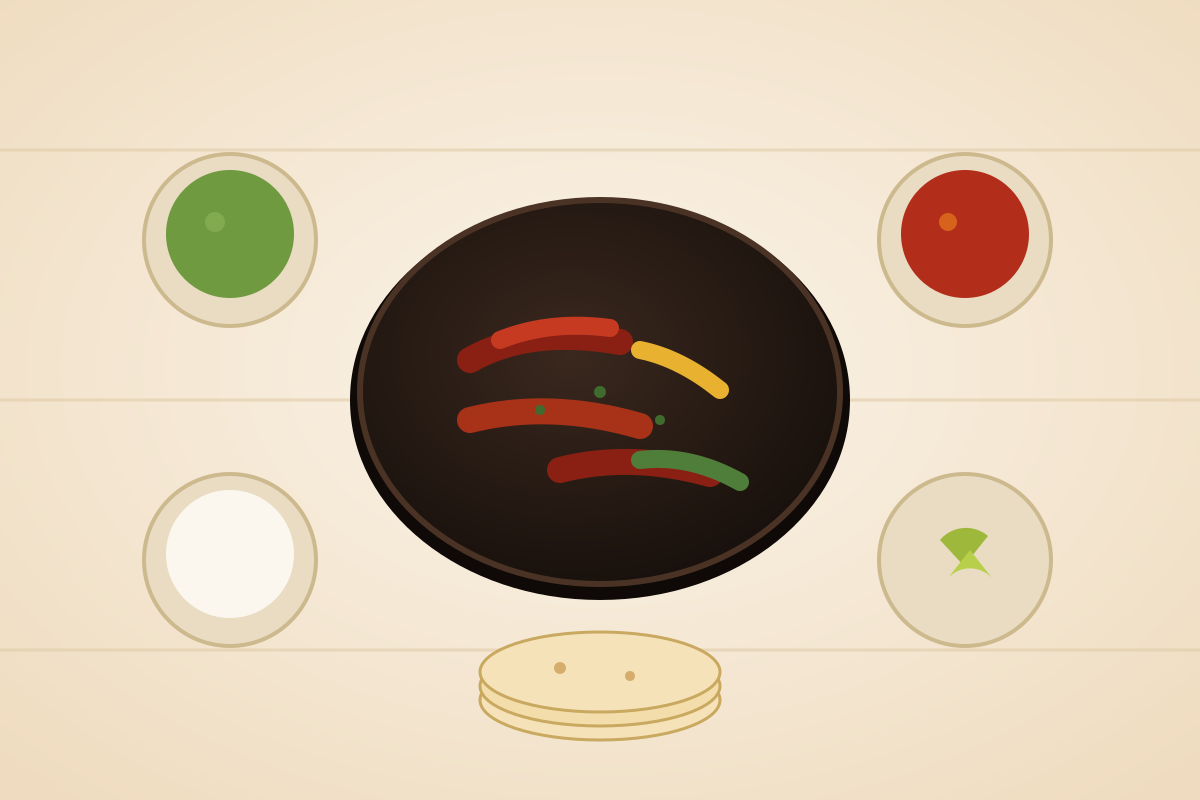
The best guacamole for fajitas is chunky, limey, and a little coarse so it holds up inside a hot tortilla instead of sliding out. Mash ripe avocado with lime, salt, and finely diced onion, then fold in cilantro, a little serrano or jalapeño, and optional tomato. Keep it thick, season it aggressively, and press plastic wrap onto the surface to hold the color until serving.