Culture & history
Flour Tortillas and the Borderlands: The Wheat That Redefined a Staple
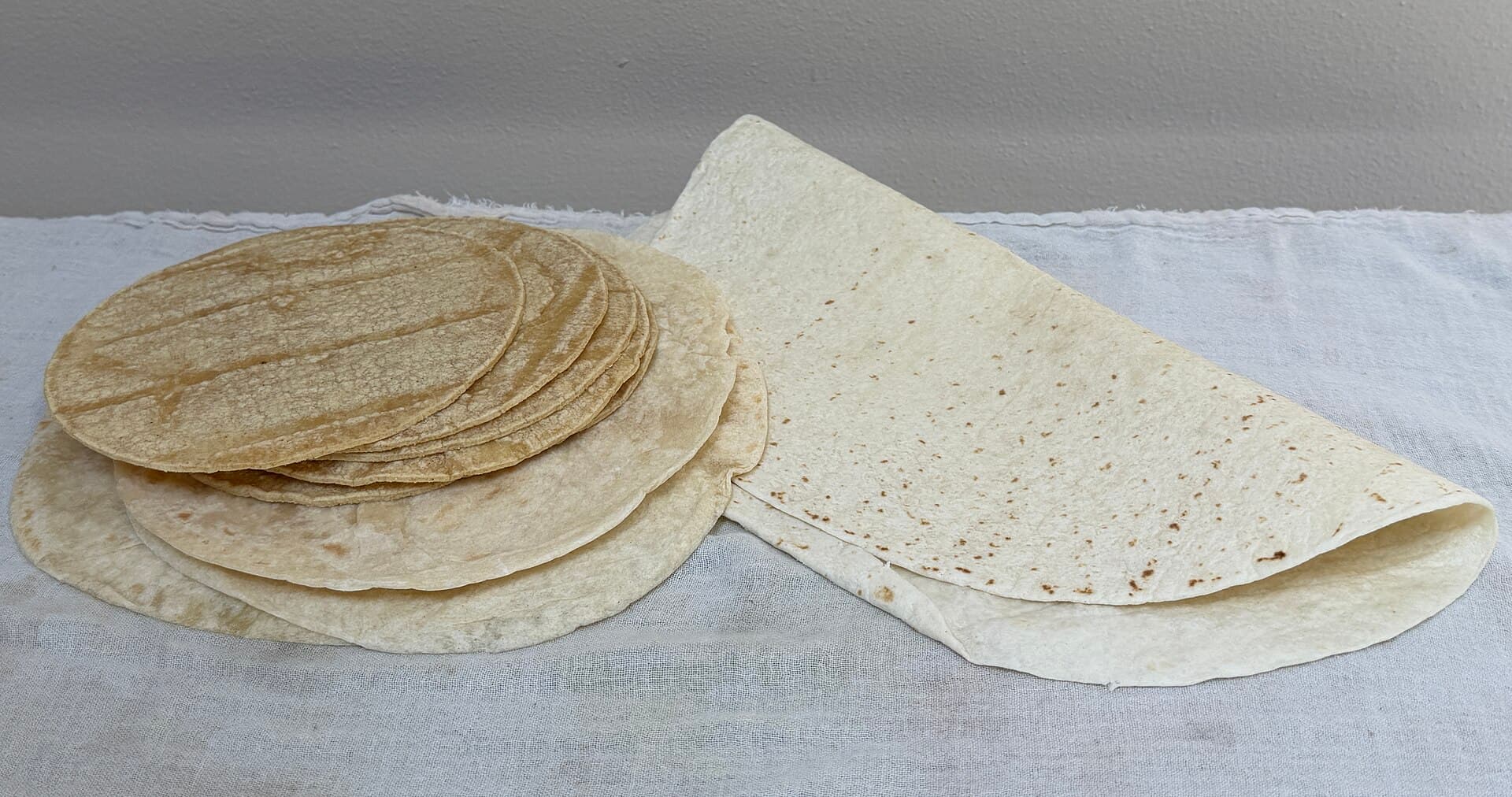
Corn tortillas define much of Mexican cooking, but the borderlands and northern Mexico developed a wheat-based alternative that became inseparable from Tex-Mex food, including the fajita itself.
 Vigilantcosmicpenguin · CC BY 4.0
Wheat arrives, and a new tortilla follows
Corn has been the foundation of tortilla-making in Mesoamerica for thousands of years, but wheat is a Spanish colonial introduction, brought to the Americas beginning in the sixteenth century. In the arid ranching country of what is now northern Mexico and South Texas, wheat grew more reliably than corn in many areas, and communities there adapted the tortilla-making tradition to the new grain, producing a softer, larger, more pliable bread that could wrap generously around grilled meat.
Dr. Ellen Riojas-Clark, professor emerita of bicultural-bilingual studies at the University of Texas at San Antonio, has traced the flour tortilla's origins to exactly this blending of cultures and crops that began with Spanish colonization, describing it as a genuinely borderlands invention rather than a product of one single culinary tradition.
Sonora and the Texas connection
Food writers and historians researching Southwestern cuisine identify the state of Sonora, in northwestern Mexico, as home to one of the most refined flour-tortilla traditions on the continent — tortillas de agua made from little more than wheat, water, and fat, stretched thin enough to be nearly translucent. That norteño wheat tradition sits within the same broad cultural region as Texas and northeastern Mexico, and academic geographers of Southwestern food have specifically identified wheat-flour tortillas, rather than corn, as one of the defining features that separates this northern regional cuisine from the corn-centered cooking of central and southern Mexico.
The flour tortilla that became standard in Tex-Mex cooking descends from this same northern, ranching-country tradition, adapted over generations to Texas kitchens and eventually to commercial tortillerías.
Corn tortillas define much of Mexico. Flour tortillas define the borderlands.
Why flour, and not corn, wraps a fajita
The flour tortilla's size and pliability made it especially well suited to the kind of food ranch and Tex-Mex cooking produced: thin strips of grilled, sliced skirt steak, meant to be piled generously and rolled or folded rather than eaten from a small, rigid corn tortilla. As fajitas moved from ranch kitchens to restaurant tables in the twentieth century, the flour tortilla came along as the default wrapper, cementing an association that persists on nearly every fajita platter served in Texas and beyond today.
This is also one of the clearest ways Tex-Mex food is textured differently from interior Mexican cuisine: in much of central and southern Mexico, a taco assumes a corn tortilla; in Texas borderlands cooking, especially around beef dishes like fajitas, flour is often the unspoken default.
A tradition still passed hand to hand
Riojas-Clark and other South Texas cultural historians describe tortilla-making itself, not just the tortilla as a finished product, as an important vehicle for passing down family and regional identity — a skill taught hand to hand, often across generations of women in a household. Commercially, flour and corn tortillas together now represent a multibillion-dollar industry in the United States, but the home tradition behind the borderlands' flour tortilla remains, for many families, a living practice rather than a packaged product.
Sources & further reading
- The Flour Tortilla's Deep Roots in South Texas Culture — KSAT News. Interview with UTSA professor emerita Dr. Ellen Riojas-Clark on the flour tortilla's colonial-era origins and cultural role in South Texas.
- Tex-Mex, Cal-Mex, New Mex, or Whose Mex? Notes on the Historical Geography of Southwestern Cuisine — Journal of the Southwest, University of Arizona. Identifies wheat-flour tortillas as a defining feature of Texas and northeastern Mexican ("norteño") cuisine.
- Taco USA: How Mexican Food Conquered America — Gustavo Arellano, Scribner. Discusses the Sonoran flour tortilla tradition and its influence on Tex-Mex and Southwestern cooking.