Fajita Quesadillas: The Best Way to Use Leftover Fajitas
Leftover fajitas become an even better second dinner as quesadillas. Chop the cold meat and peppers, pile them with shredded melting cheese inside a flour tortilla, and crisp it in a dry cast-iron skillet over medium heat until the cheese binds and both sides are golden. The keys are a drier filling, cheese on both sides to act as glue, and patience with the heat so it crisps before it burns.

How to turn leftover fajitas into crisp, cheesy quesadillas: the right cheese, how to keep them from going soggy, and the skillet method for a golden, meltable second dinner.
Substitutions
| Instead of | Use | Adjust | Expect | Avoid when |
|---|---|---|---|---|
| Monterey Jack | Oaxaca, Chihuahua, or a Jack-cheddar blend | — | All melt well; Oaxaca and Chihuahua stretch more, cheddar adds sharpness. | — |
| flour tortillas | corn tortillas | — | Corn crisps harder and can crack when folded; use two flat, overlapping ones. | — |
Technique
The skillet method, step by step
Warm a dry cast-iron or heavy skillet over medium heat — no oil needed, though a thin film of butter or oil gives an extra-crisp shell. Chop the leftover meat and peppers small so the quesadilla folds flat and cooks evenly. Lay a flour tortilla in the pan, scatter shredded cheese over the whole surface, add a thin, even layer of filling to one half, top with a little more cheese, and fold the bare half over. Press gently with a spatula. Cook two to three minutes until the underside is golden and the cheese at the edges starts to melt, then flip and crisp the second side another two minutes. Move it to a board, wait one minute so the cheese sets, then cut into wedges. Medium heat is the whole game: too high scorches the tortilla before the center melts.
The call: Dry skillet, medium heat, cheese on both faces as glue, flip once — golden in about 5 minutes total.
The science
The right cheese and the anti-soggy rules
Choose a cheese that melts smoothly and stretches: Monterey Jack, a Jack-cheddar blend, Oaxaca, or Chihuahua. Pre-shredded cheese is coated in anti-caking starch and melts a little grainier, so shredding from a block gives the cleanest melt. Keep the filling on the dry side — if your leftovers sat in a puddle of juices, lift the meat out with a fork and leave the liquid behind, or warm and drain it first. Do not overstuff; a thin, even layer melts and binds, while a thick pile stays cold in the middle and splits the tortilla when you fold. If you are making several, hold the finished quesadillas on a wire rack in a low oven rather than stacking them, which traps steam and softens the crust you just built.
The call: Shred a melting cheese from the block, drain the filling, and keep it thin so the center melts and the shell stays crisp.
Recommended gear
Disclosure: As an Amazon Associate, FajitaRecipe.com earns from qualifying purchases. Recommendations are chosen to help you cook better fajitas; some Amazon links may earn a commission at no extra cost to you. See our selection methodology.
For cast-iron fajitas
 Lodge
LodgeModel L10SK3
A heavy 12-inch Lodge gives two servings of steak enough hot surface to brown without crowding. It is still too small for a six-person batch, which should be seared in rounds.
Best for: Everyday 2–4 serving skillet fajitas with a hard sear.
 Lodge
LodgeModel ASHH11
A cast-iron handle reaches the same temperature as the pan. A slip-on holder is the difference between confidently moving the skillet and dropping it.
Best for: Anyone using a blazing-hot cast-iron or carbon-steel handle.
 ThermoWorks
Model Thermapen ONE
Thin fajita chicken and steak swing past target in seconds. A one-second read lets you pull chicken at 165°F and steak at your chosen doneness before carryover overshoots.
Best for: A one-second, dependable read on thin proteins.
OXOModel Good Grips 12" Locking Tongs
Twelve-inch tongs keep your hand out of the smoke while you toss peppers and flip strips in a ripping-hot pan.
Best for: Tossing peppers and turning strips over high heat.
Serving & storage
Serving and making it a meal
Cut quesadillas into wedges and serve with the creamy fajita sauce, guacamole, salsa, or a squeeze of lime for dipping. A quesadilla or two per person makes a full lunch; pair with fajita rice or a simple salad to stretch it to dinner. They are best straight from the pan, but leftovers reheat well in a dry skillet or air fryer — the microwave works in a pinch but softens the crust. This is also the friendliest way to feed picky eaters from the same batch of fajitas, since everyone can pick their fillings before the fold.
The call: Serve hot with a dipping sauce; reheat leftovers in a dry skillet or air fryer, not the microwave, to keep the crunch.
Frequently asked questions
+How do you make fajita quesadillas from leftovers?
Chop leftover fajita meat and peppers, drain off any juices, and layer them with shredded melting cheese in a flour tortilla. Crisp in a dry skillet over medium heat about two to three minutes per side until golden and melted, then rest a minute and cut into wedges.
+What cheese is best for fajita quesadillas?
A smooth melting cheese like Monterey Jack, Oaxaca, Chihuahua, or a Jack-cheddar blend. Shred it from a block rather than using pre-shredded for the cleanest melt.
+How do I keep fajita quesadillas from getting soggy?
Drain any liquid off the leftovers, keep the filling thin and even, and put cheese against both tortilla faces so it melts into glue. Cook on medium so the shell crisps, and hold finished ones on a rack, not stacked.
Testing, sources & disclosure
Researched and reviewed by our editors. See our recommendation methodology.
- Author:
- FajitaRecipe Editorial
- Last reviewed:
- 2026-07-11
As an Amazon Associate, FajitaRecipe.com earns from qualifying purchases. We do not provide medical or dietary advice; follow USDA guidance for food safety.
Keep cooking
You might also like
How to Reheat Fajitas
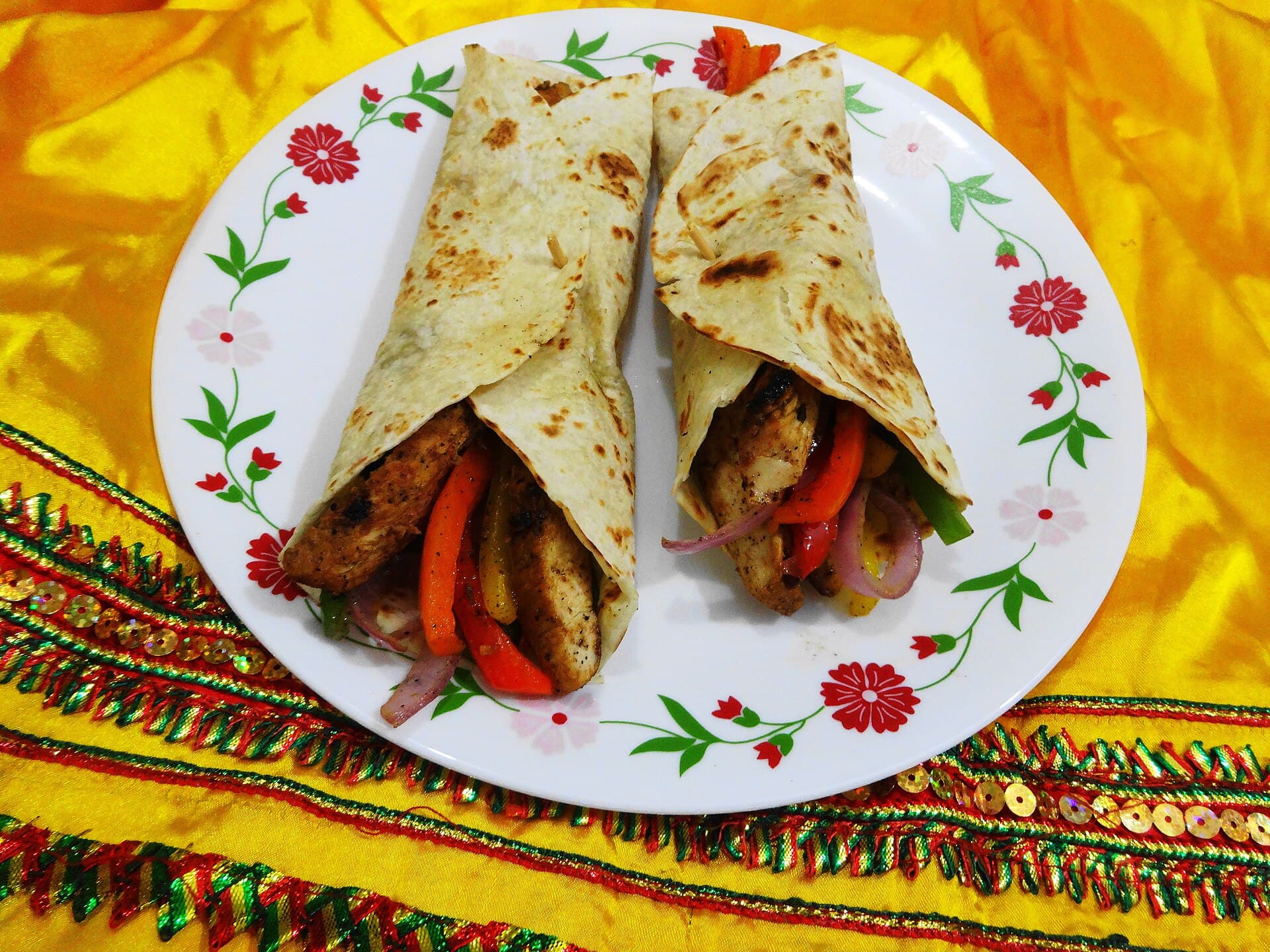
Reheat fajitas fast in a hot skillet with a splash of water or oil, tossing just until warmed through, so the already-cooked meat does not overcook and toughen. The microwave works in short bursts with a damp cover. Heat leftovers to 165 degrees Fahrenheit, and store cooked fajita meat and vegetables in the fridge for three to four days.
Fajita Sauce: The Creamy Drizzle and the Savory Pan Sauce
"Fajita sauce" means two different things: a cool, creamy drizzle you spoon over the finished plate, and a savory liquid that seasons the meat as it cooks or marinates. The creamy version is sour cream or crema loosened with lime, garlic, and a little of your fajita spice. The savory version leans on lime, oil, Worcestershire, garlic, and cumin. This guide gives you both, with ratios you can scale.
 BOSTON66 · CC BY-SA 4.0
Chicken Fajita Meal Prep
60 min · easy
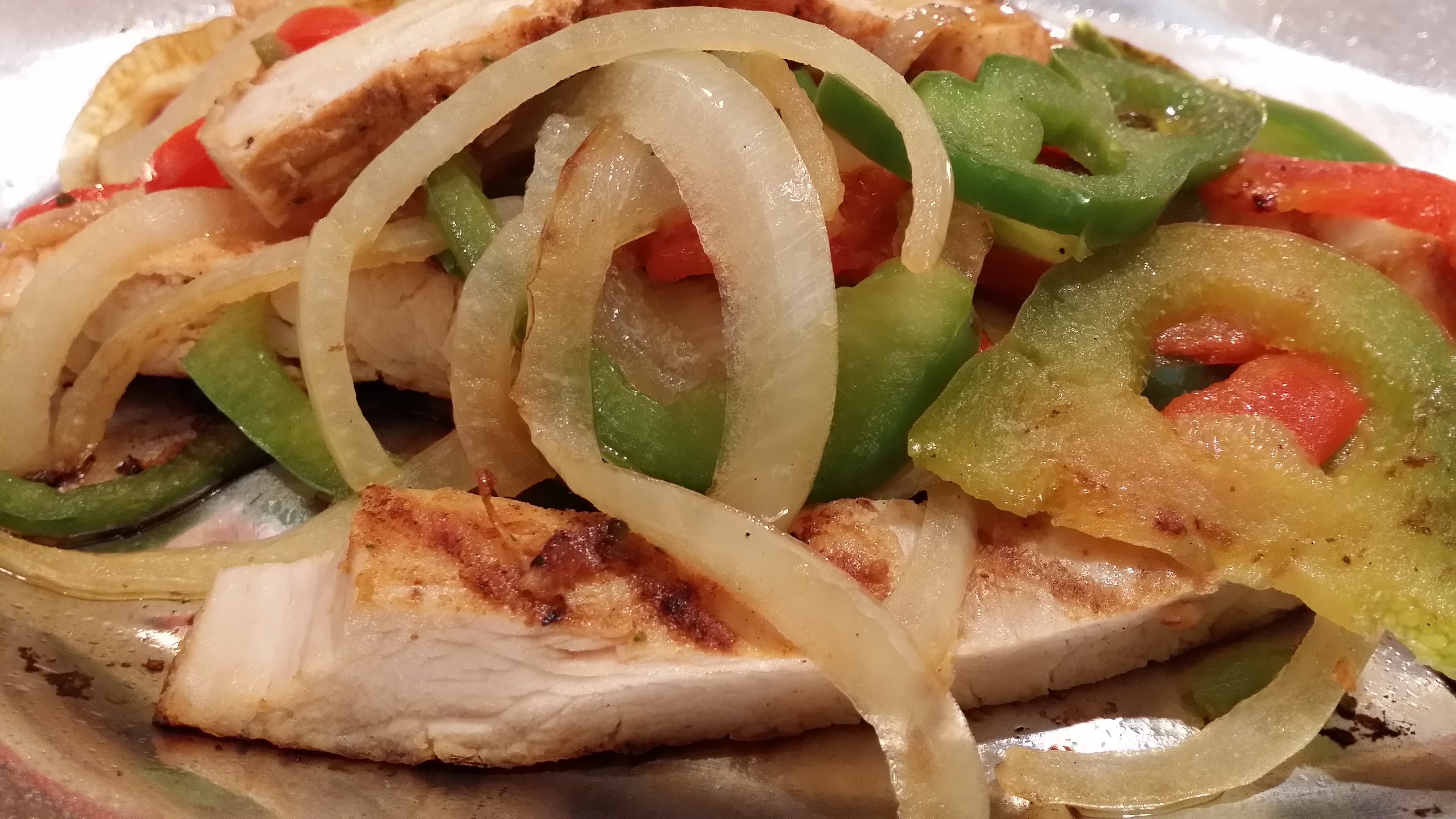
This chicken fajita meal prep scales a sheet-pan bake to fill four containers for the week, with the whole recipe organized around safe cooling and reheating rather than a single dinner moment. Roast seasoned chicken and vegetables on two pans so nothing steams, cool in shallow layers within two hours, then portion into four containers with rice on the side. Reheat to 165°F, and plan to eat the last container by day four.