Homemade Fajita Seasoning
Homemade fajita seasoning is a chili-powder base rounded out with cumin, smoked paprika, garlic and onion powder, oregano, salt, cayenne, and black pepper. Mixing your own skips the anti-caking fillers packets rely on and lets you dial the salt and heat yourself. One batch whisks together in five minutes and keeps its punch for about six months in an airtight jar.
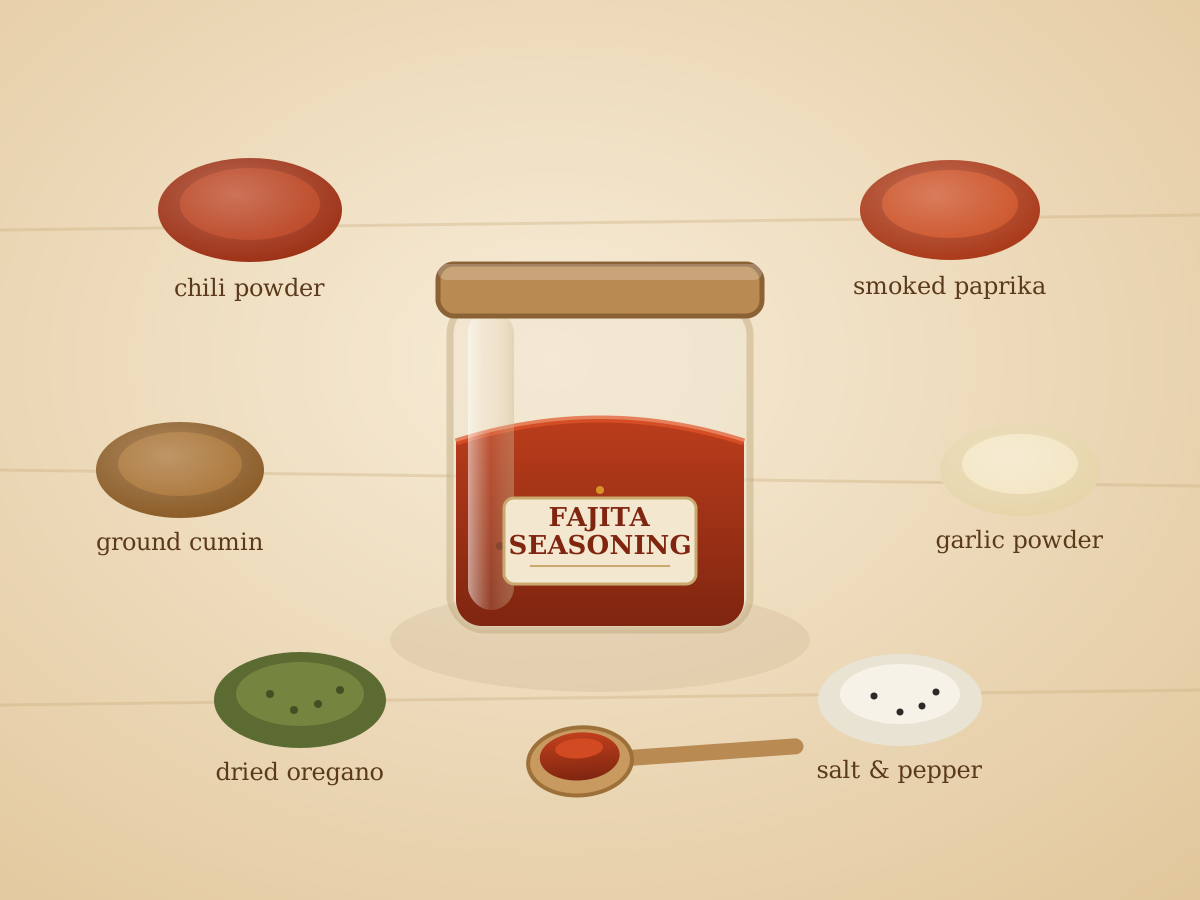
A five-minute pantry blend you can scale, tune for heat, and store for months — the seasoning behind our fajita recipes.
Ingredients
Showing ingredients for 1 serving in US customary units.
Spice blend
- 2 tbspChili powderShop
- 1 tbspGround cuminShop
- 1 tbspSmoked paprikaShop
- 2 tspGarlic powderShop
- 2 tspOnion powderShop
- 1 tspDried oregano, crushed between your fingersShop
- To tasteKosher saltStart with 1 tsp, or leave out and salt your protein separately for more control.Shop
- ½ tspCayenne pepper (optional)Adjust for heat; leave out for a mild blend.Shop
- 1 tspBlack pepper, freshly groundShop
Cook times are not scaled with servings — adjust pan size and cook in batches as needed. Salt and “to taste” items are intentionally left for your judgment.
🛒 links open an Amazon search for that ingredient. Some links may earn FajitaRecipe.com a commission if you buy through Amazon, at no extra cost to you.
Step by step
How to make it
Mix
Step 1. Add all the spices to a small bowl. Whisk until the color is uniform and no clumps of paprika or garlic powder remain.
~3 minStep 2. Taste a small pinch on the tip of a damp finger and adjust: more cayenne for heat, more cumin for earthiness, a little more salt if you left it low.
~2 min
Store
Step 3. Funnel the blend into a clean, dry airtight jar. Wipe any moisture from the rim so the powder does not cake.
Step 4. Label the jar with the date and keep it in a cool, dark cupboard for up to about six months.
Use
Step 5. Shake the jar before each use and count on roughly 2 tablespoons per 1.5 lb of protein.
🛒 Shop this recipe
Pantry & spices
Recommendations are chosen to help you cook better fajitas; some Amazon links may earn a commission at no extra cost to you.
Fix it
Fixing a blend that tastes off
A few quick diagnoses. Bland or dusty usually means the spices are old or never bloomed — mix a fresher batch or toast it in oil. Too salty comes from salting the blend and the protein both; leave salt out of the jar and salt the meat directly for control. Too spicy is almost always cayenne — cut it back and add more chili powder and cumin to rebalance. Bitter or acrid means the spices burned; ground spices scorch in under a minute over high heat, so add the seasoning to the protein rather than an empty screaming pan. Chalky texture means too much raw powder and not enough fat or moisture; bind it with a little oil or lime. And if the seasoning falls off in the pan, pat the protein dry, rub the spice in firmly, and give it a few minutes to adhere before it hits the heat.
The call: Match the fix to the fault: bloom for bland, less salt for salty, less cayenne for hot, lower heat for bitter, oil for chalky.
Substitutions
| Instead of | Use | Adjust | Expect | Avoid when |
|---|---|---|---|---|
| Chili powder | A homemade blend of ground ancho and guajillo chiles | Use the same total volume, roughly half ancho and half guajillo. | Deeper, fruitier, more complex chile flavor than pre-mixed supermarket chili powder. | Skip the from-scratch route when you are short on time and just need a reliable everyday jar. |
| Smoked paprika | Sweet paprika plus a small pinch of chipotle powder | Swap 1:1 for the paprika, then add a pinch of chipotle for smoke. | Less rounded smoke, with a touch more heat from the chipotle. | — |
The science
Why chili powder is the backbone, not cayenne
Fajita seasoning gets its color and body from chili powder, which is itself a blend of mild ground chiles plus cumin and oregano. That mild base is what lets you use a generous two tablespoons without setting anyone's mouth on fire. Cayenne is a separate, far hotter single-chile powder that you meter in by the half teaspoon. Understanding the split matters when you scale: double the chili powder freely for a bigger batch, but hold the cayenne closer to its original ratio so the heat does not race ahead of the flavor.
The call: Scale chili powder freely for flavor and body; increase cayenne cautiously so heat stays balanced.
The science
Which chiles: a quick taxonomy
The chile you reach for decides the character of the blend. Generic chili powder is a mild, pre-mixed base (ground chiles plus cumin and oregano) and is the reliable everyday choice. Ancho — dried poblano — is mild, dark, and raisin-sweet, great for body without heat. Guajillo is brighter and tangier with gentle heat, the workhorse of Mexican cooking. Chipotle is smoked jalapeño: moderate heat and deep smoke, a little goes a long way. Cayenne is straight heat with almost no flavor, so use it only to dial spice. Smoked paprika (pimentón) brings smoke and red color with negligible heat. A great from-scratch blend often runs mostly ancho and guajillo for flavor, with chipotle or cayenne added just for the heat you want.
The call: Use ancho/guajillo for flavor and body, chipotle or smoked paprika for smoke, and cayenne only for heat.
Technique
Tuning the blend for the protein and the method
The same base blend flatters everything, but small tweaks help. For steak, lean into cumin and black pepper and let it sit as a rub for 30+ minutes. For chicken breast, go a touch lighter on cayenne and add a little extra lime at the end so the leaner meat stays bright; thighs can take the full blend. For shrimp, use a lighter hand and season just before cooking, since salt and acid begin to firm the flesh quickly. For vegetables, tofu, and mushrooms, add a pinch more salt and smoked paprika because they have less of their own savor. Method matters too: on a screaming skillet, grill, or griddle the seasoning chars fast, so a dry rub shines; for sheet-pan, slow-cooker, or air-fryer fajitas the heat is gentler, so toss the blend with a little oil first so it coats and blooms instead of sitting dusty.
The call: Nudge cumin/heat/salt by protein, and use a dry rub for high-heat searing but an oiled toss for gentler methods.
Technique
Bloom the blend in oil for rounder flavor
Much of what you taste in cumin, paprika, and chili powder is carried by fat-soluble compounds that stay muted when the spices are dry. Warming a spoonful of the blend in a little hot oil for about thirty seconds before the protein hits the pan dissolves those compounds and knocks the raw, dusty edge off the mix. Keep it moving and pull it the moment it smells fragrant; ground spices are thin and scorch into bitterness within a minute over high heat.
The call: Bloom a spoonful in hot oil for about 30 seconds when you want deeper, toasted flavor.
Recommended gear
Disclosure: As an Amazon Associate, FajitaRecipe.com earns from qualifying purchases. Recommendations are chosen to help you cook better fajitas; some Amazon links may earn a commission at no extra cost to you. See our selection methodology.
For making seasoning
 Cuisinart
Model SG-10
Toasting whole cumin and grinding it fresh gives a homemade seasoning noticeably more aroma than pre-ground jars that have sat for months.
Best for: Grinding whole cumin and dried chiles for a fresher blend.
Homemade blend keeps its potency about six months in an airtight jar away from light and stove heat — worth it if you mix a big batch.
Best for: Storing homemade fajita seasoning so it keeps its punch.
Scaling: how much to make for any batch
The base recipe is roughly 2 tbsp chili powder to 1 tbsp cumin to 1 tbsp smoked paprika, with the garlic, onion, oregano, salt, and pepper filling in around them — hold that spine and everything scales. As a working rule, about 2 tablespoons of finished blend seasons 1.5 lb of protein. So one pound of meat wants a scant 1.5 tablespoons; two pounds wants about 3 tablespoons; four pounds wants about 6 tablespoons (a bit over 1/3 cup). For a make-ahead jar, multiply the whole recipe by four to five and store it — a five-times batch yields roughly 2.5 cups, enough for many fajita nights. If you want to change the ratios themselves — more heat, less salt, smokier — the Fajita Seasoning Builder at /tools/fajita-seasoning-builder lets you set the balance and gives you exact amounts to mix.
The call: Count on ~2 tbsp of blend per 1.5 lb of protein and multiply the whole recipe for a make-ahead jar.
Serving & storage
Keeping the jar potent
Ground spices fade by losing volatile aromatics, and the three enemies are heat, light, and moisture. Store the jar in a cupboard away from the stove rather than on a sunny counter or a rack above the range, where cooking steam and warmth dull it fast. Always dip a dry spoon in; a damp one introduces moisture that cakes the powder and shortens its life. Label the jar with the date, and when the lid comes off and the smell is faint, the blend has given what it has and it is time to mix fresh — usually around six months.
The call: Store cool, dark, and dry with a dry spoon, and replace the blend once the aroma goes flat around six months.
Frequently asked questions
+Is fajita seasoning the same as taco seasoning?
They overlap heavily, but fajita seasoning leans less on chili heat and more on cumin, with lime and charred vegetables doing much of the flavor work in the finished dish. Taco blends tend to run spicier and are sometimes cut with flour or cornstarch to thicken a saucy filling, which you do not want for a dry, seared fajita.
+How much seasoning should I use per pound of meat?
About 2 tablespoons per 1.5 lb of protein is a solid starting point. Use it as a dry rub, or stir it into a little oil and lime for a quick marinade. Adjust up or down once you learn how salty and spicy you like your own batch.
+Can I make this without any salt?
Yes. Leave the salt out entirely and the blend still works as a flavor base; just salt the protein directly at cooking time so you control the total. If you specifically want a salt-free everyday jar, our low-sodium fajita seasoning is built around that from the start.
+How much homemade seasoning replaces a store-bought packet?
A standard 1 to 1.25 oz fajita seasoning packet is about 2 to 2.5 tablespoons of blend, enough for roughly 1 to 1.5 lb of protein. So 2 tablespoons of this homemade mix stands in for one packet. The difference: packets often add cornstarch or maltodextrin to thicken and anti-caking agents to flow, plus more salt — homemade skips all of that and lets you set the salt and heat yourself.
+What chiles are in fajita seasoning?
The base is chili powder, itself a mild blend of ground chiles with cumin and oregano, rounded out with smoked paprika for color and smoke and a little cayenne for heat. For a deeper from-scratch version, grind your own ancho and guajillo chiles for the body and add chipotle or cayenne only for the heat level you want.
+Can I use fajita seasoning as a marinade?
Yes. Stir about 2 tablespoons of the blend into a few tablespoons of oil and the juice of a lime to make a quick wet marinade for 1.5 lb of protein. Give steak or chicken 30 minutes to a few hours; keep shrimp and vegetables to 15 to 30 minutes so the acid does not start to break them down. See our fajita marinade guide for full ratios and timing.
Testing, sources & disclosure
Researched and reviewed by our editors. See our recommendation methodology.
- Author:
- FajitaRecipe Editorial
- Last reviewed:
- 2026-07-13
As an Amazon Associate, FajitaRecipe.com earns from qualifying purchases. We do not provide medical or dietary advice; follow USDA guidance for food safety.
Keep cooking
You might also like
Steak Fajita Seasoning
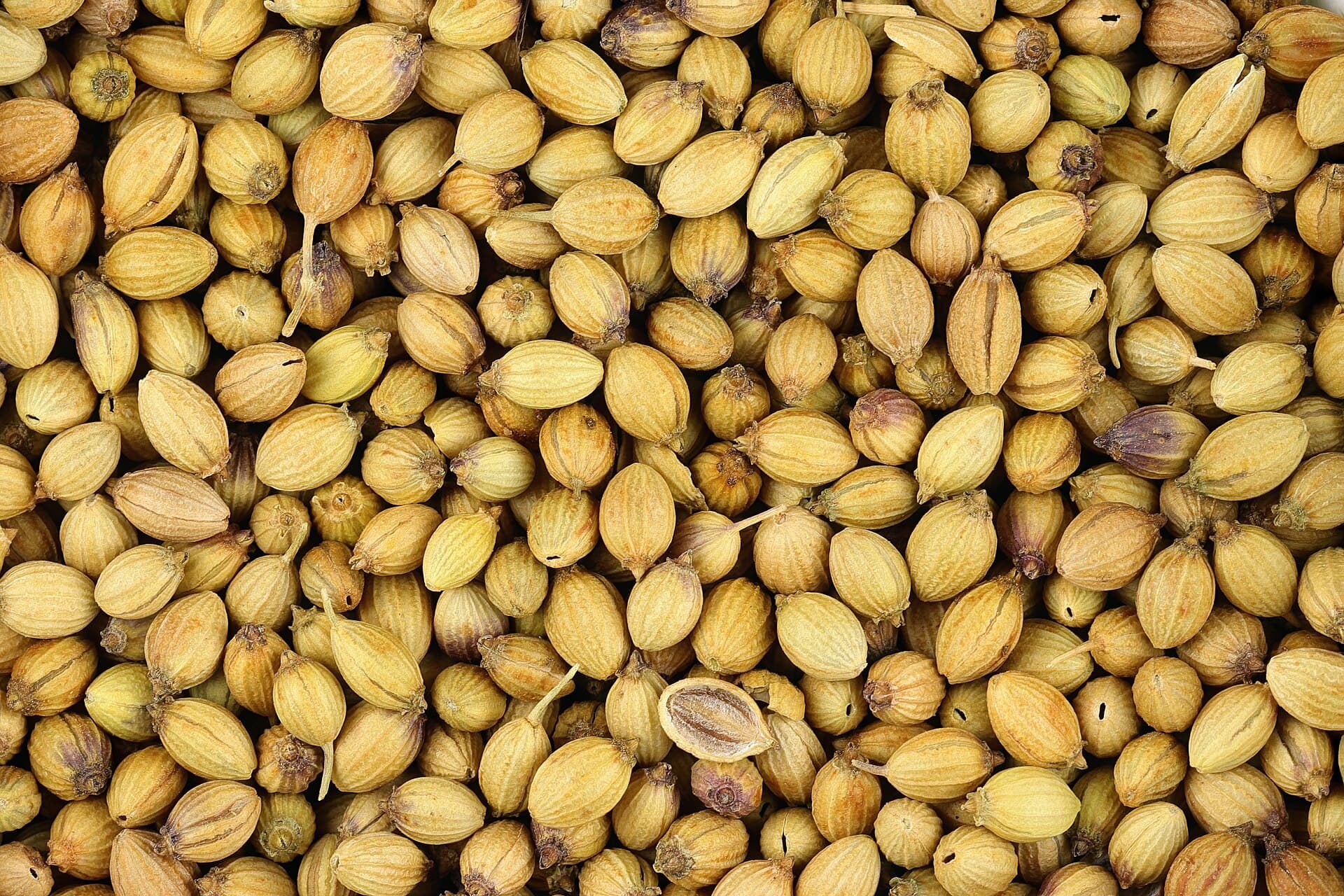
Steak fajita seasoning is a beefier take on the all-purpose blend: more cumin, ancho and chipotle for deep smoky chile, and a little brown sugar that helps the surface caramelize into a dark crust on skirt or flank. Coarser salt seasons a thick cut better than fine table salt. Mix it in five minutes and rub it on right before a hard, hot sear.
 Sanjay Acharya · CC BY-SA 4.0
Low-Sodium Fajita Seasoning
A low-sodium fajita seasoning skips the salt inside the jar and builds flavor other ways: extra cumin for earthiness, dried citrus zest for brightness, smoked paprika for depth, and an optional pinch of MSG, which carries savor at a fraction of the sodium of salt. Salt at the table instead so you decide the amount. It mixes in five minutes and tastes full, not flat.
Fajita Marinade
A master fajita marinade is lime juice for brightness, oil to carry flavor and prevent sticking, garlic and fajita seasoning for depth, and a splash of soy or Worcestershire for savory backbone. Timing is everything: 15 to 30 minutes for shrimp or thin cuts, up to a few hours for chicken and steak. The acid mostly works the surface, so longer is not better — too long turns the exterior mushy.
Homemade vs Packet Fajita Seasoning: Is It Worth Making Your Own?
Homemade fajita seasoning is fresher, cheaper by the ounce, salt-controlled, and free of anti-caking agents and fillers — and it takes two minutes from spices you already own. Packet seasoning wins only on convenience and shelf life. If you cook fajitas more than occasionally, mixing your own from cumin, chili powder, smoked paprika, garlic, and oregano is a clear upgrade in flavor and cost.