Culture & history
The Rio Grande Valley: Where Ranch and Border Cooking Meet
The Rio Grande Valley of deep South Texas is a distinct foodways region shaped by cattle ranching, irrigation agriculture, and a border that runs through the middle of a shared culinary tradition rather than dividing two separate ones.
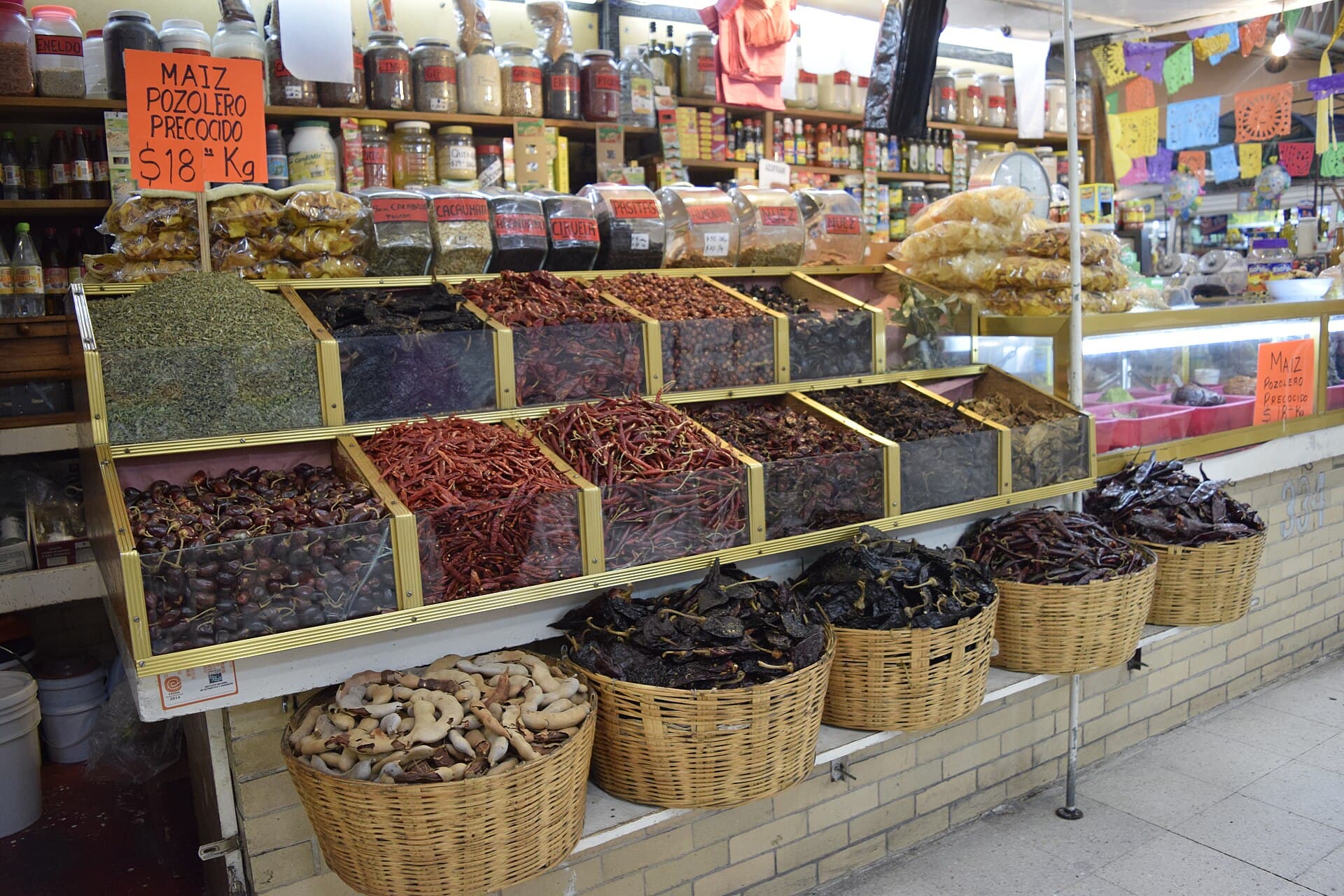 Estef93 · CC BY-SA 4.0
A region defined by a river, not a wall
The Rio Grande Valley — the four counties of Cameron, Hidalgo, Willacy, and Starr at the southern tip of Texas — has historically functioned as one cultural and economic region straddling both banks of the river, not two separate food cultures meeting at a boundary. Families, ranching operations, and trade networks moved across the river for generations, and regional historians note that the international border, formalized in 1848, was drawn through a region that already had its own established Tejano and Mexican ranching communities.
That continuity matters for food history: dishes associated with the Valley, including fajita-style grilled beef, developed as part of a single ranching and agricultural economy rather than being "introduced" from one side to the other.
Cattle, citrus, and the Valley table
From the eighteenth century onward, Spanish and later Mexican land grants established large cattle ranches across South Texas, including the Valley, laying the groundwork for a beef-centered ranch cuisine. In the early twentieth century, irrigation projects transformed parts of the Valley into major citrus and vegetable farmland, adding produce to a table that had long centered on beef, corn, and later wheat flour.
This combination — ranch beef traditions alongside irrigated agriculture — shaped a regional cuisine distinct even from other parts of Texas: barbacoa cooked in underground pits, carne guisada, migas, and the grilled skirt steak that would become fajitas all draw on the same set of Valley ingredients and cooking methods.
The Valley's food came from a single ranching economy that a border later ran through.
Ranch labor and the fajita connection
The Valley is one of the regions most closely associated with both the informal, pre-restaurant history of fajitas and its restaurant-era presentation. Regional food writers researching the dish's origins point to South Texas ranch communities, including those in and around the Valley, as places where cattle-company workers grilled skirt steak as part of their household cooking well before the dish had a name recognized outside the region.
One of the clearer documented milestones in fajita restaurant history comes directly from the Valley: in 1977, McAllen restaurateur Otilia Garza introduced a sizzling cast-iron presentation of fajitas at her restaurant, Tila's, reportedly inspired by melted-cheese dishes served on hot metal plates she had seen in Acapulco. That presentation is still credited by Texas food writers as a major influence on the fajita platter format that later spread nationally, even though it, like much of fajita history, sits alongside other competing regional claims rather than standing as an uncontested "first."
A living, evolving foodway
Today, the Valley remains a place where Tex-Mex and northern Mexican cooking styles sit side by side, often within the same family or the same meal. Cross-border shopping trips, shared holidays, and family ties on both sides of the river continue to move ingredients and techniques back and forth, which is part of why so many Valley dishes resist being cleanly categorized as belonging to one country's cuisine or the other.
Sources & further reading
- Rio Grande Valley — Texas State Historical Association, Handbook of Texas. Regional economic and cultural history of the Valley's ranching, irrigation, and agricultural development.
- Low Steaks — Texas Monthly. Discusses McAllen restaurateur Otilia Garza's role at Valley restaurant Tila's in popularizing the sizzling fajita platter in 1977.
- Tex-Mex, Cal-Mex, New Mex, or Whose Mex? Notes on the Historical Geography of Southwestern Cuisine — Journal of the Southwest, University of Arizona. Academic geography of Texas and northeastern Mexico foodways, including beef- and wheat-centered ranch cuisine.