How to Slice Fajita Meat Against the Grain
Slice fajita meat thin and across the grain after it rests. Look at the surface to find the direction the muscle fibers run, then cut straight across them at a slight angle into quarter-inch strips. Cutting against the grain shortens the fibers so each bite is tender. Always slice cooked, rested meat, not raw, and hold your knife low for wide, even pieces.
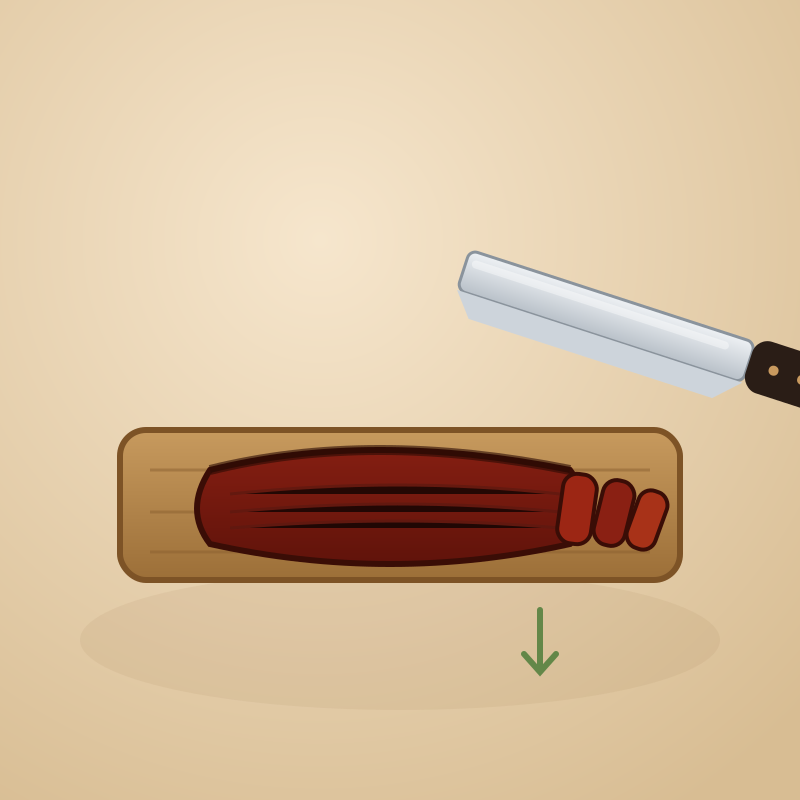
Why against-the-grain slicing makes fajita meat tender, plus knife angle and timing for steak and chicken.
Fix it
Slice after cooking, not before
Slice fajita meat after it cooks and rests, not raw. Cutting raw steak into strips before it hits the pan leaves you with too much surface area, so the meat overcooks and grays instead of searing, and the strips curl and dry out. Cook the whole cut, let it rest three to five minutes so the juices redistribute, then slice. Resting matters: cut too soon and the juice runs onto the board instead of staying in the meat, leaving the strips drier no matter how well you sliced them.
The call: Cook the whole cut, rest it three to five minutes, then slice so it stays juicy and seared.
The science
What against the grain actually means
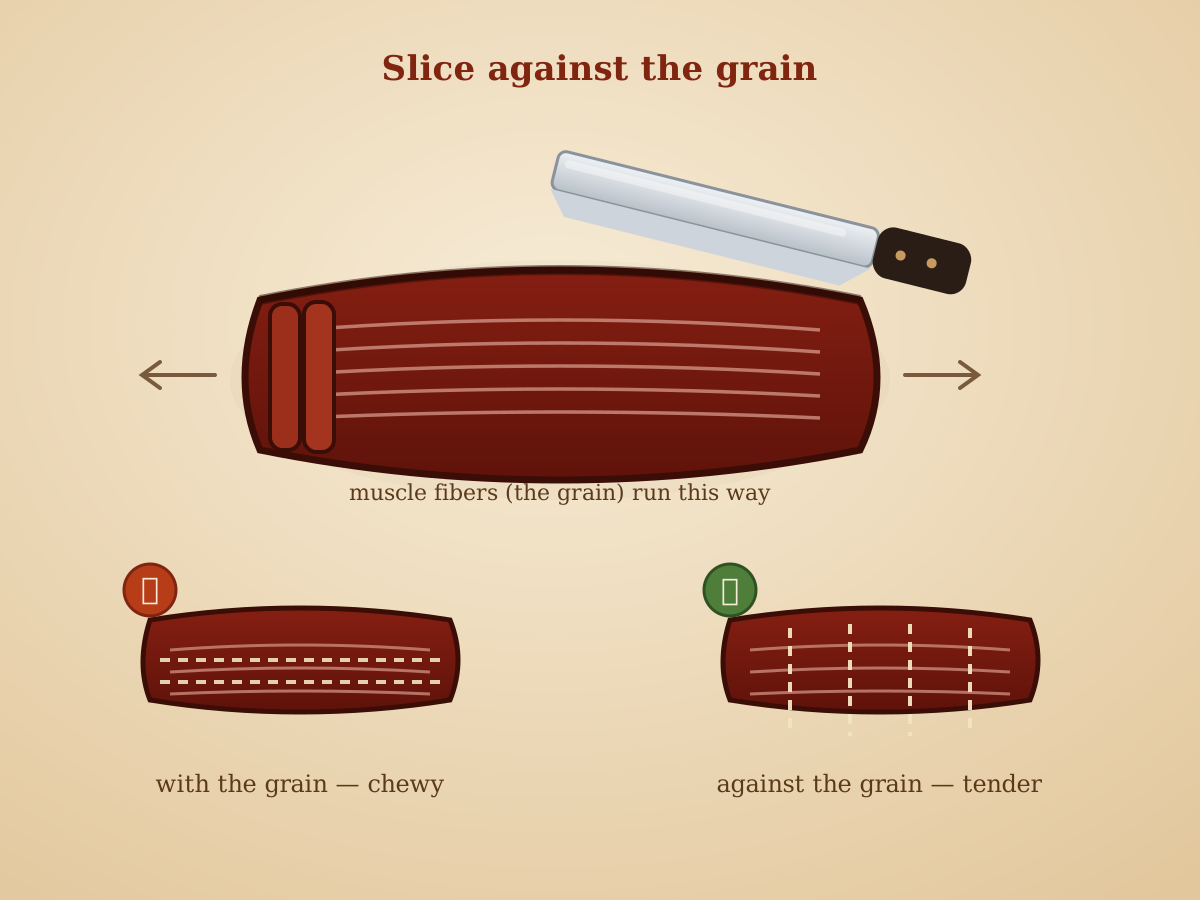
Muscle is made of long, parallel fibers bundled together, and you can see them as thin lines running across the surface of a cut like skirt or flank. Those bundles are what your teeth have to break through. When you slice parallel to the fibers, every strip is a long rope of intact muscle that eats stringy and tough. When you slice perpendicular to them, you cut the fibers into short segments, so the meat gives way with almost no effort. That single cut direction does more for tenderness than any marinade.
The call: Identify the fiber direction first, then cut straight across it so each strip is short-fibered.
Technique
Knife angle and strip thickness
Use a long, sharp knife and draw it through the meat in smooth strokes rather than sawing, which shreds the edges. Aim for strips about a quarter inch thick; thinner feels wispy, thicker starts to chew. For a wider, more tender-looking slice, hold the blade at a shallow angle to the board and cut on the bias so each piece exposes more cross-section. On a long cut like skirt, work in sections and reorient the meat as the grain direction shifts, because it rarely runs perfectly straight end to end.
The call: Cut quarter-inch strips on a shallow bias with a sharp knife for wide, tender pieces.
Technique
Slicing chicken versus steak
Steak like skirt and flank has an obvious, coarse grain, so finding the direction is easy once you look. Chicken breast has a finer, less visible grain that usually runs the length of the fillet, so slice crosswise into short strips and it stays tender and juicy. Chicken thigh is more forgiving because its fibers are shorter and looser, but thin slices still help it fold into a tortilla. With chicken you are also chasing even pieces for food safety, so aim for uniform thickness rather than dramatic bias cuts.
The call: For chicken breast, slice crosswise into even short strips; for thigh, thin slices are enough.
Recommended gear
Disclosure: As an Amazon Associate, FajitaRecipe.com earns from qualifying purchases. Recommendations are chosen to help you cook better fajitas; some Amazon links may earn a commission at no extra cost to you. See our selection methodology.
For slicing steak
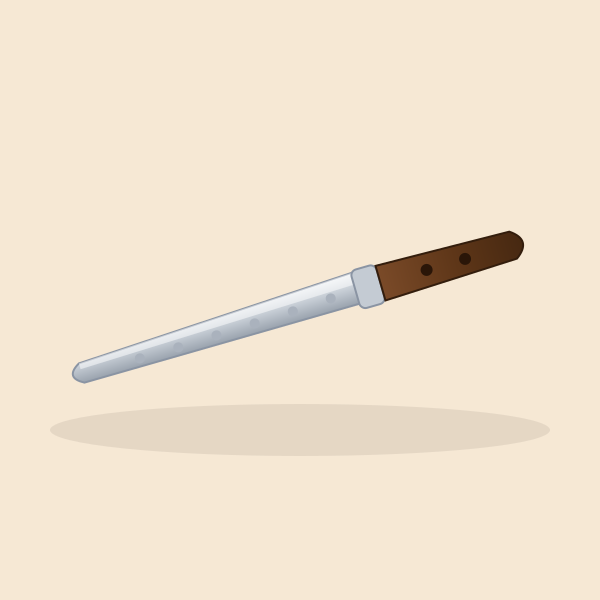 Victorinox
Model 5.4233.30 (Fibrox 12" Granton)
Thin, even slices across the grain are what make skirt and flank tender. A long granton slicer does it in one clean stroke instead of sawing.
Best for: Clean, thin, against-the-grain slices on skirt and flank steak.
John BoosModel RA03 (24 x 18 in)
A roomy board with a juice groove lets steak rest and be sliced in one place; pour the caught juices back over the strips before serving.
Best for: Resting and slicing steak with room to spare.
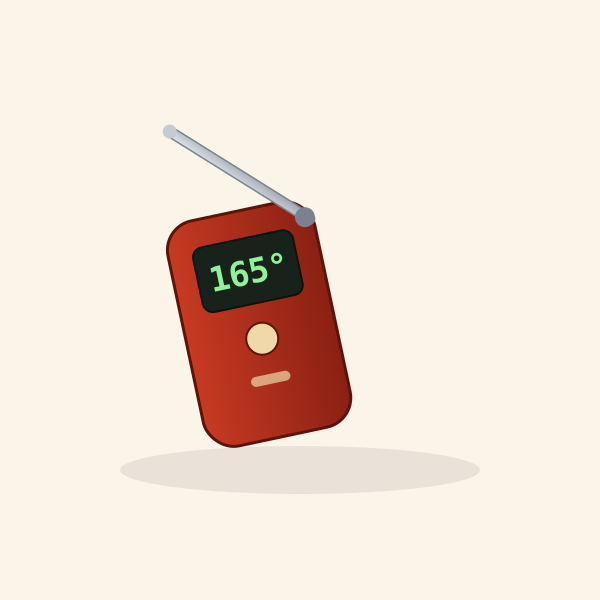 ThermoWorks
Model ThermoPop 2
You do not need a premium thermometer to cook safe chicken. The ThermoPop 2 is accurate and a few seconds slower — a great-value pick from the same maker.
Best for: A reliable read without the premium price.
For peppers & onions
VictorinoxModel 5.2063.20 (Fibrox Pro 8")
A sharp 8-inch chef’s knife handles the pepper and onion prep fajitas live on. The Fibrox handle grips even when your hands are wet from vegetables.
Best for: Slicing peppers and onions and general prep.
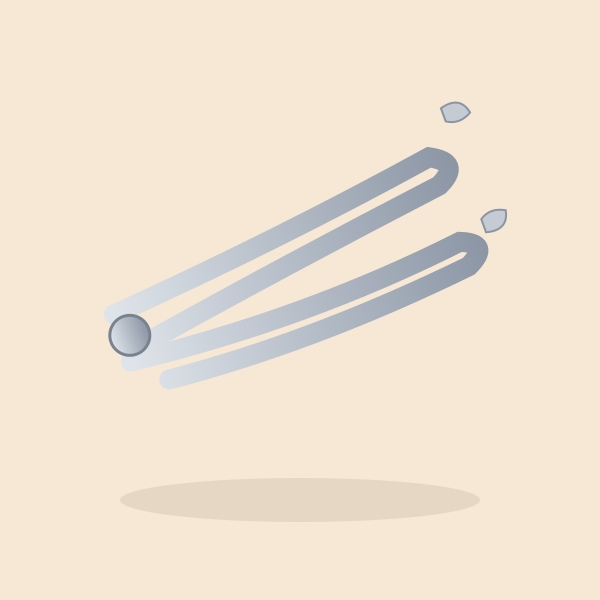 OXO
OXOModel Good Grips 12" Locking Tongs
Twelve-inch tongs keep your hand out of the smoke while you toss peppers and flip strips in a ripping-hot pan.
Best for: Tossing peppers and turning strips over high heat.
Visual guide
See the technique
Frequently asked questions
+Should I slice fajita steak before or after cooking?
After. Sear the whole cut so it browns instead of steaming, let it rest three to five minutes, then slice thin against the grain. Slicing raw creates too much surface area, which overcooks the meat and dries out the strips.
+How do I find the grain on skirt steak?
Look at the surface for thin parallel lines running in one direction; those are the muscle fibers. On skirt they are coarse and easy to spot. Turn your knife so it cuts straight across those lines rather than following them.
+How thick should fajita strips be?
About a quarter inch. That is thin enough to stay tender and fold into a tortilla, but thick enough to hold a good sear and not fall apart. Cut on a slight bias if you want wider, more tender-looking pieces.
Testing, sources & disclosure
Researched and reviewed by our editors. See our recommendation methodology.
- Author:
- FajitaRecipe Editorial
- Last reviewed:
- 2026-07-05
As an Amazon Associate, FajitaRecipe.com earns from qualifying purchases. We do not provide medical or dietary advice; follow USDA guidance for food safety.
Keep cooking
You might also like
Best Steak for Fajitas: Skirt vs. Flank vs. Sirloin
Skirt steak is the best cut for fajitas: it is loosely grained, well marbled, and drinks up marinade, giving that classic beefy chew when sliced across the grain. Flank steak is the leaner, easier-to-find backup, and top sirloin or flap meat work when you want a budget cut. Whatever you buy, slice it thin against the grain.
Why Is My Fajita Steak Tough?
Tough fajita steak usually traces to four fixable mistakes: the wrong cut, slicing with the grain instead of across it, overcooking, and skipping the rest. Skirt and flank are flavorful but coarse-grained, so they must be cooked no further than medium-rare and sliced thin against the grain. Do that, rest the meat a few minutes, and go easy on acidic marinades, and the same steak turns tender.
 Pexels contributor · Pexels License
Skirt Steak Fajitas
37 min · moderate
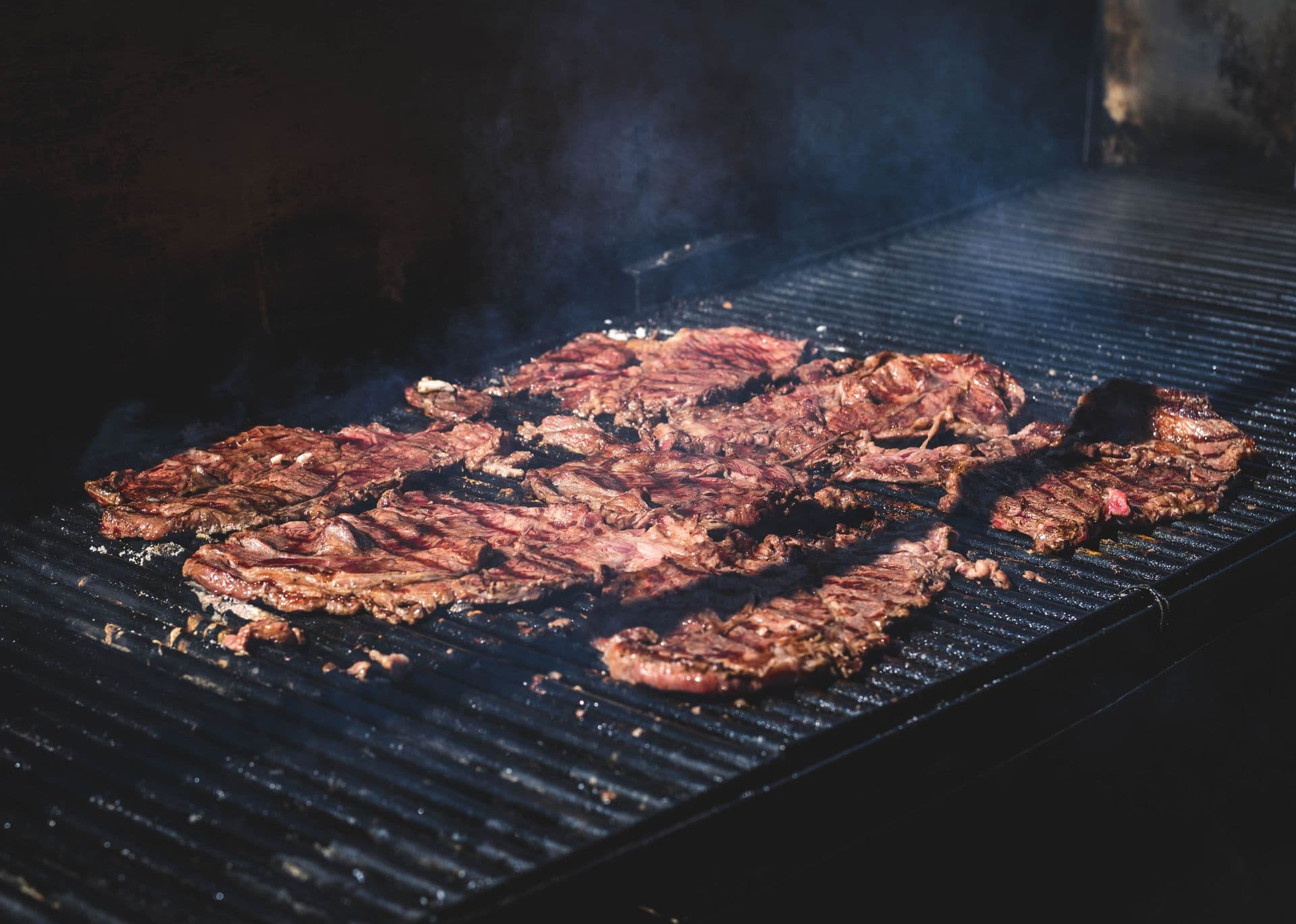
Skirt steak is the original fajita cut: a thin, loose-grained muscle with generous marbling that sears in about three minutes and drinks up a lime marinade. Get your cast iron ripping hot, cook the steak fast to medium-rare, rest it, then slice it thin straight across the grain. Char peppers and onions in the beefy drippings and serve in warm tortillas.
How to Cook Fajitas: A Beginner-Friendly Walkthrough
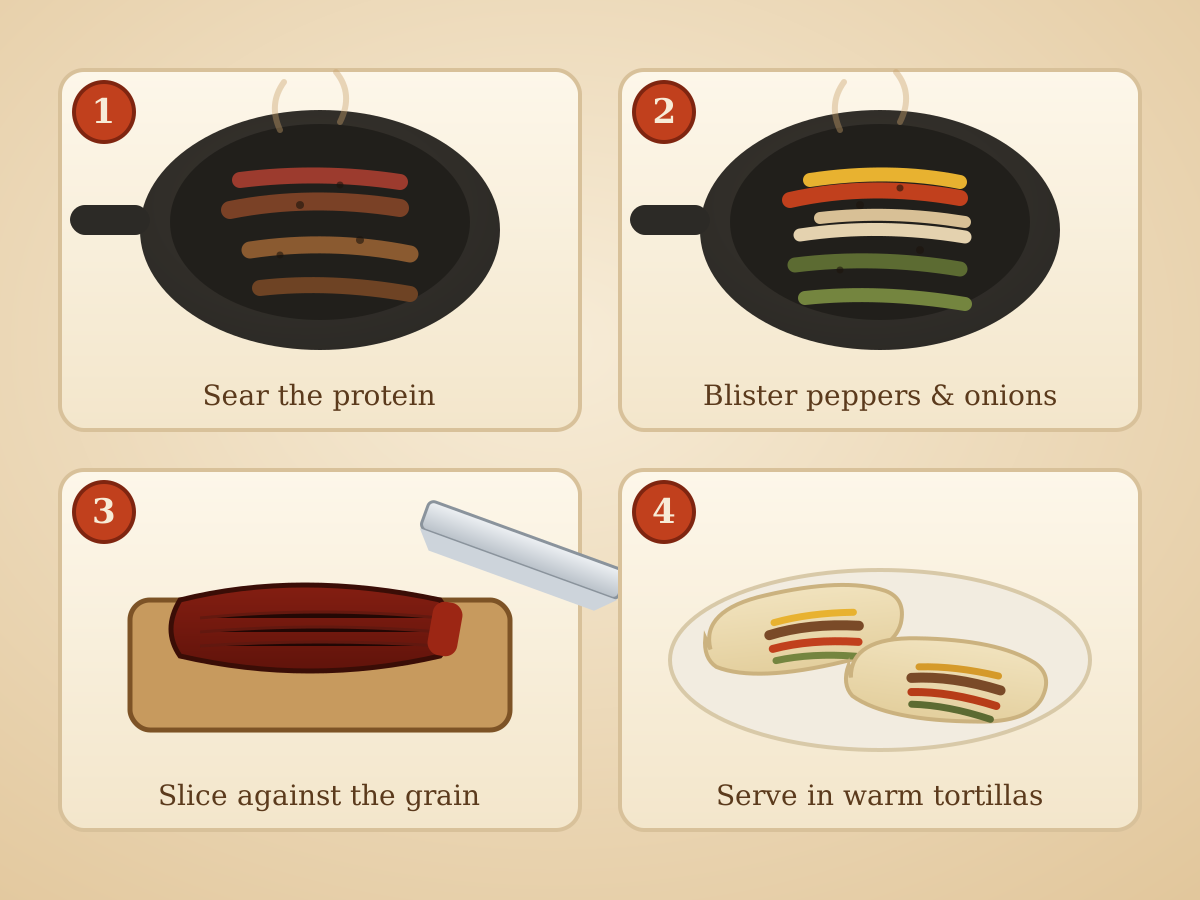
Cooking fajitas comes down to five steps: season or marinate a thin-sliced protein, get a heavy pan ripping hot, sear the meat hard and fast, char the peppers and onions separately, then slice against the grain and serve in warm tortillas. The whole thing takes about 20 minutes of cooking once your prep is done. High heat and not crowding the pan are what separate real fajitas from a soft, gray stir-fry.