How to Get Restaurant-Style Fajita Char
That deep, blistered char on restaurant fajitas comes from screaming-hot metal and patience. Sizzling platters ride on cast iron or a flat-top held far hotter than a home burner usually reaches. Get there by preheating hard, drying the food, cooking in batches so the surface stays hot, using a high-smoke-point oil, and leaving each piece alone long enough to brown before you move it.

How restaurants get that blistered, smoky char on fajitas — and how to reproduce it at home.
Fix it
Don't crowd, don't move it too soon, finish hot
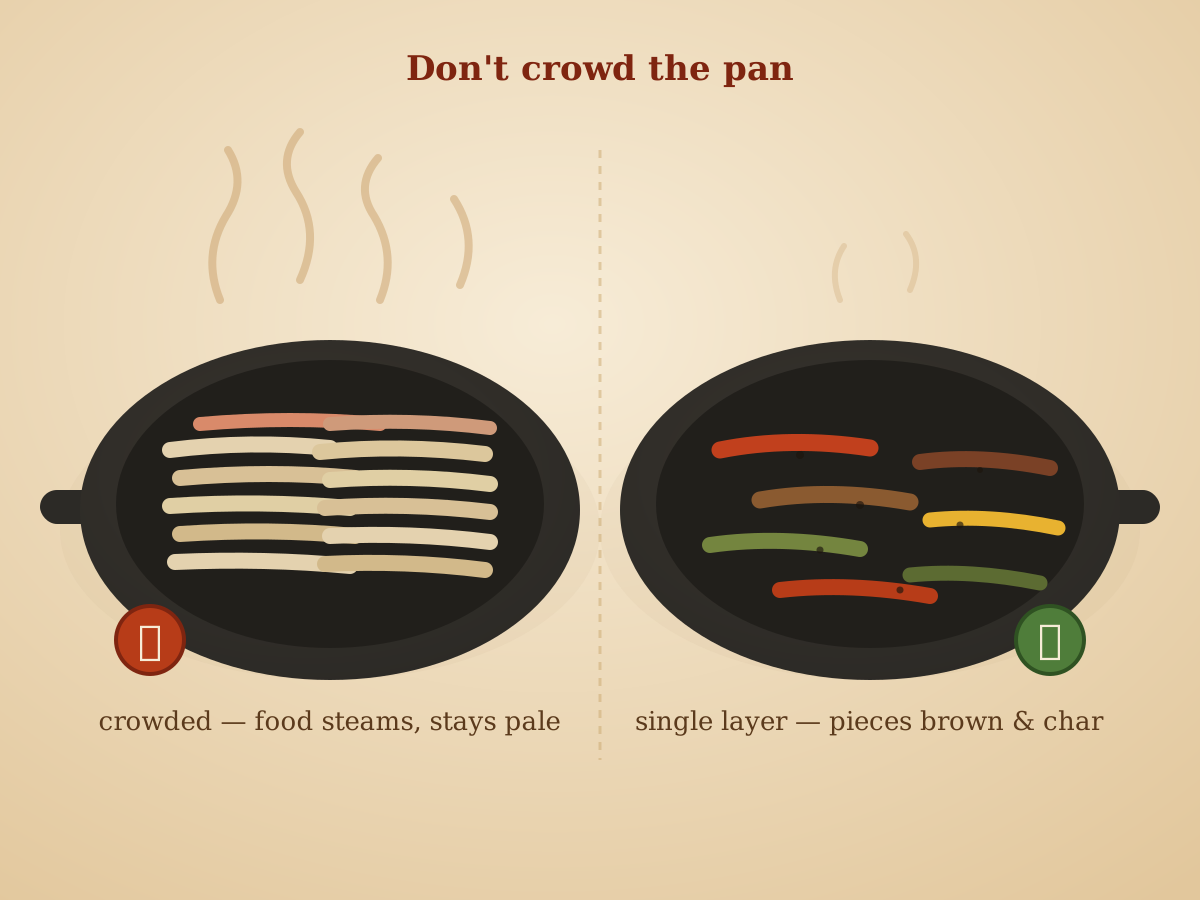
Two instincts sabotage char. The first is crowding: too much food drops the pan temperature and releases steam, so you braise instead of blister. Cook in batches and keep each in a loose single layer. The second is fidgeting. A piece of steak or a pepper needs uninterrupted contact to brown; if you stir constantly, no side stays put long enough to color. Lay the food down, leave it one to two minutes until it releases cleanly from the metal, then turn once. Bring everything back together only at the very end, over full heat, for a final sizzle.
The call: Cook in batches, leave each piece undisturbed until it releases, and combine only at the end.
Substitutions
| Instead of | Use | Adjust | Expect | Avoid when |
|---|---|---|---|---|
| Extra-virgin olive oil or butter | Refined avocado, grapeseed, or light canola oil | — | Handles high heat without smoking bitter, so you can push the pan hot enough to char. | Not recommended to use butter alone at char temperatures; if you want its flavor, add it at the very end off high heat. |
The science
Char is Maillard browning at high heat
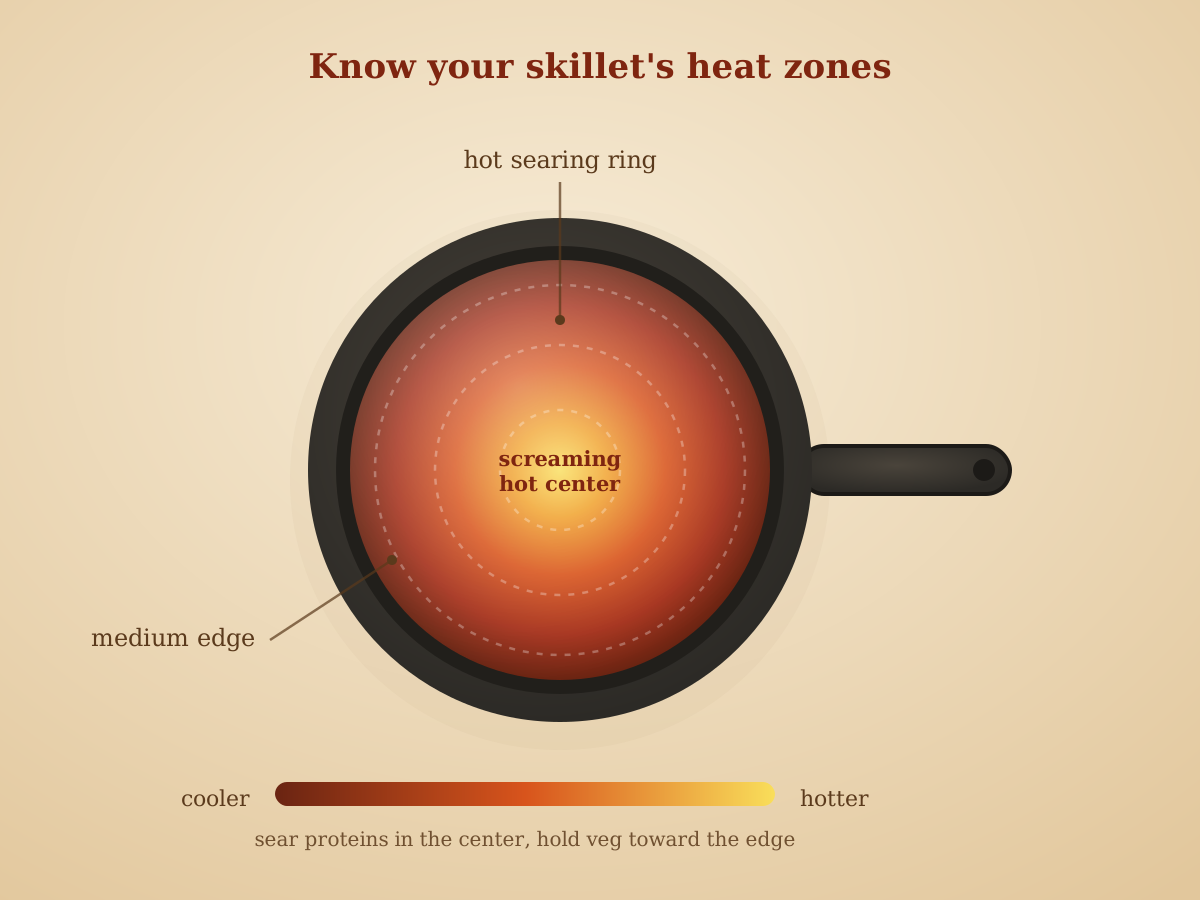
The flavor and color of a good char are the Maillard reaction — amino acids and sugars reacting on a dry, hot surface — plus a little direct caramelization on the pepper and onion edges. These reactions accelerate sharply above roughly 300°F and really sing closer to 400 to 450°F. Restaurants hold cast iron or a steel flat-top in that range, well above what a home burner delivers under a lightweight pan. The takeaway: char is a heat problem first. Give the pan enough thermal mass and enough preheat time and the browning happens fast, before the interior overcooks.
The call: Use a heavy pan and preheat it hard so the surface sits in the 400°F range when food lands.
Technique
Preheat hard, dry the surface, use the right oil
Set a cast-iron skillet or carbon-steel pan over your highest heat for several minutes until a drop of water skitters and evaporates instantly, or the pan just begins to smoke. Pat the protein and vegetables dry, because surface water must boil off before browning can start and it steals energy from the pan. Then choose an oil that can take the heat: refined avocado, grapeseed, or light canola all have smoke points well above 400°F, unlike extra-virgin olive oil or butter, which scorch and turn acrid. A thin film is all you need — too much oil pools and fries rather than sears.
The call: Preheat until nearly smoking, pat food dry, and use a high-smoke-point oil in a thin film.
The science
Why wet or crowded food never browns
Water is the enemy of browning for a simple physical reason: as long as liquid water sits on the surface of the food, that surface cannot climb past about 212°F, the boiling point. The Maillard reaction barely moves there — it needs the surface up in the 300 to 450°F band. So every drop of moisture on the meat, and every bit of steam trapped under crowded food, pins the surface at the boiling point and spends pan energy turning water to vapor instead of building crust. This is why patting proteins dry, and salting ahead of time, both help: a dry surface races past the boiling ceiling in seconds, while a wet one stalls until the water is gone. It also explains the difference between searing and steaming. Food packed edge to edge traps the vapor it releases, wrapping every piece in a humid cloud that holds it near 212°F; the same food in a loose single layer lets that steam escape and the surface leaps to browning heat. Marinades behave the same way — wet marinade must cook off before char begins, so shake or wipe off the excess before the food touches metal. Treat drying and spacing not as tidiness but as removing the one thing physically capping your surface temperature.
The call: Dry and space the food so its surface can climb past the 212°F boiling ceiling into browning range.
Technique
The heavy pan and long preheat restaurants rely on
Restaurant char is partly a hardware advantage you can narrow at home. A commercial kitchen sears fajitas on a thick steel flat-top or a well-seasoned cast-iron griddle over a burner that pours out far more BTUs than a home range, and it stays on all through service. That combination of mass and sustained energy means the surface barely dips when cold food lands, so browning never stalls. A thin home skillet, by contrast, dumps its heat into the first batch and takes a minute or more to recover. You cannot buy a flat-top, but you can borrow the principle. Reach for the heaviest pan you own — a thick cast-iron or carbon-steel skillet — and give it a genuinely long preheat, four to five minutes on high rather than one, so the whole slab of metal is hot, not just the cooking face. Preheat the empty pan before any oil goes in. If you own two heavy pans, run both so a hot surface is always waiting while one recovers. And keep the burner cranked the entire time; resist turning it down when the pan smokes, because that reserve of heat is exactly what lets the next batch char instead of steam.
The call: Match the restaurant edge with the heaviest pan you own and a long, full-power preheat.
Recommended gear
Disclosure: As an Amazon Associate, FajitaRecipe.com earns from qualifying purchases. Recommendations are chosen to help you cook better fajitas; some Amazon links may earn a commission at no extra cost to you. See our selection methodology.
For cast-iron fajitas
 Lodge
LodgeModel L10SK3
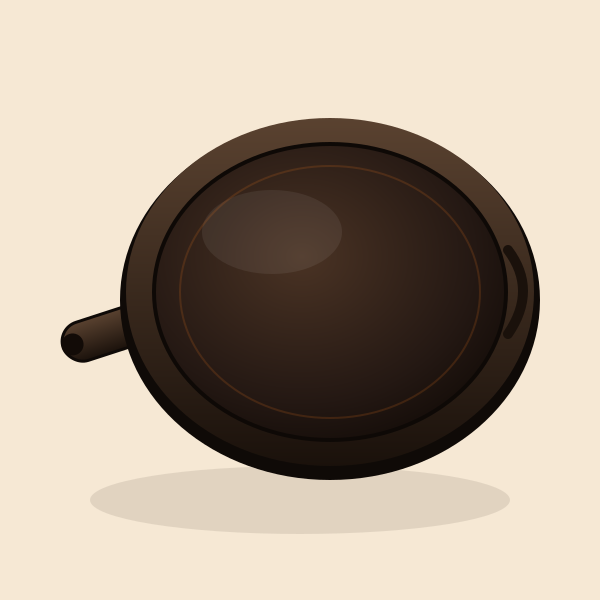
A heavy 12-inch Lodge gives two servings of steak enough hot surface to brown without crowding. It is still too small for a six-person batch, which should be seared in rounds.
Best for: Everyday 2–4 serving skillet fajitas with a hard sear.
 Lodge
LodgeModel ASHH11
A cast-iron handle reaches the same temperature as the pan. A slip-on holder is the difference between confidently moving the skillet and dropping it.
Best for: Anyone using a blazing-hot cast-iron or carbon-steel handle.
 ThermoWorks
Model Thermapen ONE
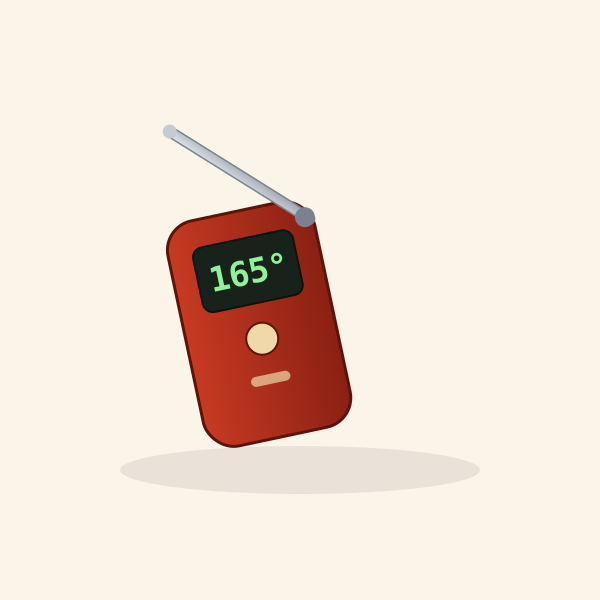
Thin fajita chicken and steak swing past target in seconds. A one-second read lets you pull chicken at 165°F and steak at your chosen doneness before carryover overshoots.
Best for: A one-second, dependable read on thin proteins.
OXOModel Good Grips 12" Locking Tongs
Twelve-inch tongs keep your hand out of the smoke while you toss peppers and flip strips in a ripping-hot pan.
Best for: Tossing peppers and turning strips over high heat.
For slicing steak
 Victorinox
Model 5.4233.30 (Fibrox 12" Granton)
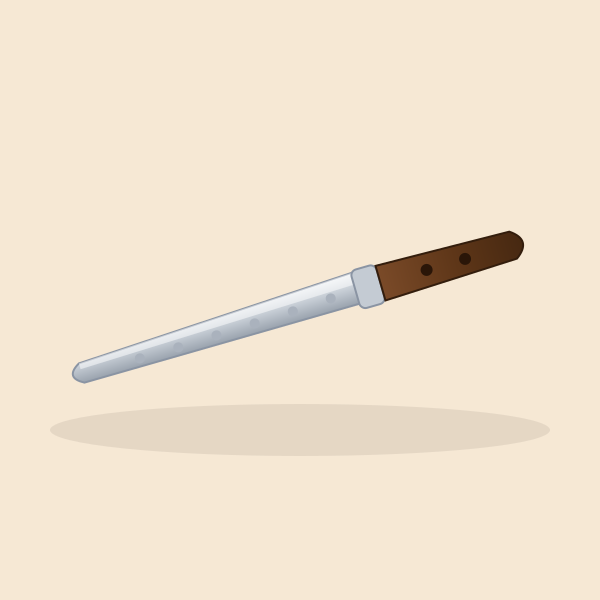
Thin, even slices across the grain are what make skirt and flank tender. A long granton slicer does it in one clean stroke instead of sawing.
Best for: Clean, thin, against-the-grain slices on skirt and flank steak.
John BoosModel RA03 (24 x 18 in)
A roomy board with a juice groove lets steak rest and be sliced in one place; pour the caught juices back over the strips before serving.
Best for: Resting and slicing steak with room to spare.
ThermoWorksModel ThermoPop 2
You do not need a premium thermometer to cook safe chicken. The ThermoPop 2 is accurate and a few seconds slower — a great-value pick from the same maker.
Best for: A reliable read without the premium price.
Visual guide
See the technique
Frequently asked questions
+Can I get real char on an electric or glass-top stove?
Yes, but give the pan extra preheat time since these burners recover heat slowly, and lean on a heavy cast-iron or carbon-steel pan for thermal mass. Cooking in smaller batches matters even more so the surface stays hot.
+Should I char the vegetables and meat together?
Cook them separately. They release moisture at different rates and each needs room to brown. Sear the protein, set it aside, char the peppers and onions, then combine everything for a quick final toss over high heat.
+How hot is too hot before the oil smokes?
A whisper of smoke off a high-smoke-point oil is the target, not a billowing cloud. If the oil is smoking heavily and smells acrid, it has broken down — wipe the pan, lower the heat slightly, and start again with a fresh thin film.
+How do restaurants get that char on fajitas?
They cook on heavy steel or cast-iron surfaces held far hotter than a home burner reaches, and they keep the food dry and spread out. The mass of the metal means the surface stays in browning range even as cold food lands, so char forms in seconds instead of stalling. At home, copy it with a thick preheated pan, dried food, and small batches.
Testing, sources & disclosure
Researched and reviewed by our editors. See our recommendation methodology.
- Author:
- FajitaRecipe Editorial
- Last reviewed:
- 2026-07-13
As an Amazon Associate, FajitaRecipe.com earns from qualifying purchases. We do not provide medical or dietary advice; follow USDA guidance for food safety.
Keep cooking
You might also like
 Pexels contributor · Pexels License
Cast-Iron Steak Fajitas
40 min · moderate
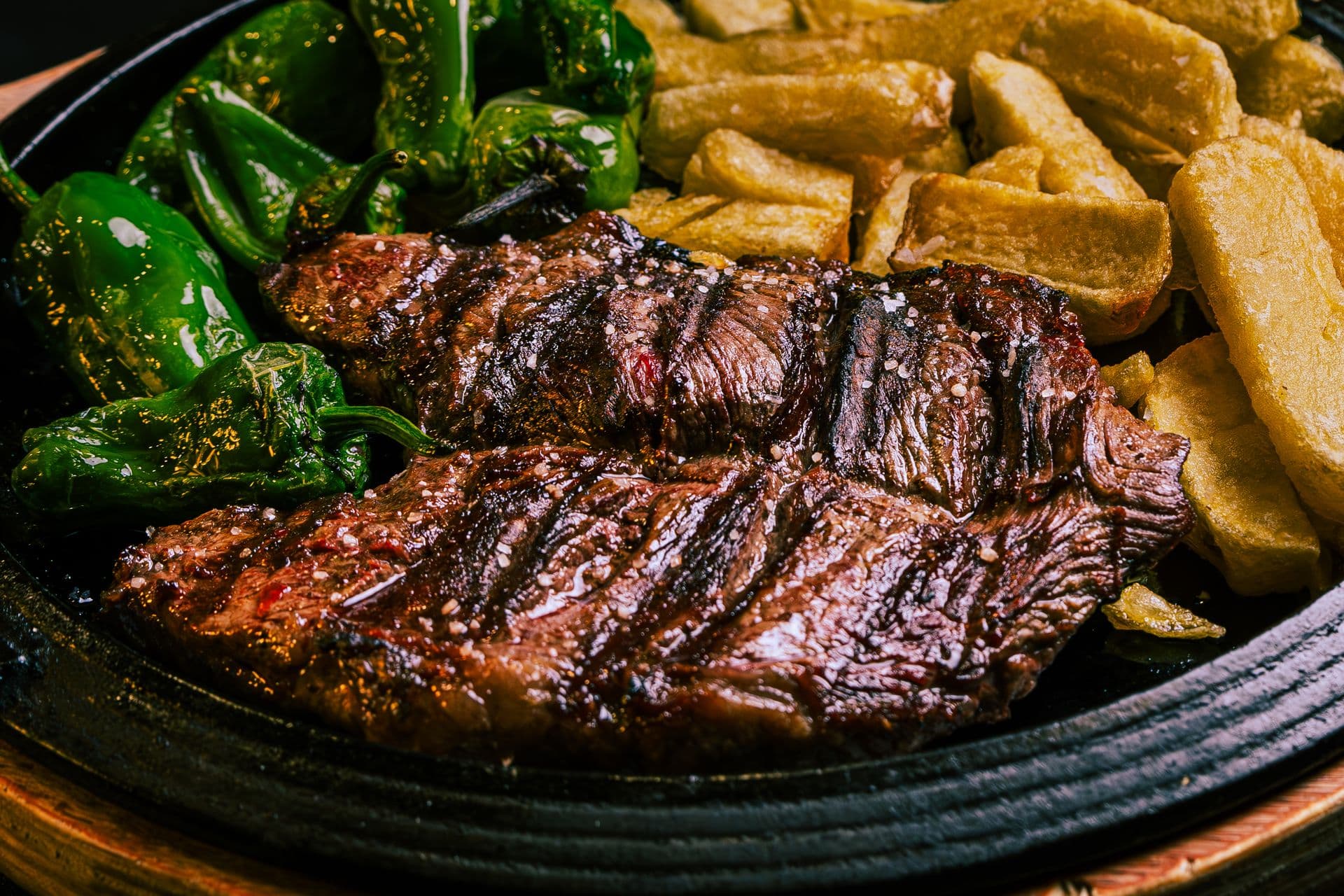
Cast-iron steak fajitas rely on a blazing-hot skillet to sear thin skirt or flank steak in under four minutes, then char peppers and onions in the rendered beef fat. Slice the rested steak against the grain, keep the pan crowd-free, and you get deep browning without steaming the meat gray. It is the closest a home stove comes to a restaurant flat-top.
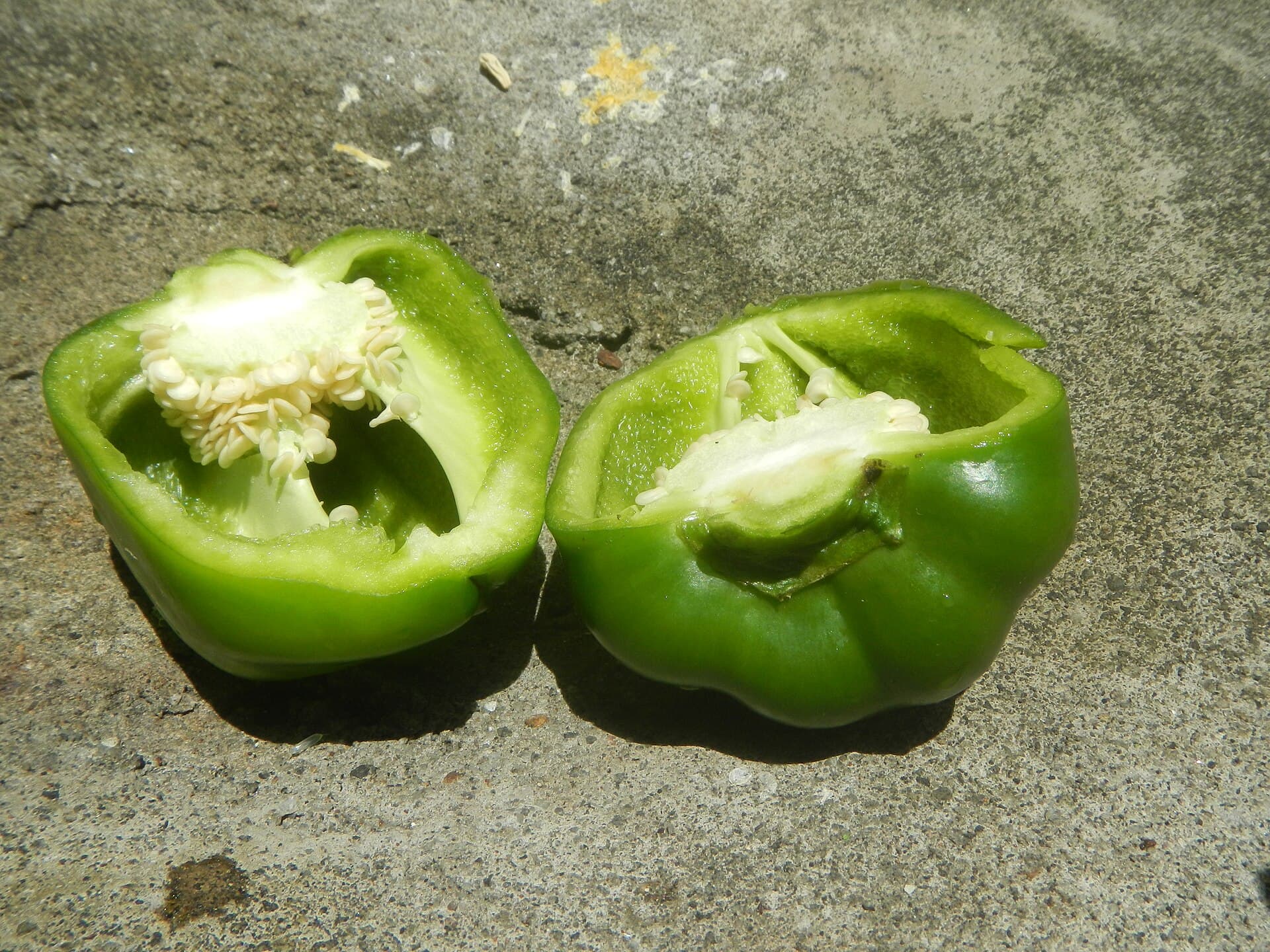
Why Are My Fajitas Watery?
Watery fajitas almost always come from steaming instead of searing. When you crowd the pan, cook over low heat, salt the vegetables too early, or dump marinade into the skillet, moisture floods out faster than it can evaporate and the food simmers in its own liquid. The fix is high heat, a single layer cooked in batches, a dry protein surface, and draining the marinade before it hits the pan.