Best Sheet Pan for Fajitas
The best sheet pan for fajitas is a heavy-gauge aluminum half-sheet that resists warping under a hot oven or broiler. A rimmed half-sheet gives a big batch room to roast in one layer; a quarter-sheet suits one or two servings. Skip parchment and silicone mats when you want char — they insulate the food from browning — and reach for a wire rack only if you want drier, more even results.

Choosing a sheet pan for sheet-pan fajitas — gauge, warping, size, and whether to use liners.
Compared
At a glance
Disclosure: As an Amazon Associate, FajitaRecipe.com earns from qualifying purchases. Recommendations are chosen to help you cook better fajitas; some Amazon links may earn a commission at no extra cost to you. See our selection methodology.
| Product | Best for | Key specs | Price | Link |
|---|---|---|---|---|
| Nordic Ware Nordic Ware Naturals Half Sheet | Sheet-pan fajitas for 3–4 in a single layer. | Aluminum (18-gauge, reinforced rim) · 17.9 x 12.9 x 1 in · 450°F-safe | $ | Amazon |
| Nordic Ware Nordic Ware Naturals Quarter Sheet | Small-batch fajitas, or splitting protein and vegetables across two pans. | Aluminum · 13 x 9.5 x 1 in · 450°F-safe | $ | Amazon |
| Silpat Silpat Premium Half-Sheet Baking Mat | Faster cleanup on sheet-pan nights. | Silicone / fiberglass · 11.6 x 16.5 in (half sheet) · 500°F-safe | $$ | Amazon |
| Checkered Chef Checkered Chef Half-Sheet Cooling Rack | Elevating chicken for crisper edges — only when it improves the method. | Stainless steel · Fits ~18 x 13 in half sheet · 575°F-safe | $ | Amazon |
Nordic Ware Nordic Ware Naturals Half Sheet
$Best for: Sheet-pan fajitas for 3–4 in a single layer.
Aluminum (18-gauge, reinforced rim) · 17.9 x 12.9 x 1 in · 450°F-safe
Find on AmazonNordic Ware Nordic Ware Naturals Quarter Sheet
$Best for: Small-batch fajitas, or splitting protein and vegetables across two pans.
Aluminum · 13 x 9.5 x 1 in · 450°F-safe
Find on AmazonSilpat Silpat Premium Half-Sheet Baking Mat
$$Best for: Faster cleanup on sheet-pan nights.
Silicone / fiberglass · 11.6 x 16.5 in (half sheet) · 500°F-safe
Find on AmazonCheckered Chef Checkered Chef Half-Sheet Cooling Rack
$Best for: Elevating chicken for crisper edges — only when it improves the method.
Stainless steel · Fits ~18 x 13 in half sheet · 575°F-safe
Find on AmazonSubstitutions
| Instead of | Use | Adjust | Expect | Avoid when |
|---|---|---|---|---|
| Silicone mat or parchment liner | Bare oiled sheet pan | — | Direct metal contact browns and chars the food; liners keep it paler and moister. | Not recommended to go bare when your priority is effortless cleanup over maximum char. |
Recommended gear
Disclosure: As an Amazon Associate, FajitaRecipe.com earns from qualifying purchases. Recommendations are chosen to help you cook better fajitas; some Amazon links may earn a commission at no extra cost to you. See our selection methodology.
For sheet-pan fajitas
Nordic WareModel Naturals Baker’s Half Sheet 43100
A sturdy rimmed half-sheet gives chicken and peppers room to roast in a single layer instead of steaming. Thin pans buckle at 425°F and pool juices in the warp.
Best for: Sheet-pan fajitas for 3–4 in a single layer.
 Winco
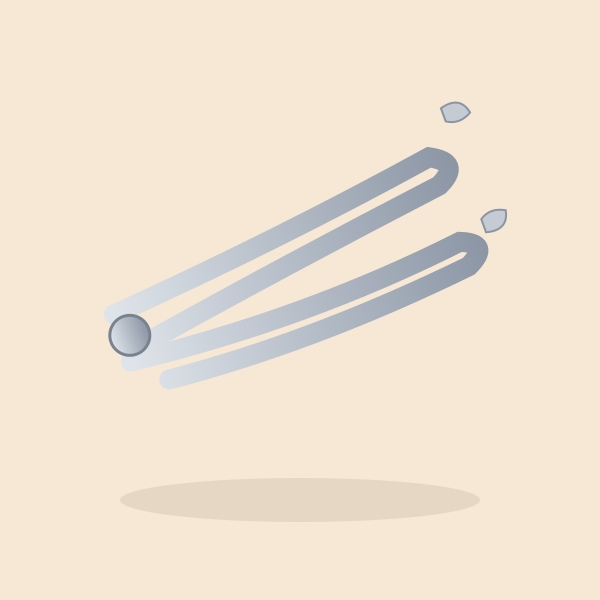
WincoModel TN719
A thin, flexible turner slides under roasted chicken and peppers that caught on the pan, so you flip them instead of shredding them.
Best for: Lifting and turning sheet-pan pieces without tearing.
 ThermoWorks
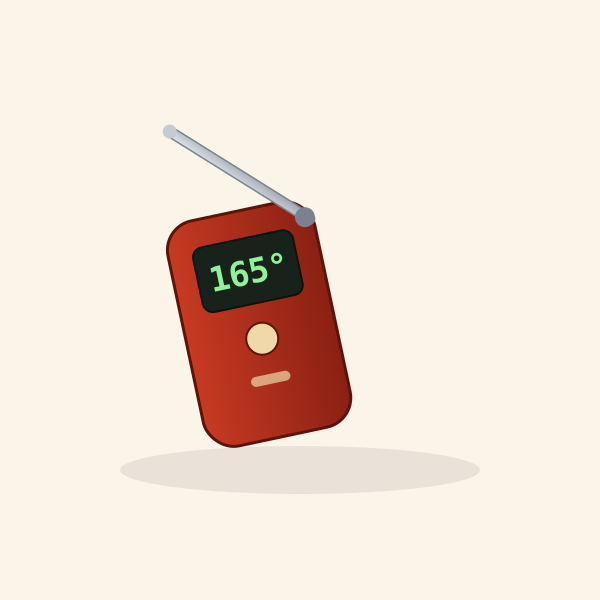
Model ThermoPop 2
You do not need a premium thermometer to cook safe chicken. The ThermoPop 2 is accurate and a few seconds slower — a great-value pick from the same maker.
Best for: A reliable read without the premium price.
Gear & how it works
What specs matter: gauge, warping, and size
Sheet-pan fajitas roast at 425°F or hotter, sometimes under the broiler, and that heat is where cheap pans fail. Gauge — the thickness of the aluminum — is the spec that matters most: heavier, lower-gauge pans (13-gauge is common on commercial half-sheets) heat evenly and shrug off the warping that makes thin pans buckle and pop with a bang when they hit a hot oven. A warped pan pools oil to one side and browns unevenly. Size is the other choice: a standard half-sheet is about 18 by 13 inches, ideal for a family batch in a single layer, while a quarter-sheet handles small portions and fits a toaster oven.
The call: Buy a heavy, low-gauge half-sheet that will not warp under high oven or broiler heat.
Who each option is for
A half-sheet pan is the default for most cooks and feeds a family in one pass; buy two if you regularly cook for more than four, since two lightly loaded pans char far better than one heaped high. A quarter-sheet is for singles, couples, and small-oven kitchens. Liners serve different goals: a silicone baking mat and parchment both guarantee zero sticking and easy cleanup, but they insulate the food and trap moisture, so they work against the char you want on fajitas. A wire rack set in the pan lifts food so hot air circulates underneath, giving drier, more even roasting when you are not chasing deep char.
The call: Pick pan size by household, and choose liners only when easy cleanup matters more than browning.
When not to buy, and how we selected
If you already own a sturdy rimmed half-sheet that lies flat, you are set — fajitas do not need a specialty pan, just a heavy one that will not warp. Do not buy insulated or air-cushioned bakeware for this job; the trapped air layer slows browning, the opposite of what you want. Skip nonstick sheet pans too, since their coatings dislike sustained high heat. For this guide we compared common half- and quarter-sheets and liners on gauge, flatness under heat, and how each affects char and cleanup. Recommendations were editorially researched and last checked 2026-07-05; they are not lab-tested, and we do not publish fabricated ratings or prices.
The call: Keep a flat, heavy half-sheet you already own; avoid insulated or nonstick pans for high-heat fajitas.
Frequently asked questions
+What size sheet pan is best for fajitas?
A standard half-sheet, about 18 by 13 inches, roasts a family batch in one layer. Use a quarter-sheet for one or two servings or a small oven, and use two half-sheets rather than overcrowding one when cooking for a crowd.
+Should I line the pan for sheet-pan fajitas?
Not if you want char. Silicone mats and parchment insulate the food and trap steam, so it browns less. Roast directly on an oiled pan for the best color, and reserve liners for when quick cleanup matters more than deep browning.
+Why does my sheet pan warp in the oven?
Thin, high-gauge pans expand unevenly under intense heat and buckle, often with a loud pop. A heavier, lower-gauge aluminum half-sheet stays flat, which also keeps oil from pooling to one side and browning the food unevenly.
Testing, sources & disclosure
Researched and reviewed by our editors. See our recommendation methodology.
- Author:
- FajitaRecipe Editorial
- Last reviewed:
- 2026-07-05
As an Amazon Associate, FajitaRecipe.com earns from qualifying purchases. We do not provide medical or dietary advice; follow USDA guidance for food safety.
Keep cooking
You might also like
 Pexels contributor · Pexels License
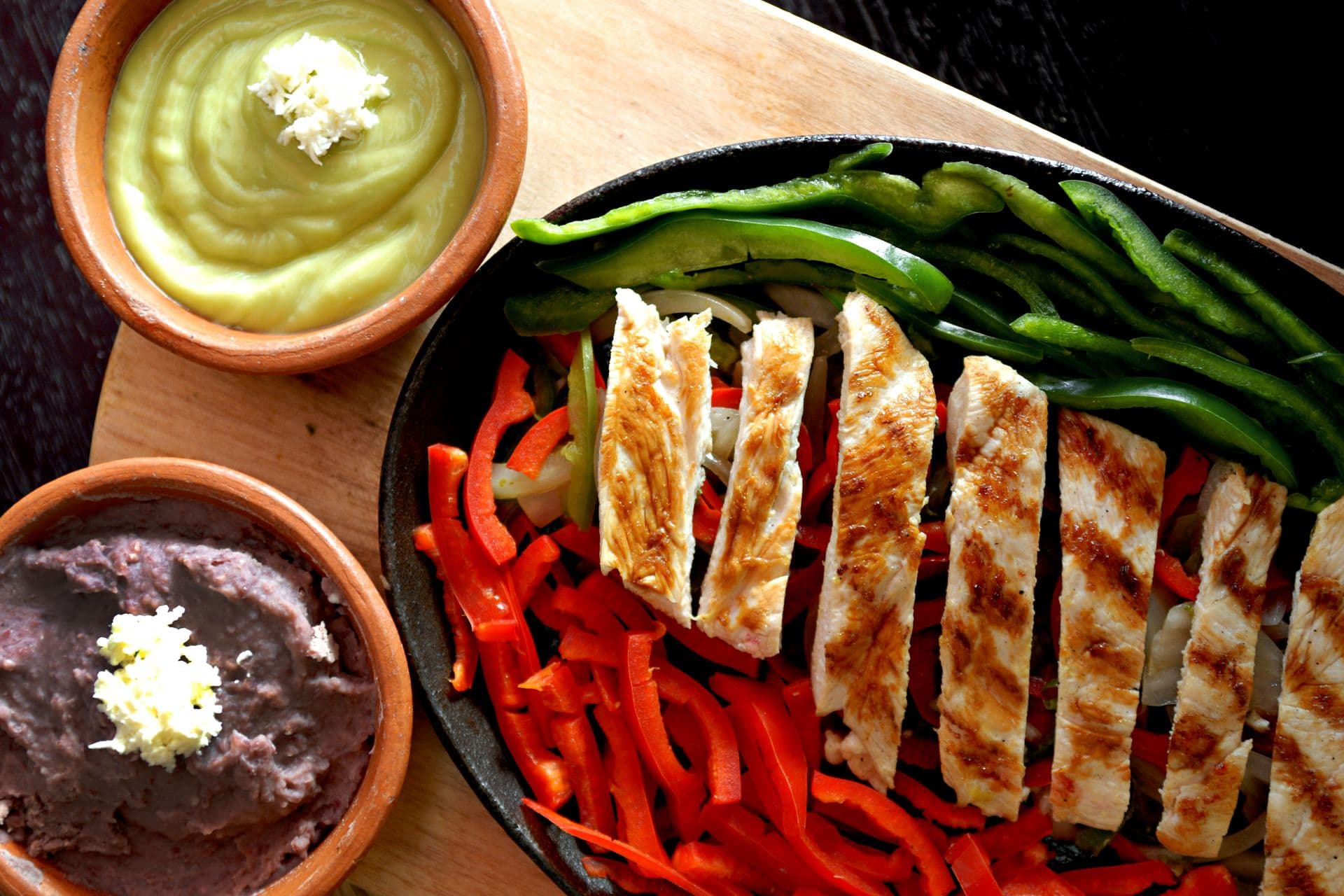
Sheet-Pan Chicken Fajitas
40 min · easy
Sheet-pan chicken fajitas turn the oven into a hands-off cook that needs no standing at the stove. Toss sliced thighs, peppers, and onions with oil and seasoning, spread them in one uncrowded layer on a preheated pan, and roast at 425°F until the chicken hits 165°F and the edges color. One pan in, one pan out, and only a bowl and a knife to wash.

How to Cook Fajitas Without Cast Iron
You do not need a cast-iron skillet to make great fajitas. A well-preheated stainless or carbon-steel pan sears beautifully, a sheet pan under a hot oven or broiler chars a big batch hands-off, and a grill delivers real smoke. The one pan to skip is nonstick, which cannot safely take the high heat fajitas want. Match the method to what you own and adjust your expectations for each.
 Pexels contributor · Pexels License
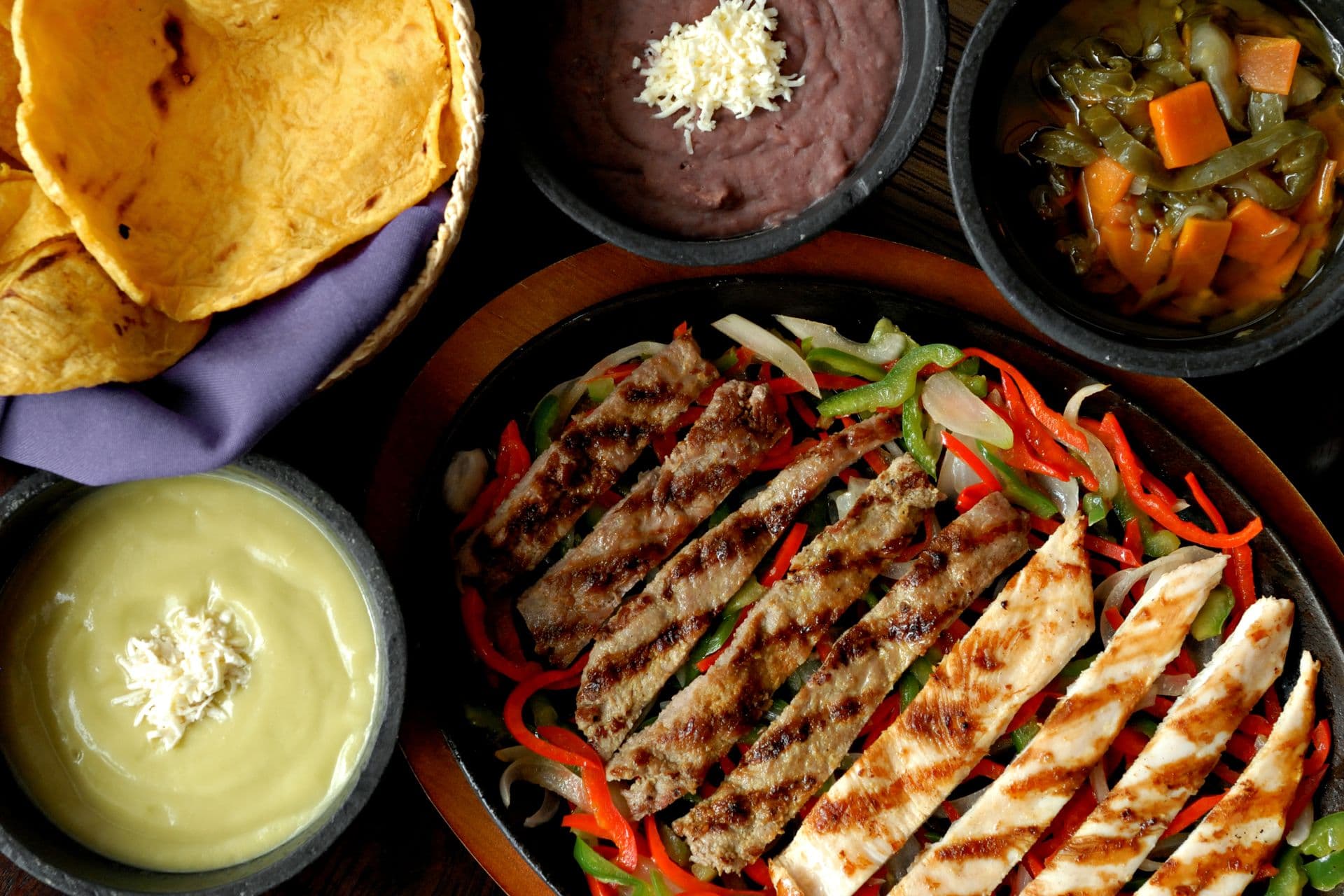
Fajitas for a Crowd
100 min · moderate
Feeding 8 to 12 people means cooking in stages, not piling everything into one pan. Roast chicken and steak on separate sheet pans, char the vegetables on their own, hold each component warm in a low oven or slow cooker, and set out a build-your-own bar. This recipe scales the quantities, sequences the cooking, and keeps everything hot without overcooking.
Sheet Pan vs Skillet Fajitas: Which Should You Make?
Sheet-pan and skillet fajitas answer two different questions. A skillet (especially cast iron) gives the hardest sear and that restaurant-style char, but you cook in batches and babysit the pan. A sheet pan is nearly hands-off and cooks everything at once for a crowd, trading some char for convenience. This guide compares them on flavor, effort, batch size, and cleanup so you can pick the right one for the night.