Culture & history
Tejanos and the Making of Tex-Mex
Tex-Mex cuisine is not a diluted copy of food from central Mexico — it is a distinct regional cuisine built over generations by Tejanos, the Mexican-descended communities of Texas whose land predates the Texas-Mexico border itself.
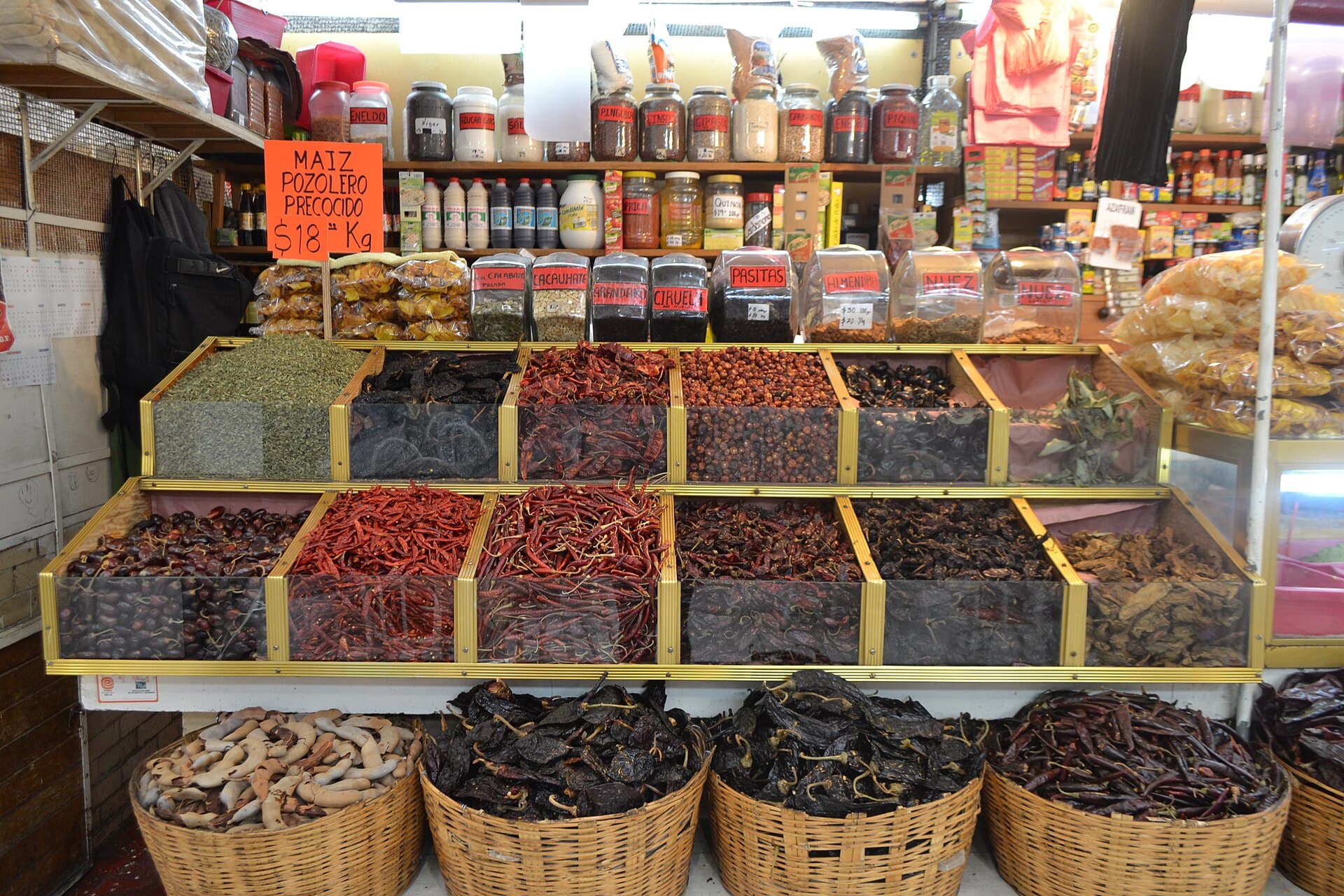 Katia Flores Torres · CC BY-SA 4.0
A people older than the border
Tejanos are Texans of Mexican descent, many of whose families were established in the region when it was still part of Spanish Texas and later Mexican Texas, long before the 1836 Texas Revolution redrew the map. That history matters for understanding Tex-Mex food: it did not arrive as an import from "Mexico" to "America." It developed continuously within communities whose land, in many cases, changed political hands around them while their foodways kept evolving in place.
Historians writing for the Texas State Historical Association describe Tejano ranching families as central to South Texas's cattle economy from the eighteenth century onward, which is precisely the economy that later produced dishes like fajitas, carne guisada, and barbacoa as practical, resourceful cooking rooted in ranch labor.
What "Tex-Mex" actually names
Tex-Mex is a regional cuisine that emerged from the blending of Tejano home cooking, available Texas ingredients (beef, wheat flour, cumin, yellow cheese), and the commercial restaurant trade that grew up around San Antonio, Austin, and the Rio Grande Valley starting in the late nineteenth century. Dishes like the combination platter, the crispy taco, chili con carne, and cheese enchiladas either originated in Texas or were transformed there into forms distinct from their counterparts in central and southern Mexico.
Food historians are careful to describe this as adaptation and regional invention, not a lesser or "inauthentic" version of another cuisine. Tex-Mex has its own techniques, ingredient ratios, and serving conventions that reflect the specific agricultural and cultural realities of Texas — wheat flour tortillas rather than corn in many dishes, for instance, reflecting Texas wheat production and Tejano ranch-kitchen practice.
Tex-Mex was not a substitute for something else. It was its own cuisine, cooked by people who never left home.
The San Antonio chili queens
One of the best-documented chapters in early Tex-Mex commercial history is the "chili queens" of San Antonio: Tejanas who sold chili con carne and other dishes from outdoor stands in the city's plazas from roughly the 1880s through the 1930s. Newspaper accounts and later historical scholarship describe these vendors as instrumental in introducing Tex-Mex cooking to visitors, journalists, and eventually a national audience, decades before fajitas appeared on a restaurant menu.
The chili queens were eventually pushed out of the plazas by local health ordinances and shifting city politics, but their stands are widely cited by historians as an early, visible bridge between home-style Tejano cooking and public commercial dining in Texas.
Fajitas as a Tejano and Tex-Mex dish
Fajitas sit squarely within this Tejano and Tex-Mex lineage rather than being a generic "Mexican food" export. The dish's raw material — skirt steak distributed to ranch workers — and its cooking method — open-flame grilling and thin slicing — both come out of the same South Texas ranching world that produced the broader Tex-Mex table. When fajitas moved to restaurant menus in the 1960s and 1970s, they followed a path the chili queens and generations of Tejano cooks had already cleared: home and ranch cooking becoming public, commercial, and eventually national.
Related on Amazon
Some links may earn FajitaRecipe.com a commission if you buy through Amazon, at no extra cost to you.
Sources & further reading
- Tejano — Texas State Historical Association, Handbook of Texas. Background on Tejano history and identity in Texas, and the relationship between "Tejano" and "Tex-Mex."
- Tex-Mex Foods — Texas State Historical Association, Handbook of Texas. Overview of Tex-Mex cuisine as a distinct regional foodway shaped by Mexican American communities in Texas.
- Hot Dish: The Story of San Antonio's Chili Queens — Texas Highways. History of the Tejana vendors who sold chili and Tex-Mex fare in San Antonio's plazas from the 1880s through the 1930s.
- The Tex-Mex Cookbook: A History in Recipes and Photos — Robb Walsh, Broadway Books. Culinary history tracing Tex-Mex cuisine's development through Tejano and South Texas communities.