Salsa vs Pico de Gallo: What’s the Difference?
Pico de gallo is technically a salsa, but the two are not interchangeable on a fajita plate. Pico de gallo is a fresh, chunky, dry mix of raw tomato, onion, chile, cilantro, and lime; "salsa" usually means a looser, saucier blend — often cooked or blended — that pours and coats. This guide explains the difference in texture, ingredients, and when each one belongs on your fajitas.
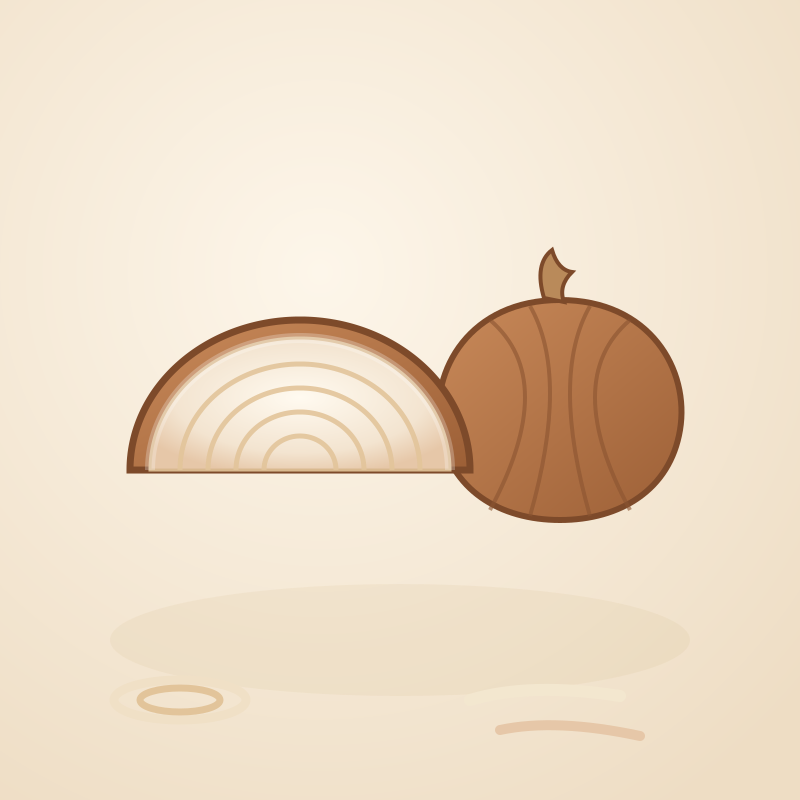
Salsa vs pico de gallo: the difference in texture, ingredients, and moisture, and when to use each on fajitas — chunky fresh relish versus a pourable sauce.
Technique
Pico de gallo vs. salsa, side by side
Both start from the same family — tomato, onion, chile, lime — but the handling differs. Pico de gallo is always raw and hand-diced, drained of excess tomato liquid so it stays crunchy and does not turn watery. Salsa is usually blended or chopped fine and often built on cooked or fire-roasted tomatoes and chiles, giving it a deeper, smokier, more melded flavor and a saucy consistency. Green versions follow the same split: chunky raw versus blended tomatillo salsa verde.
| Feature | Pico de gallo | Salsa |
|---|---|---|
| Texture | Chunky, spoonable relish | Loose and pourable |
| Tomatoes | Raw, hand-diced, drained | Often cooked or fire-roasted |
| Preparation | Diced by hand | Blended or chopped fine |
| Moisture | Low — drained on purpose | High — it is a sauce |
| Flavor | Bright, fresh, crisp | Deeper, smokier, more melded |
| Keeps | Best the day it is made | Several days |
| On fajitas | A topping that keeps tortillas crisp | A drizzle, or alongside for dipping |
Pico de gallo IS a salsa — salsa fresca. The split above is how the two words are used in a kitchen, not a strict rule.
The call: Pico is raw, diced, and drained for crunch; salsa is blended or cooked for a deeper, saucier, longer-keeping result.
Which to use on fajitas
For fajitas, pico de gallo is the workhorse topping: its crunch and bright acidity cut through the rich, charred meat without making the tortilla soggy, since it is drained and chunky. Reach for a pourable salsa when you want a saucier, smokier hit — spooned into a bowl, drizzled over a fajita platter, or served alongside chips. Many fajita nights use both: pico as a fresh topping and a roasted salsa as a sauce. If you only make one, make pico for tacos-in-hand and salsa for bowls and dipping. They are complements more than substitutes, so pick by the texture the plate needs.
The call: Use chunky pico as a fresh topping that keeps tortillas crisp; use pourable salsa for bowls, drizzling, and dipping.
Frequently asked questions
+What is the difference between salsa and pico de gallo?
Pico de gallo is a chunky, dry, raw mix of diced tomato, onion, chile, cilantro, and lime. "Salsa" usually means a looser, saucier blend — often cooked or blended smooth — that pours and coats. Pico is technically a fresh salsa, but the two differ in texture and moisture.
+Is pico de gallo a salsa?
Yes — it is salsa fresca, or fresh salsa. But in common use "salsa" refers to the saucier, often cooked or blended versions, while pico de gallo specifically means the chunky, raw, drained relish.
+Which is better for fajitas, salsa or pico de gallo?
Pico de gallo is the classic fajita topping because its crunch and bright acidity cut the rich meat without making the tortilla soggy. A pourable salsa is better for bowls, drizzling, or dipping. Many people serve both.
Testing, sources & disclosure
Researched and reviewed by our editors. See our recommendation methodology.
- Author:
- FajitaRecipe Editorial
- Last reviewed:
- 2026-07-12
As an Amazon Associate, FajitaRecipe.com earns from qualifying purchases. We do not provide medical or dietary advice; follow USDA guidance for food safety.
Keep cooking
You might also like
Pico de Gallo for Fajitas: Fresh, Crunchy, and Drained Right
Pico de gallo is the fresh, crunchy topping that cuts through rich fajita meat: equal parts diced tomato and onion, plus jalapeño, cilantro, lime, and salt. The secret to pico that does not flood your tortilla is salting the tomatoes and letting them drain, then dressing with lime just before serving so it stays bright and crisp rather than watery.
Salsa for Fajitas: Roasted, Fresh, or Charred
The best salsa for fajitas has a little char and a lot of lime to stand up to the smoky, seared meat. A quick roasted tomato-and-chile salsa blitzed in a blender takes ten minutes and beats any jar; a fresh pico is the chunkier, brighter option. Match the salsa to the fajitas: roasted and smoky for steak, fresh and sharp for chicken and shrimp.
The Best Toppings for Fajitas: Build a Better Topping Bar
The best fajita toppings balance the seared, smoky meat with something cool, fresh, tangy, or rich: guacamole, pico de gallo, salsa, a lime crema, cheese, pickled onions, cilantro, and plenty of lime. Aim for one from each category — creamy, fresh, acidic, and cheesy — and you have a topping bar that makes every fajita taste finished. Prep most of them ahead.
Fajita Sauce vs Taco Sauce: What’s the Difference?
Fajita sauce and taco sauce get used interchangeably, but they usually mean different things. Fajita sauce is most often a savory marinade-and-glaze — lime, garlic, soy or Worcestershire, and spices — that flavors the meat as it cooks, or a cool lime crema drizzled on top. Taco sauce is a thin, tangy tomato-and-chile condiment added at the table. This guide sorts out the two, when to use each, and how they overlap.