Salsa for Fajitas: Roasted, Fresh, or Charred
The best salsa for fajitas has a little char and a lot of lime to stand up to the smoky, seared meat. A quick roasted tomato-and-chile salsa blitzed in a blender takes ten minutes and beats any jar; a fresh pico is the chunkier, brighter option. Match the salsa to the fajitas: roasted and smoky for steak, fresh and sharp for chicken and shrimp.
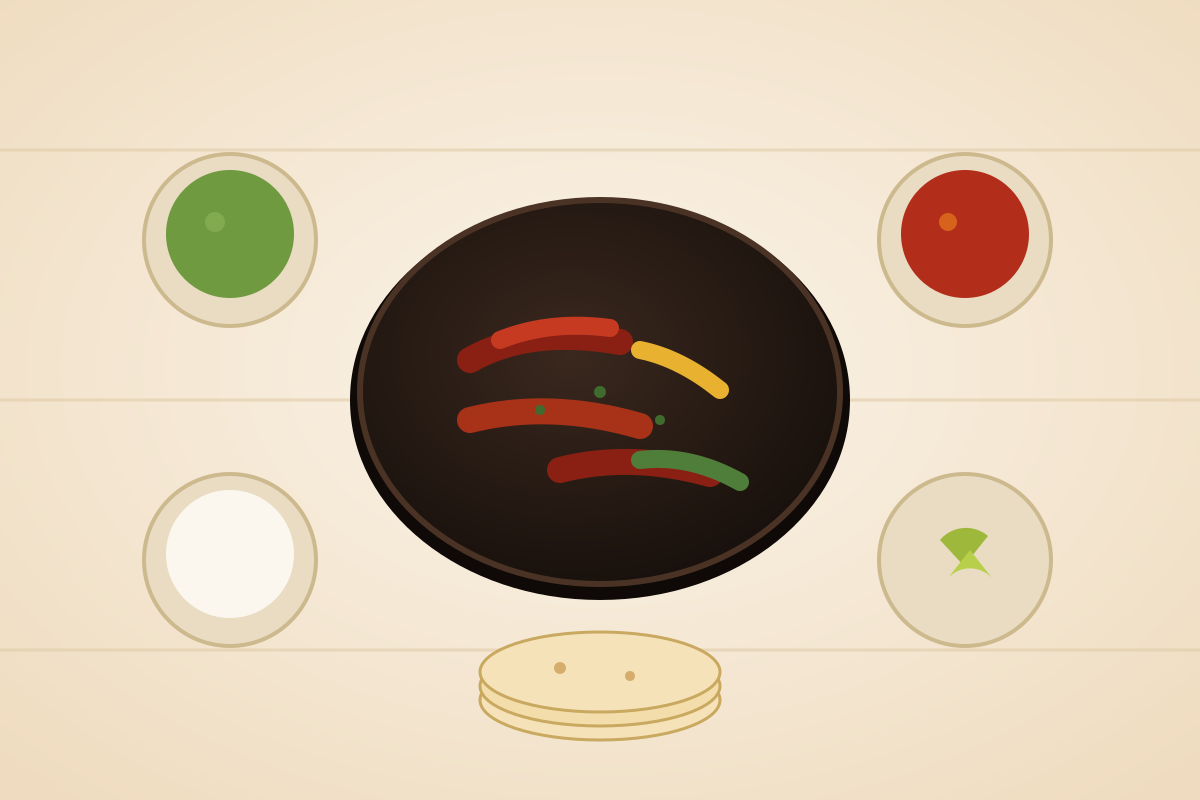
How to make salsa for fajitas — a quick roasted tomato-chile salsa and a fresh option — plus which salsa suits steak, chicken, and shrimp.
Fix it
Dialing in heat and thickness
Heat comes down to which chiles you use and how you treat them. For a mild salsa, reach for guajillo or ancho, or a single jalapeno with the seeds and white ribs cut away — the ribs carry most of the burn, so removing them tames the salsa without losing chile flavor. For medium heat, leave some seeds in a jalapeno or add a serrano. For a hot salsa, keep the seeds and toss in an arbol or two. Build the heat gradually: blend, taste, then add more chile, because you cannot pull it back out once it is in. Thickness is just as adjustable. If the blended salsa runs thin, roast an extra tomato or add a spoon of the charred onion to bulk it up. If it turns out too thick and pasty, loosen it with a little of the tomato water that pools on the cutting board, a splash of the chile soaking liquid, or plain water, a tablespoon at a time. Salt tightens flavor as the salsa sits, so one that tastes right warm may need another pinch once it has cooled. Adjust heat and body before the final squeeze of lime, since the acid sharpens your read on both.
The call: Deseed and choose milder chiles for a gentle salsa; thin a thick blend with reserved tomato or chile liquid.
Substitutions
| Instead of | Use | Adjust | Expect | Avoid when |
|---|---|---|---|---|
| fresh tomatoes | a can of fire-roasted tomatoes | — | Skips the roasting step; already has a smoky edge, so add less char. | — |
Technique
A 10-minute roasted salsa
Char four Roma tomatoes, half an onion, two garlic cloves, and one or two dried or fresh chiles (guajillo, ancho, or jalapeño) under a broiler or in a dry cast-iron skillet until blistered and blackened in spots, about six to eight minutes. Tip everything into a blender with a handful of cilantro, the juice of a lime, and a teaspoon of salt, and pulse to the texture you like — chunky or smooth. Taste and adjust: more salt for depth, more lime for brightness, more chile for heat. Let it sit ten minutes so the flavors marry. For salsa verde, swap the tomatoes for tomatillos and roast the same way.
The call: Char tomatoes, onion, garlic, and chiles, then blend with cilantro, lime, and salt to taste.
Technique
Smooth for bowls, chunky for chips
Texture should follow how the salsa gets eaten. For drizzling over fajita bowls, spooning into tacos, or coating rice, blend the salsa fully smooth so it pours in an even ribbon and clings to every bite — run the blender an extra thirty seconds and add a splash of water if it stalls. A smooth salsa also folds into sour cream or crema for a quick pink sauce. For a bowl of chips on the fajita bar, stop the blender early and leave the salsa chunky, with visible pieces of tomato, onion, and chile that a chip can scoop without sliding off. You can split one batch: blend half smooth for the plate, then pulse chopped raw onion, tomato, and cilantro into the other half for a coarse, fresh-edged version. Straining a smooth salsa through a wide sieve gives you a silky pourable sauce on one side and a thick pulp to serve with chips on the other. Keep the pourable salsa a touch thinner than looks right in the blender, since it firms up in the fridge. Chunky salsa, by contrast, wants to be a little drier so it does not flood the chip bowl with liquid.
The call: Blend smooth for drizzling and bowls; leave it chunky and drier for scooping with chips.
Recommended gear
Disclosure: As an Amazon Associate, FajitaRecipe.com earns from qualifying purchases. Recommendations are chosen to help you cook better fajitas; some Amazon links may earn a commission at no extra cost to you. See our selection methodology.
For peppers & onions
 Victorinox
Model 5.2063.20 (Fibrox Pro 8")
A sharp 8-inch chef’s knife handles the pepper and onion prep fajitas live on. The Fibrox handle grips even when your hands are wet from vegetables.
Best for: Slicing peppers and onions and general prep.
 OXO
OXOModel Good Grips 12" Locking Tongs
Twelve-inch tongs keep your hand out of the smoke while you toss peppers and flip strips in a ripping-hot pan.
Best for: Tossing peppers and turning strips over high heat.
Serving & storage
Serving and storing
Serve salsa in a shallow bowl on the fajita bar beside guacamole and pico so guests can layer smoky, fresh, and rich. Roasted salsa keeps five days refrigerated and actually improves overnight as the char mellows; fresh salsa is best within a day or two. For a party, make the roasted salsa ahead and keep the fresh options for the day of. A squeeze of lime just before serving wakes up salsa that has been in the fridge. Leftover salsa is also the base of a quick enchilada sauce or a braising liquid for the next batch of leftover fajita meat.
The call: Roasted salsa keeps 5 days and improves overnight; fresh salsa is best within a day.
Frequently asked questions
+What salsa goes best with fajitas?
A smoky roasted red salsa is the classic match for steak fajitas, while a fresh tomato or tomatillo salsa suits chicken and shrimp. Both should be well salted and finished with lime to stand up to the seasoned meat.
+How do you make roasted salsa for fajitas?
Char tomatoes, onion, garlic, and chiles under a broiler or in a dry skillet until blistered, then blend with cilantro, lime, and salt to taste. It takes about ten minutes and keeps five days refrigerated.
+Is salsa or pico de gallo better for fajitas?
Both work — pico de gallo adds fresh crunch, while a blended salsa adds saucy, often smoky depth. Many fajita bars offer both so guests can choose. Pico stays crisper on the plate; salsa spoons on saucier.
+Should fajita salsa be smooth or chunky?
It depends on how you serve it. Blend it smooth for drizzling over bowls, tacos, and rice, where a pourable salsa coats each bite. Leave it chunky for scooping with chips on a fajita bar. Splitting one batch lets you offer both textures.
Testing, sources & disclosure
Researched and reviewed by our editors. See our recommendation methodology.
- Author:
- FajitaRecipe Editorial
- Last reviewed:
- 2026-07-13
As an Amazon Associate, FajitaRecipe.com earns from qualifying purchases. We do not provide medical or dietary advice; follow USDA guidance for food safety.
Keep cooking
You might also like
Pico de Gallo for Fajitas: Fresh, Crunchy, and Drained Right
Pico de gallo is the fresh, crunchy topping that cuts through rich fajita meat: equal parts diced tomato and onion, plus jalapeño, cilantro, lime, and salt. The secret to pico that does not flood your tortilla is salting the tomatoes and letting them drain, then dressing with lime just before serving so it stays bright and crisp rather than watery.
Guacamole for Fajitas: Cool, Chunky, and Built to Scoop
The best guacamole for fajitas is chunky, limey, and a little coarse so it holds up inside a hot tortilla instead of sliding out. Mash ripe avocado with lime, salt, and finely diced onion, then fold in cilantro, a little serrano or jalapeño, and optional tomato. Keep it thick, season it aggressively, and press plastic wrap onto the surface to hold the color until serving.
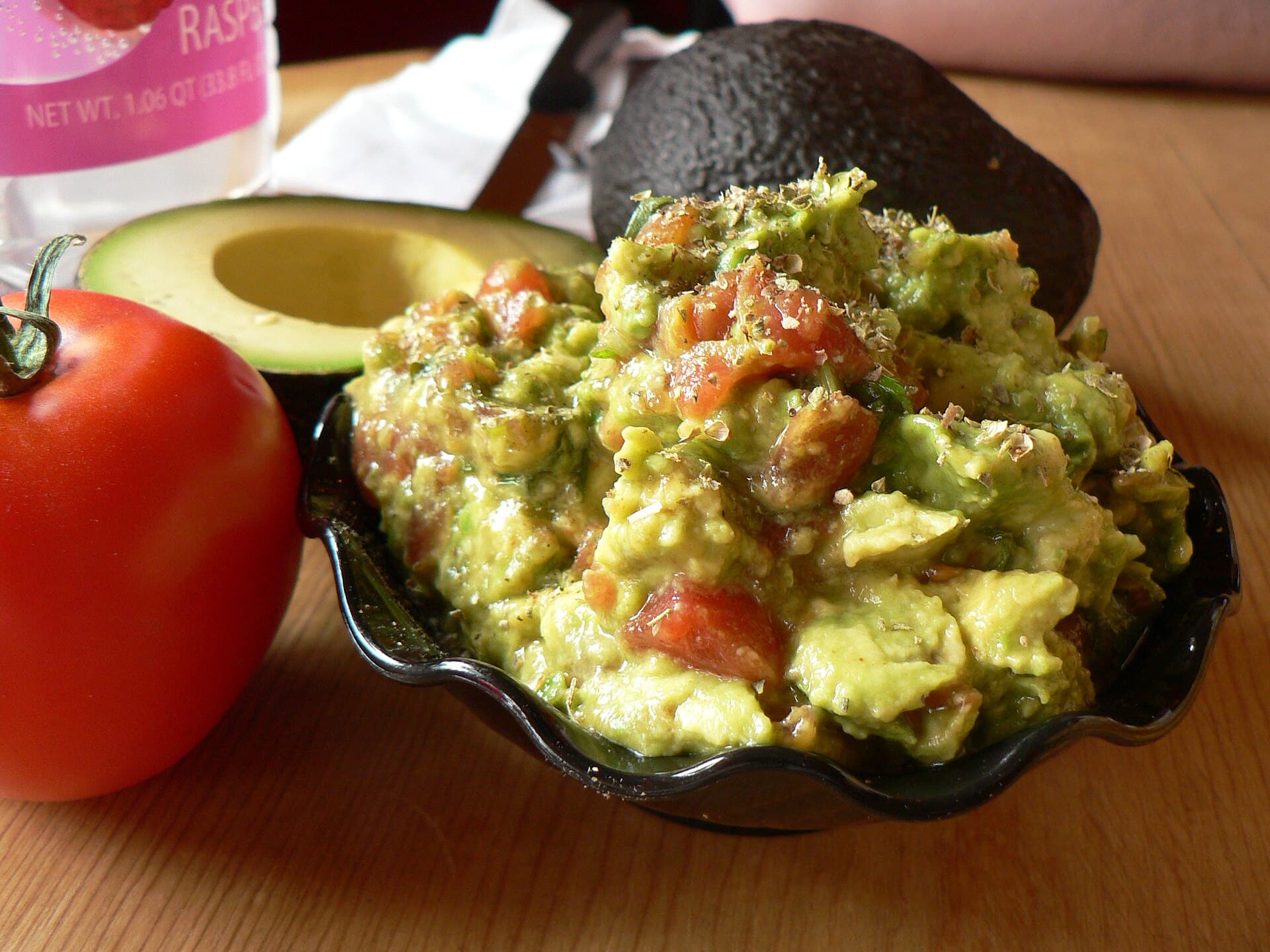 stu_spivack · CC BY-SA 2.0
What to Serve with Fajitas
Round out fajitas with Mexican rice, beans, guacamole, and salsa as the core four, then add elote, a crisp lime slaw, or a simple green salad for freshness. A build-your-own toppings bar with sour cream, cheese, lime, and pickled jalapenos lets everyone customize. When time is short, warmed canned beans, store-bought guac, and bagged slaw pull a full spread together fast.