Pico de Gallo for Fajitas: Fresh, Crunchy, and Drained Right
Pico de gallo is the fresh, crunchy topping that cuts through rich fajita meat: equal parts diced tomato and onion, plus jalapeño, cilantro, lime, and salt. The secret to pico that does not flood your tortilla is salting the tomatoes and letting them drain, then dressing with lime just before serving so it stays bright and crisp rather than watery.
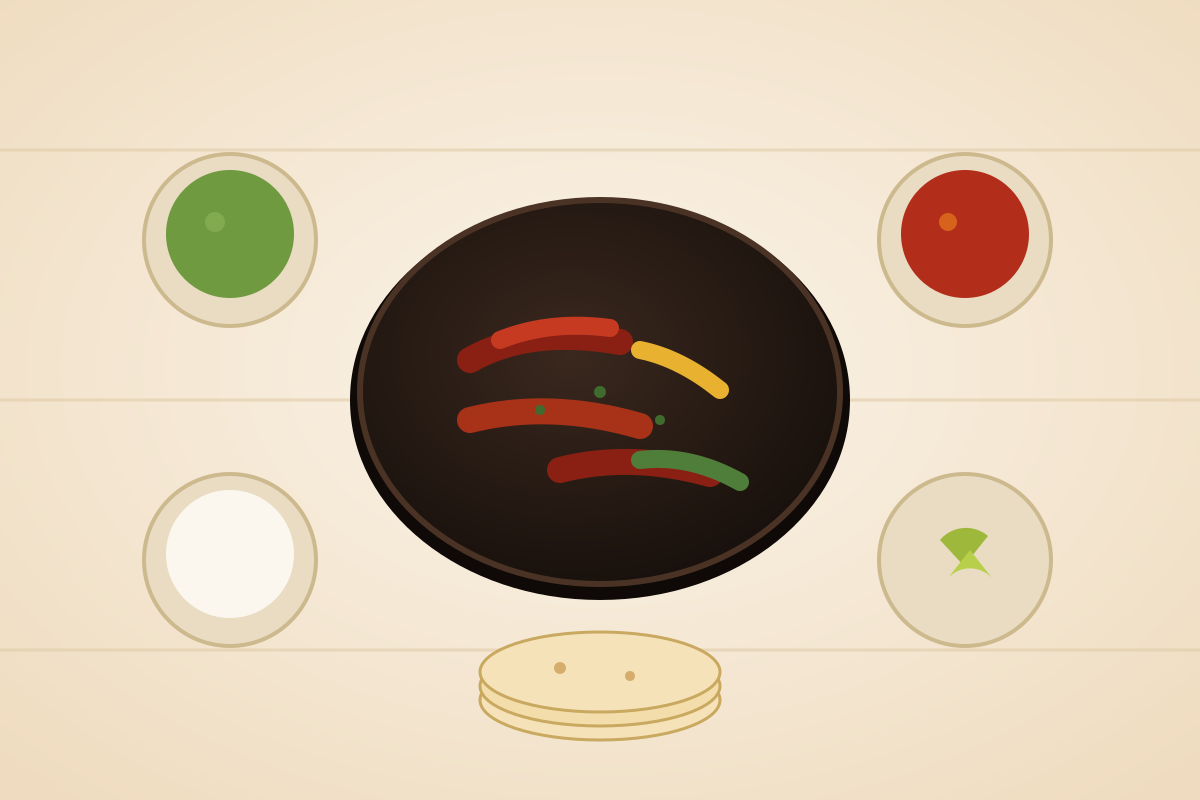
How to make pico de gallo for fajitas: the ratio, how to keep it from getting watery, and how it differs from salsa, so your tortillas stay crisp.
Fix it
Keeping the tortilla crisp under the pico
A warm flour tortilla fails the moment liquid pools in the fold, and pico is the topping most likely to cause it if you are careless. The fix is mostly about how you serve, not just how you mix. Spoon pico with a slotted spoon so any lime and tomato juice drains back into the bowl instead of riding onto the tortilla. Layer it on top of the seared meat and peppers rather than straight onto the bread, so the fillings catch the moisture and the tortilla stays dry against your hand. Keep portions honest: a couple of spoonfuls per fajita adds bright crunch, while a heaping mound floods the seam and makes the whole thing collapse. If the bowl still looks wet, tip it and pour off the pooled juice, or lift the solids out and leave the liquid behind. This is exactly where pico beats a pourable jarred salsa on a fajita: the chunky, drained mix clings to the meat and delivers acid and freshness in distinct bites, while a thin salsa runs straight through the fold and turns the tortilla to paste before you finish eating.
The call: Serve with a slotted spoon and layer pico over the meat so juice never touches the tortilla.
Substitutions
| Instead of | Use | Adjust | Expect | Avoid when |
|---|---|---|---|---|
| fresh jalapeño | serrano for more heat, or a milder poblano for none | — | Serrano is sharper and hotter; poblano adds pepper flavor with little burn. | — |
Technique
The build and the drain
For a party bowl, dice three medium tomatoes and one medium onion into a small, even dice. Here is the move most recipes skip: toss the diced tomato with a half teaspoon of salt and let it sit in a colander for ten minutes, then discard the liquid that weeps out. That single step is the difference between crisp pico and a watery puddle. Combine the drained tomato with the onion, one to two seeded and minced jalapeños, a big handful of chopped cilantro, and the juice of one to two limes. Salt to taste. Dress it with the lime no more than thirty minutes before serving so it stays fresh and does not go slack.
The call: Salt and drain the tomatoes for 10 minutes before mixing — that keeps pico crisp, not soupy.
The science
Taming the onion and timing the salt
Raw onion tastes harsh because cutting it triggers enzymes that build pungent sulfur compounds. Two easy fixes tame that bite so the onion supports the tomato rather than overpowering it: soak the diced onion in cold water for about ten minutes, or toss it with a squeeze of lime and a pinch of salt while you prep the rest. The acid and the rinse both mellow the sharp edge. Salt does a second job on the tomato. Because the salted flesh sits in a stronger brine than the water inside its cells, osmosis pulls moisture out, which is why the colander step works and why you should salt the tomato deliberately rather than salting the finished bowl and hoping for the best. Time the two additions differently: season the tomato early to draw water out, but wait to add the lime until close to serving, since acid softens the diced pieces and dulls the crunch if it sits too long. As the mix rests for fifteen to twenty minutes, the raw onion keeps mellowing and the flavors marry, so a short, planned rest actually improves pico even though a long one costs you texture.
The call: Salt the tomato early to draw water; add lime just before serving so the pieces stay crisp.
Recommended gear
Disclosure: As an Amazon Associate, FajitaRecipe.com earns from qualifying purchases. Recommendations are chosen to help you cook better fajitas; some Amazon links may earn a commission at no extra cost to you. See our selection methodology.
For peppers & onions
 Victorinox
Model 5.2063.20 (Fibrox Pro 8")
A sharp 8-inch chef’s knife handles the pepper and onion prep fajitas live on. The Fibrox handle grips even when your hands are wet from vegetables.
Best for: Slicing peppers and onions and general prep.
 OXO
OXOModel Good Grips 12" Locking Tongs
Twelve-inch tongs keep your hand out of the smoke while you toss peppers and flip strips in a ripping-hot pan.
Best for: Tossing peppers and turning strips over high heat.
Serving & storage
Make-ahead, heat, and serving
Pico is best within a few hours but you can prep the components ahead: dice everything, keep the salted-and-drained tomato separate, and combine with lime just before the fajitas hit the table. It keeps a day or two refrigerated but loses crunch and brightness as it sits, so make what you will use. Control the heat by seeding the jalapeños for mild, leaving the seeds and ribs for more kick, or swapping in serrano for a sharper burn. On a fajita bar, set it beside the guacamole and a creamy sauce so guests can layer cool, fresh, and rich in one tortilla.
The call: Combine with lime just before serving; seed the chiles for mild, keep them for heat.
Frequently asked questions
+How do you make pico de gallo for fajitas?
Dice tomato and onion in roughly equal amounts, salt and drain the tomato for ten minutes, then combine with minced jalapeño, cilantro, lime juice, and salt. Dress with lime just before serving so it stays crisp.
+How do you keep pico de gallo from being watery?
Salt the diced tomatoes and let them drain in a colander for about ten minutes, discarding the liquid, before mixing. Add the lime only shortly before serving. Both steps keep the pico chunky instead of soupy.
+What is the difference between pico de gallo and salsa?
Pico de gallo is a fresh, chopped salsa with everything in distinct pieces and no cooking or blending, so it is chunky and crisp. Salsa is usually blended or cooked and is looser and wetter. Fajitas favor pico because it adds crunch without soaking the tortilla.
+How far ahead can I make pico de gallo?
You can dice the tomato, onion, jalapeño, and cilantro several hours ahead and keep them refrigerated. For the best texture, salt and drain the tomato in advance but hold the lime and the final mix until close to serving. Combined pico keeps a few days in the fridge but loses crunch and brightness as it sits, so make what you plan to use.
Testing, sources & disclosure
Researched and reviewed by our editors. See our recommendation methodology.
- Author:
- FajitaRecipe Editorial
- Last reviewed:
- 2026-07-13
As an Amazon Associate, FajitaRecipe.com earns from qualifying purchases. We do not provide medical or dietary advice; follow USDA guidance for food safety.
Keep cooking
You might also like
Guacamole for Fajitas: Cool, Chunky, and Built to Scoop
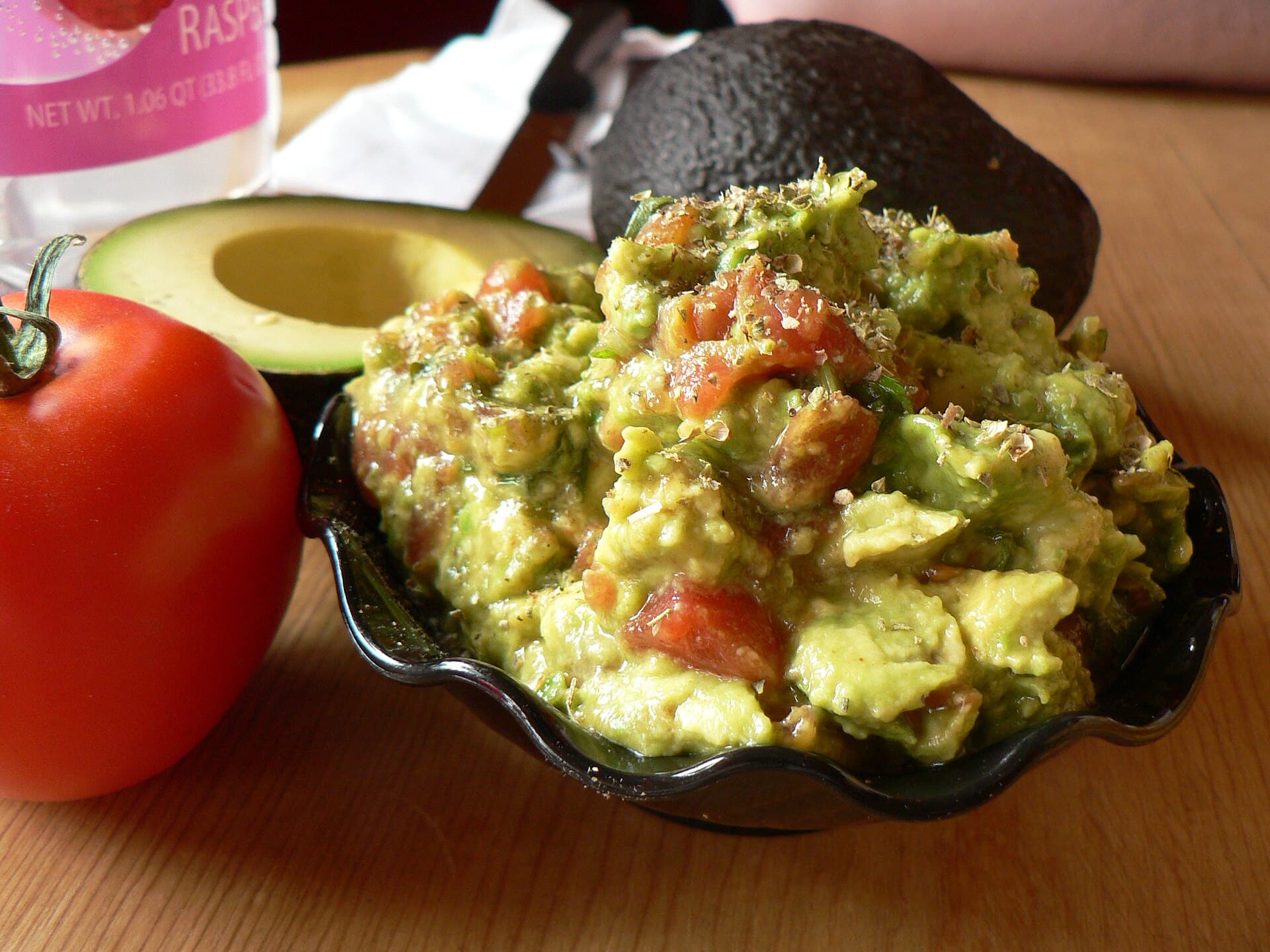
The best guacamole for fajitas is chunky, limey, and a little coarse so it holds up inside a hot tortilla instead of sliding out. Mash ripe avocado with lime, salt, and finely diced onion, then fold in cilantro, a little serrano or jalapeño, and optional tomato. Keep it thick, season it aggressively, and press plastic wrap onto the surface to hold the color until serving.
 stu_spivack · CC BY-SA 2.0
What to Serve with Fajitas
Round out fajitas with Mexican rice, beans, guacamole, and salsa as the core four, then add elote, a crisp lime slaw, or a simple green salad for freshness. A build-your-own toppings bar with sour cream, cheese, lime, and pickled jalapenos lets everyone customize. When time is short, warmed canned beans, store-bought guac, and bagged slaw pull a full spread together fast.
Fajita Sauce: The Creamy Drizzle and the Savory Pan Sauce
"Fajita sauce" means two different things: a cool, creamy drizzle you spoon over the finished plate, and a savory liquid that seasons the meat as it cooks or marinates. The creamy version is sour cream or crema loosened with lime, garlic, and a little of your fajita spice. The savory version leans on lime, oil, Worcestershire, garlic, and cumin. This guide gives you both, with ratios you can scale.
Salsa vs Pico de Gallo: What’s the Difference?
Pico de gallo is technically a salsa, but the two are not interchangeable on a fajita plate. Pico de gallo is a fresh, chunky, dry mix of raw tomato, onion, chile, cilantro, and lime; "salsa" usually means a looser, saucier blend — often cooked or blended — that pours and coats. This guide explains the difference in texture, ingredients, and when each one belongs on your fajitas.