Fajita Sauce vs Taco Sauce: What’s the Difference?
Fajita sauce and taco sauce get used interchangeably, but they usually mean different things. Fajita sauce is most often a savory marinade-and-glaze — lime, garlic, soy or Worcestershire, and spices — that flavors the meat as it cooks, or a cool lime crema drizzled on top. Taco sauce is a thin, tangy tomato-and-chile condiment added at the table. This guide sorts out the two, when to use each, and how they overlap.
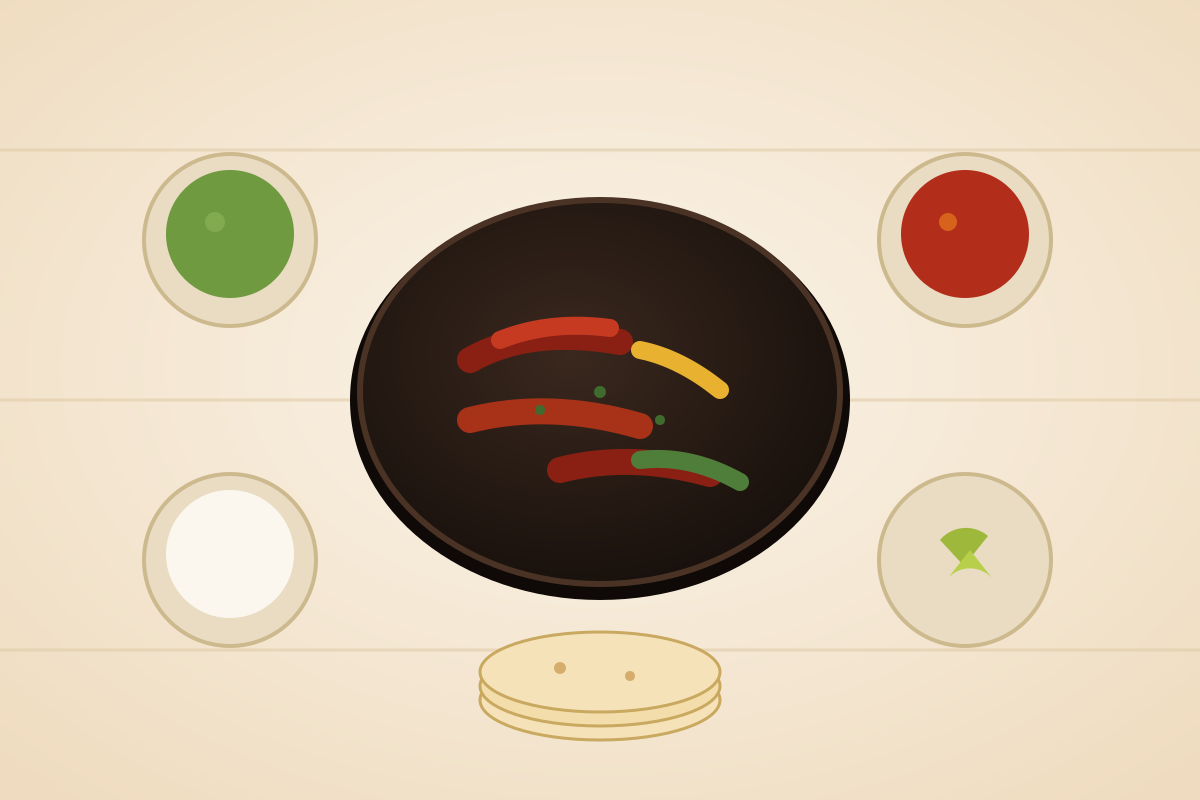
Fajita sauce vs taco sauce: how they differ in ingredients, flavor, and use — savory marinade or crema versus a thin tomato-chile table condiment.
Technique
Ingredients and flavor
Savory fajita cooking sauce leans on lime and umami — soy sauce or Worcestershire give it depth — plus garlic, cumin, chili powder, smoked paprika, and oil, so it tastes bright, garlicky, and savory rather than sweet. A creamy fajita sauce swaps that for sour cream or Mexican crema thinned with lime and often chipotle, cooling the heat of the meat. Taco sauce is tomato-forward and tangy: tomato paste or sauce loosened with water and vinegar, seasoned with chili powder, garlic, and onion, usually mild and a touch sweet-sour. Its whole job is to add moisture and zip to an assembled taco, not to flavor meat before cooking.
The call: Fajita sauce tastes lime-and-umami savory or cool and creamy; taco sauce is tangy, tomato-forward, and mild.
When to use each — and can you swap them?
Use a savory fajita sauce when you want to marinate or glaze the meat and vegetables for deep flavor as they cook; use a creamy fajita sauce to drizzle over the top and tame the char. Reach for taco sauce when you want a quick, tangy hit of moisture on already-cooked fillings at the table. Can you swap them? In a pinch, taco sauce works as a table drizzle on fajitas, and a savory fajita marinade is too intense to pour on raw as a condiment. But they are not true substitutes: one seasons from the inside as you cook, the other brightens from the outside once you eat. Many fajita nights use both — a marinade for the meat and a crema or salsa to finish.
The call: Fajita sauce to marinate or drizzle; taco sauce as a table condiment; usable in a pinch but not true swaps.
Frequently asked questions
+What is the difference between fajita sauce and taco sauce?
Fajita sauce is usually a savory lime-garlic-umami marinade that flavors the meat as it cooks, or a cool lime crema drizzled on top. Taco sauce is a thin, tangy tomato-and-chile condiment added to assembled tacos at the table.
+Can you use taco sauce on fajitas?
Yes, as a table drizzle for a quick tangy hit, though it will not flavor the meat the way a savory fajita marinade does. For the best result, cook the meat in a fajita marinade and finish with taco sauce, salsa, or a crema.
+Is fajita sauce spicy?
Not usually. A savory fajita sauce is bright and garlicky rather than hot, and a creamy version is meant to cool heat. You can add chipotle or cayenne to either if you want more kick.
Testing, sources & disclosure
Researched and reviewed by our editors. See our recommendation methodology.
- Author:
- FajitaRecipe Editorial
- Last reviewed:
- 2026-07-12
As an Amazon Associate, FajitaRecipe.com earns from qualifying purchases. We do not provide medical or dietary advice; follow USDA guidance for food safety.
Keep cooking
You might also like

Fajita Sauce: The Creamy Drizzle and the Savory Pan Sauce
"Fajita sauce" means two different things: a cool, creamy drizzle you spoon over the finished plate, and a savory liquid that seasons the meat as it cooks or marinates. The creamy version is sour cream or crema loosened with lime, garlic, and a little of your fajita spice. The savory version leans on lime, oil, Worcestershire, garlic, and cumin. This guide gives you both, with ratios you can scale.
Fajita Crema: The Cool, Tangy Drizzle That Finishes the Plate
Fajita crema is a thin, tangy, spoonable sauce — Mexican crema or sour cream loosened with lime and seasoned to match the meat — that you drizzle over the finished fajitas to cool the heat and add richness. The base is five minutes: crema, lime, garlic, salt, and a little fajita spice or chipotle. Thin it for a squeeze-bottle drizzle or keep it thick for a dip.

Fajita Marinade
A master fajita marinade is lime juice for brightness, oil to carry flavor and prevent sticking, garlic and fajita seasoning for depth, and a splash of soy or Worcestershire for savory backbone. Timing is everything: 15 to 30 minutes for shrimp or thin cuts, up to a few hours for chicken and steak. The acid mostly works the surface, so longer is not better — too long turns the exterior mushy.