Low-Sodium Fajita Seasoning
A low-sodium fajita seasoning skips the salt inside the jar and builds flavor other ways: extra cumin for earthiness, dried citrus zest for brightness, smoked paprika for depth, and an optional pinch of MSG, which carries savor at a fraction of the sodium of salt. Salt at the table instead so you decide the amount. It mixes in five minutes and tastes full, not flat.
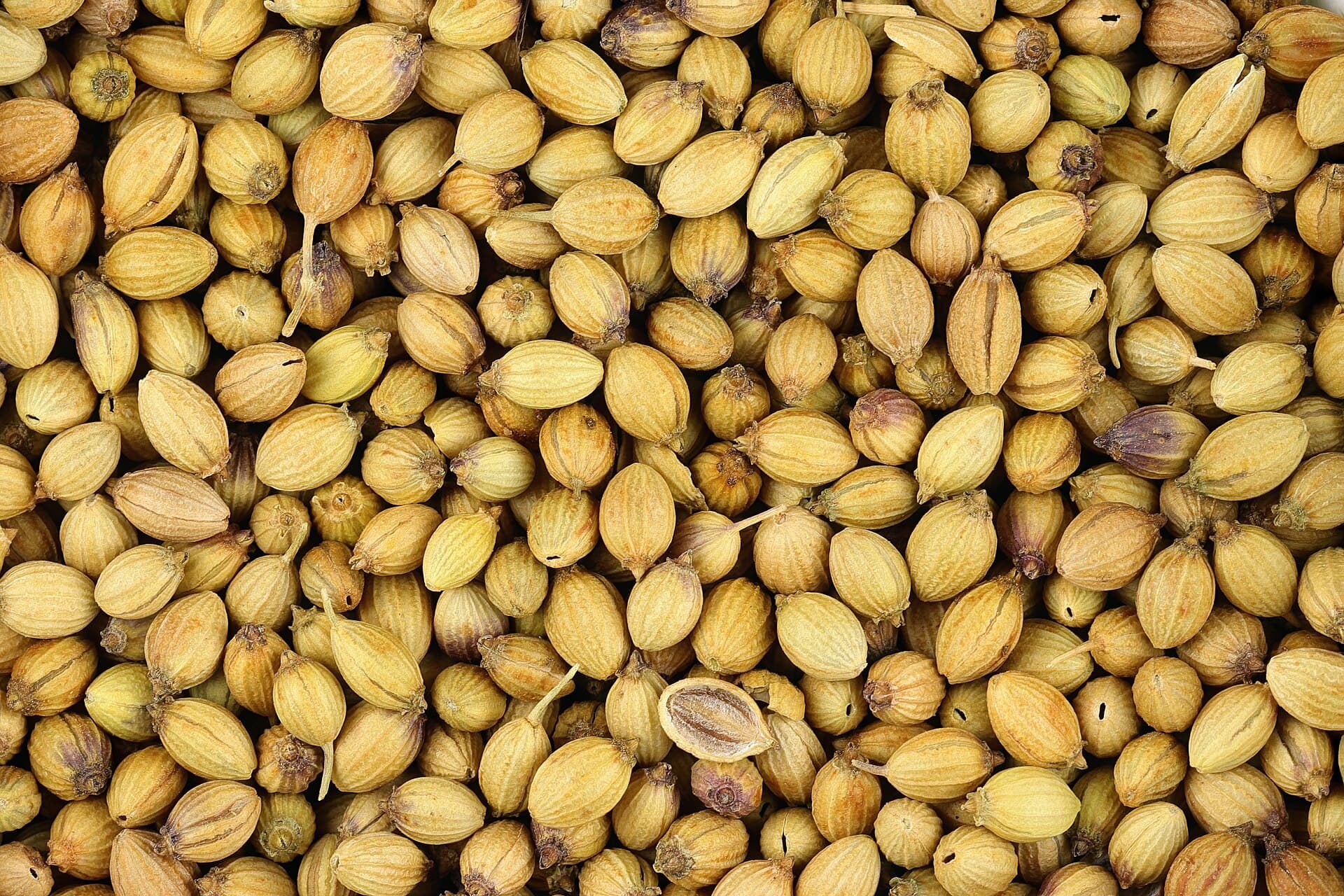 Sanjay Acharya · CC BY-SA 4.0
A salt-free fajita blend that stays flavorful through cumin, citrus zest, and smoked paprika — you add salt at the table.
Ingredients
Showing ingredients for 1 serving in US customary units.
Salt-free blend
- 2 tbspChili powderCheck the label; some chili powders already contain added salt.Shop
- 1½ tbspGround cuminExtra cumin carries earthy depth that salt would otherwise amplify.Shop
- 1 tbspSmoked paprikaShop
- 1 tbspGarlic powderShop
- 1 tbspOnion powderShop
- 2 tspDried lime or orange zestBrightness that reads as seasoning; adds no sodium.Search
- 1 tspDried oregano, crushedShop
- 1½ tspBlack pepper, freshly groundShop
- ½ tspCayenne pepper (optional)Optional heat.Shop
- ½ tspMSG (optional)Optional. Adds savory depth with roughly a third the sodium of table salt by volume.
Cook times are not scaled with servings — adjust pan size and cook in batches as needed. Salt and “to taste” items are intentionally left for your judgment.
🛒 links open an Amazon search for that ingredient. Some links may earn FajitaRecipe.com a commission if you buy through Amazon, at no extra cost to you.
Step by step
How to make it
Mix
Step 1. Whisk all the ingredients together until evenly colored. Break up any clumps of dried zest so it distributes.
~3 minStep 2. Taste a pinch. Without salt the flavors read a little softer; add a bit more cumin, zest, or the optional MSG until it tastes full and rounded.
~2 min
Store
Step 3. Transfer to an airtight jar, label it, and keep it in a cool, dark cupboard for up to about six months.
Use
Step 4. Season protein or vegetables with about 2 tablespoons per 1.5 lb, then let each person add salt at the table to their own taste.
🛒 Shop this recipe
Recommendations are chosen to help you cook better fajitas; some Amazon links may earn a commission at no extra cost to you.
Fix it
Using a potassium-based salt substitute
If you want the taste of salt with less sodium, a potassium-chloride salt substitute is the common swap; it sells as light salt or as fully salt-free crystals. Treat it as a finishing option rather than a jar ingredient. Potassium chloride can turn faintly metallic or bitter, and heat and heavy doses make that worse, so add it at the end, off the heat, and use less than you think you need. Many people find a half-and-half approach works best: a product that blends potassium chloride with a little regular salt keeps the clean taste while cutting the sodium of a straight pinch. Start light, taste, and build up, because the bitterness sneaks in only once you overshoot. The lime, cumin, and smoked paprika already in the blend cover for a lot, so the substitute only has to nudge the savor the rest of the way. Keep it in its own shaker at the table next to the food, the same way you would keep regular salt, so each person tunes their own portion. If you are following specific guidance about potassium as well as sodium, check the label, since these products are a concentrated source of it and are not right for everyone.
The call: Add a potassium-chloride substitute at the end and sparingly, since heat and heavy doses bring out bitterness.
Substitutions
| Instead of | Use | Adjust | Expect | Avoid when |
|---|---|---|---|---|
| MSG | A little nutritional yeast or dried mushroom powder | Use about 1 tsp nutritional yeast or 1/2 tsp mushroom powder in place of the MSG. | Similar savory lift from natural glutamates, with a faint nutty or earthy note. | Skip it entirely if you prefer to lean only on cumin, paprika, and citrus. |
| Dried lime or orange zest | Fresh zest added at cooking time | Use the fresh zest of one lime or half an orange per batch, added to the food rather than the jar. | Brighter and more aromatic, but it will not keep in a dry stored blend. | — |
The science
How to build flavor when salt is off the table
Salt does two jobs: it adds its own taste and it makes other flavors pop. Remove it and you have to replace both. This blend leans harder on cumin and smoked paprika for body, adds dried citrus zest so brightness stands in for salt's lift, and offers optional MSG, whose glutamate delivers savory depth with far less sodium than salt by volume. Acid helps too, so finishing the cooked fajitas with a squeeze of fresh lime does a lot of the work salt normally would — the dish tastes seasoned rather than flat.
The call: Boost cumin, paprika, zest, lime, and optional MSG to replace both jobs salt normally does.
Technique
Salt separately so you stay in control
Keeping salt out of the jar is the whole point: it lets the person eating decide the amount rather than baking it into every batch. Season the protein with the blend, cook, then salt lightly at the table or leave a small dish of flaky salt out for those who want it. This way one seasoning serves a whole household with different needs, and you never lock a heavy salt-to-spice ratio into a make-ahead jar. It also means you can scale the spices up freely without the salt racing ahead.
The call: Season with the salt-free blend and let each person add salt at the table for their own portion.
The science
Why a finishing pinch of salt goes further than salt mixed in
Salt registers most strongly when it lands on the surface of cooked food and dissolves on the tongue, rather than being spread evenly through a batch. Blend salt into a dry jar and it disperses across every gram of spice, so each bite carries only a faint, uniform trace. Sprinkle a small pinch onto the hot protein just before serving and the crystals sit on the outside, hitting your taste buds directly and reading as clearly seasoned. The practical result is that you can use noticeably less total salt for the same sense of savor, which matters if you are watching sodium. Flaky or coarse salt exaggerates this effect, because the larger crystals dissolve slowly and give little bursts of salt as you chew. So keep the blend salt-free, cook the fajitas with it, and finish with a light sprinkle at the very end, over the sliced steak or chicken and not stirred through the whole pan. Add a squeeze of lime at the same moment; the acid sharpens the salt you did use and makes it feel like more. Season, taste, and only then decide whether it needs another few grains, rather than committing salt you cannot take back once it is mixed in.
The call: Keep salt out of the jar and finish the cooked protein with a light surface sprinkle so less salt tastes like more.
Recommended gear
Disclosure: As an Amazon Associate, FajitaRecipe.com earns from qualifying purchases. Recommendations are chosen to help you cook better fajitas; some Amazon links may earn a commission at no extra cost to you. See our selection methodology.
For making seasoning
 Cuisinart
Model SG-10
Toasting whole cumin and grinding it fresh gives a homemade seasoning noticeably more aroma than pre-ground jars that have sat for months.
Best for: Grinding whole cumin and dried chiles for a fresher blend.
Homemade blend keeps its potency about six months in an airtight jar away from light and stove heat — worth it if you mix a big batch.
Best for: Storing homemade fajita seasoning so it keeps its punch.
Serving & storage
Watch the labels and store it dry
A blend is only low in sodium if its parts are. Chili powder, in particular, sometimes lists added salt, and so do many pre-mixed seasonings, so read the labels and choose salt-free versions where you can. Store the finished blend the way you would any spice mix — airtight, cool, dark, and away from stove steam — and use a dry spoon so the dried zest does not clump. Because there is no salt acting as a preservative, keep the jar especially dry and expect the aroma to guide you to a fresh batch around six months.
The call: Buy salt-free component spices and store the blend airtight and dry to keep it genuinely low-sodium.
Frequently asked questions
+Will this taste bland without salt?
Not if you build it right. The extra cumin, smoked paprika, and citrus zest give it real depth and brightness, and finishing the cooked fajitas with fresh lime lifts everything. Most people salt lightly at the table and find it tastes fully seasoned. The optional MSG adds savory roundness if you want a little more without much sodium.
+Is MSG necessary?
No, it is entirely optional. It is included because glutamate provides a savory depth similar to what salt contributes, at roughly a third of the sodium by volume, which is useful when you are cutting salt. If you would rather leave it out, nutritional yeast or a little dried mushroom powder gives a comparable lift from natural sources.
+How much sodium does this have?
On its own the blend is essentially salt-free, aside from any small amount hidden in a component spice like chili powder, so check those labels. The exact sodium in your finished meal depends entirely on how much salt anyone adds at the table, which is the point — you control it rather than the jar deciding for you.
+How do I make fajitas taste seasoned without much salt?
Lean on the parts of flavor that are not salt. Toast the cumin, use smoked paprika with plenty of garlic and onion, and finish the cooked fajitas with fresh lime, since the acid does much of what salt would. Then add a small pinch of salt right at the end, on the surface of the protein, where it reads far stronger than the same amount stirred through the pan. That combination tastes fully seasoned to most people while keeping the total salt low, which helps if you are watching sodium.
Testing, sources & disclosure
Researched and reviewed by our editors. See our recommendation methodology.
- Author:
- FajitaRecipe Editorial
- Last reviewed:
- 2026-07-13
As an Amazon Associate, FajitaRecipe.com earns from qualifying purchases. We do not provide medical or dietary advice; follow USDA guidance for food safety.
Keep cooking
You might also like
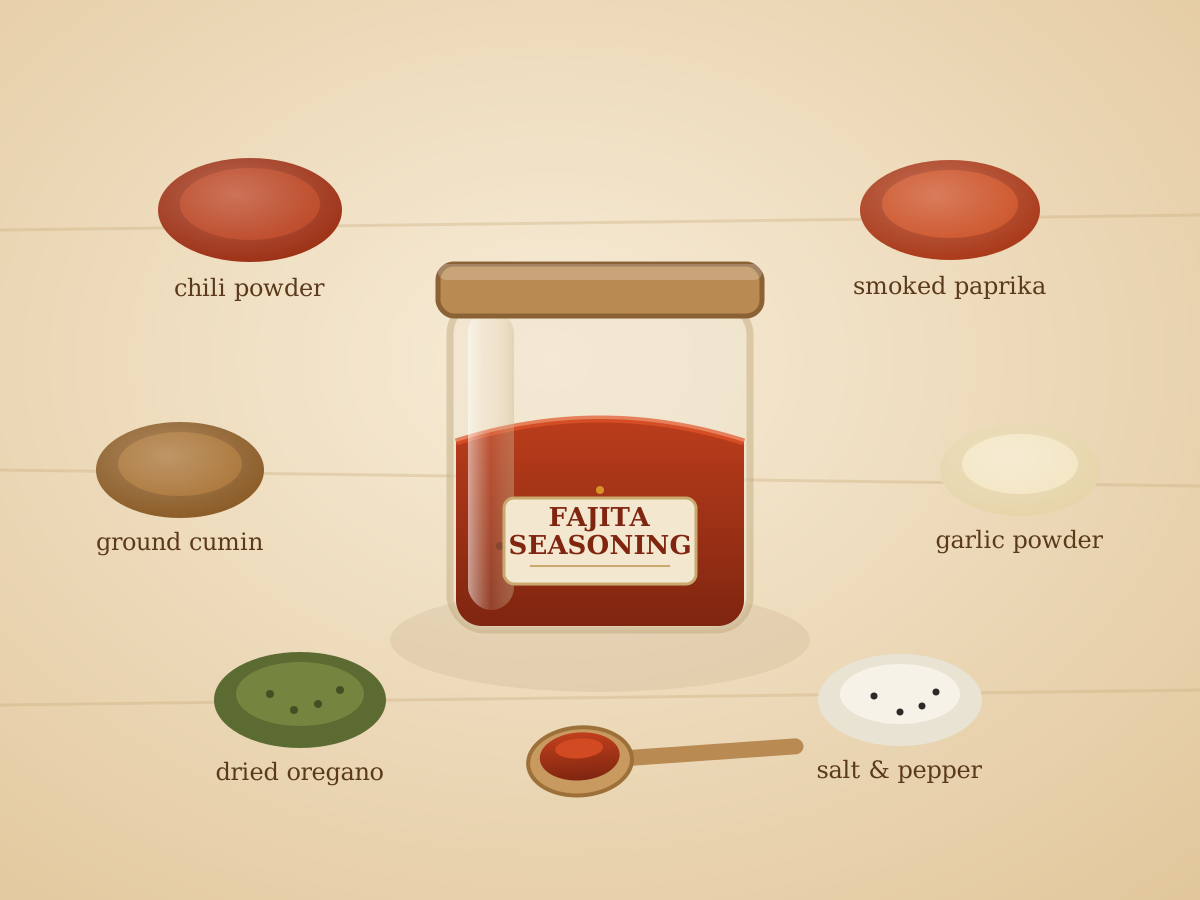
Homemade Fajita Seasoning
Homemade fajita seasoning is a chili-powder base rounded out with cumin, smoked paprika, garlic and onion powder, oregano, salt, cayenne, and black pepper. Mixing your own skips the anti-caking fillers packets rely on and lets you dial the salt and heat yourself. One batch whisks together in five minutes and keeps its punch for about six months in an airtight jar.
Steak Fajita Seasoning
Steak fajita seasoning is a beefier take on the all-purpose blend: more cumin, ancho and chipotle for deep smoky chile, and a little brown sugar that helps the surface caramelize into a dark crust on skirt or flank. Coarser salt seasons a thick cut better than fine table salt. Mix it in five minutes and rub it on right before a hard, hot sear.
Fajita Marinade
A master fajita marinade is lime juice for brightness, oil to carry flavor and prevent sticking, garlic and fajita seasoning for depth, and a splash of soy or Worcestershire for savory backbone. Timing is everything: 15 to 30 minutes for shrimp or thin cuts, up to a few hours for chicken and steak. The acid mostly works the surface, so longer is not better — too long turns the exterior mushy.