Homemade vs Packet Fajita Seasoning: Is It Worth Making Your Own?
Homemade fajita seasoning is fresher, cheaper by the ounce, salt-controlled, and free of anti-caking agents and fillers — and it takes two minutes from spices you already own. Packet seasoning wins only on convenience and shelf life. If you cook fajitas more than occasionally, mixing your own from cumin, chili powder, smoked paprika, garlic, and oregano is a clear upgrade in flavor and cost.

Homemade vs packet fajita seasoning compared on flavor, cost, salt, and additives — and a two-minute blend to replace the packet.
Substitutions
| Instead of | Use | Adjust | Expect | Avoid when |
|---|---|---|---|---|
| chili powder | ancho or guajillo powder plus a little extra cumin | — | Single-chile powders are fruitier and less salty than a blended chili powder. | — |
The science
Flavor, salt, cost, and additives
Packet seasonings are built for shelf stability and consistency, so they lean on salt, sometimes sugar and cornstarch, and anti-caking agents, and their ground spices have often sat for a long time and lost aroma. A homemade blend uses your own spices at their freshest and lets you dial the salt — most packets are quite salty, which matters if you are watching sodium or salting the meat separately. On cost, a packet runs a dollar or two for one use, while a jar of homemade blend costs a little more up front but is cheaper per batch and makes many uses. Blooming your fresh blend in hot oil for twenty seconds releases aromas a packet simply cannot match.
The call: Packets trade fresh aroma and salt control for shelf stability; homemade is fresher, cheaper per use, and yours to adjust.
Technique
A two-minute blend to replace the packet
One packet is roughly equal to two to three tablespoons of homemade blend. Mix one tablespoon chili powder, two teaspoons ground cumin, one teaspoon smoked paprika, one teaspoon garlic powder, one teaspoon onion powder, half a teaspoon dried oregano (Mexican if you have it), and salt and a pinch of cayenne to taste. Scale it up and keep a jar. Use about one to two tablespoons per pound of meat, and salt separately so you control it. Toast whole cumin and grind it for the best aroma, and store the blend airtight away from heat and light, where it keeps its punch for a few months. For a lower-sodium version, leave the salt out of the jar and salt the meat directly.
The call: Blend: 1 Tbsp chili powder + 2 tsp cumin + 1 tsp each smoked paprika/garlic/onion + ½ tsp oregano + salt to taste.
Recommended gear
Disclosure: As an Amazon Associate, FajitaRecipe.com earns from qualifying purchases. Recommendations are chosen to help you cook better fajitas; some Amazon links may earn a commission at no extra cost to you. See our selection methodology.
For making seasoning
CuisinartModel SG-10
Toasting whole cumin and grinding it fresh gives a homemade seasoning noticeably more aroma than pre-ground jars that have sat for months.
Best for: Grinding whole cumin and dried chiles for a fresher blend.
Homemade blend keeps its potency about six months in an airtight jar away from light and stove heat — worth it if you mix a big batch.
Best for: Storing homemade fajita seasoning so it keeps its punch.
Frequently asked questions
+Is homemade fajita seasoning better than a packet?
Yes for most cooks — homemade is fresher, cheaper per batch, salt-controlled, and free of fillers and anti-caking agents. It takes about two minutes from common spices. Packets win only on convenience and shelf life.
+How much homemade seasoning equals one packet?
About two to three tablespoons of homemade blend replaces one store packet. Use roughly one to two tablespoons per pound of meat and salt separately so you control the sodium.
+What is in fajita seasoning?
A core blend is chili powder, cumin, smoked paprika, garlic powder, onion powder, oregano, salt, and often a pinch of cayenne. Packets add the same base plus salt, sometimes sugar, cornstarch, and anti-caking agents.
Testing, sources & disclosure
Researched and reviewed by our editors. See our recommendation methodology.
- Author:
- FajitaRecipe Editorial
- Last reviewed:
- 2026-07-12
As an Amazon Associate, FajitaRecipe.com earns from qualifying purchases. We do not provide medical or dietary advice; follow USDA guidance for food safety.
Keep cooking
You might also like
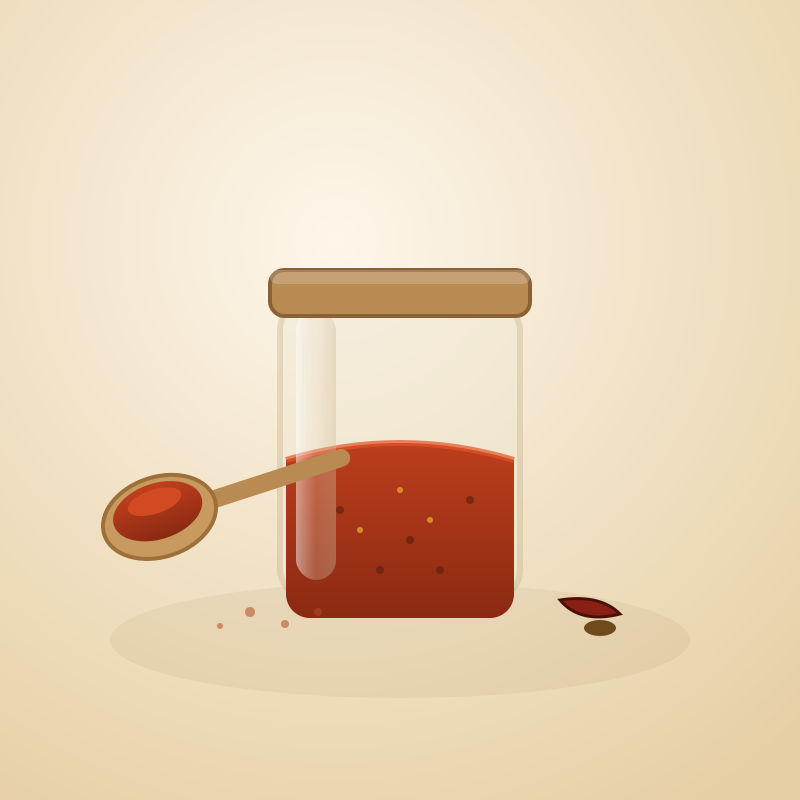
Fajita Sauce: The Creamy Drizzle and the Savory Pan Sauce
"Fajita sauce" means two different things: a cool, creamy drizzle you spoon over the finished plate, and a savory liquid that seasons the meat as it cooks or marinates. The creamy version is sour cream or crema loosened with lime, garlic, and a little of your fajita spice. The savory version leans on lime, oil, Worcestershire, garlic, and cumin. This guide gives you both, with ratios you can scale.
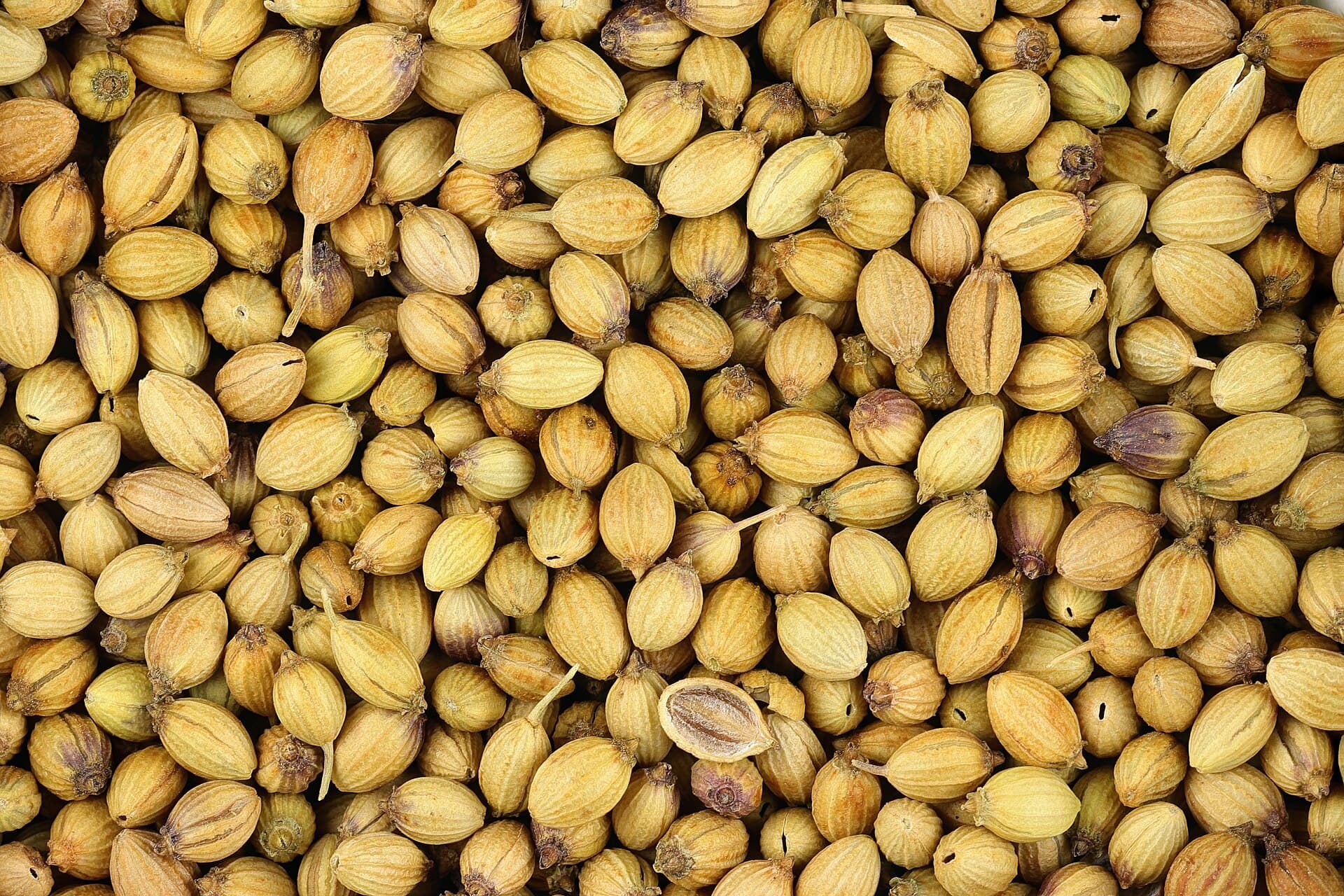 Sanjay Acharya · CC BY-SA 4.0
Low-Sodium Fajita Seasoning
A low-sodium fajita seasoning skips the salt inside the jar and builds flavor other ways: extra cumin for earthiness, dried citrus zest for brightness, smoked paprika for depth, and an optional pinch of MSG, which carries savor at a fraction of the sodium of salt. Salt at the table instead so you decide the amount. It mixes in five minutes and tastes full, not flat.
Steak Fajita Seasoning
Steak fajita seasoning is a beefier take on the all-purpose blend: more cumin, ancho and chipotle for deep smoky chile, and a little brown sugar that helps the surface caramelize into a dark crust on skirt or flank. Coarser salt seasons a thick cut better than fine table salt. Mix it in five minutes and rub it on right before a hard, hot sear.