Steak Fajita Seasoning
Steak fajita seasoning is a beefier take on the all-purpose blend: more cumin, ancho and chipotle for deep smoky chile, and a little brown sugar that helps the surface caramelize into a dark crust on skirt or flank. Coarser salt seasons a thick cut better than fine table salt. Mix it in five minutes and rub it on right before a hard, hot sear.
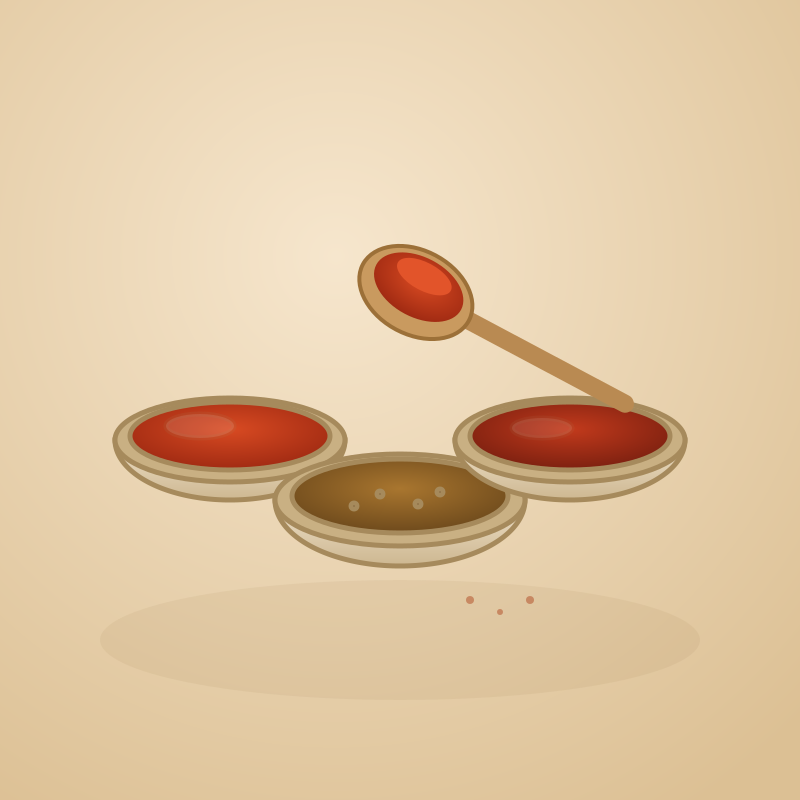
A deeper, smokier blend tuned for beef — built to crust up skirt and flank steak over high heat.
Ingredients
Showing ingredients for 1 serving in US customary units.
Spice blend
- 2 tbspChili powderShop
- 1½ tbspGround cuminHeavier than the all-purpose blend for a beefier, earthier base.Shop
- 2 tspAncho chile powderShop
- 1 tspChipotle powderAdds smoke and a slow-building heat; scale back for milder palates.Shop
- 1 tbspSmoked paprikaShop
- 2 tspGarlic powderShop
- 2 tspOnion powderShop
- 2 tspBrown sugarJust enough to help the surface caramelize; too much scorches over high heat.Shop
- 1 tspDried oregano, crushedShop
- To tasteCoarse kosher saltStart with 2 tsp; coarse crystals cling to a thick cut and season more evenly than fine salt.Shop
- 1½ tspCoarsely ground black pepperShop
Cook times are not scaled with servings — adjust pan size and cook in batches as needed. Salt and “to taste” items are intentionally left for your judgment.
🛒 links open an Amazon search for that ingredient. Some links may earn FajitaRecipe.com a commission if you buy through Amazon, at no extra cost to you.
Step by step
How to make it
Mix
Step 1. Break up any lumps of brown sugar with your fingers, then whisk all the ingredients together until the blend is an even, dark rust color.
~3 minStep 2. Taste a pinch. It should read smoky and deep first, with heat arriving a beat later; add chipotle for more smoke or a touch more sugar to soften the edges.
~2 min
Store
Step 3. Store in an airtight jar in a cool, dark spot. The brown sugar can clump in humidity, so tuck a food-safe desiccant packet in or add a few grains of rice.
Use
Step 4. Rub about 2 tablespoons per 1.5 lb of steak onto dry meat just before searing over high heat, then let the crust form undisturbed.
🛒 Shop this recipe
Pantry & spices
Cookware & tools
- Cuisinart SG-10 Electric Spice Grinder · SG-10Find →
- Glass Spice Jars with LabelsFind →
- Victorinox Fibrox 12-inch Granton Slicing Knife · 5.4233.30 (Fibrox 12" Granton)Find →
- John Boos Reversible Maple Cutting Board · RA03 (24 x 18 in)Find →
- ThermoWorks ThermoPop 2 · ThermoPop 2Find →
Already own these? Use what you have — no need to buy.
Recommendations are chosen to help you cook better fajitas; some Amazon links may earn a commission at no extra cost to you.
Substitutions
| Instead of | Use | Adjust | Expect | Avoid when |
|---|---|---|---|---|
| Ancho and chipotle powder | Extra chili powder plus a pinch of extra smoked paprika | Replace the 2 tsp ancho and 1 tsp chipotle with 1 tbsp chili powder and 1/2 tsp smoked paprika. | Milder and less smoky, closer to the all-purpose blend but still beef-friendly. | Skip this shortcut when the deep, smoky chile character is the whole point. |
| Brown sugar | Coconut sugar or a light drizzle of honey in the marinade instead | Swap brown sugar 1:1 for coconut sugar, or move the sweetness into a wet marinade. | Similar browning; honey in a marinade browns even faster, so watch the heat. | — |
The science
How this differs from all-purpose and chicken blends
Beef stands up to bolder, darker seasoning than chicken does. Where the all-purpose blend keeps cumin and chile in balance, this one pushes cumin up and adds ancho and chipotle for a smoky, almost bittersweet depth that would bully a delicate chicken breast. The other real difference is the brown sugar and coarse salt: sugar drives browning on a fast, hot sear, and coarse crystals cling to a thick skirt or flank cut instead of dissolving on contact. A chicken blend, by contrast, stays brighter and skips the sugar because leaner meat scorches faster.
The call: Reach for this blend on beef; use the lighter all-purpose or chicken blend on poultry to avoid overwhelming it.
Technique
Getting a dark crust without burning the sugar
The brown sugar in this blend is a feature and a hazard. It caramelizes into that steakhouse-dark exterior, but sugar also burns bitter if it sits too long on a scorching surface. Rub the seasoning on right before cooking rather than hours ahead, pat the steak dry first so the crust forms fast, and get the pan properly hot so the sear happens in two to three minutes a side. Skirt and flank are thin, so they crust and cook through quickly — pull them before the sugar tips from caramelized to charred.
The call: Season just before searing and keep the sear short so the sugar caramelizes instead of burning.
Recommended gear
Disclosure: As an Amazon Associate, FajitaRecipe.com earns from qualifying purchases. Recommendations are chosen to help you cook better fajitas; some Amazon links may earn a commission at no extra cost to you. See our selection methodology.
For making seasoning
CuisinartModel SG-10
Toasting whole cumin and grinding it fresh gives a homemade seasoning noticeably more aroma than pre-ground jars that have sat for months.
Best for: Grinding whole cumin and dried chiles for a fresher blend.
Homemade blend keeps its potency about six months in an airtight jar away from light and stove heat — worth it if you mix a big batch.
Best for: Storing homemade fajita seasoning so it keeps its punch.
For slicing steak
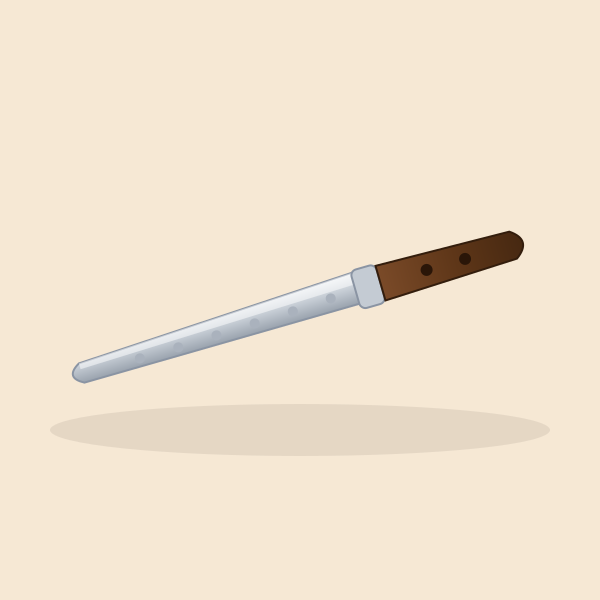 Victorinox
Model 5.4233.30 (Fibrox 12" Granton)
Thin, even slices across the grain are what make skirt and flank tender. A long granton slicer does it in one clean stroke instead of sawing.
Best for: Clean, thin, against-the-grain slices on skirt and flank steak.
John BoosModel RA03 (24 x 18 in)
A roomy board with a juice groove lets steak rest and be sliced in one place; pour the caught juices back over the strips before serving.
Best for: Resting and slicing steak with room to spare.
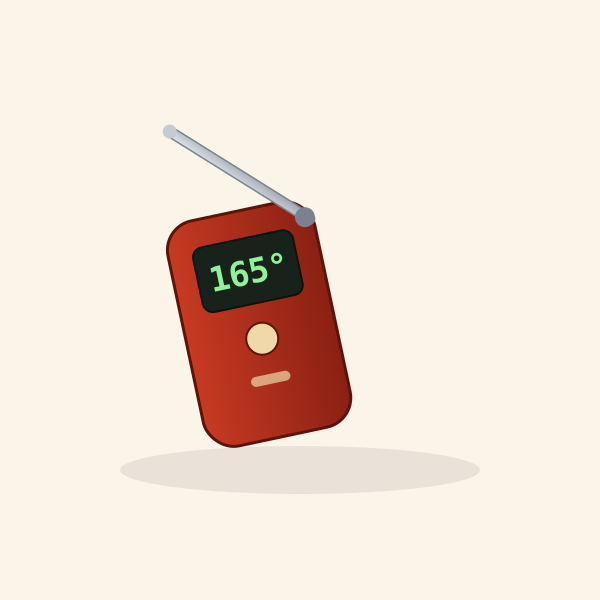 ThermoWorks
Model ThermoPop 2
You do not need a premium thermometer to cook safe chicken. The ThermoPop 2 is accurate and a few seconds slower — a great-value pick from the same maker.
Best for: A reliable read without the premium price.
Serving & storage
Slice against the grain to finish the job
Seasoning sets up the flavor, but the texture of steak fajitas is decided at the cutting board. Skirt and flank have long, visible muscle fibers, and slicing across them — against the grain — shortens each fiber so the meat chews tender instead of stringy. Let the steak rest a few minutes off the heat so juices redistribute, find the direction the lines run, and cut thin slices at a slight angle. Even a beautifully crusted, well-seasoned steak turns tough if it is cut the wrong way.
The call: Rest the steak, then slice thin against the grain so the well-seasoned crust is not wasted on tough bites.
Frequently asked questions
+Can I use this same blend on chicken or shrimp?
You can, but it is built for beef. On chicken or shrimp the heavier cumin and smoky chiles can dominate, and the brown sugar browns faster on lean, thin proteins. If you want to use it anyway, go lighter with the amount and keep a close eye on the heat so the sugar does not scorch.
+Do I rub it on dry or mix it into a marinade?
Both work. As a dry rub applied just before searing, you get the darkest crust. Stirred into oil, lime, and a splash of Worcestershire, it becomes a marinade that also seasons the interior. For a quick weeknight steak, dry rub is faster and gives more char.
+Why coarse salt instead of table salt?
Coarse kosher salt crystals cling to the surface of a thick cut and dissolve gradually, seasoning more evenly and helping the crust. Fine table salt dissolves on contact and is easy to overdo by volume, so if that is all you have, use noticeably less and taste as you go.
Testing, sources & disclosure
Researched and reviewed by our editors. See our recommendation methodology.
- Author:
- FajitaRecipe Editorial
- Last reviewed:
- 2026-07-05
As an Amazon Associate, FajitaRecipe.com earns from qualifying purchases. We do not provide medical or dietary advice; follow USDA guidance for food safety.
Keep cooking
You might also like
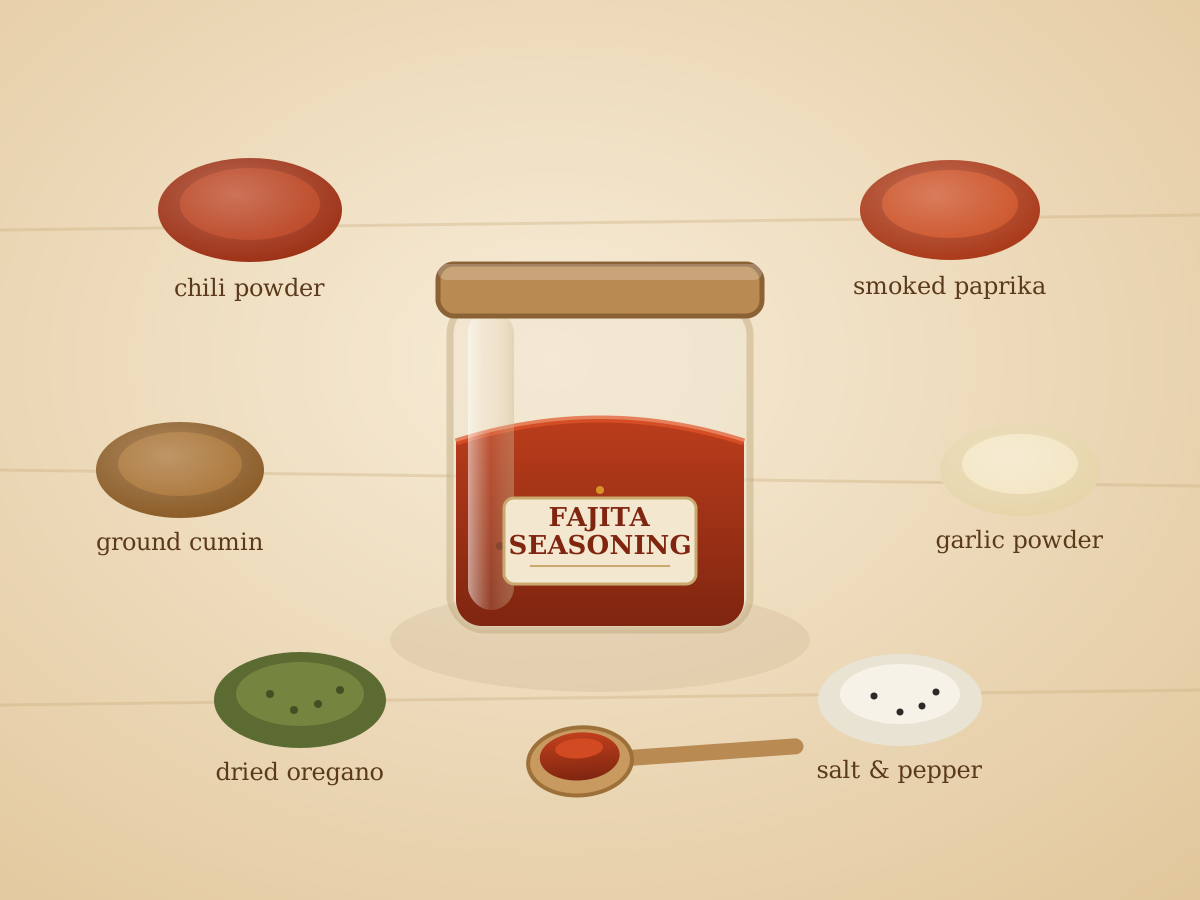
Homemade Fajita Seasoning
Homemade fajita seasoning is a chili-powder base rounded out with cumin, smoked paprika, garlic and onion powder, oregano, salt, cayenne, and black pepper. Mixing your own skips the anti-caking fillers packets rely on and lets you dial the salt and heat yourself. One batch whisks together in five minutes and keeps its punch for about six months in an airtight jar.
Steak Fajita Marinade
A steak fajita marinade is lime, oil, garlic, and cumin with a splash of soy or Worcestershire for savory depth. The key is keeping it short — 30 minutes to about 3 hours for skirt or flank — so the acid flavors the surface without softening the exterior you want firm enough to take a hard sear. It is built for a dark crust and a medium-rare center, not a long overnight soak.
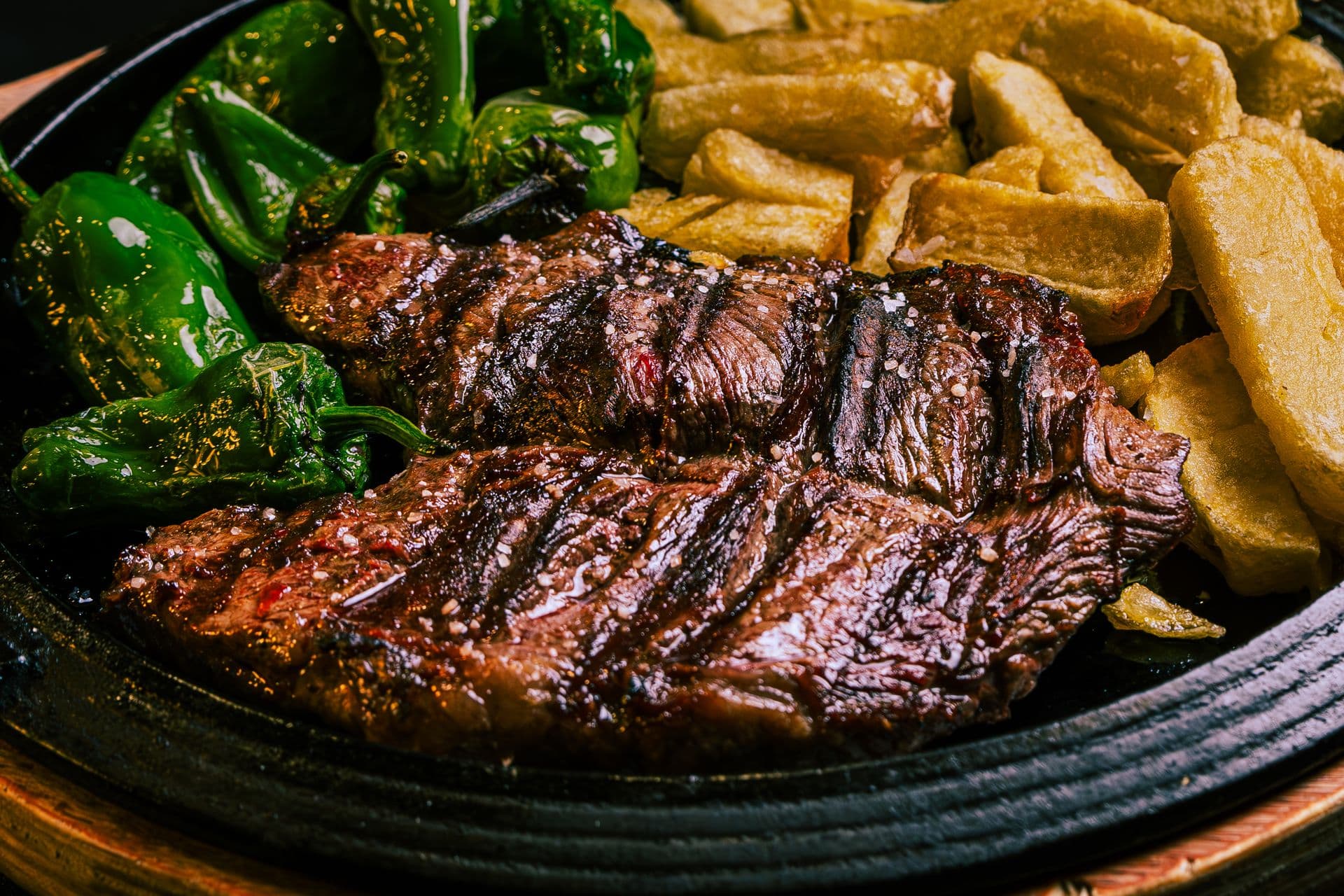 Pexels contributor · Pexels License
Cast-Iron Steak Fajitas
40 min · moderate
Cast-iron steak fajitas rely on a blazing-hot skillet to sear thin skirt or flank steak in under four minutes, then char peppers and onions in the rendered beef fat. Slice the rested steak against the grain, keep the pan crowd-free, and you get deep browning without steaming the meat gray. It is the closest a home stove comes to a restaurant flat-top.
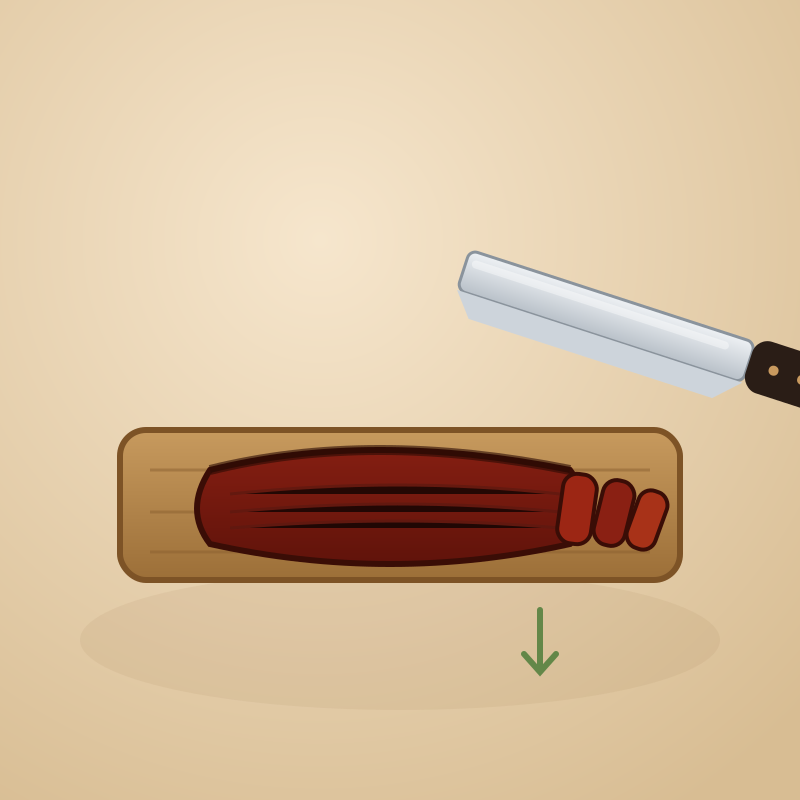
Best Steak for Fajitas: Skirt vs. Flank vs. Sirloin
Skirt steak is the best cut for fajitas: it is loosely grained, well marbled, and drinks up marinade, giving that classic beefy chew when sliced across the grain. Flank steak is the leaner, easier-to-find backup, and top sirloin or flap meat work when you want a budget cut. Whatever you buy, slice it thin against the grain.