Ingredient guide
Poblano Peppers
Dark green, wide-shouldered, and gently spicy, fresh poblanos add a deeper, earthier flavor to the classic bell-pepper-and-onion fajita filling than sweet peppers alone provide.
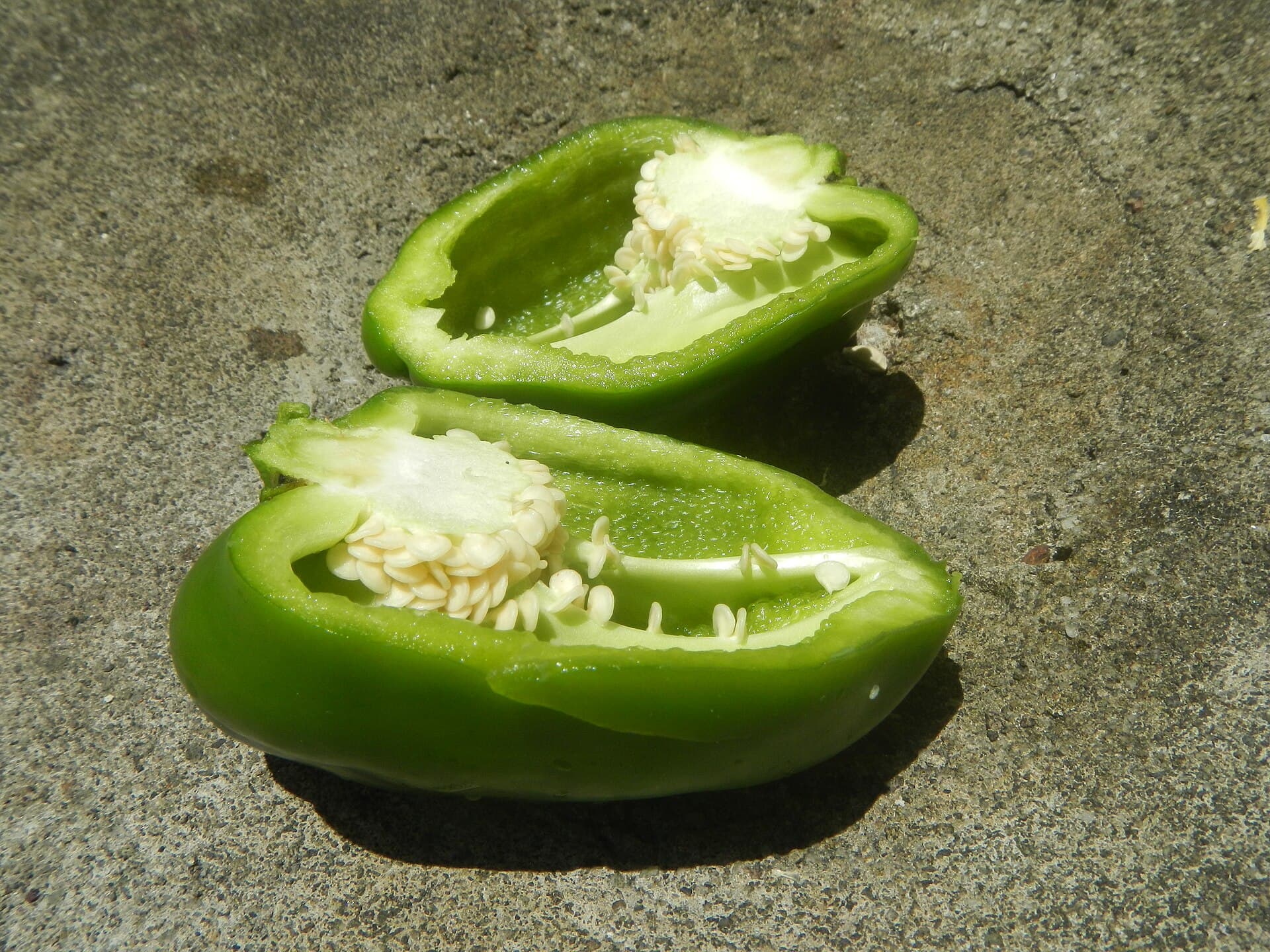 Judgefloro · CC0
- What it is
- Poblano is a large, dark green, heart-shaped fresh chile pepper, typically three to five inches long with broad shoulders and thick walls. It is the same pepper that, when ripened to red and dried, becomes the ancho chile — poblano and ancho are the fresh and dried forms of one plant, not two different peppers.
- Flavor
- Mild heat, generally 1,000-2,000 Scoville units (comparable to a mild-to-medium jalapeño at most, often milder), with a deep, slightly earthy, almost green-bell-pepper-plus flavor that turns sweeter and richer when roasted or charred.
- In fajitas
- Sliced and cooked alongside bell peppers and onions, poblano adds a deeper, more savory dimension to the classic fajita vegetable mix than bell pepper's straightforward sweetness alone; some cooks use poblano as a partial or full replacement for green bell pepper specifically for this reason. It holds its shape well under high-heat searing, similar to bell pepper.
- How to choose
- Look for firm, glossy, deep green skin without soft spots, wrinkling, or blistering (unless you're buying for immediate roasting, in which case minor surface blemishes don't matter). Heavier peppers for their size tend to have thicker, meatier walls, which hold up better to high-heat cooking.
- Storage
- Store unwashed in a paper bag or loosely wrapped in the refrigerator crisper drawer; poblanos keep for about a week to ten days this way. Roasted and peeled poblanos can be refrigerated for a few days or frozen for several months, making it worth roasting extra when you have the pan or broiler already going.
- How much
- One to two poblanos is typical alongside two to three bell peppers in a fajita filling for four people, though ratios are flexible to taste.
- Fresh vs dried
- Fresh poblano and dried ancho are the same pepper at different stages, but they taste and behave very differently in cooking — fresh poblano is grassy, mild, and best sliced and sautéed or charred, while dried ancho is sweet, raisin-like, and meant to be rehydrated and blended into sauces or marinades. A recipe calling for one cannot simply substitute the other.
Some links may earn FajitaRecipe.com a commission if you buy through Amazon, at no extra cost to you.
Substitutes: Anaheim or New Mexico green chile (milder, similar shape); Green bell pepper plus a pinch of ground ancho for a similar flavor without the fresh chile; Jalapeño in smaller quantity if more heat is acceptable.
Charring the skin for deeper flavor
Poblano's thick skin is more noticeably tough than a bell pepper's and benefits from charring under a broiler, over a gas flame, or on a hot grill until the skin blisters and blackens, then steaming in a covered bowl or paper bag for 10 minutes before peeling. This step, common in dishes like rajas or chile relleno, softens the flesh and adds a smoky sweetness that plain sautéing doesn't achieve — worth doing if poblano is meant to be a featured flavor rather than a background note in the fajita mix.
Occasional heat surprises
Unlike bell peppers, which carry essentially no capsaicin, poblanos do have real (if usually mild) heat, and that heat can vary noticeably from pepper to pepper — some batches run much spicier than others due to growing conditions. Tasting a small cooked piece before committing a whole batch to a family-friendly fajita filling is a reasonable precaution if diners are heat-sensitive.
A regional twist on the classic fajita mix
Standard Tex-Mex fajita fillings default to green and red bell pepper with white or yellow onion, but poblano shows up frequently in more regionally Mexican-leaning fajita and taco preparations, where its earthier, slightly smoky-when-charred flavor is preferred over bell pepper's cleaner sweetness. Mixing poblano into an otherwise standard filling is an easy way to shift a recipe's flavor profile without changing the technique.
Sources & further reading
- Chile Peppers — New Mexico State University Chile Pepper Institute. Reference on poblano pepper heat level and its relationship to ancho.