Ingredient guide
Ancho Chiles
The dried, wrinkled form of the poblano pepper, ancho chiles bring a mild, raisin-like sweetness and deep red color to fajita marinades and rubs. They are the workhorse chile of most Tex-Mex and Mexican seasoning blends.
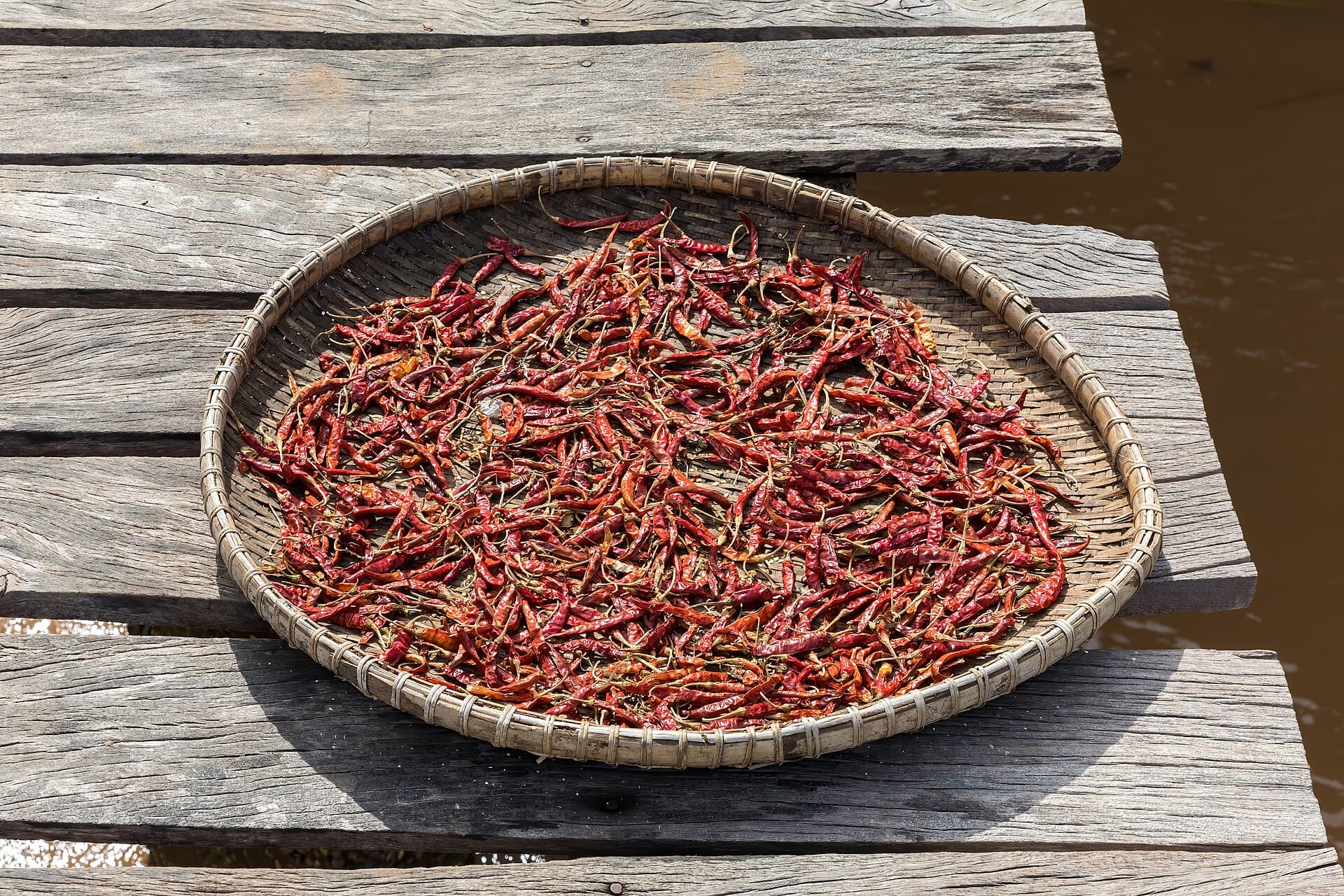 Basile Morin · CC BY-SA 4.0
- What it is
- Ancho chile is the dried form of the poblano pepper. Poblanos are picked ripe (dark green to red) and sun- or kiln-dried, which shrivels the skin into a broad, flattened, deep reddish-brown pod roughly three to five inches long. "Ancho" means "wide" in Spanish, describing its broad shoulders compared to narrower dried chiles like guajillo.
- Flavor
- Mild heat (roughly 1,000-2,000 Scoville units, milder than a jalapeño) with a sweet, fruity depth reminiscent of raisins, dried plum, and a faint smokiness or hint of tobacco. It reads more like a seasoning base than a source of heat.
- In fajitas
- Ancho is the backbone of most homemade fajita seasoning and marinades: rehydrated and blended into a paste, it adds deep red color and a rounded, slightly sweet chile flavor without overwhelming heat, letting garlic, cumin, and lime carry the rest of the profile. Toasted and ground, it also works as the base of a dry rub for skirt or flank steak.
- How to choose
- Choose pods that are pliable and bend without cracking, with matte (not shiny) skin. Shiny, brittle, or dusty-looking chiles have been sitting too long and will taste flat and cardboard-like. Buy from a store with turnover — a Mexican grocery or spice shop — rather than a rack that has been under fluorescent light for a year.
- Storage
- Keep whole dried pods in an airtight container or zip-top bag away from light and heat; they hold good flavor for about a year. Once ground into powder, flavor fades faster, so grind only what you need for a batch of seasoning rather than pulverizing the whole bag at once.
- How much
- For a fajita marinade for 1.5-2 lbs of steak or chicken, 1-2 rehydrated pods blended into the marinade is typical; for a dry rub, 1-2 tablespoons of ground ancho per pound of meat.
- Fresh vs dried
- Ancho is always sold dried — its fresh form is the poblano pepper, which has a grassier, greener flavor with almost none of the raisin-like sweetness drying develops. The two are not interchangeable in a recipe calling for one or the other.
Some links may earn FajitaRecipe.com a commission if you buy through Amazon, at no extra cost to you.
Substitutes: Guajillo chile (brighter, more acidic, less sweet); Mulato chile (similar but more chocolatey); Sweet paprika plus a pinch of chipotle powder in a pinch.
Rehydrating and blending ancho into a marinade
Stem and seed the pods, then toast them briefly in a dry skillet over medium heat — 20-30 seconds per side, just until fragrant and slightly puffed — before soaking in hot water for 15-20 minutes until pliable. Toasting first wakes up the chile's oils and prevents a raw, papery taste; skipping it is the most common reason homemade ancho marinades taste flat. Once soft, blend the drained pods with garlic, lime juice, a little of the soaking liquid, and oil into a smooth paste that clings to steak or chicken far better than a marinade built from powder alone.
Ancho versus chili powder blends
Standalone "ancho chile powder" is just ground, pure dried poblano and tastes noticeably different from generic supermarket "chili powder," which is a pre-mixed blend of chile, cumin, garlic powder, oregano, and salt. Recipes that call for ancho specifically want its clean, sweet-mild chile flavor as a base note; substituting a pre-mixed chili powder will throw off the balance of a fajita seasoning that already adds its own cumin and garlic. Check the label — some brands sell "ancho chili powder," which is the blend, not the pure chile.
A staple across Mexican regional cooking
Ancho is one of the "holy trinity" dried chiles (with guajillo and pasilla) used in classic Mexican sauces like mole and adobo, and it is the most widely stocked dried chile in U.S. grocery stores because of that broad culinary use. Its mildness makes it approachable for cooks who want authentic depth in a fajita marinade without adding real heat, which is why so many Tex-Mex seasoning recipes lean on it as the primary chile.
Related on Amazon
Some links may earn FajitaRecipe.com a commission if you buy through Amazon, at no extra cost to you.
Sources & further reading
- Chile Peppers — New Mexico State University Chile Pepper Institute. Background on ancho/poblano chile characteristics and Scoville range.
- Dried Chile Varieties Guide — University of California Cooperative Extension. Overview of common dried chile types used in Mexican cooking, including ancho.