Ingredient guide
Bell Peppers
The colorful, sweet strips sizzling alongside the meat in nearly every fajita platter, bell peppers add sweetness, color, and a satisfying char without any heat at all.
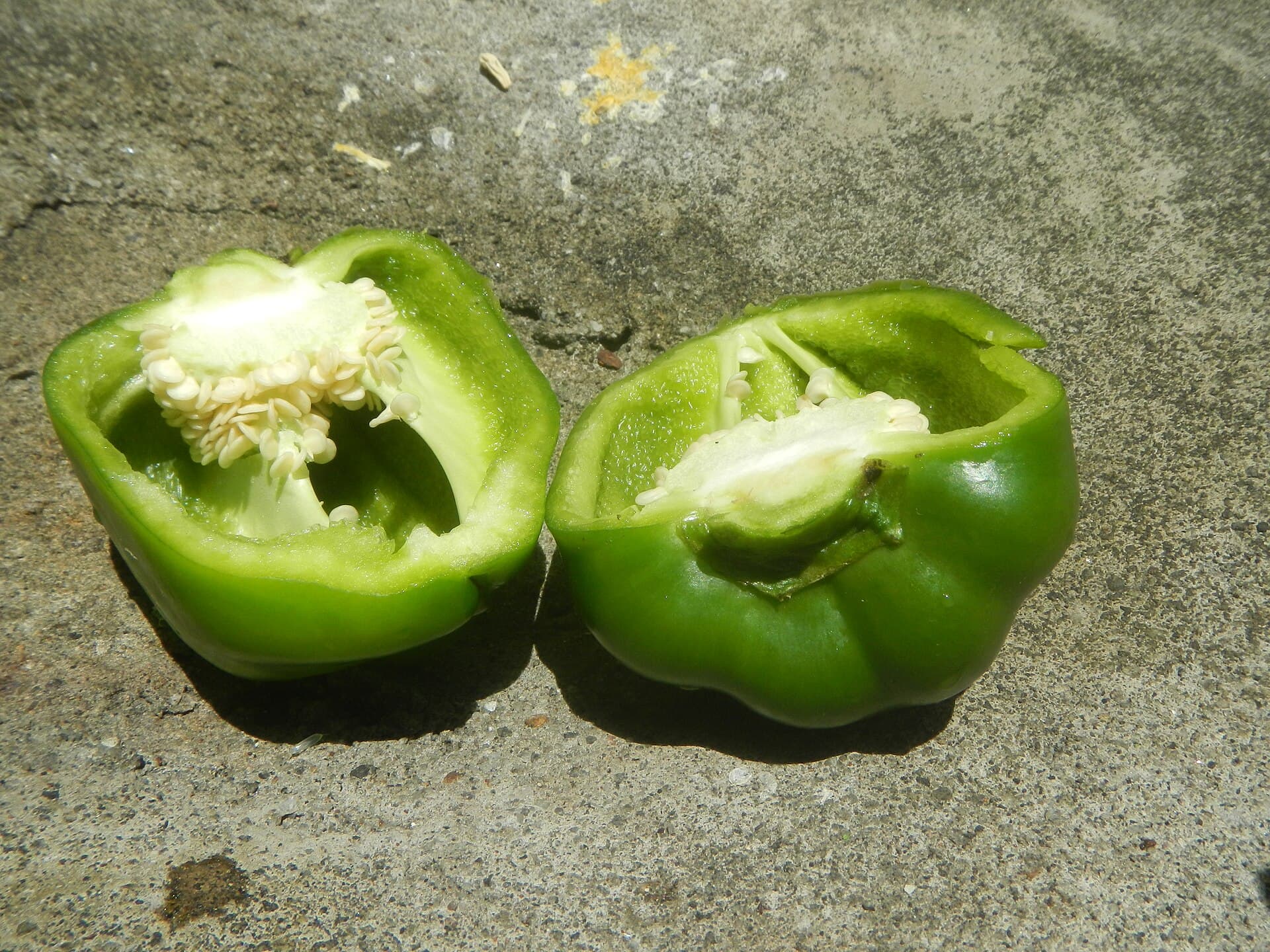 Judgefloro · CC0
- What it is
- Bell pepper is the sweet, blocky, thick-walled member of the Capsicum annuum family, grown in green, red, yellow, and orange varieties. Green bell peppers are simply harvested before fully ripening; red, yellow, and orange are the same pepper left on the plant longer to ripen and sweeten, which is why they cost more and taste sweeter.
- Flavor
- No measurable capsaicin heat at all (0 Scoville units) — green bell pepper is grassier and slightly bitter, while red, orange, and yellow are sweeter and more fruity, having had more time on the plant to develop sugars.
- In fajitas
- Bell peppers, sliced into strips and cooked with onion until softened and lightly charred, are the defining vegetable component of a classic fajita platter, providing sweetness, color contrast, and textural bite against the seared meat. Restaurant fajita platters typically use a mix of green and red (sometimes yellow) for visual contrast as much as flavor variety.
- How to choose
- Choose peppers that feel firm and heavy for their size with taut, glossy, unwrinkled skin; the number of "bumps" or lobes on the bottom (three versus four) is a popular kitchen myth about gender and sweetness that has no real basis — judge by weight, firmness, and color instead. Avoid peppers with soft spots, especially near the stem, where rot often starts first.
- Storage
- Store unwashed in the refrigerator crisper drawer, ideally in a perforated plastic bag; whole bell peppers keep well for one to two weeks. Once cut, refrigerate in an airtight container and use within three to four days, as cut surfaces dry out and the pepper softens over time.
- How much
- Two to three medium bell peppers, sliced into strips, is typical for a fajita filling serving four people, usually paired with one large onion.
Some links may earn FajitaRecipe.com a commission if you buy through Amazon, at no extra cost to you.
Substitutes: Poblano pepper (adds mild heat and earthier flavor); Cubanelle or banana pepper (thinner-walled, slightly more delicate); Any color mix works interchangeably — flavor differences between red/yellow/orange are minor compared to green.
Why color affects both flavor and cost
Because red, yellow, and orange bell peppers are simply green peppers left to ripen longer on the plant, they require more growing time and are more vulnerable to weather and pests before harvest, which is the main reason they typically cost more at the store than green peppers. The extra ripening time also converts more starches to sugars, which is why a red bell pepper tastes noticeably sweeter than a green one from the same plant.
Cutting for even cooking
Slicing bell peppers into uniform strips — roughly a quarter-inch thick, cut with (not against) the pepper's natural vertical ridges — helps them cook evenly and hold their shape under the high heat a fajita filling needs to develop char without turning to mush. Cutting across the ridges into thin half-moons is fine for a softer, more broken-down texture, but strips are the standard fajita cut for a reason: they mimic the shape of the sliced meat and hold up on a fork.
The char is the point
Unlike many vegetable preparations where browning is avoided, a proper fajita filling wants visible blistering and light charring on the pepper skins — that char is where a meaningful amount of the dish's smoky flavor comes from, especially for stovetop or indoor preparations without a grill. Crowding the pan (using too small a skillet for the quantity of peppers and onions) is the most common reason home cooks end up with steamed, pale peppers instead of charred ones — cook in batches if needed rather than overloading one pan.
Sources & further reading
- Bell Peppers — University of Illinois Extension. Reference on bell pepper ripening stages, color development, and storage.