Vegetarian Fajitas: How to Make Them Actually Filling
Good vegetarian fajitas need a hearty, savory anchor in place of the meat — portobello, black beans, tofu, or cauliflower — plus the classic charred peppers and onions. Season the same way you would steak (cumin, chili, lime, garlic), char everything hard so nothing steams, and add a rich topping like avocado or crema so the plate does not feel thin. The vegetables carry the dish, so give them heat and space.
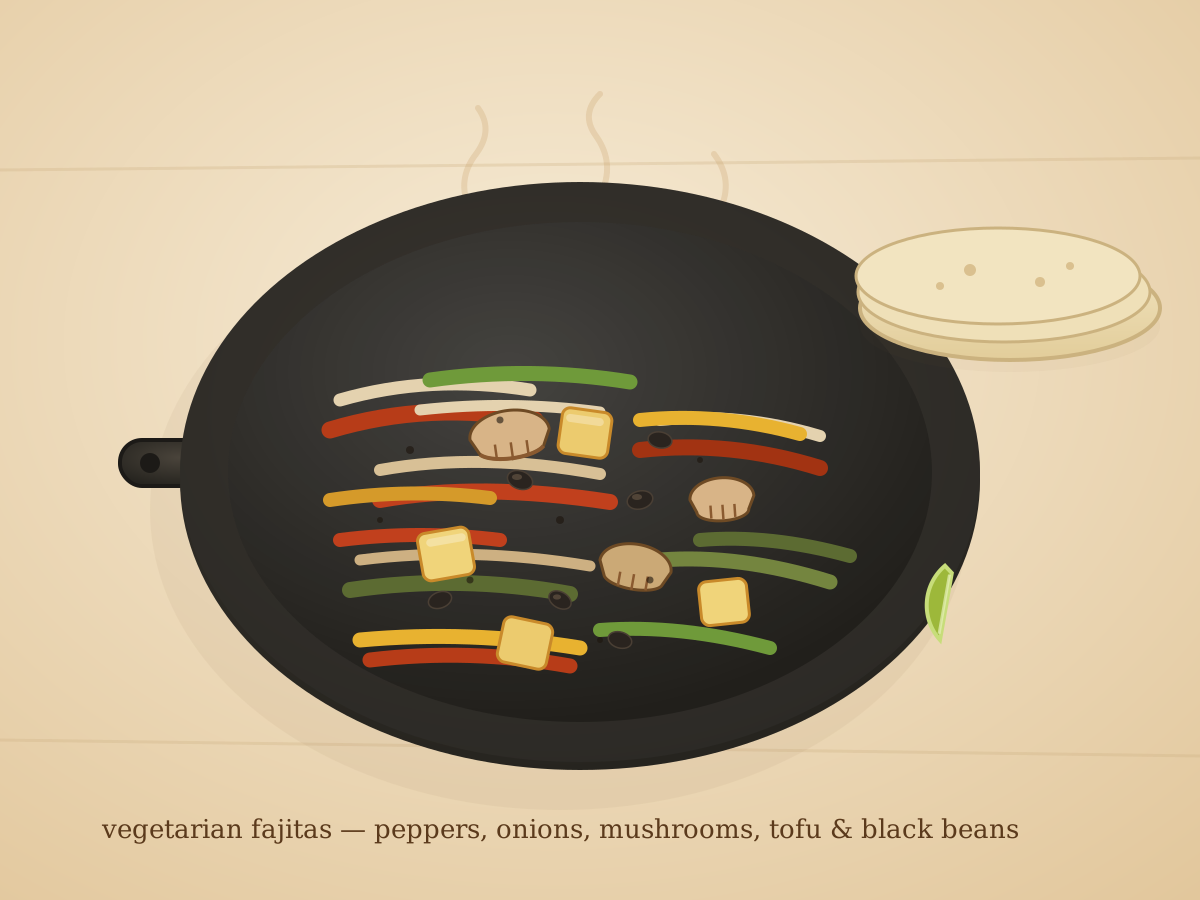
The best hearty vegetables and meatless protein swaps for fajitas, how to season and char them, and how to keep a meatless plate satisfying.
Substitutions
| Instead of | Use | Adjust | Expect | Avoid when |
|---|---|---|---|---|
| Steak or chicken | Portobello mushrooms | Use about 1 large portobello per person, sliced thick. Sear hard and undisturbed so they brown instead of releasing water. | The meatiest, most savory swap thanks to natural umami. | — |
| Steak or chicken | Extra-firm tofu | Use a 14–16 oz block for 3–4 servings. Press, marinate, then crisp in a hot pan before combining. | Higher protein and carries seasoning well; needs a hot pan for texture. | — |
| Steak or chicken | Black beans | One 15 oz can, drained, per 3–4 servings. | Cheapest protein boost; best combined with a charred vegetable for texture. | — |
The science
The best hearty vegetables and protein swaps
Portobello mushrooms are the closest thing to a meat swap: sliced thick and seared hard, they turn deeply savory and meaty because they are full of glutamate, the same umami compound that makes steak taste like steak. Black beans add protein and body and cost almost nothing. Firm or extra-firm tofu, pressed and crisped, soaks up marinade and gives a satisfying bite. Cauliflower, cut into thick planks and charred, brings sweetness and a substantial texture. Many of the best vegetarian fajitas combine two — say portobello and beans, or cauliflower and tofu — so the plate has both chew and protein.
The call: Portobello for the meatiest bite, beans for cheap protein, tofu to carry marinade, cauliflower for texture.
The science
Season it like a fajita, not like a salad
Vegetables can taste flat if you treat them gently, so season them with the same bold hand you would use on skirt steak: cumin, chili powder, smoked paprika, garlic, salt, and a squeeze of lime at the end. Toss the vegetables and any swap in oil and seasoning before they hit the heat so the spices toast and cling. Tofu and mushrooms benefit from a short marinade because they are porous; peppers and onions need only oil, salt, and heat. The lime and fresh cilantro go on after cooking, since acid and delicate herbs fade over high heat. Bold seasoning is what makes meatless fajitas taste like fajitas.
The call: Use the full fajita spice profile and finish with lime and cilantro off the heat.
Technique
Char hard and do not crowd the pan
The single biggest quality difference is char. Vegetables and meatless proteins hold a lot of water, and a crowded pan traps steam so they simmer to a limp, gray heap instead of blistering. Use the hottest pan or griddle you can, spread everything in a single layer, and leave it alone long enough to brown before tossing. Cook in batches if you have to — sear the mushrooms or tofu first, then the peppers and onions, and combine at the end. High, dry heat and room to breathe are what give vegetarian fajitas the smoky, caramelized edge that carries the whole dish.
The call: Sear over the highest heat in a single layer, in batches if needed, so nothing steams.
Serving & storage
Make the plate feel rich, not thin
Without meat, richness has to come from the toppings and sides, so lean into them: sliced avocado or guacamole, a spoon of sour cream or a lime crema, crumbled cotija or a melty cheese, and warm tortillas. A scoop of cilantro-lime rice or refried beans on the side turns a light plate into a full meal. These fats and starches replace the satiety the meat used to provide and keep the fajitas from eating like a snack. Build the plate deliberately and a meatless fajita night feels every bit as indulgent as a steak one.
The call: Add avocado, crema, cheese, and a rice or bean side to replace the richness the meat gave.
Frequently asked questions
+What can I use instead of meat in fajitas?
The most satisfying swaps are portobello mushrooms (the meatiest, thanks to natural umami), pressed and crisped extra-firm tofu, charred cauliflower, and seasoned black beans. Combining two — such as portobello and beans — gives both chew and protein so the plate does not feel thin.
+How do I keep vegetarian fajitas from being watery or soggy?
Use the hottest pan you can, spread everything in a single layer, and cook in batches so the vegetables sear instead of steam. Vegetables and tofu hold a lot of water, and crowding traps the steam. Char the mushrooms or tofu first, then the peppers and onions, and salt at the end so it does not draw out moisture early.
+Are vegetarian fajitas healthy?
They can be a nutritious, vegetable-forward meal, especially with beans or tofu for protein and lots of peppers and onions. Richness comes from the toppings — avocado, cheese, crema — and the tortillas and rice add the filling starch, so adjust those to taste. We do not publish specific nutrition numbers we cannot verify.
+Do vegetarian fajitas use the same seasoning as regular fajitas?
Yes — season them boldly with the same cumin, chili powder, smoked paprika, garlic, salt, and lime you would use on steak or chicken. Vegetables taste flat if seasoned timidly. Toss them in oil and spice before cooking so the seasoning toasts and clings, and add lime and cilantro after the char.
Testing, sources & disclosure
Researched and reviewed by our editors. See our recommendation methodology.
- Author:
- FajitaRecipe Editorial
- Last reviewed:
- 2026-07-13
As an Amazon Associate, FajitaRecipe.com earns from qualifying purchases. We do not provide medical or dietary advice; follow USDA guidance for food safety.
Keep cooking
You might also like
 Pexels contributor · Pexels License
Vegetable Fajitas
40 min · easy
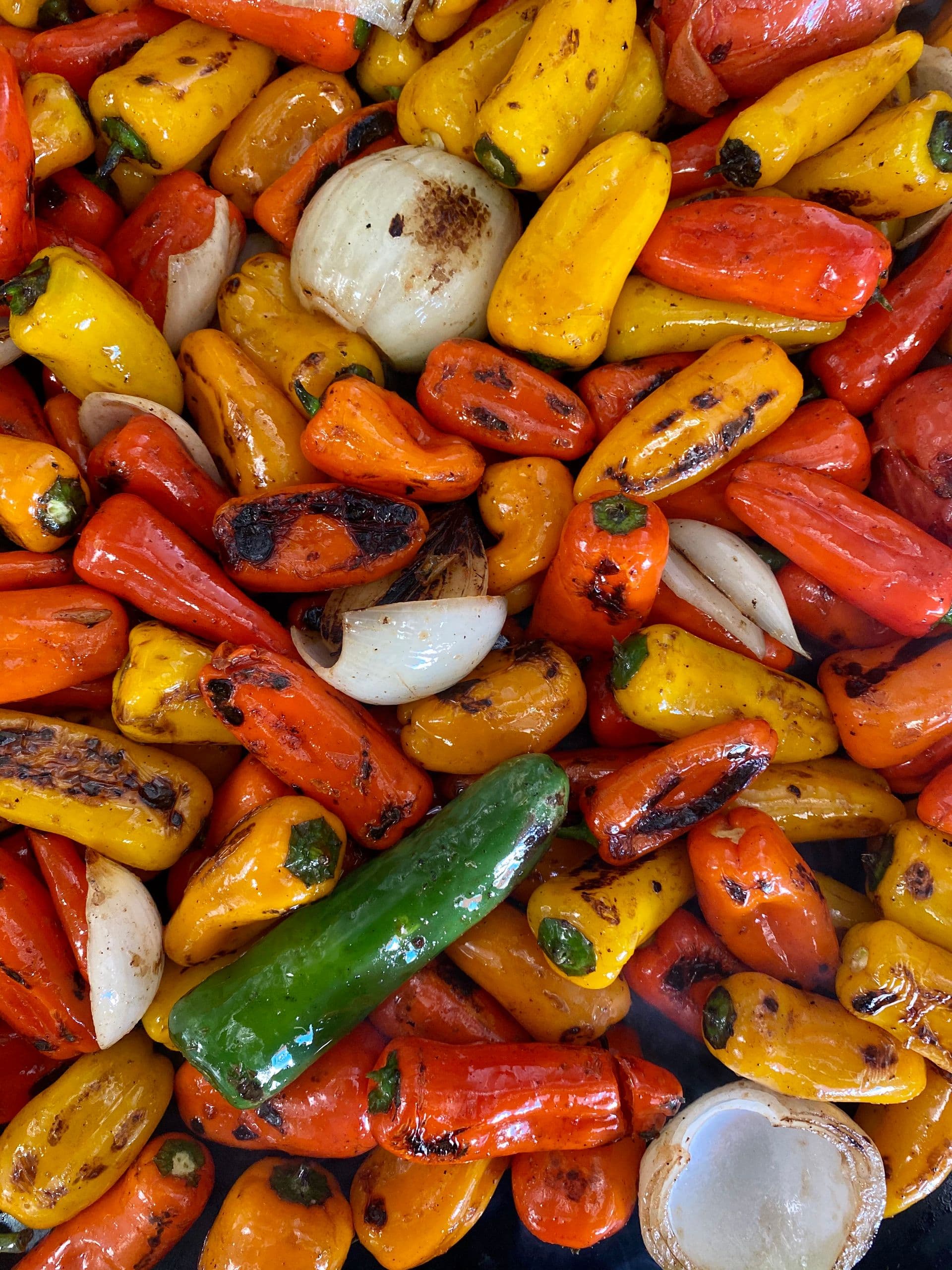
Vegetable fajitas load a sheet pan with portobello, zucchini, peppers, and onion, then roast them in a very hot oven so the edges char instead of steaming to mush. The trick is high heat, a single uncrowded layer, and roomy spacing so moisture evaporates. Meaty portobello gives the dish real heft. Finish with lime and fold into warm tortillas for a satisfying meatless meal.
Portobello Fajitas
30 min · easy
Portobello fajitas sear thick strips of portobello in a screaming-hot cast-iron skillet until the edges crisp and deepen to near-mahogany, giving a genuinely meaty bite without any meat. The key is a dry pan, thick cuts, and resisting the urge to move the mushrooms until they release and brown. Charred peppers and onions round it out, and a squeeze of lime at the end cuts the richness.
Tofu Fajitas
50 min · moderate
Tofu fajitas depend almost entirely on getting the tofu dry before it hits the pan. Press extra-firm tofu to force out excess water, pat it fully dry, then sear it hard in a screaming-hot cast-iron skillet without crowding so the surface crisps instead of steams. Skip these steps and you get pale, soggy cubes; do them right and tofu takes on a genuinely crisp, browned crust that holds up under seasoning and lime.

How to Keep Fajita Vegetables From Getting Soggy
Soggy fajita vegetables come down to one thing: water that steams instead of evaporating. The fixes are simple and always the same — use high heat, never crowd the pan, cook the vegetables separately from the meat, and salt only at the very end. This guide explains why each rule matters, how to rescue vegetables that are already going limp, and how to handle frozen peppers and onions without a watery mess.