Vegetable Fajitas
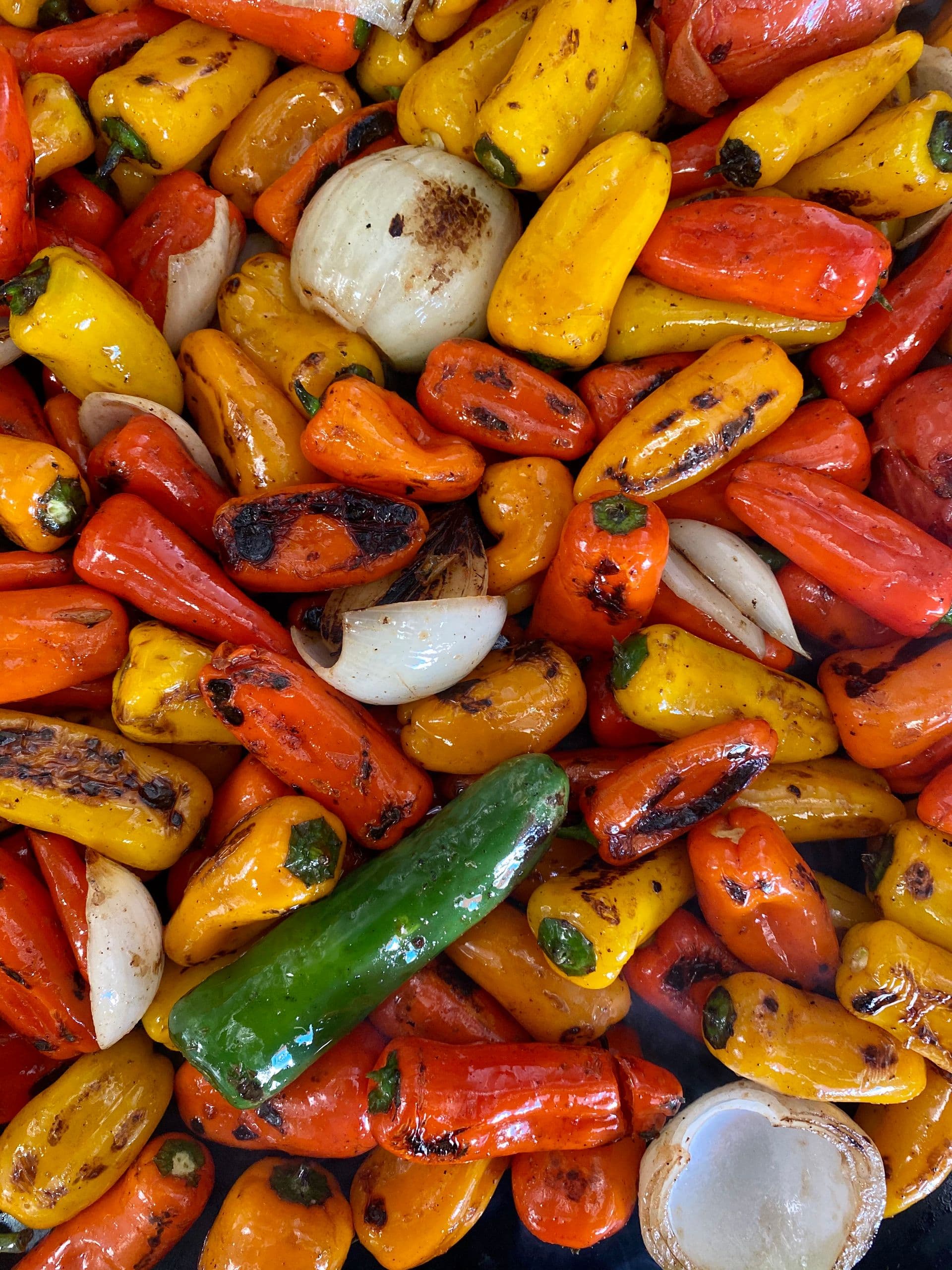
Vegetable fajitas load a sheet pan with portobello, zucchini, peppers, and onion, then roast them in a very hot oven so the edges char instead of steaming to mush. The trick is high heat, a single uncrowded layer, and roomy spacing so moisture evaporates. Meaty portobello gives the dish real heft. Finish with lime and fold into warm tortillas for a satisfying meatless meal.
- Prep
- 15m
- Cook
- 25m
- Total
- 40m
- Serves
- 4
- Level
- easy
 Pexels contributor · Pexels License
A hearty sheet-pan veggie fajita recipe built on portobello and high-heat roasting for real char.
Ingredients
Showing ingredients for 4 servings in US customary units.
Vegetables
Cook times are not scaled with servings — adjust pan size and cook in batches as needed. Salt and “to taste” items are intentionally left for your judgment.
🛒 links open an Amazon search for that ingredient. Some links may earn FajitaRecipe.com a commission if you buy through Amazon, at no extra cost to you.
Step by step
How to make it
Heat the oven
Step 1. Position a rack in the upper third and heat the oven to 450°F. A hot oven and a high rack are what drive char rather than a soft, watery roast.
~10 min450°F
Season
Step 2. Toss the portobello, zucchini, peppers, and onion with olive oil and fajita seasoning until evenly coated.
~5 min
Arrange
Step 3. Spread everything in a single, uncrowded layer across one or two sheet pans. Give the pieces room to breathe — crowd them and they steam into a limp pile instead of browning.
~3 min
Roast
Step 4. Roast 20–25 minutes, tossing once at the halfway mark, until the edges are charred and the mushrooms and zucchini are tender. For extra color, run the broiler for the last 1–2 minutes.
~23 min450°F
Finish
Step 5. Squeeze fresh lime over the roasted vegetables and adjust salt. The acid lifts the caramelized flavors.
Serve
Step 6. Pile the vegetables into warm tortillas and top as you like — avocado, a spoon of salsa, or crumbled cheese all work.
🛒 Shop this recipe
Pantry & spices
Fresh ingredients
Fresh items open an Amazon search — availability varies by location.
Cookware & tools
- Nordic Ware Naturals Half Sheet · Naturals Baker’s Half Sheet 43100Find →
- Winco Blade Slotted Flexible Turner · TN719Find →
- ThermoWorks ThermoPop 2 · ThermoPop 2Find →
- Victorinox Fibrox Pro 8-inch Chef’s Knife · 5.2063.20 (Fibrox Pro 8")Find →
- OXO Good Grips 12-inch Tongs · Good Grips 12" Locking TongsFind →
Already own these? Use what you have — no need to buy.
Recommendations are chosen to help you cook better fajitas; some Amazon links may earn a commission at no extra cost to you.
Fix it
If your veggie fajitas come out watery
Watery vegetable fajitas trace back to too low an oven, too crowded a pan, or vegetables cut too small. Bump the heat to 450°F, split the load across two pans so nothing overlaps, and keep the cuts at a half-inch so they hold their shape. Zucchini in particular sheds a lot of water, so give it space, and finish under the broiler to drive off the last of the moisture and build color.
The call: Raise heat, spread out, and cut larger to fix watery results.
Substitutions
| Instead of | Use | Adjust | Expect | Avoid when |
|---|---|---|---|---|
| Portobello mushrooms | Cremini mushrooms | Use about the same weight, left whole or halved. Roast the same way; they brown well but shrink more. | Similar savory depth in smaller, bite-size pieces. | — |
| Zucchini | Yellow squash or eggplant | Cut to the same half-inch thickness and roast alongside. | Eggplant is creamier; summer squash is nearly identical. | Skip watery choices cut too thin, which steam rather than char. |
The science
Char, not steam: why crowding ruins vegetables
Vegetables are mostly water, and that water is the enemy of browning. Packed tightly on a pan, they trap escaping steam, the surface never climbs past the boiling point of that moisture, and you get gray, floppy vegetables instead of caramelized ones. Spread across a hot pan with space around each piece, the steam escapes into the oven, the surfaces dry, and the sugars caramelize into the char that makes fajitas taste like fajitas. Two pans beat one overcrowded pan every time.
The call: Spread vegetables in a single loose layer so moisture escapes and edges char.
Technique
Portobello as the meaty anchor
Portobello mushrooms give vegetable fajitas the savory, substantial bite that keeps them from feeling like a side dish. Their dense, spongy caps brown deeply and take on a near-meaty texture when roasted hot. Slice them a full half-inch thick so they do not shrink away to nothing, and know that they release liquid early in the roast — which is exactly why the high heat and open pan matter, so that liquid boils off rather than pooling.
The call: Cut portobello thick and roast hot so it browns instead of stewing.
Equipment for this recipe
Disclosure: As an Amazon Associate, FajitaRecipe.com earns from qualifying purchases. Recommendations are chosen to help you cook better fajitas; some Amazon links may earn a commission at no extra cost to you. See our selection methodology.
For sheet-pan fajitas
 Nordic Ware
Model Naturals Baker’s Half Sheet 43100
A sturdy rimmed half-sheet gives chicken and peppers room to roast in a single layer instead of steaming. Thin pans buckle at 425°F and pool juices in the warp.
Best for: Sheet-pan fajitas for 3–4 in a single layer.
 Winco
WincoModel TN719
A thin, flexible turner slides under roasted chicken and peppers that caught on the pan, so you flip them instead of shredding them.
Best for: Lifting and turning sheet-pan pieces without tearing.
 ThermoWorks
Model ThermoPop 2
You do not need a premium thermometer to cook safe chicken. The ThermoPop 2 is accurate and a few seconds slower — a great-value pick from the same maker.
Best for: A reliable read without the premium price.
For peppers & onions
 Victorinox
Model 5.2063.20 (Fibrox Pro 8")
A sharp 8-inch chef’s knife handles the pepper and onion prep fajitas live on. The Fibrox handle grips even when your hands are wet from vegetables.
Best for: Slicing peppers and onions and general prep.
OXOModel Good Grips 12" Locking Tongs
Twelve-inch tongs keep your hand out of the smoke while you toss peppers and flip strips in a ripping-hot pan.
Best for: Tossing peppers and turning strips over high heat.
Serving & storage
Storing and reheating
Refrigerate leftovers within two hours and use within 3–4 days. Reheat on a sheet pan in a hot oven rather than the microwave to re-crisp the edges; microwaving turns roasted vegetables soft and releases more water. Leftovers are also excellent cold, folded into a grain bowl or a wrap.
Frequently asked questions
+How do I keep vegetable fajitas from getting soggy?
Roast hot at 450°F and spread the vegetables in a single uncrowded layer, using two pans if needed. Crowding traps steam and prevents the char that keeps them from going soft and watery.
+What vegetables are best for fajitas?
Peppers and onions are the base. Portobello adds meaty heft, and zucchini rounds it out. Any firm vegetable that chars well works; avoid delicate greens that wilt to nothing.
+Can I make these on the stovetop instead?
Yes. Char the vegetables in batches in a very hot cast-iron skillet so you do not crowd the pan. The sheet-pan method is simply more hands-off for the same result.
+How do I make this a full meal?
Add black beans or a scoop of rice, top with avocado or cheese, and the portobello provides enough substance to satisfy without any meat.
Testing, sources & disclosure
This recipe was developed and reviewed by our editors. We publish full kitchen-test notes here once a recipe has been cooked and verified in our kitchen.
- Author:
- FajitaRecipe Editorial
- Last reviewed:
- 2026-07-05
As an Amazon Associate, FajitaRecipe.com earns from qualifying purchases. We do not provide medical or dietary advice; follow USDA guidance for food safety.
Keep cooking
You might also like
 Pexels contributor · Pexels License
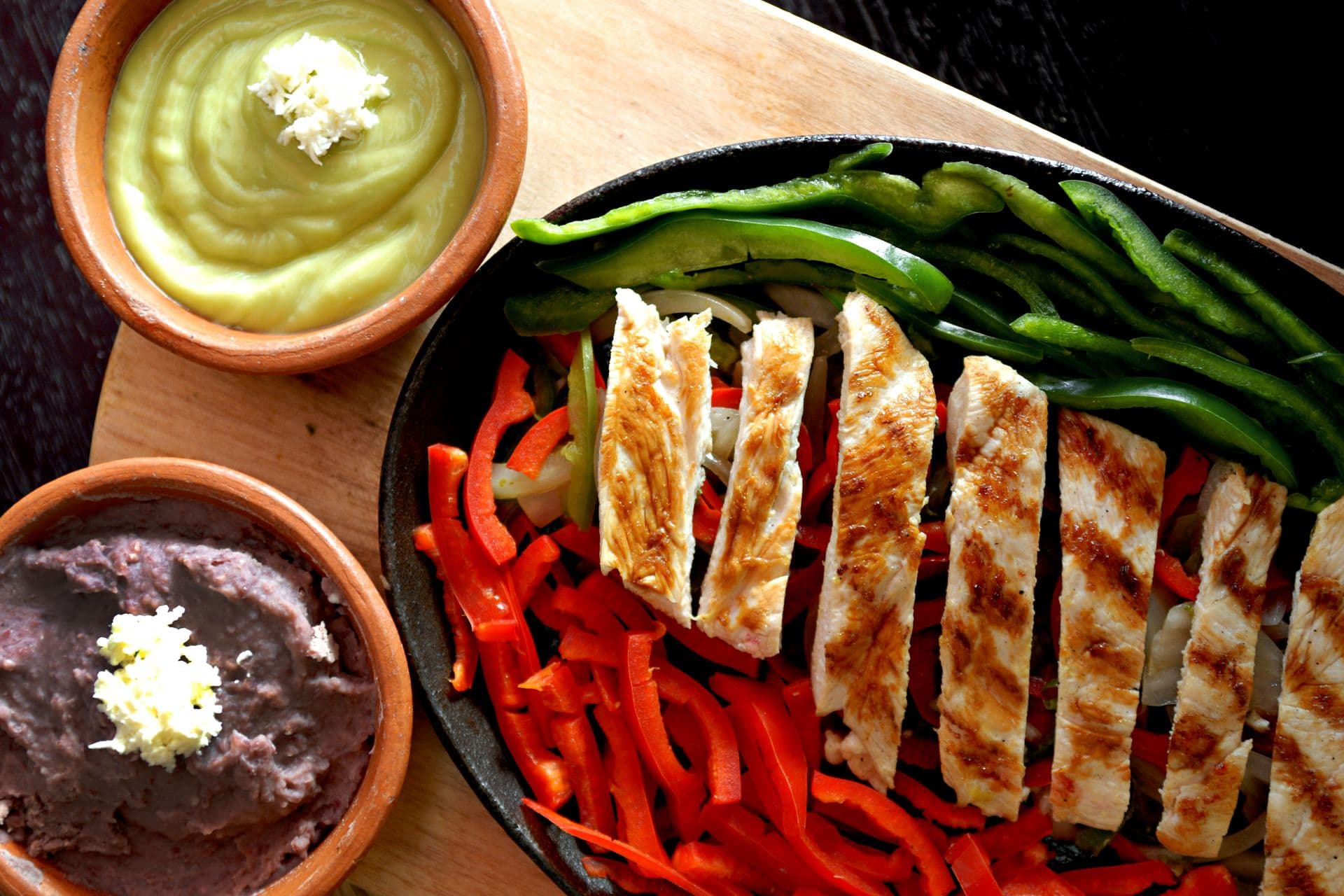
Shrimp Fajitas
25 min · easy
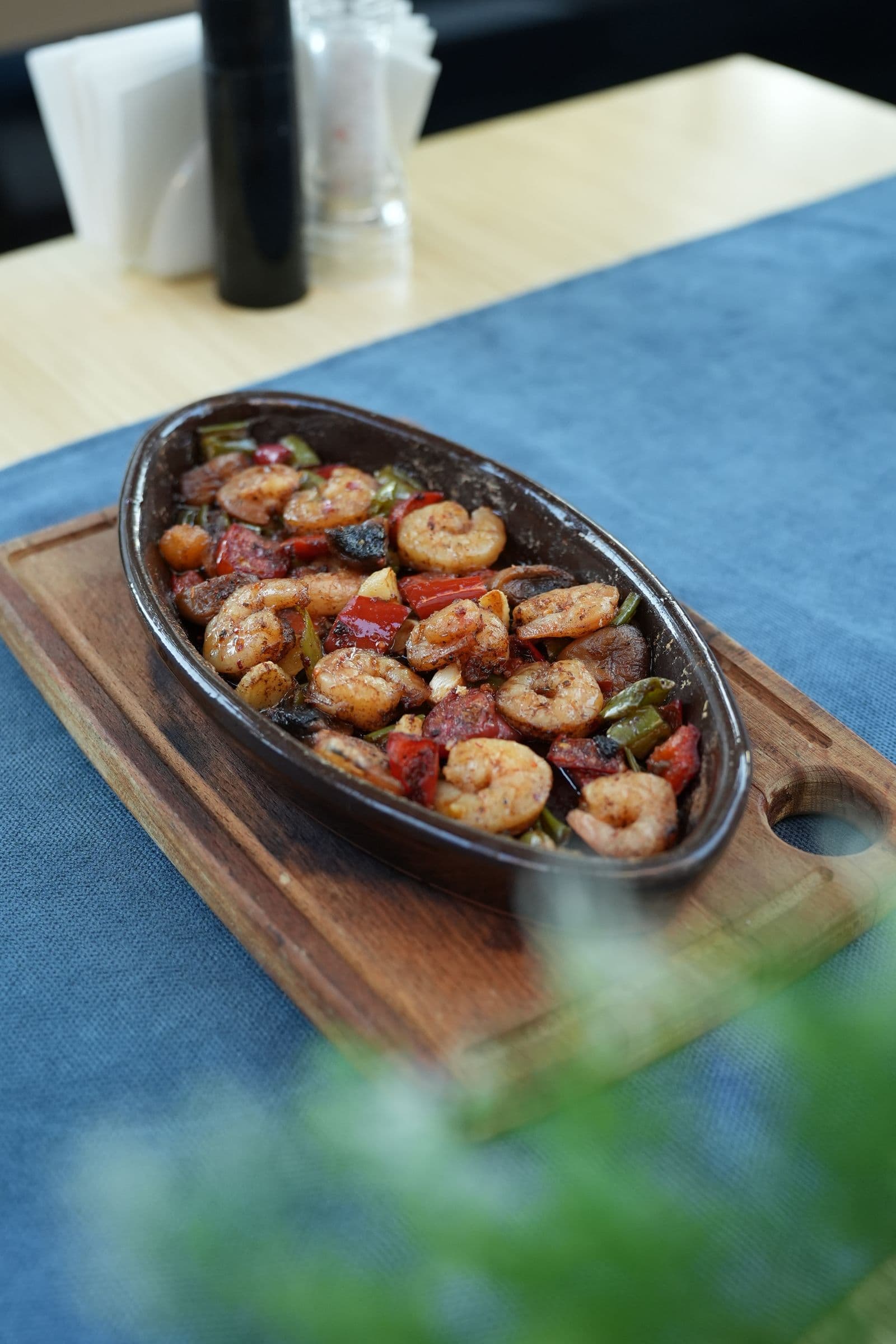
Shrimp fajitas come together in about fifteen minutes because shrimp cook in just two to three. Char the peppers and onions first, then sear the shrimp in a hot skillet only until they turn opaque and curl into a loose C. Skip the long marinade — citrus acid will start to firm and cloud raw shrimp on the counter. Toss with lime and pile into warm tortillas.
 Pexels contributor · Pexels License
Sheet-Pan Chicken Fajitas
40 min · easy
Sheet-pan chicken fajitas turn the oven into a hands-off cook that needs no standing at the stove. Toss sliced thighs, peppers, and onions with oil and seasoning, spread them in one uncrowded layer on a preheated pan, and roast at 425°F until the chicken hits 165°F and the edges color. One pan in, one pan out, and only a bowl and a knife to wash.
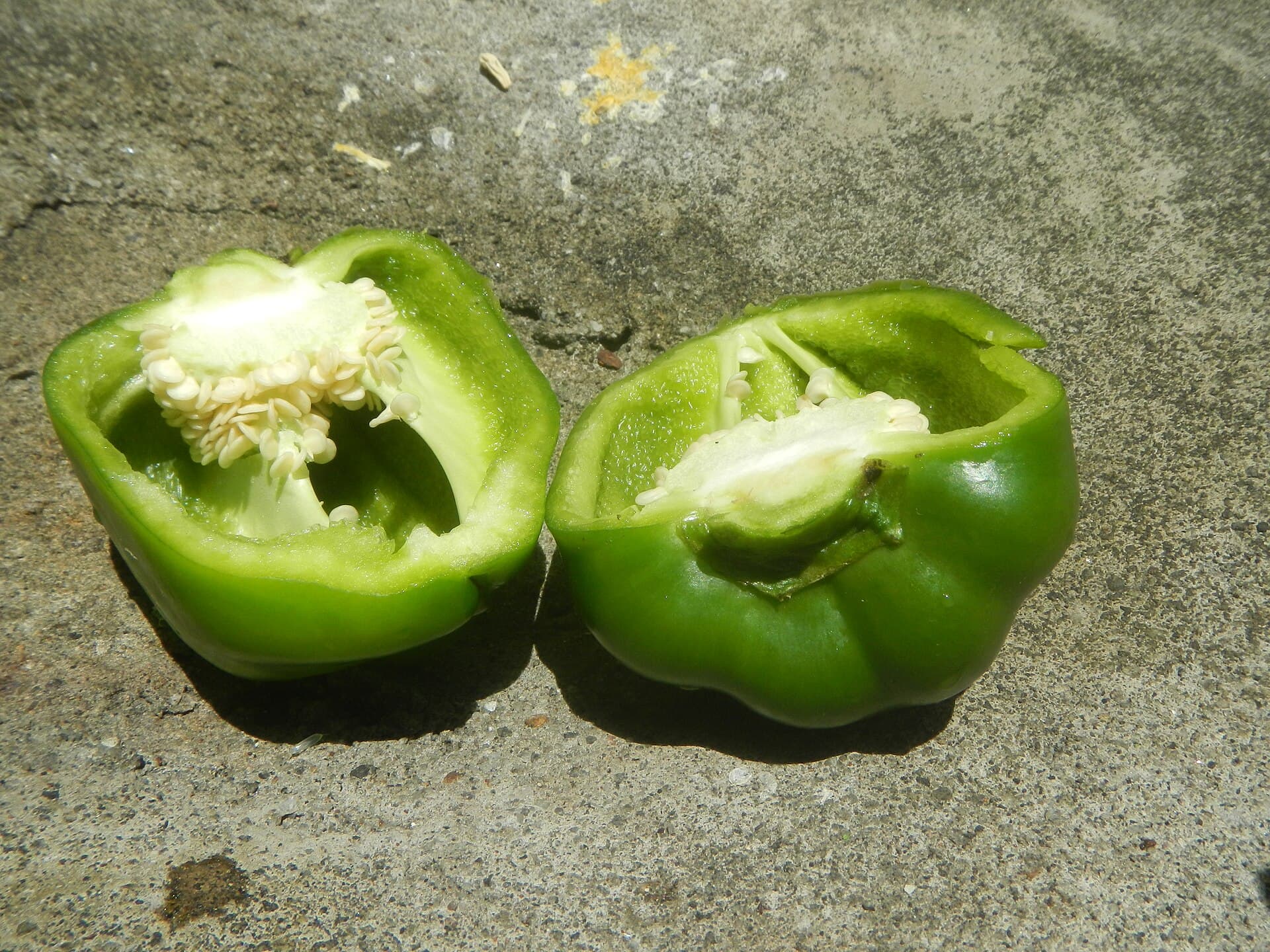
Best Peppers for Fajitas
Bell peppers are the fajita standard: use a mix of red, yellow, or orange for sweetness and green for a slightly bitter edge. Add a poblano when you want gentle warmth without real heat. Slice peppers about a quarter inch thick and cook them hot and fast so they char at the edges but keep some crunch instead of collapsing into softness.
Why Are My Fajitas Watery?
Watery fajitas almost always come from steaming instead of searing. When you crowd the pan, cook over low heat, salt the vegetables too early, or dump marinade into the skillet, moisture floods out faster than it can evaporate and the food simmers in its own liquid. The fix is high heat, a single layer cooked in batches, a dry protein surface, and draining the marinade before it hits the pan.