Tofu Fajitas
Tofu fajitas depend almost entirely on getting the tofu dry before it hits the pan. Press extra-firm tofu to force out excess water, pat it fully dry, then sear it hard in a screaming-hot cast-iron skillet without crowding so the surface crisps instead of steams. Skip these steps and you get pale, soggy cubes; do them right and tofu takes on a genuinely crisp, browned crust that holds up under seasoning and lime.
- Prep
- 35m
- Cook
- 15m
- Total
- 50m
- Serves
- 4
- Level
- moderate
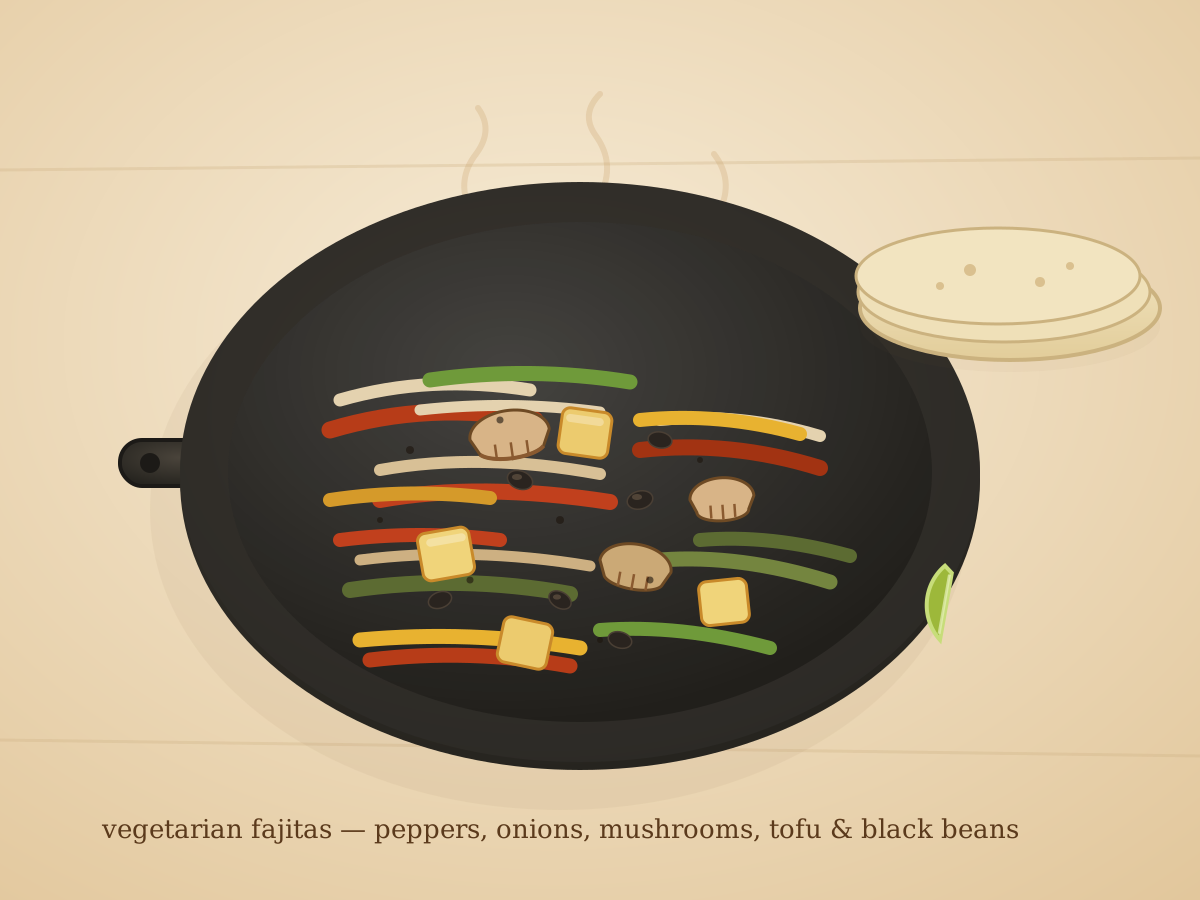
Pressed, hard-seared cast-iron tofu fajitas built around drying the tofu thoroughly before cooking.
Ingredients
Showing ingredients for 4 servings in US customary units.
Tofu
- 28 ozExtra firm tofu, pressed 30 minutes, cut into 3/4-inch cubesTwo standard 14 oz blocks. Pressing is not optional here.Search
- 2 tbspCornstarchA light dry coating helps the exterior crisp instead of just brown.Shop
- 4 tbspAvocado oilDivided; tofu needs a generous amount to crisp without sticking.Shop
- 2 tbspFajita seasoningToss with the seared tofu at the end, not before, so it does not clump on wet tofu.Shop
Peppers & onions
Cook times are not scaled with servings — adjust pan size and cook in batches as needed. Salt and “to taste” items are intentionally left for your judgment.
🛒 links open an Amazon search for that ingredient. Some links may earn FajitaRecipe.com a commission if you buy through Amazon, at no extra cost to you.
Step by step
How to make it
Press and dry the tofu
Step 1. Wrap the tofu blocks in paper towels or a clean kitchen towel, set a heavy pan or plate on top, and press for 30 minutes to force out excess water. Pat the cubes fully dry after cutting — this is the single most important step for a crisp sear.
~30 min
Coat
Step 2. Toss the dried tofu cubes with the cornstarch until lightly and evenly coated. The starch pulls remaining surface moisture and helps form a crisp crust.
~3 min
Sear the tofu
Step 3. Heat 2 tablespoons oil in a 12-inch cast-iron skillet over high until shimmering. Add the tofu in a single uncrowded layer — work in two batches if needed — and sear undisturbed 3 minutes per side, turning occasionally, until golden and crisp on most sides.
~9 minStep 4. Toss the crisped tofu with the fajita seasoning off heat, then transfer to a plate. Adding seasoning after searing keeps the crust from steaming back to soft.
~1 min
Char vegetables
Step 5. Add the remaining oil to the same hot skillet. Add the peppers and onion and char 6–7 minutes, tossing occasionally, until blistered and tender. Stir in the garlic for the last 30 seconds.
~7 min
Combine
Step 6. Return the tofu to the skillet and toss briefly with the vegetables just to combine and rewarm, about 30 seconds. Season with salt to taste.
~1 min
Serve
Step 7. Squeeze fresh lime over the top and serve immediately in warm tortillas, while the tofu is still crisp.
🛒 Shop this recipe
Pantry & spices
Fresh ingredients
Fresh items open an Amazon search — availability varies by location.
Cookware & tools
- Lodge 12-inch Cast Iron Skillet · L10SK3Find →
- Lodge Silicone Hot Handle Holder · ASHH11Find →
- ThermoWorks Thermapen ONE · Thermapen ONEFind →
- OXO Good Grips 12-inch Tongs · Good Grips 12" Locking TongsFind →
- Victorinox Fibrox Pro 8-inch Chef’s Knife · 5.2063.20 (Fibrox Pro 8")Find →
Already own these? Use what you have — no need to buy.
Recommendations are chosen to help you cook better fajitas; some Amazon links may earn a commission at no extra cost to you.
Fix it
If your tofu fajitas turn out soft instead of crisp
Soft, spongy tofu almost always traces back to skipping the press or rushing it — even 10 minutes under weight is not enough for the water release that a full 30 minutes provides. A crowded pan is the second most common cause: cubes touching each other trap steam between them. If both of those check out and the tofu still will not crisp, the pan likely was not hot enough before the tofu went in; the oil should shimmer and just about ripple before adding anything.
The call: Press a full 30 minutes, cook in batches if crowded, and preheat until oil shimmers.
Substitutions
| Instead of | Use | Adjust | Expect | Avoid when |
|---|---|---|---|---|
| Extra firm tofu | Super firm or high-protein tofu | Same weight; needs little to no pressing since it already carries less water. | Denser, chewier texture and an even faster, crisper sear. | — |
| Cornstarch | Arrowroot starch | Use the same amount, 1:1. | Nearly identical crisping with a slightly lighter finish. | — |
| Avocado oil | Refined peanut or grapeseed oil | — | — | Skip extra-virgin olive oil, which smokes at the heat this recipe needs. |
The science
Why pressing tofu is the step that matters most
Extra-firm tofu is still roughly 80–85% water by weight, held inside a soft protein curd. Any water left on or inside the cubes turns to steam the instant it hits a hot pan, and that steam holds the surface below the temperature needed for browning no matter how hot the burner is. Pressing physically forces that trapped water out under weight over time, and patting the cubes dry afterward removes what beading remains on the surface. Skip pressing and even a screaming-hot cast-iron pan will only ever produce pale, wet tofu.
The call: Press tofu for a full 30 minutes before cutting and cooking it.
Technique
Cornstarch and high heat, not low and slow
A light dusting of cornstarch after pressing gives the tofu surface a thin starchy layer that crisps and browns faster than the tofu curd would on its own, and it also mops up any last trace moisture. That coating only works with real heat behind it: a screaming-hot cast-iron skillet and a single uncrowded layer. Crowd the pan and the cubes steam each other; use medium heat and the crust never sets before the tofu overcooks and dries out inside.
The call: Coat pressed tofu lightly in cornstarch and sear it hard in a single layer.
Equipment for this recipe
Disclosure: As an Amazon Associate, FajitaRecipe.com earns from qualifying purchases. Recommendations are chosen to help you cook better fajitas; some Amazon links may earn a commission at no extra cost to you. See our selection methodology.
For cast-iron fajitas
 Lodge
LodgeModel L10SK3
A heavy 12-inch Lodge gives two servings of steak enough hot surface to brown without crowding. It is still too small for a six-person batch, which should be seared in rounds.
Best for: Everyday 2–4 serving skillet fajitas with a hard sear.
 Lodge
LodgeModel ASHH11
A cast-iron handle reaches the same temperature as the pan. A slip-on holder is the difference between confidently moving the skillet and dropping it.
Best for: Anyone using a blazing-hot cast-iron or carbon-steel handle.
 ThermoWorks
Model Thermapen ONE
Thin fajita chicken and steak swing past target in seconds. A one-second read lets you pull chicken at 165°F and steak at your chosen doneness before carryover overshoots.
Best for: A one-second, dependable read on thin proteins.
OXOModel Good Grips 12" Locking Tongs
Twelve-inch tongs keep your hand out of the smoke while you toss peppers and flip strips in a ripping-hot pan.
Best for: Tossing peppers and turning strips over high heat.
For peppers & onions
 Victorinox
Model 5.2063.20 (Fibrox Pro 8")
A sharp 8-inch chef’s knife handles the pepper and onion prep fajitas live on. The Fibrox handle grips even when your hands are wet from vegetables.
Best for: Slicing peppers and onions and general prep.
OXOModel Good Grips 12" Locking Tongs
Twelve-inch tongs keep your hand out of the smoke while you toss peppers and flip strips in a ripping-hot pan.
Best for: Tossing peppers and turning strips over high heat.
Serving & storage
Storing and reheating
Refrigerate leftovers within two hours and use within 3–4 days. Reheat in a dry skillet over medium-high heat to restore some crispness; the microwave will turn the tofu soft and rubbery again since it reintroduces steam rather than dry heat.
Frequently asked questions
+Do I really need to press the tofu?
Yes. Extra-firm tofu still holds a lot of water, and that water has to leave before the surface can brown. A 30-minute press under weight is what makes the difference between crisp and soggy tofu.
+Can I skip the cornstarch coating?
You can, but the crust will be thinner and less crisp. Cornstarch helps mop up remaining surface moisture and browns faster than the tofu curd on its own.
+Why is my tofu falling apart in the pan?
Extra-firm tofu cut too small or stirred too often will crumble. Cut cubes at least 3/4-inch, sear undisturbed for a few minutes per side, and turn gently with a thin metal spatula.
+What is the best way to season tofu for fajitas?
Season after searing, not before. Wet seasoning applied to raw tofu clumps and can prevent browning; tossing the crisped tofu with seasoning off heat lets the crust stay intact.
Testing, sources & disclosure
This recipe was developed and reviewed by our editors. We publish full kitchen-test notes here once a recipe has been cooked and verified in our kitchen.
- Author:
- FajitaRecipe Editorial
- Last reviewed:
- 2026-07-06
As an Amazon Associate, FajitaRecipe.com earns from qualifying purchases. We do not provide medical or dietary advice; follow USDA guidance for food safety.
Keep cooking
You might also like
 Pexels contributor · Pexels License
Vegetable Fajitas
40 min · easy
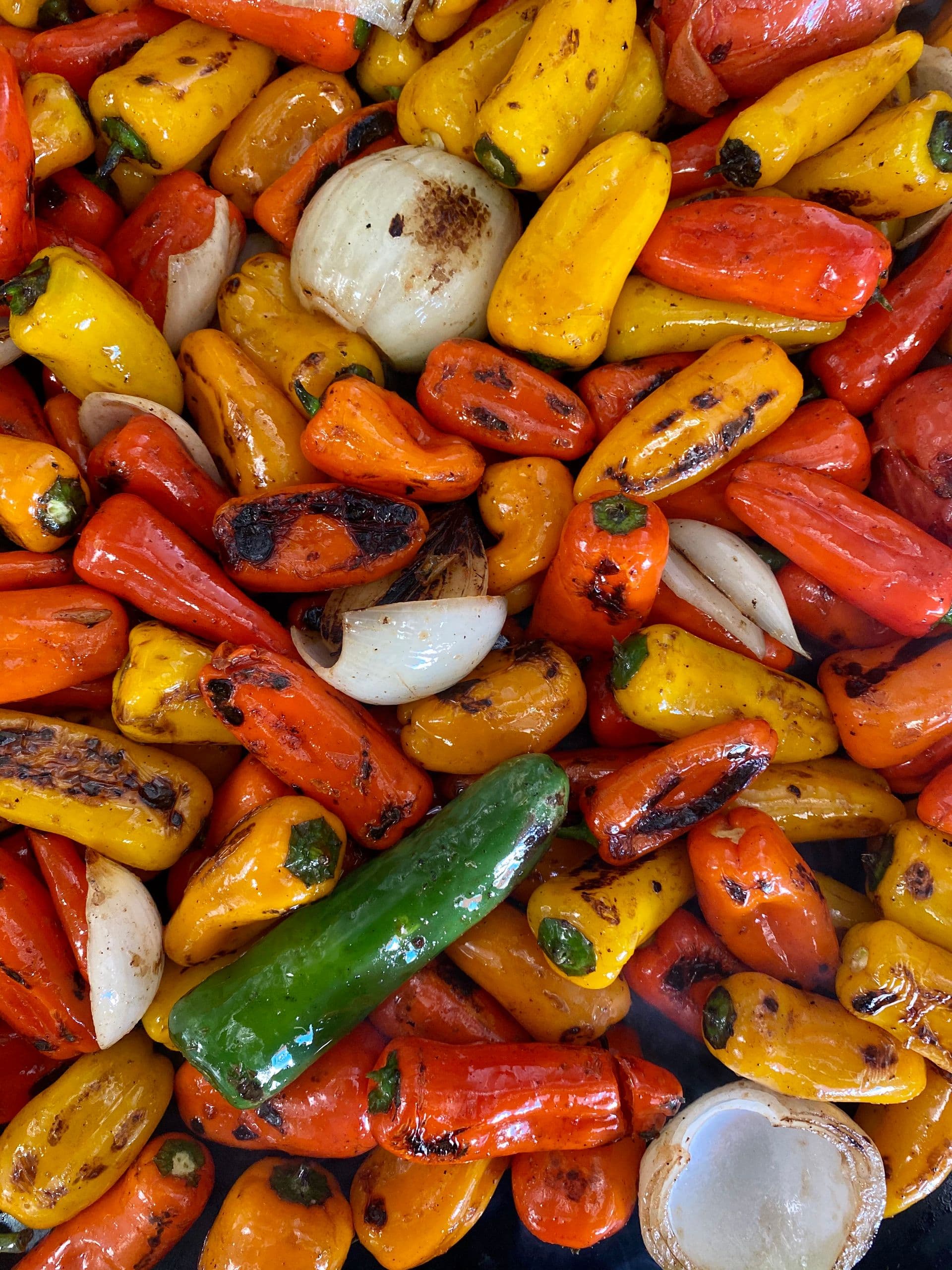
Vegetable fajitas load a sheet pan with portobello, zucchini, peppers, and onion, then roast them in a very hot oven so the edges char instead of steaming to mush. The trick is high heat, a single uncrowded layer, and roomy spacing so moisture evaporates. Meaty portobello gives the dish real heft. Finish with lime and fold into warm tortillas for a satisfying meatless meal.
Homemade Fajita Seasoning
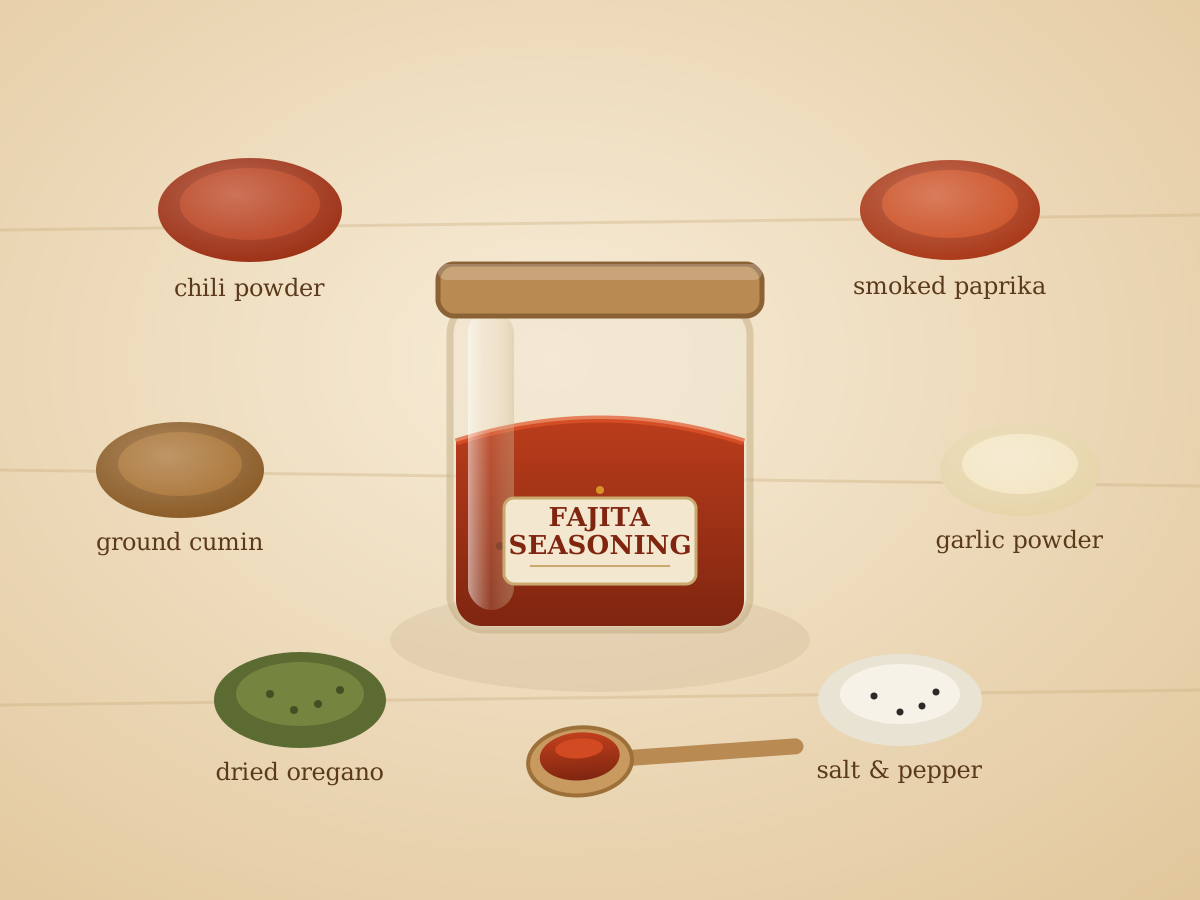
Homemade fajita seasoning is a chili-powder base rounded out with cumin, smoked paprika, garlic and onion powder, oregano, salt, cayenne, and black pepper. Mixing your own skips the anti-caking fillers packets rely on and lets you dial the salt and heat yourself. One batch whisks together in five minutes and keeps its punch for about six months in an airtight jar.

How to Get Restaurant-Style Fajita Char
That deep, blistered char on restaurant fajitas comes from screaming-hot metal and patience. Sizzling platters ride on cast iron or a flat-top held far hotter than a home burner usually reaches. Get there by preheating hard, drying the food, cooking in batches so the surface stays hot, using a high-smoke-point oil, and leaving each piece alone long enough to brown before you move it.