Steak Fajita Marinade
A steak fajita marinade is lime, oil, garlic, and cumin with a splash of soy or Worcestershire for savory depth. The key is keeping it short — 30 minutes to about 3 hours for skirt or flank — so the acid flavors the surface without softening the exterior you want firm enough to take a hard sear. It is built for a dark crust and a medium-rare center, not a long overnight soak.
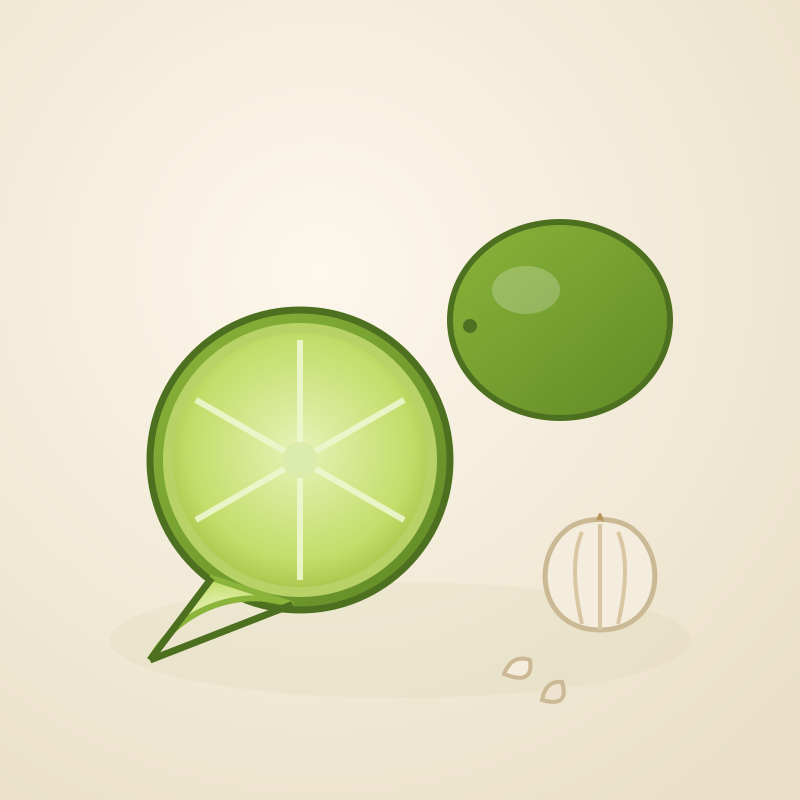
A savory, cumin-and-lime marinade for skirt or flank steak, timed short so the exterior stays firm for a hard sear.
Ingredients
Showing ingredients for 1 serving in US customary units.
Marinade
- 3 tbspFresh lime juiceEnough to flavor the surface without over-softening it.Search
- ⅓ cupNeutral or olive oilShop
- 4 clovesGarlic, minced or gratedSearch
- 2 tspGround cuminShop
- 1½ tbspSoy sauceOr swap in Worcestershire for a beefier, tangier note.Shop
- 1 tbspWorcestershire sauceAdds glutamate-rich savor that flatters beef.Shop
- 1 tspCoarsely ground black pepperShop
- To tasteKosher saltGo light; soy and Worcestershire already bring salt.Shop
Cook times are not scaled with servings — adjust pan size and cook in batches as needed. Salt and “to taste” items are intentionally left for your judgment.
🛒 links open an Amazon search for that ingredient. Some links may earn FajitaRecipe.com a commission if you buy through Amazon, at no extra cost to you.
Step by step
How to make it
Mix
Step 1. Whisk the lime juice, oil, garlic, cumin, soy, Worcestershire, and pepper together until the mix is uniform and slightly thickened.
~3 minStep 2. Taste and adjust. It should read deeply savory and garlicky with the lime in the background, not sharp.
~2 min
Marinate
Step 3. Put the skirt or flank steak in a bag or dish, coat it, and refrigerate for 30 minutes to 3 hours — no longer.
Cook
Step 4. Remove the steak, discard the used marinade, and pat the surface dry so it sears rather than steams. Cook hot and fast to about 130 to 135°F for medium-rare.
135°F
Doneness & safety
Marinating safely
Always marinate in the refrigerator, never on the counter. Discard used marinade or boil it before reusing as a sauce.
Source: USDA Food Safety and Inspection Service · reviewed 2026-07-04
🛒 Shop this recipe
Pantry & spices
- olive oilShop →
- ground cuminShop →
- soy sauceShop →
- Worcestershire sauceShop →
- black pepperShop →
- kosher saltShop →
Fresh ingredients
Fresh items open an Amazon search — availability varies by location.
Cookware & tools
- Cuisinart SG-10 Electric Spice Grinder · SG-10Find →
- Glass Spice Jars with LabelsFind →
- Victorinox Fibrox 12-inch Granton Slicing Knife · 5.4233.30 (Fibrox 12" Granton)Find →
- John Boos Reversible Maple Cutting Board · RA03 (24 x 18 in)Find →
- ThermoWorks ThermoPop 2 · ThermoPop 2Find →
Already own these? Use what you have — no need to buy.
Recommendations are chosen to help you cook better fajitas; some Amazon links may earn a commission at no extra cost to you.
Substitutions
| Instead of | Use | Adjust | Expect | Avoid when |
|---|---|---|---|---|
| Soy sauce and Worcestershire | Coconut aminos plus a dash of fish sauce or a spoon of tomato paste | Swap the soy 1:1 for coconut aminos; use just a teaspoon of fish sauce for the savory depth. | Slightly sweeter and less sharp; still delivers the glutamate-rich savor beef loves. | Skip the swap if you want the classic tangy Worcestershire note up front. |
| Fresh lime juice | A splash of red wine vinegar plus lime zest | Use 2 tbsp vinegar and the zest of one lime in place of the 3 tbsp juice. | Sharper, more savory acidity with the lime aroma preserved through the zest. | — |
The science
Why steak wants a short marinade
Skirt and flank are thin, loose-grained cuts, which means acid reaches a lot of surface fast. Leave them in a lime marinade for many hours and the exterior turns pale and soft — the opposite of the firm, dry surface you need to build a hard crust. Because you are cooking to medium-rare rather than well-done, any mushiness the acid causes stays in the finished bite instead of firming up. Thirty minutes to about three hours is enough to season and lightly tenderize the surface while keeping the meat sear-ready.
The call: Cap the steak soak at about 3 hours so the surface stays firm enough to crust over high heat.
Technique
Dry the surface, then sear hard
A marinade and a crust are at odds unless you manage moisture. Wet meat steams instead of browning, so lift the steak out, let the excess drip, and blot it dry with paper towels before it touches the pan. Get a cast-iron skillet or grill grate ripping hot, lay the steak down, and leave it alone so a crust can set — flipping too early tears it off. Skirt and flank are thin enough to sear in a couple of minutes a side, which is exactly why the short marinade matters: there is no time to firm up a softened surface.
The call: Pat the marinated steak dry and sear on a very hot surface so it browns instead of steaming.
The science
The anatomy of a steak marinade
A steak marinade has four working parts, and each has a job. Acid — lime juice or a splash of vinegar — brightens and lightly loosens the proteins, but only on the outer layer; it never soaks deep into the meat. Oil carries the fat-soluble flavors from garlic and cumin, helps them cling, and buffers the acid so it does not overwork the surface. Salt, whether from kosher salt or the soy and Worcestershire, seasons a little past the surface and helps the meat hold moisture. Aromatics — garlic, cumin, pepper — supply the flavor everything else delivers. A workable ratio is roughly three parts oil to one part acid, plus salt and aromatics to taste, which keeps the mix savory-forward rather than sour and protects the exterior from turning soft. Scale it to about three-quarters cup for two pounds of steak. Whisk until it looks slightly thickened and emulsified, a sign the oil and acid are suspended together instead of separating in the bag. Always marinate in the refrigerator, never on the counter, and discard the used marinade once the raw meat comes out — do not brush it back on as a sauce unless you boil it first.
The call: Build the marinade at roughly three parts oil to one part acid so it seasons without softening the surface.
Recommended gear
Disclosure: As an Amazon Associate, FajitaRecipe.com earns from qualifying purchases. Recommendations are chosen to help you cook better fajitas; some Amazon links may earn a commission at no extra cost to you. See our selection methodology.
For making seasoning
 Cuisinart
Model SG-10
Toasting whole cumin and grinding it fresh gives a homemade seasoning noticeably more aroma than pre-ground jars that have sat for months.
Best for: Grinding whole cumin and dried chiles for a fresher blend.
Homemade blend keeps its potency about six months in an airtight jar away from light and stove heat — worth it if you mix a big batch.
Best for: Storing homemade fajita seasoning so it keeps its punch.
For slicing steak
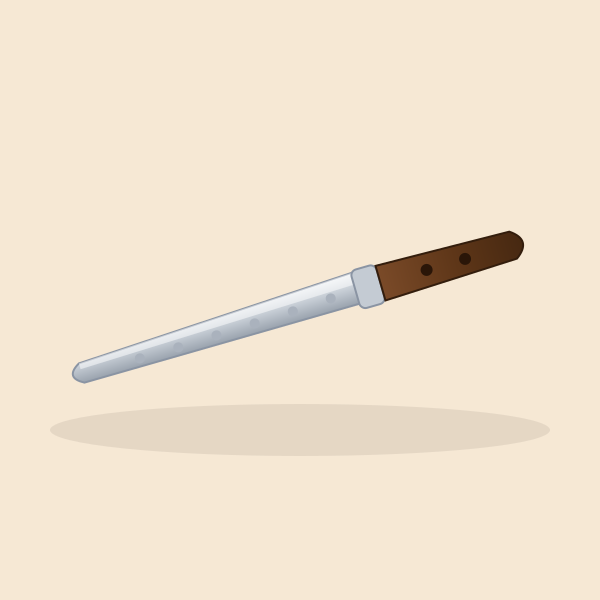 Victorinox
Model 5.4233.30 (Fibrox 12" Granton)
Thin, even slices across the grain are what make skirt and flank tender. A long granton slicer does it in one clean stroke instead of sawing.
Best for: Clean, thin, against-the-grain slices on skirt and flank steak.
John BoosModel RA03 (24 x 18 in)
A roomy board with a juice groove lets steak rest and be sliced in one place; pour the caught juices back over the strips before serving.
Best for: Resting and slicing steak with room to spare.
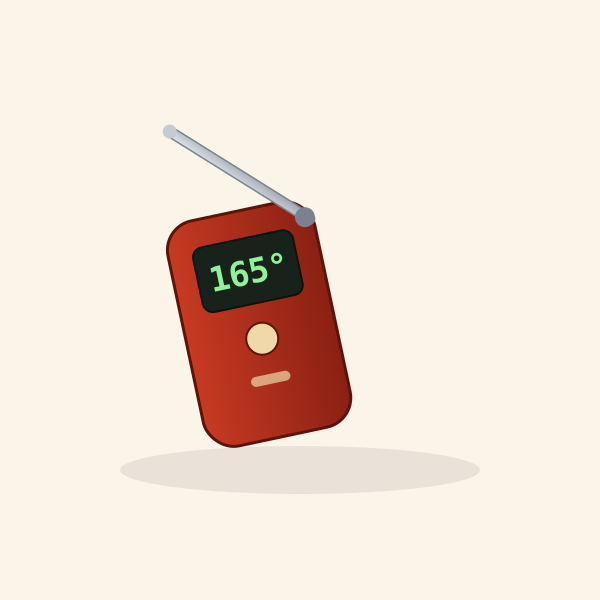 ThermoWorks
Model ThermoPop 2
You do not need a premium thermometer to cook safe chicken. The ThermoPop 2 is accurate and a few seconds slower — a great-value pick from the same maker.
Best for: A reliable read without the premium price.
Serving & storage
Rest, then slice against the grain
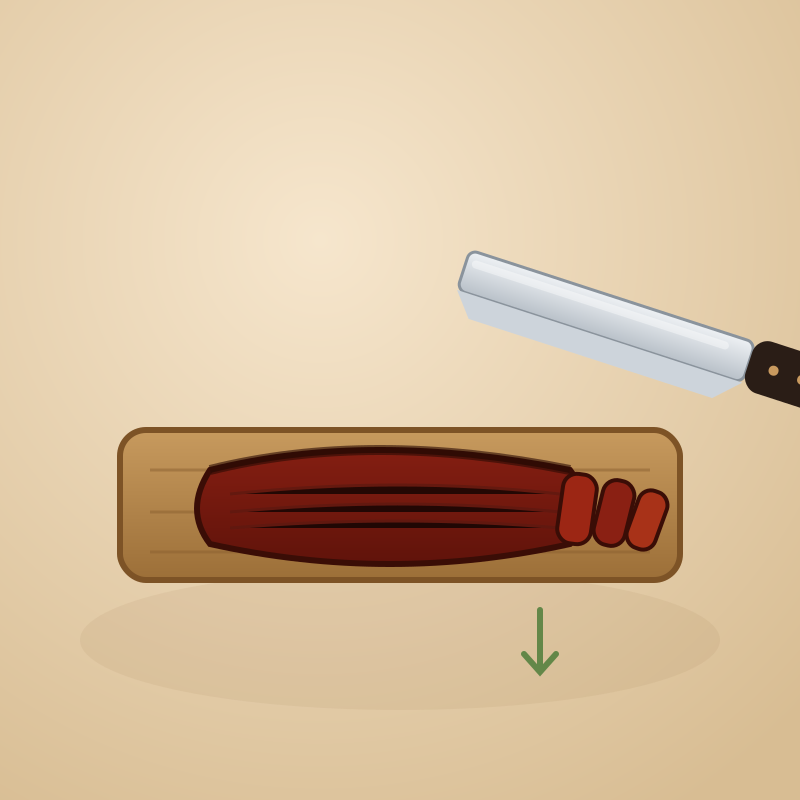
Doneness and slicing finish what the marinade started. Pull skirt or flank around 130 to 135°F and let it rest a few minutes so the juices settle rather than running out on the board. Then find the long muscle fibers and cut thin slices straight across them — against the grain — to shorten each fiber and keep the meat tender. A well-marinated steak sliced with the grain still chews stringy, so this last step is not optional. Leftovers keep three to four days and reheat quickly for more fajitas.
The call: Rest to about 130 to 135°F, then slice thin against the grain for tender fajita strips.
Marinade or dry rub for char
Marinade and dry rub pull char in opposite directions, so the choice depends on what you want from the crust. A wet marinade seasons through a thin film of liquid and adds acid and aromatics, but that surface moisture is the enemy of browning — you have to blot the steak dry before it hits the pan, or it steams. A dry rub of salt, cumin, chili, and pepper skips the water entirely: it pulls a little moisture out, then reabsorbs it into a tacky layer that browns fast and builds a thicker, spicier crust. The tradeoff is flavor shape. The marinade gives you tangy, garlicky depth that reaches just under the surface, while the rub gives you concentrated, toasty spice sitting right on top. For skirt and flank you can have both — marinate briefly for savor, pat the steak completely dry, then press on a light dry rub just before searing. Whichever route you take, keep the raw meat in the refrigerator while it seasons and throw the used marinade away rather than reusing it. The rub wins on pure char, the marinade wins on penetrating flavor, and drying the steak between the two steps gets you close to the best of each.
The call: Pick a rub for the thickest crust, a marinade for deeper flavor, or dry the steak between both to combine them.
Frequently asked questions
+Can I marinate steak fajitas overnight?
It is not recommended for skirt or flank. These thin cuts sit in a lot of acid relative to their thickness, so overnight leaves the surface soft and pale and works against the crust you want. If you must prep ahead, mix the oil, garlic, and seasonings the night before and stir the lime in only during the last hour or two.
+What cut should I use?
Skirt steak is the traditional fajita cut — loose-grained, quick to cook, and full of flavor. Flank is a close second, a bit leaner and broader. Both take this marinade well and both must be sliced thin against the grain. Save thicker steakhouse cuts for other dishes; they do not fit the fast, thin-strip fajita format.
+Do soy and Worcestershire make it too salty?
They add salt, which is why the recipe keeps added salt to taste rather than a fixed amount. Whisk the marinade, taste it, and only add salt if it needs it. If you are watching sodium, use low-sodium soy sauce and lean on the garlic, cumin, and lime for flavor instead.
+How long should I marinate steak for fajitas?
For skirt or flank, 30 minutes to about 3 hours in the refrigerator is the sweet spot — long enough to season and lightly tenderize the surface, short enough to keep it firm for a hard sear. Leaner cuts can go a bit longer, but even they rarely need more than a few hours in an acidic marinade before the surface starts to soften. Always chill the meat while it marinates, never leave it on the counter, and discard the used marinade once you pull the steak out.
Testing, sources & disclosure
Researched and reviewed by our editors. See our recommendation methodology.
- Author:
- FajitaRecipe Editorial
- Last reviewed:
- 2026-07-13
Sources
- Safe Minimum Internal Temperature Chart, USDA FSIS linkSupports: Whole cuts of beef are safe at 145°F; many cooks pull skirt and flank at medium-rare.
As an Amazon Associate, FajitaRecipe.com earns from qualifying purchases. We do not provide medical or dietary advice; follow USDA guidance for food safety.
Keep cooking
You might also like
Fajita Marinade
A master fajita marinade is lime juice for brightness, oil to carry flavor and prevent sticking, garlic and fajita seasoning for depth, and a splash of soy or Worcestershire for savory backbone. Timing is everything: 15 to 30 minutes for shrimp or thin cuts, up to a few hours for chicken and steak. The acid mostly works the surface, so longer is not better — too long turns the exterior mushy.
Steak Fajita Seasoning
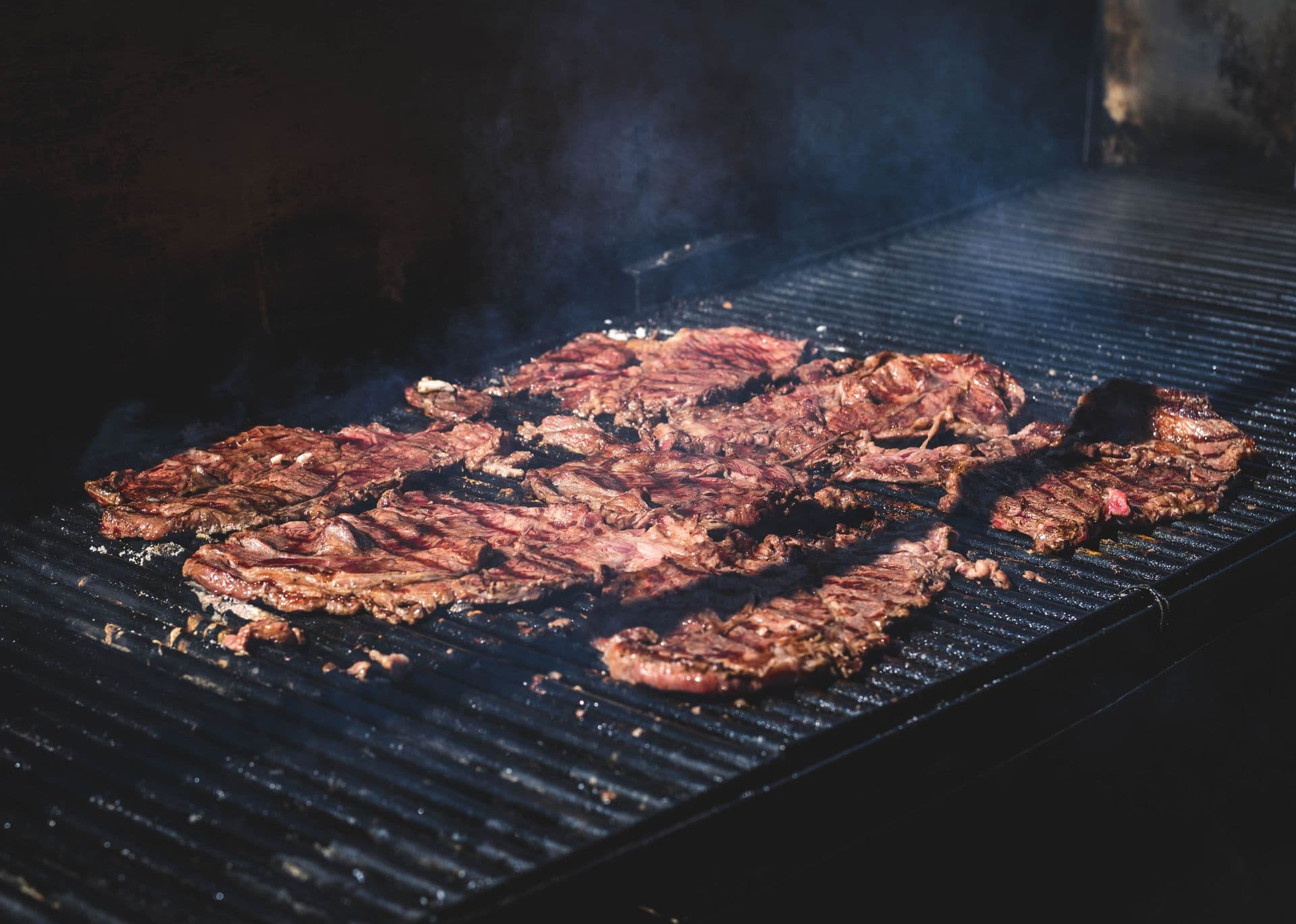
Steak fajita seasoning is a beefier take on the all-purpose blend: more cumin, ancho and chipotle for deep smoky chile, and a little brown sugar that helps the surface caramelize into a dark crust on skirt or flank. Coarser salt seasons a thick cut better than fine table salt. Mix it in five minutes and rub it on right before a hard, hot sear.
 Pexels contributor · Pexels License
Skirt Steak Fajitas
37 min · moderate
Skirt steak is the original fajita cut: a thin, loose-grained muscle with generous marbling that sears in about three minutes and drinks up a lime marinade. Get your cast iron ripping hot, cook the steak fast to medium-rare, rest it, then slice it thin straight across the grain. Char peppers and onions in the beefy drippings and serve in warm tortillas.
Why Is My Fajita Steak Tough?
Tough fajita steak usually traces to four fixable mistakes: the wrong cut, slicing with the grain instead of across it, overcooking, and skipping the rest. Skirt and flank are flavorful but coarse-grained, so they must be cooked no further than medium-rare and sliced thin against the grain. Do that, rest the meat a few minutes, and go easy on acidic marinades, and the same steak turns tender.