How to Cook Peppers and Onions for Fajitas
The best fajita peppers and onions are charred and tender-crisp, not soggy or raw. Slice bell peppers and onions into thick strips with the grain, cook them separately from the meat in a screaming-hot pan, and resist stirring so they blister and caramelize. Salt at the end, not the start, so they sear instead of steam.
How to cook peppers and onions for fajitas so they come out charred and tender-crisp instead of soggy — slicing, heat, timing, and the salt trick.
Fix it
Cook them separately from the meat
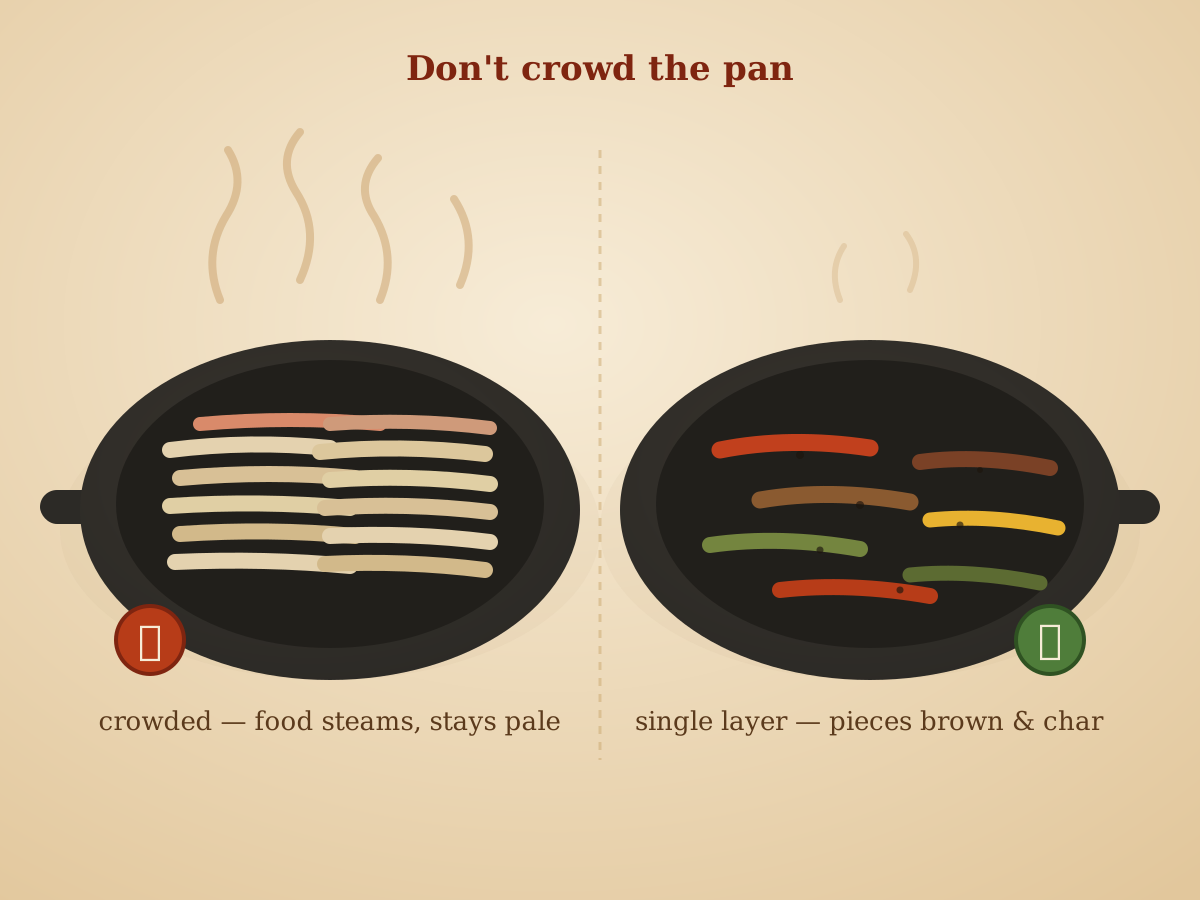
The most common mistake is cooking the vegetables and meat together in one crowded pan, which drops the temperature and steams everything gray. Sear the meat first and set it aside, then cook the peppers and onions in the same hot pan so they pick up the fond — the browned bits left behind — before returning the meat to warm through at the end. If your vegetables still come out soggy, the pan was too cool or too full; raise the heat, work in batches, and give them room. A squeeze of lime at the end brightens them and balances the sweetness of the onions.
The call: Cook meat and vegetables in separate batches in the same pan — never crowded together.
Fix it
Frozen pepper-and-onion blends need a different move
A bag of frozen sliced peppers and onions is convenient, but it fights char, because each strip carries surface ice and the cell walls have already been softened by freezing. Dropped into a hot pan straight from the freezer, that ice melts into a puddle and the vegetables poach in their own water, coming out limp and gray instead of blistered. Two adjustments help. Do not thaw them in a bowl first, which only pools more liquid; instead spread them frozen across a hot, wide pan in a thin layer and let the water cook off before you expect any browning. Keep the heat high and the pan roomy so steam escapes rather than collecting, and work in two batches if the bag crowds the surface. Accept that a frozen blend will never char as hard as fresh strips do, so lean on other flavor to compensate: a firm sear on whatever surface does dry out, a hit of lime at the end, and salt only once the water is gone. If you want the deepest char and the most snap, fresh peppers and a fresh onion sliced to order remain the better choice, and the extra few minutes of knife work is the whole difference.
The call: Cook frozen blends from frozen in a thin layer over high heat and drive off the water before expecting any browning.
Substitutions
| Instead of | Use | Adjust | Expect | Avoid when |
|---|---|---|---|---|
| bell peppers | poblano peppers | — | Poblanos add a mild, earthy chile flavor with a touch more heat than bell. | — |
Technique
Slice thick, and with the grain
Cut bell peppers into strips about a quarter to a half inch wide, and slice onions root-to-tip (with the grain) into similar strips, not into rings. Thick strips sliced with the grain hold their shape and stay tender-crisp through a hard sear, while thin or against-the-grain pieces collapse into a soft, watery tangle. Use a mix of colors for a fajita platter that looks as good as it tastes; red, yellow, and orange peppers are sweeter than green. A large onion and two to three bell peppers is the right ratio for about a pound of meat.
The call: Thick strips sliced with the onion grain stay tender-crisp; thin rings turn to mush.
The science
High heat, no crowding, salt last
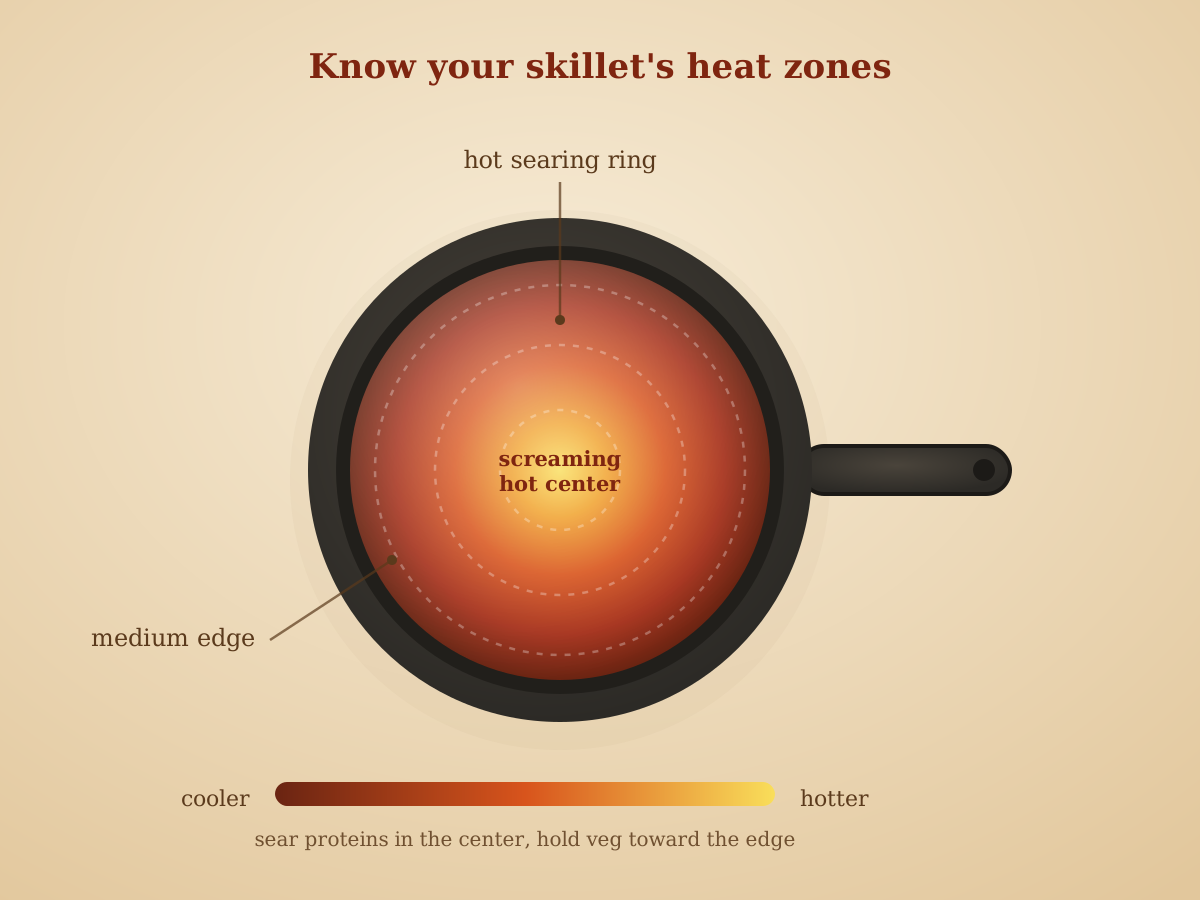
Vegetables release water when they heat, and that water is the enemy of char. Three rules keep peppers and onions blistered instead of boiled. First, get the pan genuinely hot before they go in, and use just a thin film of high-smoke-point oil. Second, do not crowd the pan — cook in two batches if you must, because a packed pan traps steam. Third, salt at the end, not the beginning: salt draws moisture out immediately, so early salting makes the vegetables weep and steam. Let them sit undisturbed for a minute at a time so a char can form before you toss.
The call: Hot pan, thin oil, no crowding, and salt only at the end so they sear instead of steam.
Technique
Onions go in first, peppers a couple minutes behind
Onions and peppers do not soften at the same rate, so they should not hit the pan at the same moment. Start the onions in the hot, oiled skillet on their own and spread them into a single layer. They hold more sugar and take longer to turn translucent and pick up color, so give them a two to three minute head start, stirring only once or twice so a few edges blister. Then add the peppers, which have thinner walls and go slack quickly once they warm. Spread everything back into one layer and leave it undisturbed again, letting the peppers take on char spots before the next toss. Because the peppers finish faster, this staggered order lands both vegetables at the same place: browned outside, still bending rather than flopping. If you dumped them in together, the peppers would collapse into softness while the onions were still sharp and raw. Cut both into strips of the same width so the timing you set by order is not undone by uneven thickness. Pull the pan while the peppers keep a slight snap; carryover heat softens them another notch as they sit.
The call: Onions get a two to three minute head start; peppers join later because their thinner walls soften fast.
Recommended gear
Disclosure: As an Amazon Associate, FajitaRecipe.com earns from qualifying purchases. Recommendations are chosen to help you cook better fajitas; some Amazon links may earn a commission at no extra cost to you. See our selection methodology.
For cast-iron fajitas
 Lodge
LodgeModel L10SK3
A heavy 12-inch Lodge gives two servings of steak enough hot surface to brown without crowding. It is still too small for a six-person batch, which should be seared in rounds.
Best for: Everyday 2–4 serving skillet fajitas with a hard sear.
 Lodge
LodgeModel ASHH11
A cast-iron handle reaches the same temperature as the pan. A slip-on holder is the difference between confidently moving the skillet and dropping it.
Best for: Anyone using a blazing-hot cast-iron or carbon-steel handle.
 ThermoWorks
Model Thermapen ONE
Thin fajita chicken and steak swing past target in seconds. A one-second read lets you pull chicken at 165°F and steak at your chosen doneness before carryover overshoots.
Best for: A one-second, dependable read on thin proteins.
OXOModel Good Grips 12" Locking Tongs
Twelve-inch tongs keep your hand out of the smoke while you toss peppers and flip strips in a ripping-hot pan.
Best for: Tossing peppers and turning strips over high heat.
For peppers & onions
 Victorinox
Model 5.2063.20 (Fibrox Pro 8")
A sharp 8-inch chef’s knife handles the pepper and onion prep fajitas live on. The Fibrox handle grips even when your hands are wet from vegetables.
Best for: Slicing peppers and onions and general prep.
OXOModel Good Grips 12" Locking Tongs
Twelve-inch tongs keep your hand out of the smoke while you toss peppers and flip strips in a ripping-hot pan.
Best for: Tossing peppers and turning strips over high heat.
For warm tortillas

A damp-cloth warmer steams a stack soft in the microwave and keeps them pliable through dinner — the difference between a taco that folds and one that cracks.
Best for: Warming a stack quickly and keeping them soft at the table.
VictoriaModel COM-113 (12 in)
A dry comal over medium-high blisters tortillas in seconds, giving them the toasty spots a microwave never will.
Best for: Charring tortillas directly and toasting them the traditional way.
Visual guide
See the technique
Frequently asked questions
+How do you cook peppers and onions for fajitas?
Slice them into thick strips with the grain, cook them in a screaming-hot pan with a thin film of oil, do not crowd the pan, and salt only at the end. Let them sit undisturbed so they char, and cook them separately from the meat.
+Why are my fajita peppers and onions soggy?
The pan was too cool or too crowded, or you salted them too early. All three make the vegetables release water and steam instead of sear. Use high heat, cook in batches, and salt at the end.
+How many peppers and onions per pound of fajita meat?
About two to three bell peppers and one large onion per pound of protein keeps the vegetable-to-meat ratio balanced and the platter colorful.
+Should I cook the peppers or onions first for fajitas?
Start the onions first. They hold more sugar and take longer to soften and color, so give them a two to three minute head start in the hot pan. Then add the peppers, which have thinner walls and go slack quickly. Staggering them this way lands both vegetables browned and tender-crisp at the same moment instead of one raw and one mushy.
Testing, sources & disclosure
Researched and reviewed by our editors. See our recommendation methodology.
- Author:
- FajitaRecipe Editorial
- Last reviewed:
- 2026-07-13
As an Amazon Associate, FajitaRecipe.com earns from qualifying purchases. We do not provide medical or dietary advice; follow USDA guidance for food safety.
Keep cooking
You might also like
Best Peppers for Fajitas
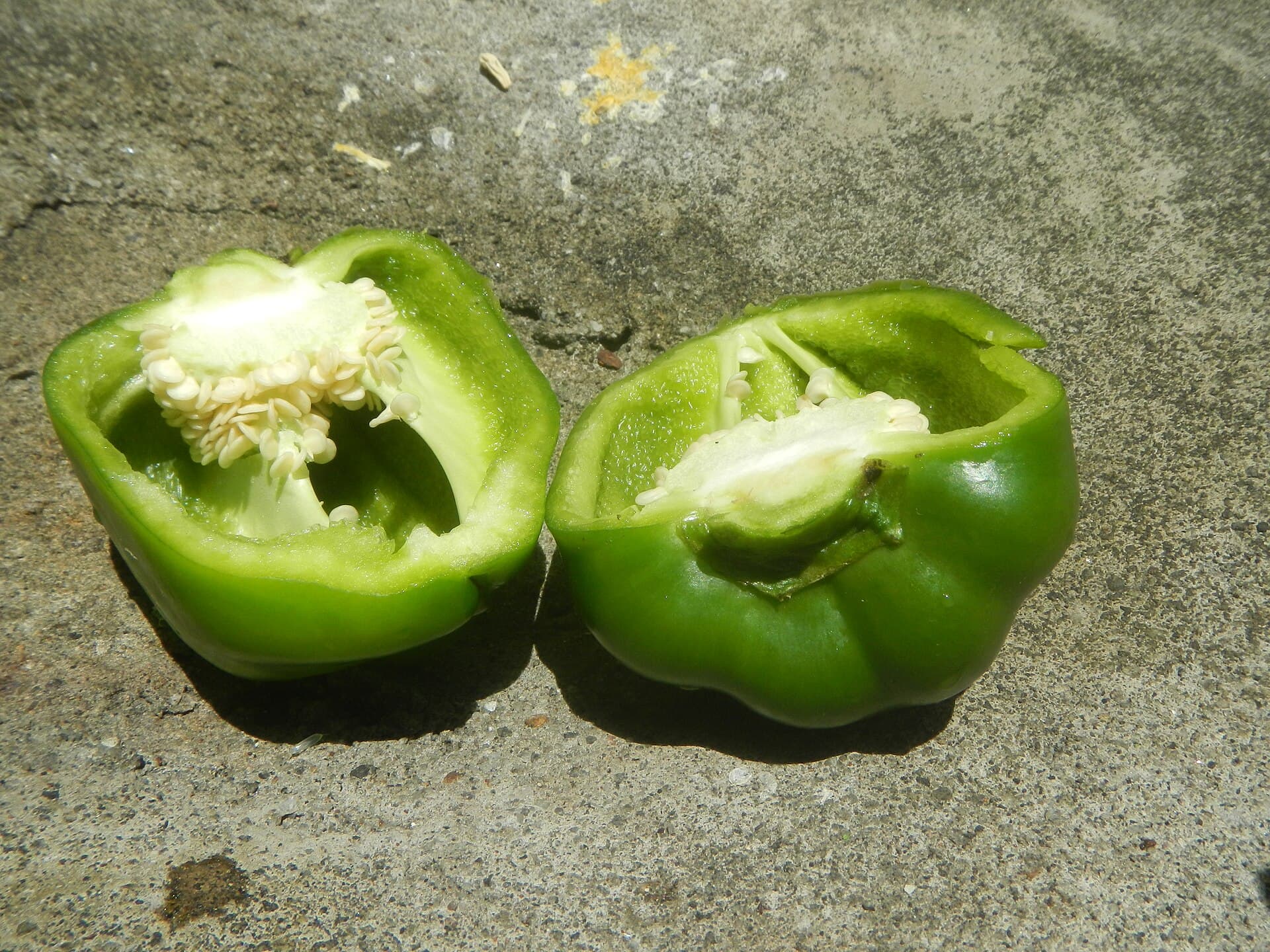
Bell peppers are the fajita standard: use a mix of red, yellow, or orange for sweetness and green for a slightly bitter edge. Add a poblano when you want gentle warmth without real heat. Slice peppers about a quarter inch thick and cook them hot and fast so they char at the edges but keep some crunch instead of collapsing into softness.
Why Are My Fajitas Watery?
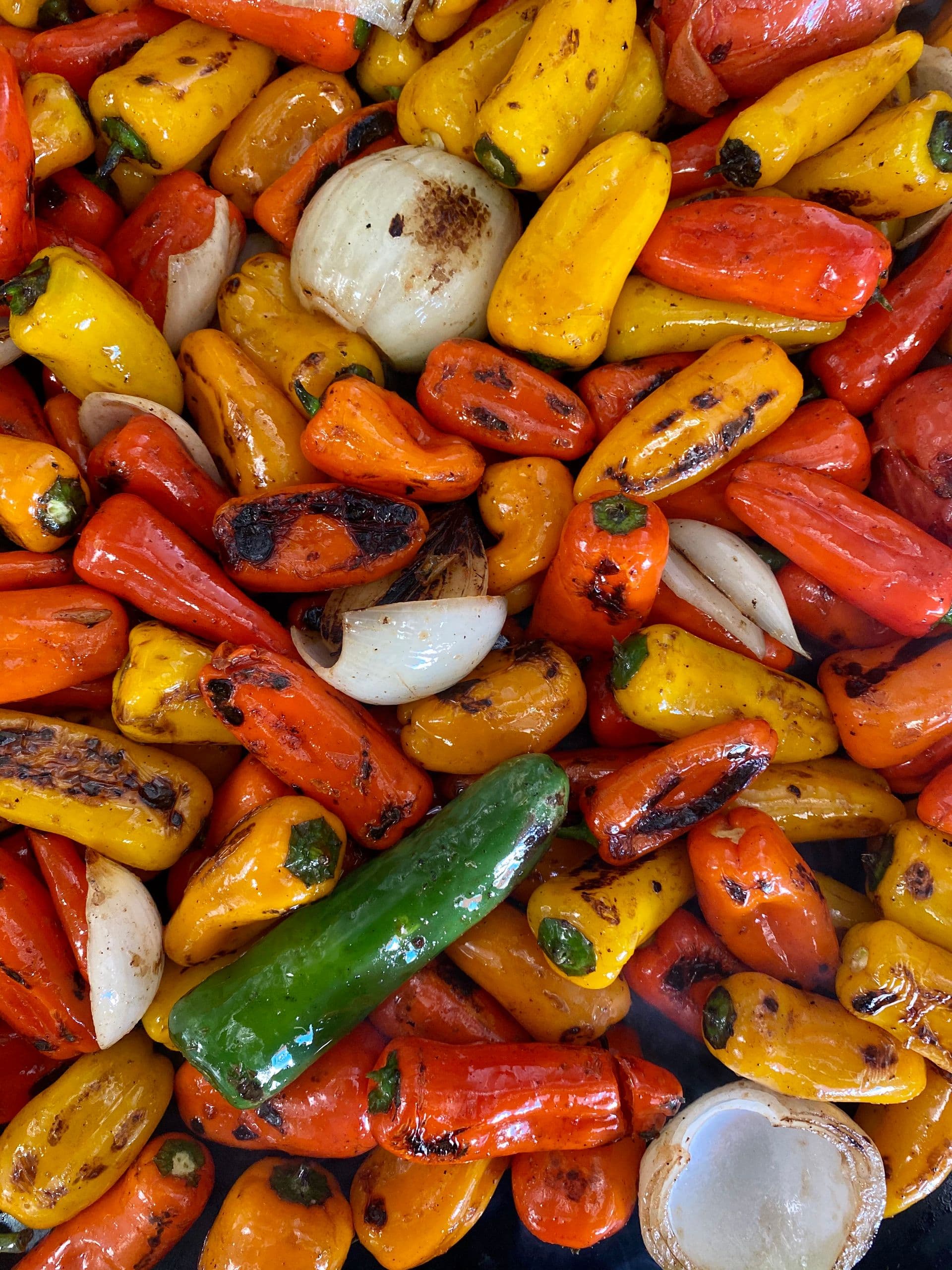
Watery fajitas almost always come from steaming instead of searing. When you crowd the pan, cook over low heat, salt the vegetables too early, or dump marinade into the skillet, moisture floods out faster than it can evaporate and the food simmers in its own liquid. The fix is high heat, a single layer cooked in batches, a dry protein surface, and draining the marinade before it hits the pan.
 Pexels contributor · Pexels License
Vegetable Fajitas
40 min · easy
Vegetable fajitas load a sheet pan with portobello, zucchini, peppers, and onion, then roast them in a very hot oven so the edges char instead of steaming to mush. The trick is high heat, a single uncrowded layer, and roomy spacing so moisture evaporates. Meaty portobello gives the dish real heft. Finish with lime and fold into warm tortillas for a satisfying meatless meal.
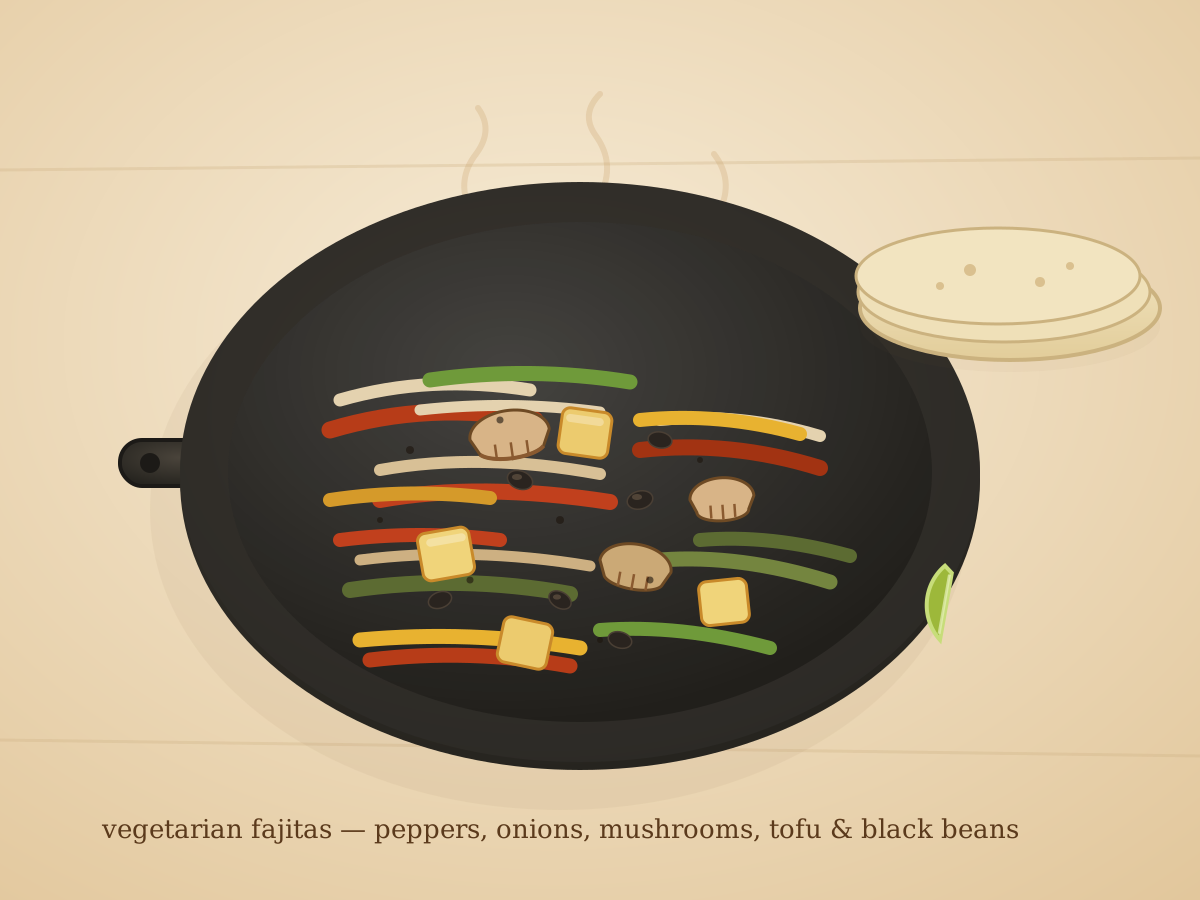
Vegetarian Fajitas: How to Make Them Actually Filling
Good vegetarian fajitas need a hearty, savory anchor in place of the meat — portobello, black beans, tofu, or cauliflower — plus the classic charred peppers and onions. Season the same way you would steak (cumin, chili, lime, garlic), char everything hard so nothing steams, and add a rich topping like avocado or crema so the plate does not feel thin. The vegetables carry the dish, so give them heat and space.