London Broil Fajitas: Making a Lean Cut Tender
London broil is a lean, budget top-round cut that makes good fajitas only if you treat its toughness: marinate it several hours with an acidic, salty blend, sear it hot and fast to no more than medium-rare, rest it, and slice it very thin against the grain. Skip those steps and it turns chewy. Done right, it is an affordable stand-in for skirt or flank with a clean, beefy flavor.
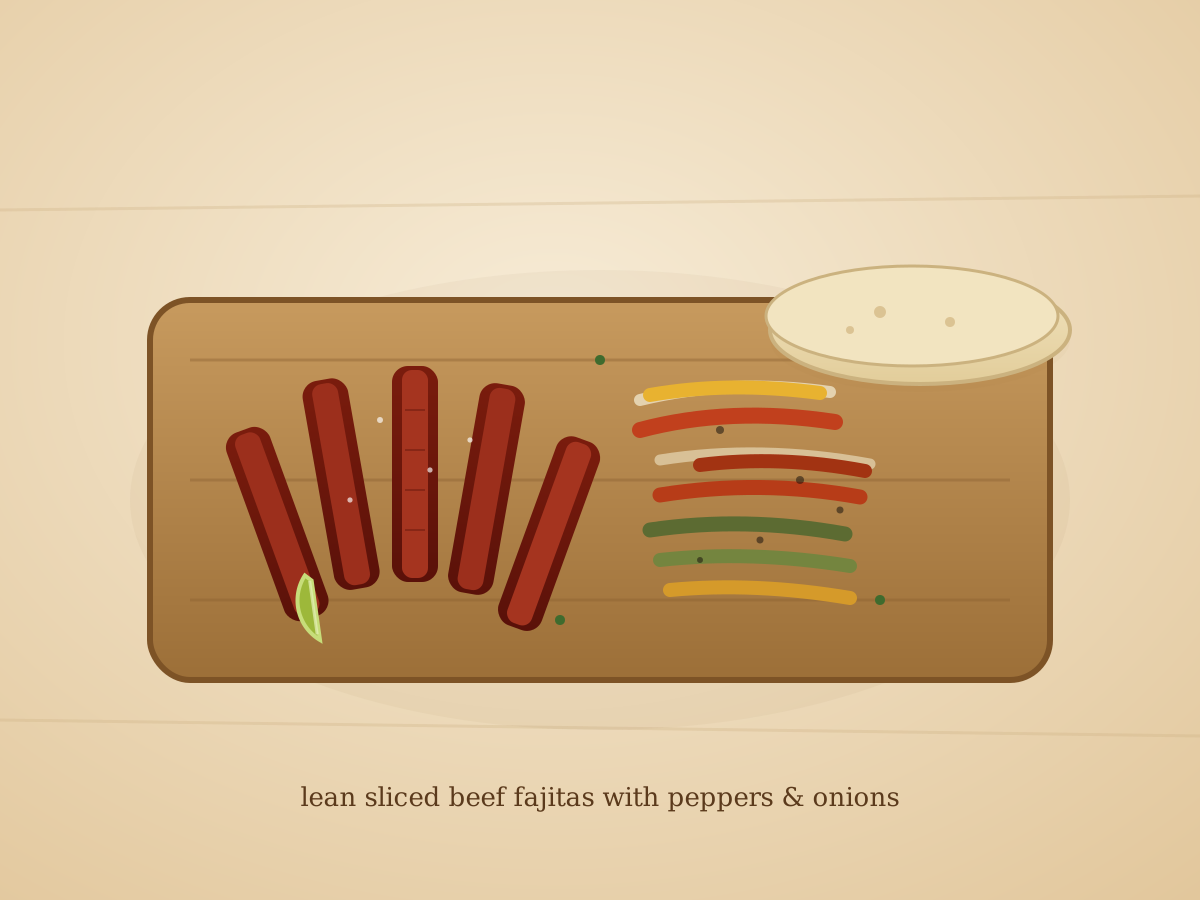
Why london broil needs a marinade, how to cook it hot and fast, and how thin against-the-grain slicing turns a tough cut into tender fajita strips.
Substitutions
| Instead of | Use | Adjust | Expect | Avoid when |
|---|---|---|---|---|
| London broil (top round) | Flank steak | Swap pound for pound. Flank is more forgiving; marinate less and still slice against the grain. | A little fattier and more tender, at a somewhat higher price. | — |
| London broil (top round) | Skirt steak | Swap pound for pound. Skirt is thinner — sear faster and watch it closely. | Richer and more classic for fajitas, but usually more expensive. | — |
The science
Why london broil needs help
London broil is typically cut from the top round, a hard-working muscle from the rear leg that is lean and low in the fat and connective tissue that make skirt and flank so forgiving. Less intramuscular fat means less built-in juiciness and flavor insurance, so the cut punishes overcooking and rewards preparation. The upside is real: it is one of the cheapest steaks per pound and has a clean, straightforward beef flavor. The name also causes confusion — "london broil" is a preparation more than a specific cut, and stores sometimes label top round or even flank this way, so check what you actually bought and adjust.
The call: Expect a lean top-round cut with little fat — cheap and flavorful but unforgiving of overcooking.
Technique
Marinate, sear hot, and rest
Because the cut is lean, a marinade does double duty: acid from lime or vinegar and salt help break down and season the muscle, while oil carries flavor. Give london broil at least a few hours and up to overnight — longer than you would marinate skirt — for a real difference. Then cook it hot and fast: a screaming cast-iron pan, grill, or griddle, seared hard on each side and pulled at medium-rare, around 130°F. This is a thick cut, so it can take a couple more minutes per side than thin skirt; use feel or a thermometer rather than the clock. Rest it a full five to ten minutes so the juices redistribute before you cut, which matters more here than on a fattier steak.
The call: Marinate several hours, sear hot to medium-rare, and rest fully before slicing.
Technique
Slicing is what makes or breaks it
With a lean cut like this, slicing technique matters more than anything else you do. Find the direction the muscle fibers run and cut straight across them into the thinnest strips you can manage; a slight downward angle helps. Cutting against the grain shortens those long, tough fibers so each bite gives way instead of resisting. On a well-marbled skirt steak you can get away with a sloppier cut, but on top-round london broil, slicing with the grain will make even a perfectly cooked, well-rested steak feel chewy. Thin, angled, against the grain — that single move is the difference between tender fajitas and a jaw workout.
The call: Slice as thin as possible, angled and strictly against the grain, or the cut eats tough.
Recommended gear
Disclosure: As an Amazon Associate, FajitaRecipe.com earns from qualifying purchases. Recommendations are chosen to help you cook better fajitas; some Amazon links may earn a commission at no extra cost to you. See our selection methodology.
For slicing steak
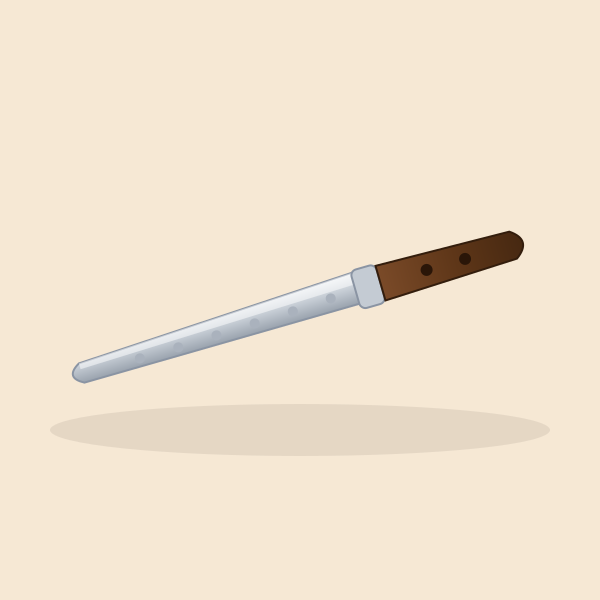 Victorinox
Model 5.4233.30 (Fibrox 12" Granton)
Thin, even slices across the grain are what make skirt and flank tender. A long granton slicer does it in one clean stroke instead of sawing.
Best for: Clean, thin, against-the-grain slices on skirt and flank steak.
John BoosModel RA03 (24 x 18 in)
A roomy board with a juice groove lets steak rest and be sliced in one place; pour the caught juices back over the strips before serving.
Best for: Resting and slicing steak with room to spare.
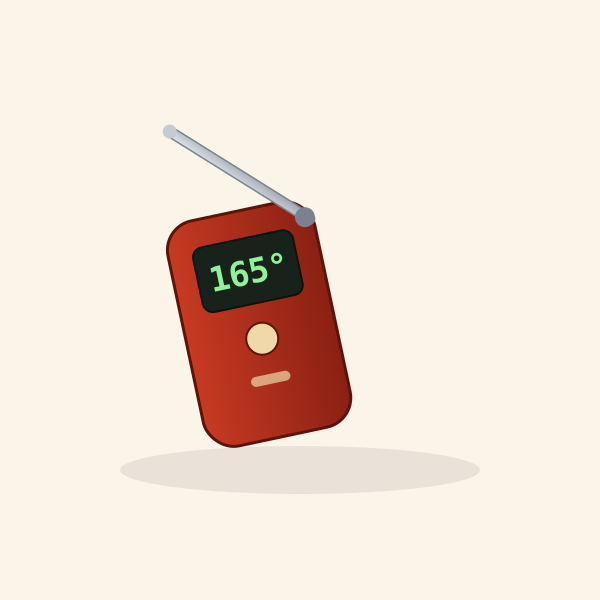 ThermoWorks
Model ThermoPop 2
You do not need a premium thermometer to cook safe chicken. The ThermoPop 2 is accurate and a few seconds slower — a great-value pick from the same maker.
Best for: A reliable read without the premium price.
Frequently asked questions
+Is london broil good for fajitas?
Yes, if you handle its leanness. London broil (usually top round) is a cheap, clean-tasting cut that works well for fajitas when you marinate it for several hours, sear it hot and fast to medium-rare, rest it, and slice it thin against the grain. Treated like a quick-cook skirt steak without those steps, it turns chewy.
+How long should I marinate london broil for fajitas?
Longer than you would a fattier cut — at least a few hours and up to overnight. The acid and salt in the marinade help tenderize and season the lean muscle, which has little fat of its own to keep it juicy. Include lime or vinegar, salt, oil, and fajita spices.
+How do you keep london broil from being tough in fajitas?
Three things: marinate it several hours, do not cook it past medium-rare (about 130°F), and — most important — slice it very thin against the grain after a full rest. Cutting across the muscle fibers is what makes a lean, tough cut eat tender.
Testing, sources & disclosure
Researched and reviewed by our editors. See our recommendation methodology.
- Author:
- FajitaRecipe Editorial
- Last reviewed:
- 2026-07-13
As an Amazon Associate, FajitaRecipe.com earns from qualifying purchases. We do not provide medical or dietary advice; follow USDA guidance for food safety.
Keep cooking
You might also like
Best Steak for Fajitas: Skirt vs. Flank vs. Sirloin
Skirt steak is the best cut for fajitas: it is loosely grained, well marbled, and drinks up marinade, giving that classic beefy chew when sliced across the grain. Flank steak is the leaner, easier-to-find backup, and top sirloin or flap meat work when you want a budget cut. Whatever you buy, slice it thin against the grain.
Steak Fajita Marinade
A steak fajita marinade is lime, oil, garlic, and cumin with a splash of soy or Worcestershire for savory depth. The key is keeping it short — 30 minutes to about 3 hours for skirt or flank — so the acid flavors the surface without softening the exterior you want firm enough to take a hard sear. It is built for a dark crust and a medium-rare center, not a long overnight soak.
How to Slice Fajita Meat Against the Grain
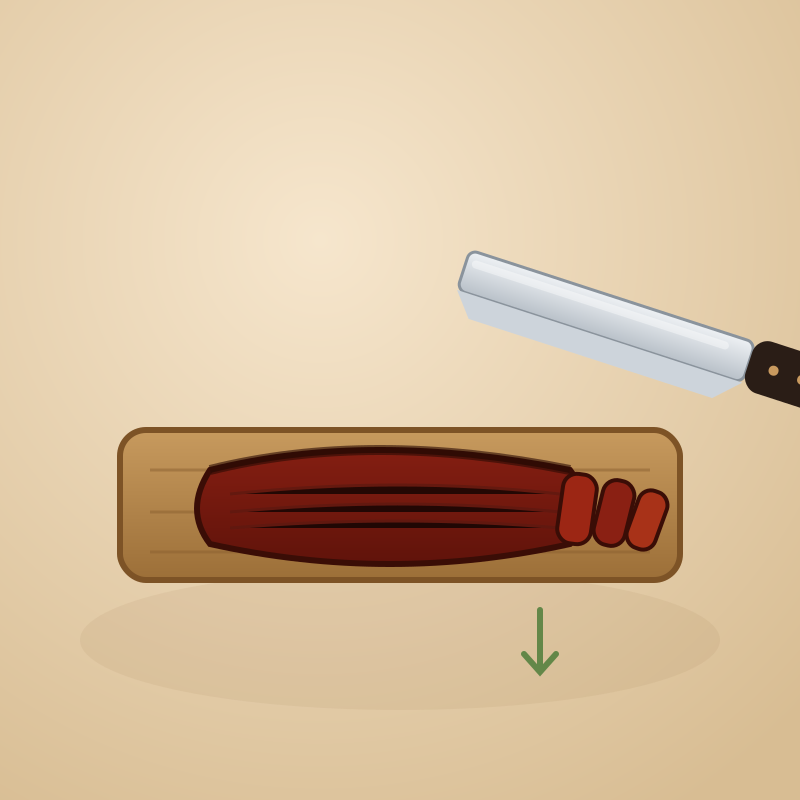
Slice fajita meat thin and across the grain after it rests. Look at the surface to find the direction the muscle fibers run, then cut straight across them at a slight angle into quarter-inch strips. Cutting against the grain shortens the fibers so each bite is tender. Always slice cooked, rested meat, not raw, and hold your knife low for wide, even pieces.
Why Is My Fajita Steak Tough?
Tough fajita steak usually traces to four fixable mistakes: the wrong cut, slicing with the grain instead of across it, overcooking, and skipping the rest. Skirt and flank are flavorful but coarse-grained, so they must be cooked no further than medium-rare and sliced thin against the grain. Do that, rest the meat a few minutes, and go easy on acidic marinades, and the same steak turns tender.