How to Cook Fajitas: A Beginner-Friendly Walkthrough
Cooking fajitas comes down to five steps: season or marinate a thin-sliced protein, get a heavy pan ripping hot, sear the meat hard and fast, char the peppers and onions separately, then slice against the grain and serve in warm tortillas. The whole thing takes about 20 minutes of cooking once your prep is done. High heat and not crowding the pan are what separate real fajitas from a soft, gray stir-fry.
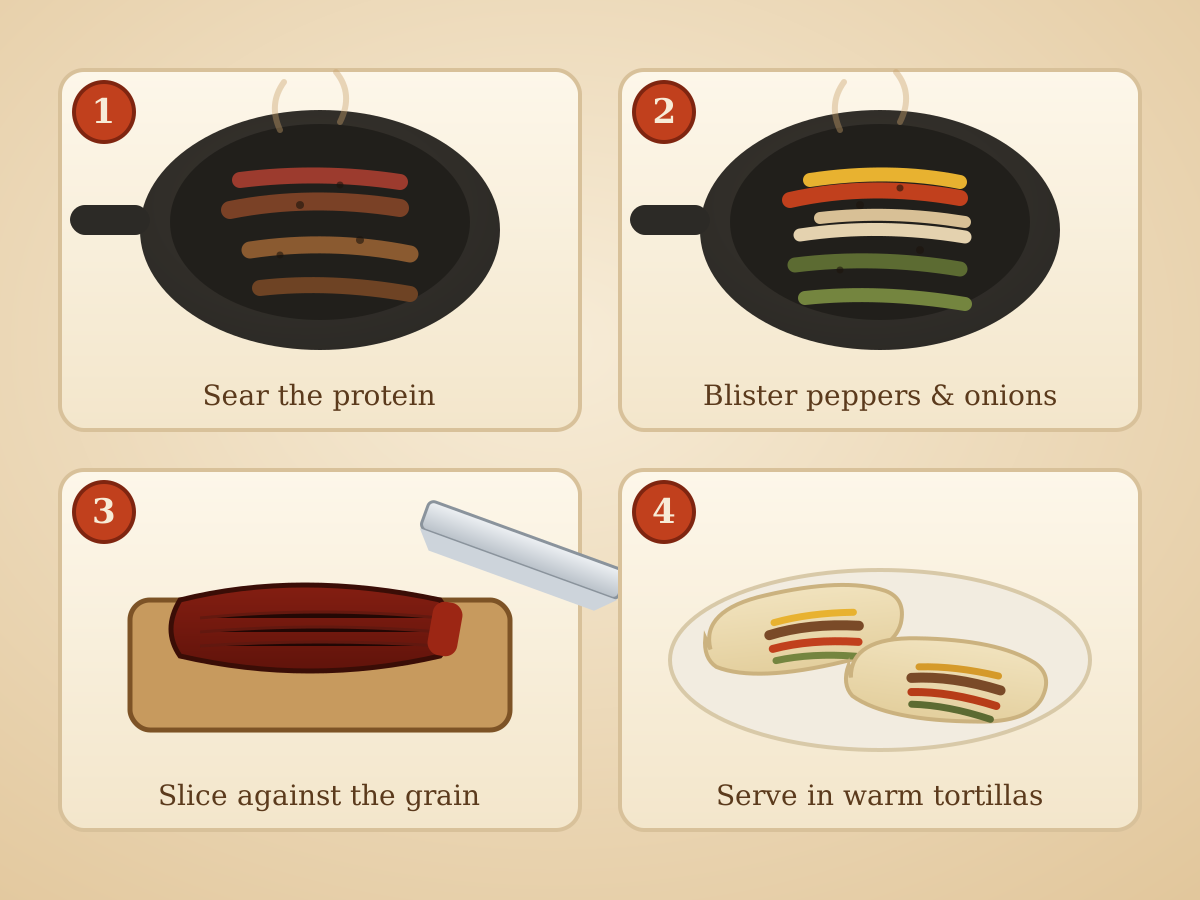
The basic five-step method for cooking fajitas from scratch — seasoning, heat, cooking order, char, and assembly — with links to each step in depth.
Fix it
Common beginner mistakes
A few avoidable errors account for most disappointing fajitas. Cooking at too low a heat steams the food; get the pan hotter than feels comfortable. Crowding the pan traps steam; cook in batches. Slicing steak with the grain instead of across it makes even a good cut chewy; always cut against the grain. Salting vegetables too early or using watery frozen blends without cooking off the liquid leaves them soggy. And overcooking — especially shrimp and chicken breast — turns them rubbery, so pull the protein a touch early and let it rest. Fix those five and the quality jumps immediately.
The call: Avoid low heat, crowding, cutting with the grain, early salting, and overcooking.
Technique
Prep: cut thin and season boldly
Fajitas cook fast and hot, so the prep decides the result. Slice or plan to slice the protein thin, and cut peppers and onions into strips of a similar size so everything cooks at the same rate. Season generously with a fajita blend — cumin, chili powder, garlic, salt, and lime are the backbone — and for steak or chicken, a 30-minute to few-hour marinade adds flavor and helps browning. Do not salt the vegetables until they hit the pan, or they will weep water and steam. Have everything sliced, seasoned, and within reach before you turn on the heat, because once the pan is hot the cooking goes quickly.
The call: Cut everything thin and even, season heavily, and have it all ready before the pan is hot.
Technique
Cook: high heat, meat first, then vegetables
Heat a heavy pan until it is almost smoking — cast iron or a griddle holds heat best and gives the deepest char. Cook the protein first in a single, uncrowded layer: sear steak or chicken hard for a couple of minutes per side, or shrimp for about a minute a side, then pull it to rest. In the same hot pan, char the peppers and onions, leaving them undisturbed long enough to blister before tossing. Working in batches if your pan is small keeps the surface hot so food sears instead of stewing. A crowded, cool pan is the number-one reason home fajitas come out soft and gray instead of smoky and charred.
The call: Sear the protein first and set it aside, then char the vegetables — never crowd the pan.
Serving & storage
Assemble and serve
Warm the tortillas until they are soft and pliable — over a flame, in a dry pan, or wrapped in a towel — so they do not crack when you fold them. Slice the rested meat thin against the grain and combine it with the charred vegetables. Serve family-style on a hot platter so it keeps sizzling, with toppings alongside: lime wedges, sour cream or crema, guacamole or avocado, cheese, salsa, and cilantro. Let everyone build their own. A squeeze of fresh lime over the meat and vegetables right before eating brightens the whole plate and ties the flavors together.
The call: Warm the tortillas, slice against the grain, and serve hot with build-your-own toppings.
Visual guide
See the technique
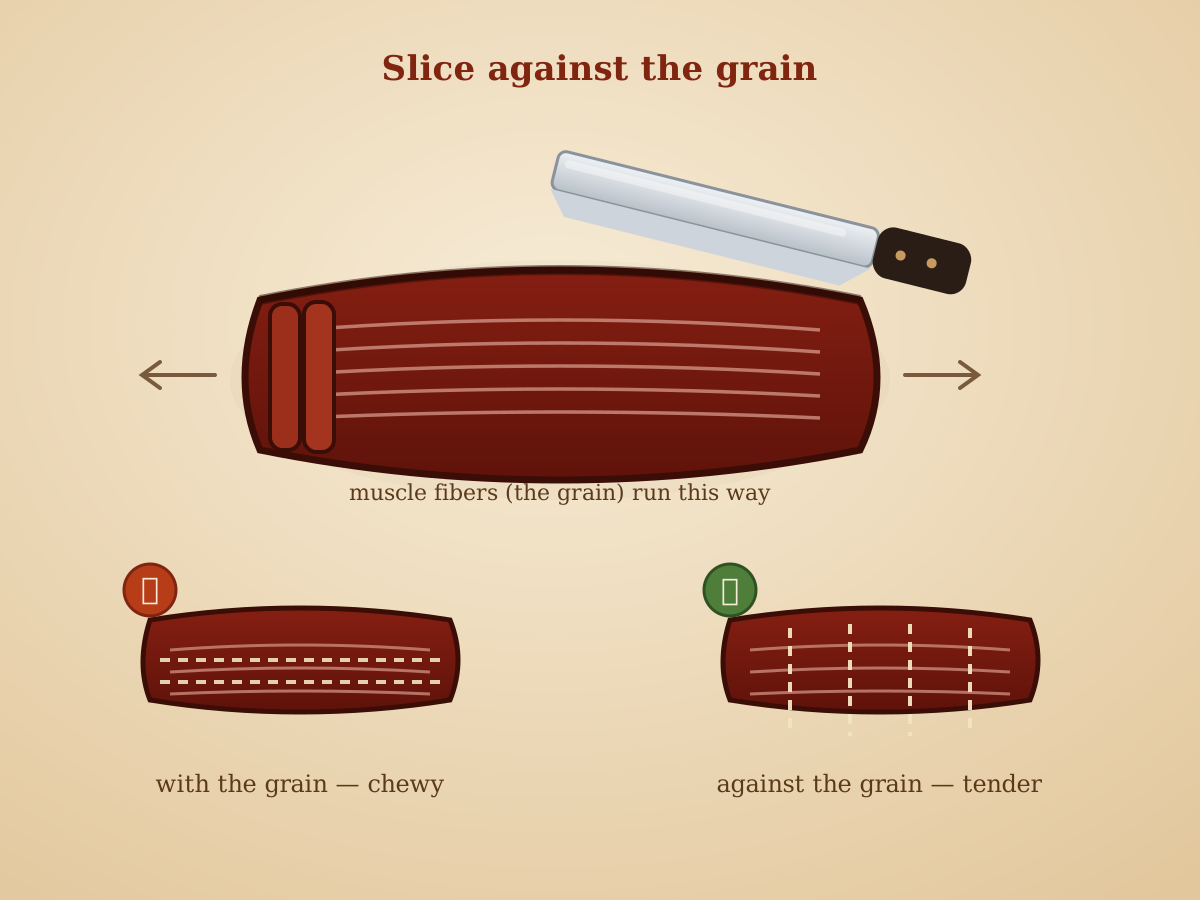
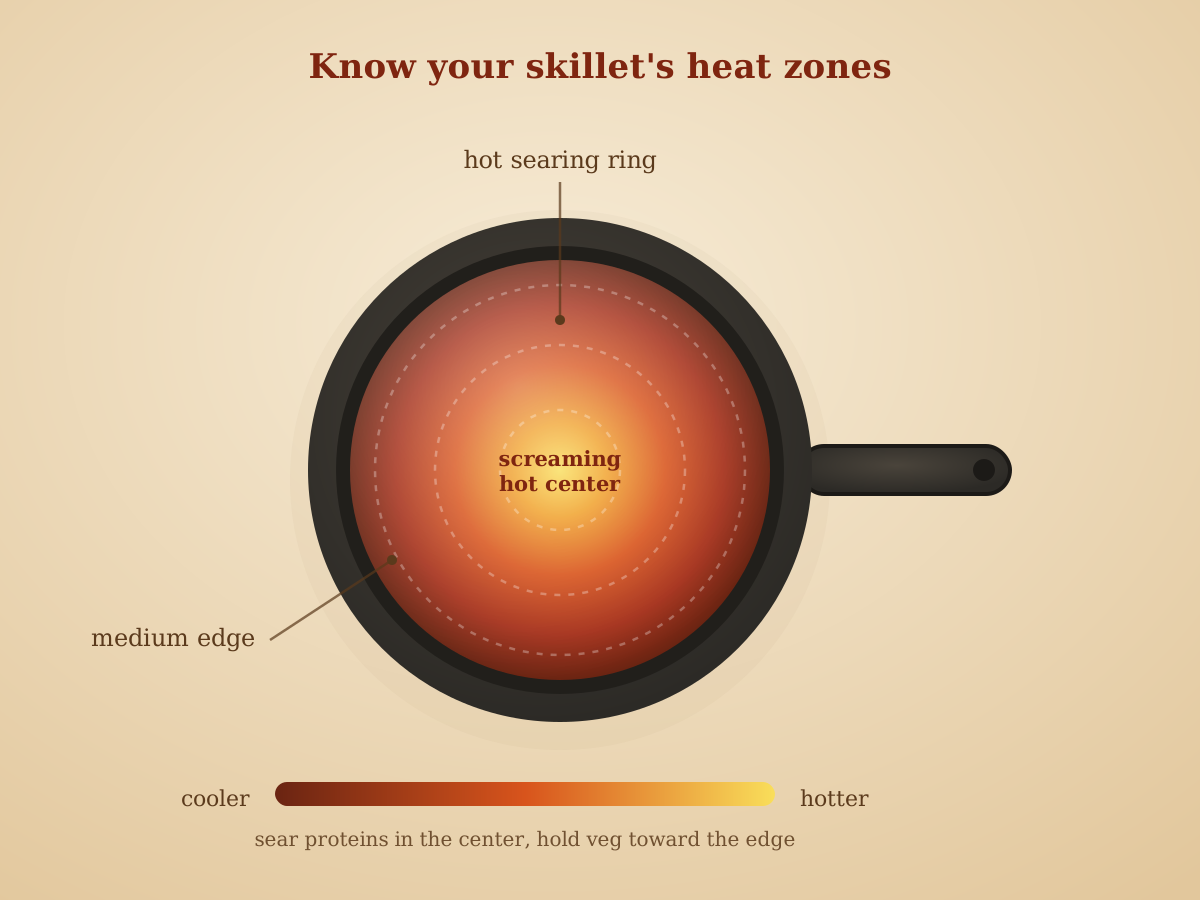
Frequently asked questions
+What is the basic method for cooking fajitas?
Season or marinate a thin-sliced protein, heat a heavy pan until very hot, sear the meat hard and fast in a single layer, char the peppers and onions separately, then slice the meat against the grain and serve in warm tortillas. High heat and an uncrowded pan are the keys.
+What is the best pan for cooking fajitas?
A cast-iron skillet or a flat-top griddle is best because it holds high heat and delivers the deep char that defines fajitas. A stainless steel pan also works. Nonstick runs too cool for a proper sear. Whatever you use, get it very hot and do not crowd it.
+Do you cook the meat or the vegetables first for fajitas?
Cook the meat first, then set it aside to rest while you char the peppers and onions in the same pan. This keeps the pan hot for the sear, lets the vegetables pick up the browned flavor left behind, and stops everything from crowding and steaming at once.
+How long do fajitas take to cook?
Once the prep is done, the cooking itself is quick — usually about 20 minutes. Steak and chicken sear in a few minutes per side, shrimp in about a minute per side, and the peppers and onions need several minutes to char. Most of the time goes into slicing and, for steak or chicken, an optional marinade beforehand.
Testing, sources & disclosure
Researched and reviewed by our editors. See our recommendation methodology.
- Author:
- FajitaRecipe Editorial
- Last reviewed:
- 2026-07-13
As an Amazon Associate, FajitaRecipe.com earns from qualifying purchases. We do not provide medical or dietary advice; follow USDA guidance for food safety.
Keep cooking
You might also like
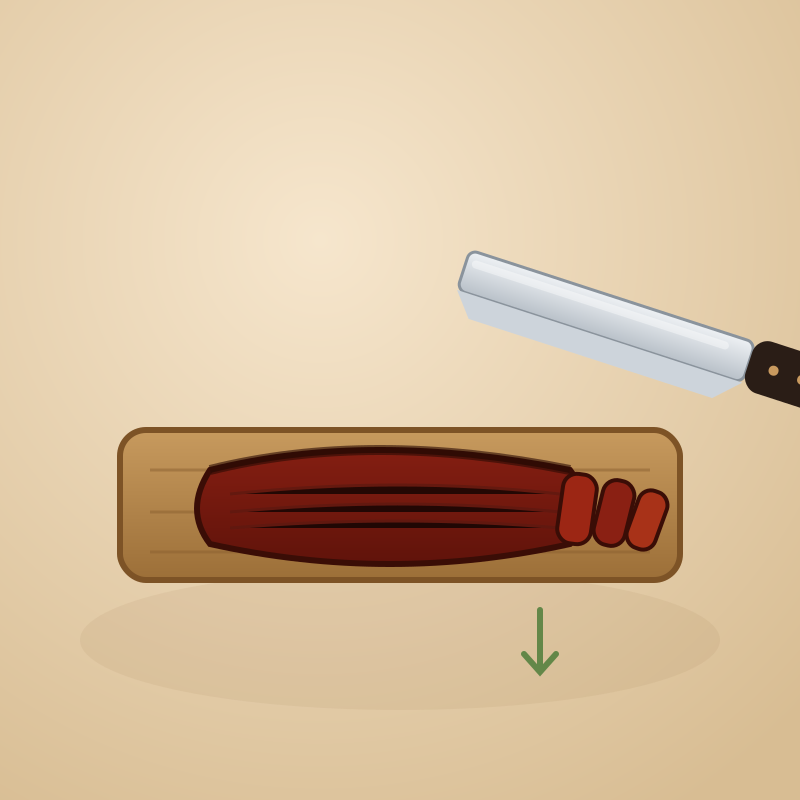
How to Slice Fajita Meat Against the Grain
Slice fajita meat thin and across the grain after it rests. Look at the surface to find the direction the muscle fibers run, then cut straight across them at a slight angle into quarter-inch strips. Cutting against the grain shortens the fibers so each bite is tender. Always slice cooked, rested meat, not raw, and hold your knife low for wide, even pieces.

How to Get Restaurant-Style Fajita Char
That deep, blistered char on restaurant fajitas comes from screaming-hot metal and patience. Sizzling platters ride on cast iron or a flat-top held far hotter than a home burner usually reaches. Get there by preheating hard, drying the food, cooking in batches so the surface stays hot, using a high-smoke-point oil, and leaving each piece alone long enough to brown before you move it.
Fajita Marinade
A master fajita marinade is lime juice for brightness, oil to carry flavor and prevent sticking, garlic and fajita seasoning for depth, and a splash of soy or Worcestershire for savory backbone. Timing is everything: 15 to 30 minutes for shrimp or thin cuts, up to a few hours for chicken and steak. The acid mostly works the surface, so longer is not better — too long turns the exterior mushy.
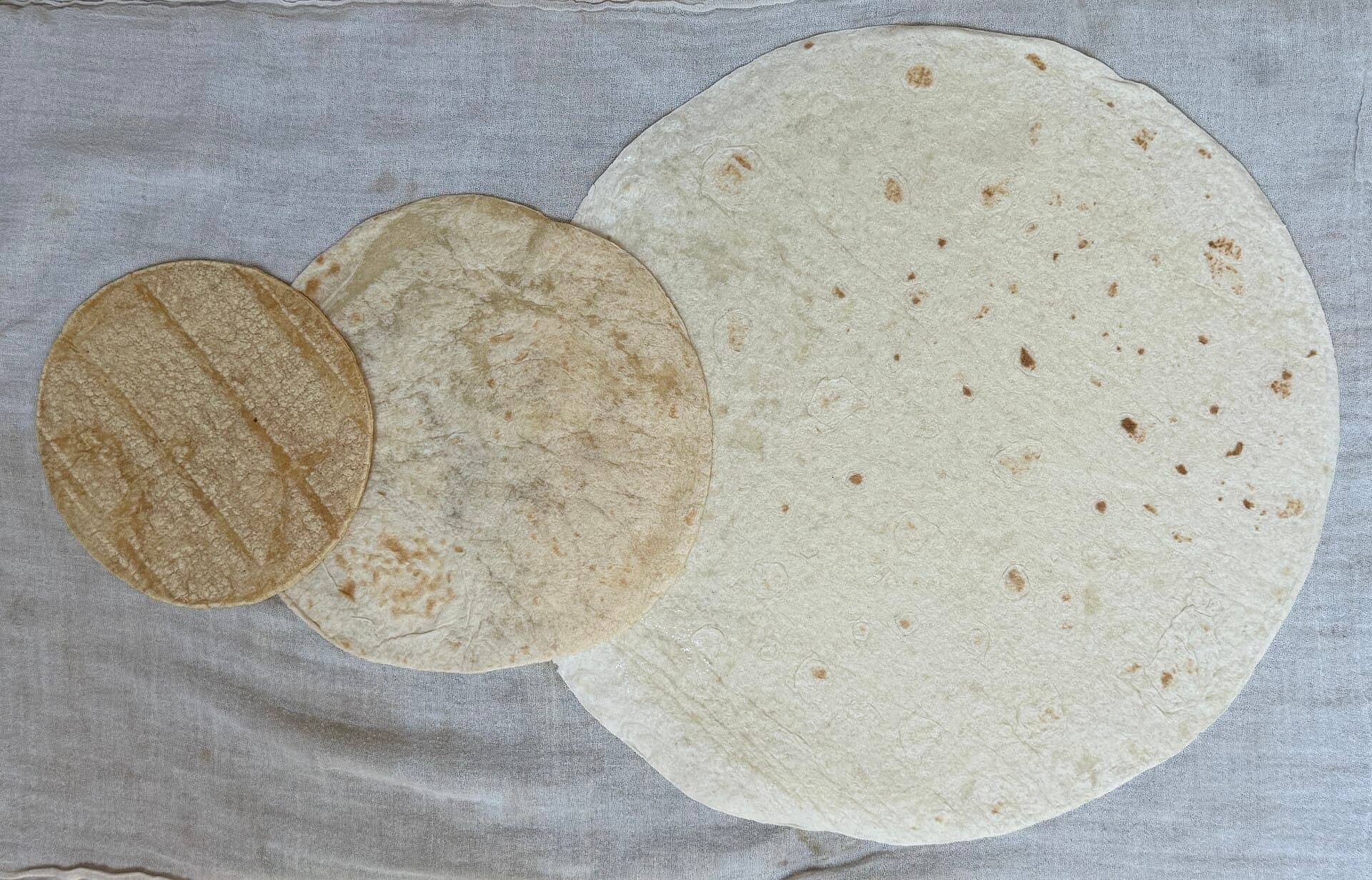 Vigilantcosmicpenguin · CC BY 4.0
How to Warm Tortillas for Fajitas
Warm tortillas in a dry skillet or comal over medium-high for about 30 seconds a side, directly over a gas flame for a few seconds of char, in a foil-wrapped stack in a 300 degree oven, or in the microwave under a damp towel. Keep them soft and warm in a clean towel or an insulated tortilla warmer until you serve.