Frozen Peppers and Onions for Fajitas: How to Make Them Not Soggy
Frozen peppers and onions are a real fajita shortcut, but they hold a lot of ice and will steam into a soggy tangle if you treat them like fresh. The trick is to cook them straight from frozen in a screaming-hot pan, do not thaw, do not crowd, and do not stir much — let the water boil off and the edges char. Salt only at the end, and drain any liquid that pools.
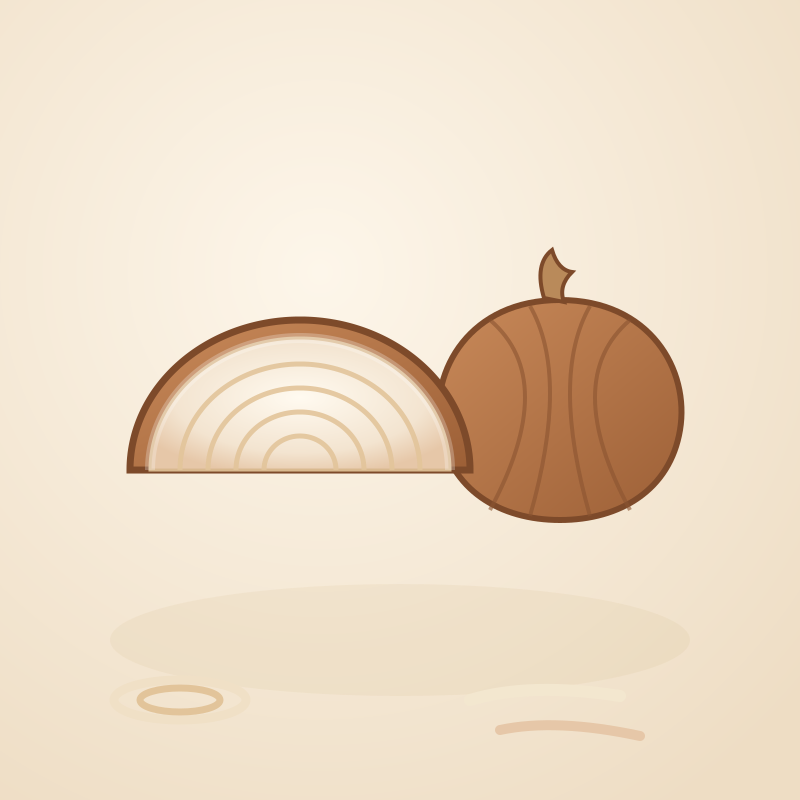
How to cook frozen peppers and onions for fajitas without them getting soggy — cook from frozen, high heat, no crowding, and salt at the end.
Substitutions
| Instead of | Use | Adjust | Expect | Avoid when |
|---|---|---|---|---|
| frozen pepper-and-onion mix | fresh bell peppers and onions | — | Fresh chars better and holds more crunch, but takes slicing and a little more time. | — |
Technique
The no-soggy method
Do not thaw them — thawing just makes a watery mess. Get a large skillet or griddle genuinely hot with a thin film of high-smoke-point oil, then add the frozen vegetables in a single layer, working in two batches if needed so the pan is not crowded. They will release water and steam at first; let it happen and do not stir much, so the water can boil off and the pan can recover its heat. Once the liquid is gone, let the vegetables sit undisturbed to char, tossing only occasionally, until they have color and are tender-crisp. Salt only at the very end — salting early pulls out even more water. If liquid pools and will not evaporate, tip it off and raise the heat.
The call: Cook from frozen, hot pan, single layer, minimal stirring; salt last, and drain any pooled liquid.
Recommended gear
Disclosure: As an Amazon Associate, FajitaRecipe.com earns from qualifying purchases. Recommendations are chosen to help you cook better fajitas; some Amazon links may earn a commission at no extra cost to you. See our selection methodology.
For cast-iron fajitas
 Lodge
LodgeModel L10SK3
A heavy 12-inch Lodge gives two servings of steak enough hot surface to brown without crowding. It is still too small for a six-person batch, which should be seared in rounds.
Best for: Everyday 2–4 serving skillet fajitas with a hard sear.
 Lodge
LodgeModel ASHH11
A cast-iron handle reaches the same temperature as the pan. A slip-on holder is the difference between confidently moving the skillet and dropping it.
Best for: Anyone using a blazing-hot cast-iron or carbon-steel handle.
 ThermoWorks
Model Thermapen ONE
Thin fajita chicken and steak swing past target in seconds. A one-second read lets you pull chicken at 165°F and steak at your chosen doneness before carryover overshoots.
Best for: A one-second, dependable read on thin proteins.
OXOModel Good Grips 12" Locking Tongs
Twelve-inch tongs keep your hand out of the smoke while you toss peppers and flip strips in a ripping-hot pan.
Best for: Tossing peppers and turning strips over high heat.
For peppers & onions
 Victorinox
Model 5.2063.20 (Fibrox Pro 8")
A sharp 8-inch chef’s knife handles the pepper and onion prep fajitas live on. The Fibrox handle grips even when your hands are wet from vegetables.
Best for: Slicing peppers and onions and general prep.
OXOModel Good Grips 12" Locking Tongs
Twelve-inch tongs keep your hand out of the smoke while you toss peppers and flip strips in a ripping-hot pan.
Best for: Tossing peppers and turning strips over high heat.
For warm tortillas

A damp-cloth warmer steams a stack soft in the microwave and keeps them pliable through dinner — the difference between a taco that folds and one that cracks.
Best for: Warming a stack quickly and keeping them soft at the table.
VictoriaModel COM-113 (12 in)
A dry comal over medium-high blisters tortillas in seconds, giving them the toasty spots a microwave never will.
Best for: Charring tortillas directly and toasting them the traditional way.
Serving & storage
When to use frozen vs fresh
Frozen peppers and onions are best when speed matters more than the last bit of texture — weeknight fajitas, big-batch cooking, or when good fresh peppers are out of season or expensive. Fresh will always give the best char and crunch, so save it for when the vegetables are a centerpiece. You can also freeze your own: slice fresh peppers and onions, freeze them flat on a tray, then bag them, and cook the same way. Either way, cook the vegetables separately from the meat so their moisture never drowns the sear, and finish with lime to brighten them.
The call: Use frozen for speed and off-season; fresh for the best char. Either way, cook vegetables separate from the meat.
Frequently asked questions
+How do you cook frozen peppers and onions for fajitas without them being soggy?
Cook them straight from frozen — do not thaw — in a screaming-hot, uncrowded pan with a thin film of oil. Let the water boil off without much stirring, then char the edges, and salt only at the end. Drain any liquid that pools.
+Can you use frozen vegetables for fajitas?
Yes. Frozen sliced peppers and onions are a solid shortcut for weeknight fajitas. They carry more water than fresh, so high heat and no crowding are essential to keep them from steaming.
+Should you thaw frozen peppers and onions first?
No — thawing releases their water and makes them mushy. Cook them directly from frozen in a hot pan so the moisture flashes off and the edges can char.
Testing, sources & disclosure
Researched and reviewed by our editors. See our recommendation methodology.
- Author:
- FajitaRecipe Editorial
- Last reviewed:
- 2026-07-12
As an Amazon Associate, FajitaRecipe.com earns from qualifying purchases. We do not provide medical or dietary advice; follow USDA guidance for food safety.
Keep cooking
You might also like
How to Cook Peppers and Onions for Fajitas
The best fajita peppers and onions are charred and tender-crisp, not soggy or raw. Slice bell peppers and onions into thick strips with the grain, cook them separately from the meat in a screaming-hot pan, and resist stirring so they blister and caramelize. Salt at the end, not the start, so they sear instead of steam.
Why Are My Fajitas Watery?
Watery fajitas almost always come from steaming instead of searing. When you crowd the pan, cook over low heat, salt the vegetables too early, or dump marinade into the skillet, moisture floods out faster than it can evaporate and the food simmers in its own liquid. The fix is high heat, a single layer cooked in batches, a dry protein surface, and draining the marinade before it hits the pan.
 Pexels contributor · Pexels License
Vegetable Fajitas
40 min · easy
Vegetable fajitas load a sheet pan with portobello, zucchini, peppers, and onion, then roast them in a very hot oven so the edges char instead of steaming to mush. The trick is high heat, a single uncrowded layer, and roomy spacing so moisture evaporates. Meaty portobello gives the dish real heft. Finish with lime and fold into warm tortillas for a satisfying meatless meal.