Flour vs Corn Tortillas for Fajitas: Which Should You Use?
Flour tortillas are the traditional and most popular choice for fajitas: soft, pliable, and big enough to wrap a generous pile of meat and peppers without tearing. Corn tortillas are more authentic to northern Mexican cooking, gluten-free, and more flavorful, but they are smaller and crack more easily unless warmed well. Choose flour for classic Tex-Mex fajitas and easy wrapping; choose corn for flavor, tradition, or a gluten-free table.

Flour vs corn tortillas for fajitas: size, flavor, wrapping, tradition, and gluten, compared so you can pick the right tortilla for your fajitas.
Substitutions
| Instead of | Use | Adjust | Expect | Avoid when |
|---|---|---|---|---|
| flour or corn tortillas | low-carb or grain-free tortillas | — | Work for dietary needs; warm them gently and expect a different flavor and stretch. | — |
The science
Flour vs. corn tortillas for fajitas
Flour tortillas contain wheat and often fat, which makes them elastic and foldable — a fajita-size flour tortilla holds a big, saucy pile and bends without breaking. Corn tortillas are just masa (nixtamalized corn) and water, so they are gluten-free and carry a distinct corn flavor, but they have no gluten to stretch, which is why cold corn tortillas crack. The fix for corn is heat: warmed until pliable, they flex fine, and doubling them up adds strength for a heavy filling.
| Feature | Flour | Corn |
|---|---|---|
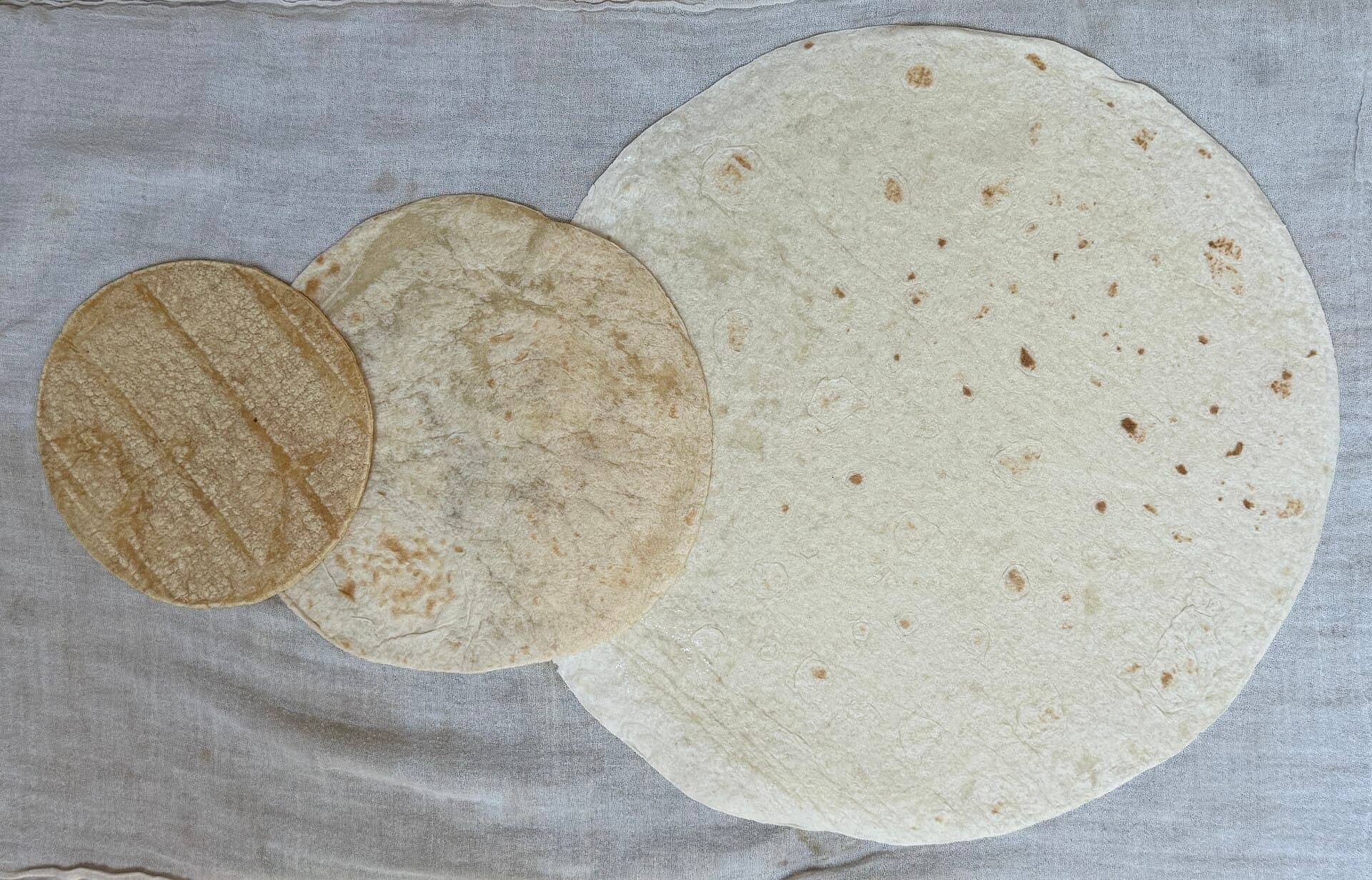
| Typical fajita size | 8–10 inch | 5–6 inch |
| Made from | Wheat flour, fat, water | Nixtamalized masa and water |
| Gluten-free | No | Yes |
| Flavor | Mild and neutral — carries the filling | Distinctly corn-forward and toasty |
| Foldability | Stretchy; wraps a heavy pile | Brittle when cool; fine once warm |
| Holds a wet filling | Well | Double them up |
| Tradition | Classic Tex-Mex fajita wrapper | The older, more traditional choice |
| Calories (per tortilla) | Higher — larger and enriched with fat | Lower — smaller and leaner |
Neither is wrong. Warming matters more than the choice: heat flour until soft, corn until fully pliable.
The call: Corn's fragility is a warming problem, not a dealbreaker — heat it soft, or double it up for heavy fillings.
Technique
How to serve each at its best
Whichever you choose, warm them — this matters more than the type. For flour, heat over a flame or in a dry skillet a few seconds a side until soft and lightly spotted, then keep them wrapped in a towel or warmer. For corn, warm them longer until fully pliable and slightly toasted; a quick pass directly over a gas flame gives them a wonderful char, and doubling two thin corn tortillas per fajita adds strength. Set out both at a fajita bar and let guests choose. Store leftover tortillas sealed at room temperature for a day or two, or refrigerate, and always re-warm before serving so they never crack.
The call: Warming beats tortilla choice: heat flour until soft, corn until fully pliable and toasty; double thin corn.
Recommended gear
Disclosure: As an Amazon Associate, FajitaRecipe.com earns from qualifying purchases. Recommendations are chosen to help you cook better fajitas; some Amazon links may earn a commission at no extra cost to you. See our selection methodology.
For warm tortillas

A damp-cloth warmer steams a stack soft in the microwave and keeps them pliable through dinner — the difference between a taco that folds and one that cracks.
Best for: Warming a stack quickly and keeping them soft at the table.
 Victoria
Model COM-113 (12 in)
A dry comal over medium-high blisters tortillas in seconds, giving them the toasty spots a microwave never will.
Best for: Charring tortillas directly and toasting them the traditional way.
Frequently asked questions
+Are flour or corn tortillas better for fajitas?
Flour tortillas are the classic fajita choice — soft, large, and easy to wrap. Corn tortillas are more traditional, more flavorful, and gluten-free, but smaller and more prone to cracking unless warmed well. Both are good; it comes down to flavor, size, and diet.
+Why do my corn tortillas crack for fajitas?
Corn tortillas have no gluten to stretch, so they crack when cold. Warm them until fully pliable — a few seconds over a flame or in a dry skillet — and double up two thin ones for heavy fillings.
+What size tortilla is best for fajitas?
For flour, a fajita or “burrito” size around 8 inches wraps a generous filling. Corn tortillas are usually 5 to 6 inches, so plan on two per fajita or a smaller pile per tortilla.
Testing, sources & disclosure
Researched and reviewed by our editors. See our recommendation methodology.
- Author:
- FajitaRecipe Editorial
- Last reviewed:
- 2026-07-12
As an Amazon Associate, FajitaRecipe.com earns from qualifying purchases. We do not provide medical or dietary advice; follow USDA guidance for food safety.
Keep cooking
You might also like
 Vigilantcosmicpenguin · CC BY 4.0
How to Warm Tortillas for Fajitas
Warm tortillas in a dry skillet or comal over medium-high for about 30 seconds a side, directly over a gas flame for a few seconds of char, in a foil-wrapped stack in a 300 degree oven, or in the microwave under a damp towel. Keep them soft and warm in a clean towel or an insulated tortilla warmer until you serve.
 stu_spivack · CC BY-SA 2.0
What to Serve with Fajitas
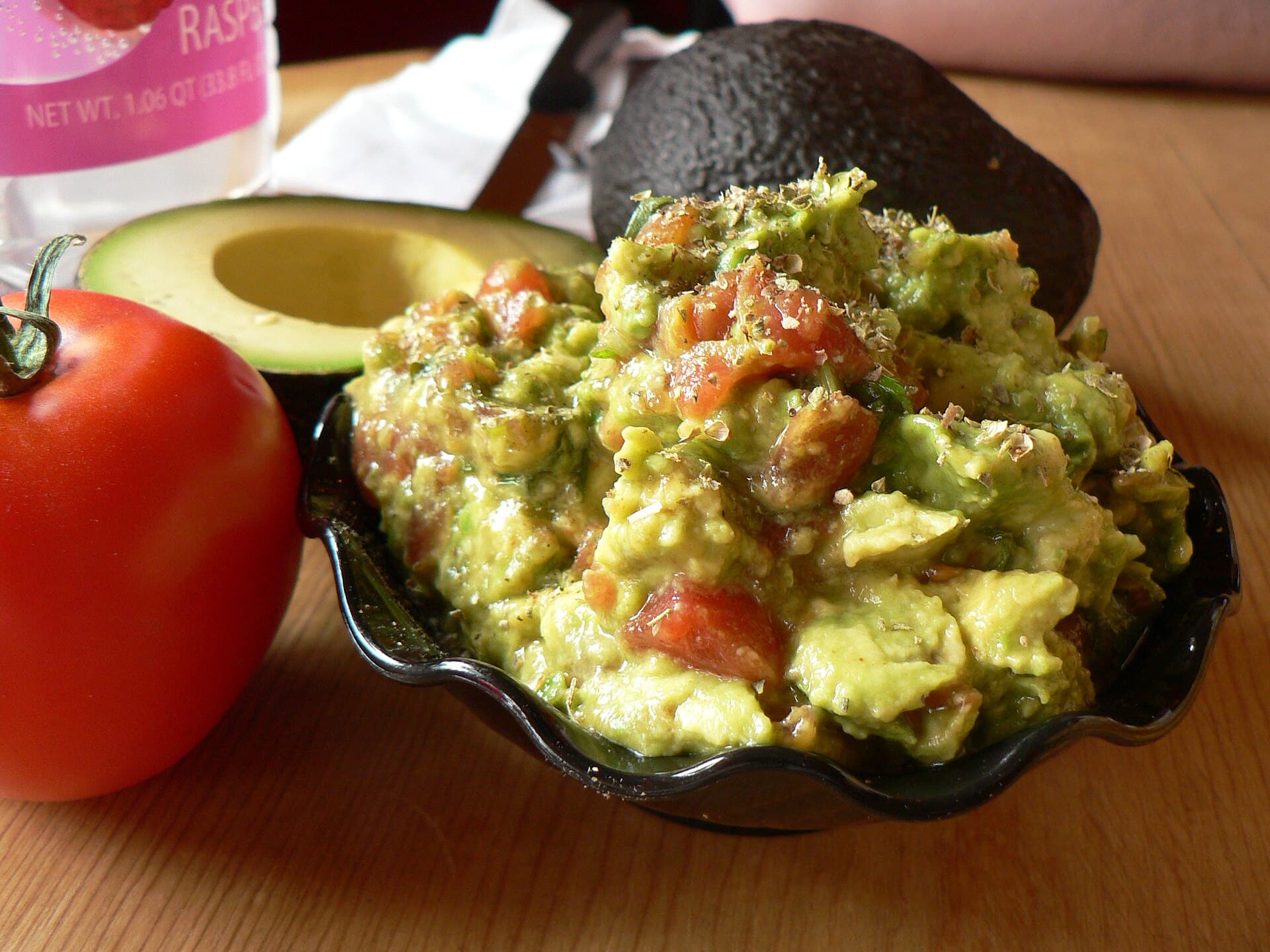
Round out fajitas with Mexican rice, beans, guacamole, and salsa as the core four, then add elote, a crisp lime slaw, or a simple green salad for freshness. A build-your-own toppings bar with sour cream, cheese, lime, and pickled jalapenos lets everyone customize. When time is short, warmed canned beans, store-bought guac, and bagged slaw pull a full spread together fast.
How to Cook Fajitas: A Beginner-Friendly Walkthrough
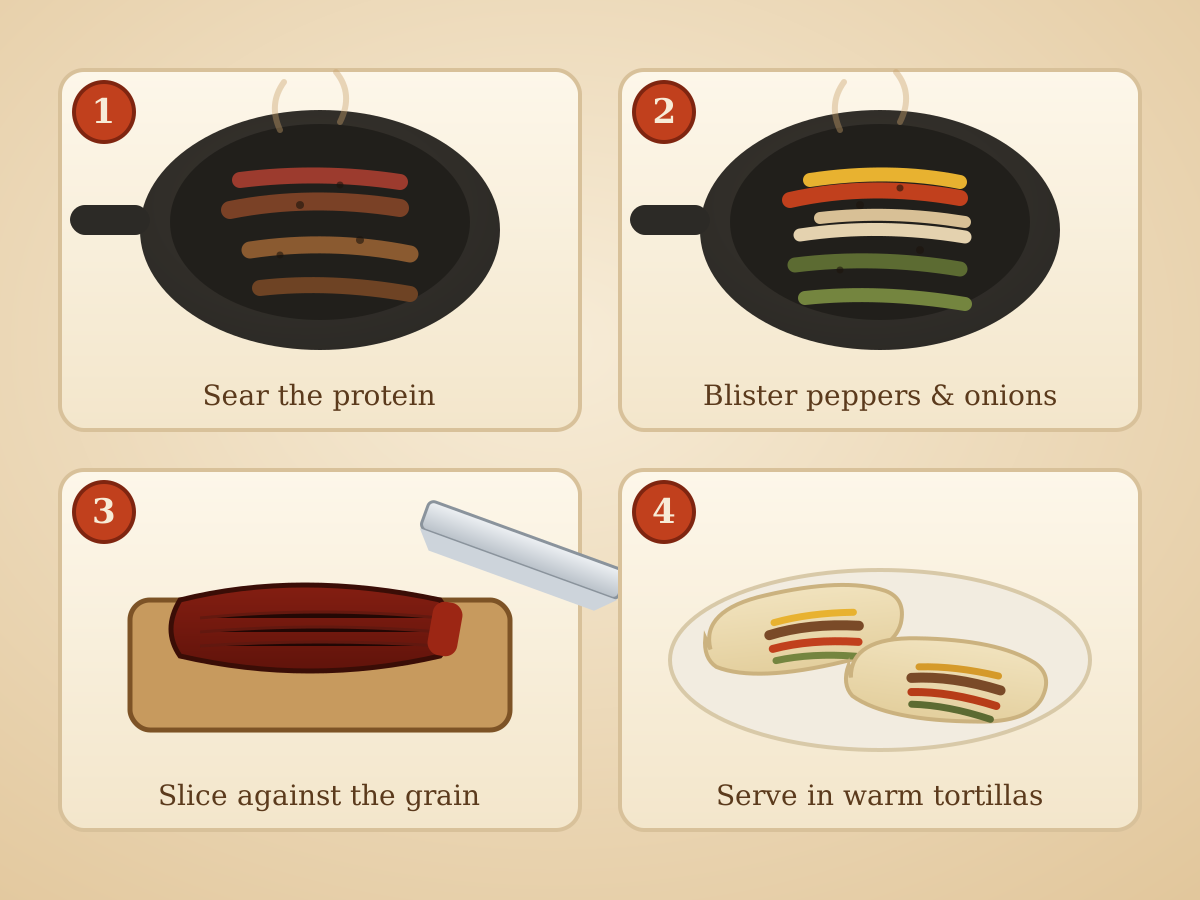
Cooking fajitas comes down to five steps: season or marinate a thin-sliced protein, get a heavy pan ripping hot, sear the meat hard and fast, char the peppers and onions separately, then slice against the grain and serve in warm tortillas. The whole thing takes about 20 minutes of cooking once your prep is done. High heat and not crowding the pan are what separate real fajitas from a soft, gray stir-fry.