How to Warm Tortillas for Fajitas
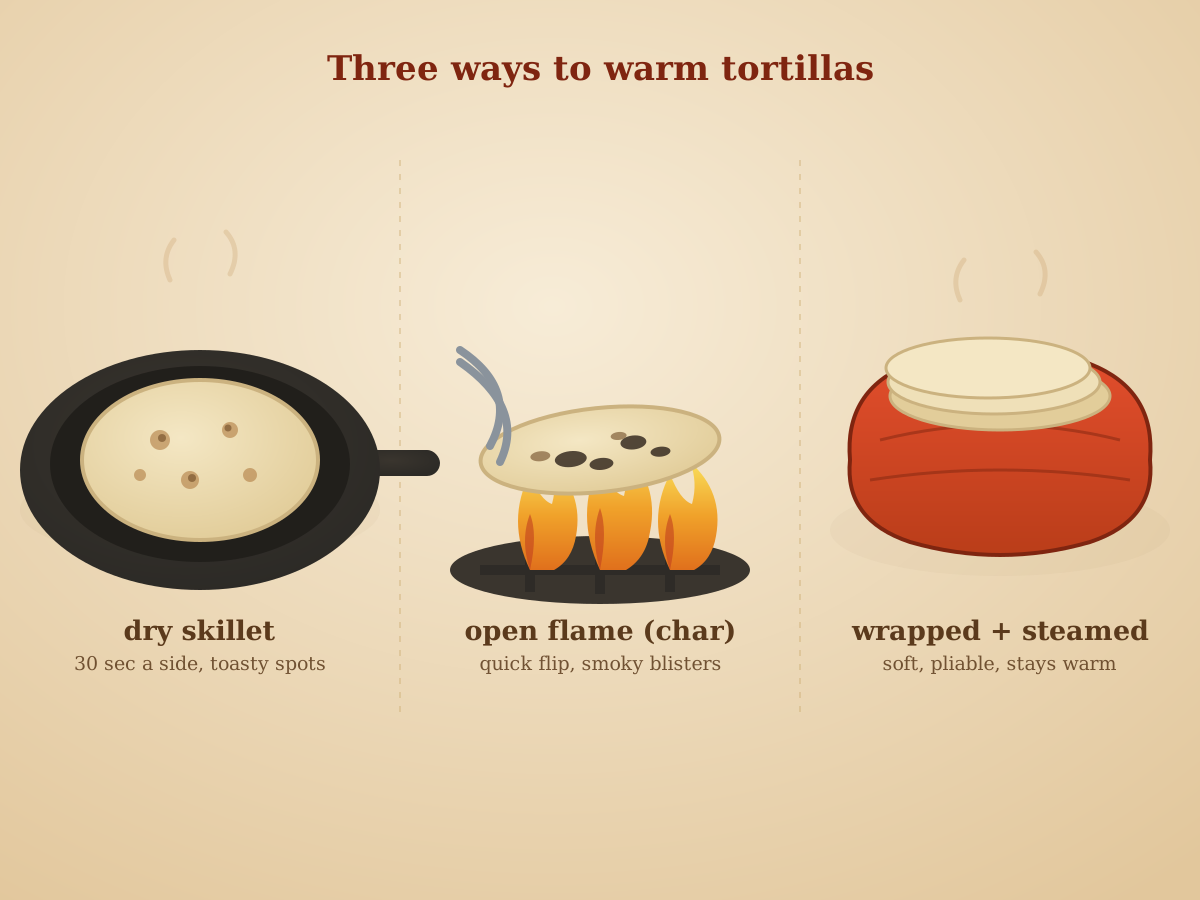
Warm tortillas in a dry skillet or comal over medium-high for about 30 seconds a side, directly over a gas flame for a few seconds of char, in a foil-wrapped stack in a 300 degree oven, or in the microwave under a damp towel. Keep them soft and warm in a clean towel or an insulated tortilla warmer until you serve.
 Vigilantcosmicpenguin · CC BY 4.0
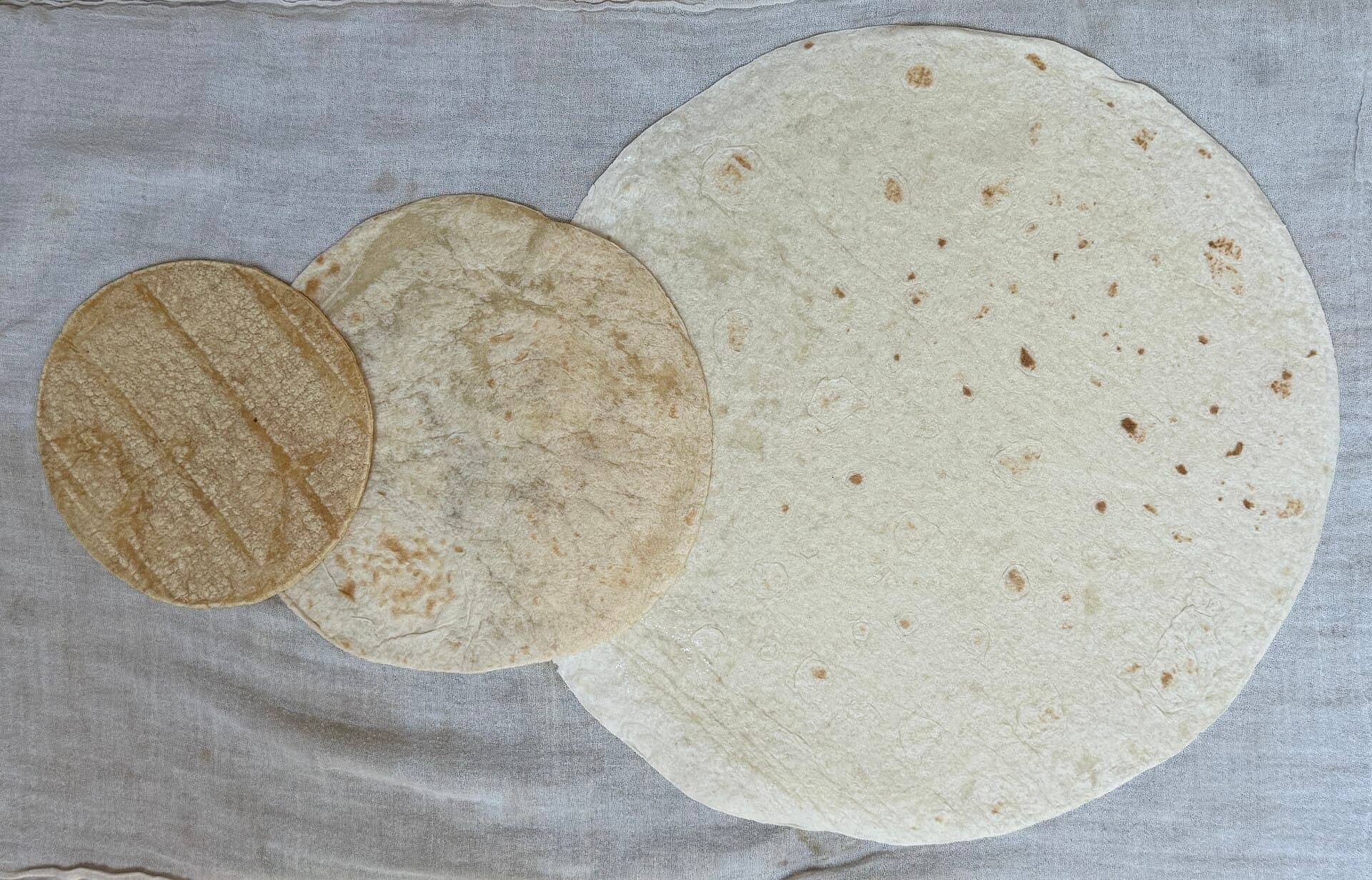
Four ways to warm flour and corn tortillas, plus how to keep a stack warm through the meal.
Technique
Dry skillet, comal, or open flame
The best flavor comes from direct heat. Set a dry skillet or a comal over medium-high, lay a tortilla down for about 30 seconds, then flip until it is soft, pliable, and lightly freckled. No oil needed; you want warmth and a few toasty spots, not frying. If you cook on gas, you can warm tortillas straight over the flame with tongs, turning every few seconds until the edges blister. It takes only seconds, so stay close. This method gives the smoky char that makes a tortilla taste made-to-order.
| Method | Time | Batch size | Result |
|---|---|---|---|
| Dry skillet or comal | 30 sec per side | One at a time | Best flavor — soft with toasty freckles |
| Open gas flame | 10–15 sec per side | One at a time | Light char and smoke; watch it constantly |
| Oven, wrapped in foil | 15 min at 300°F | 10–15 | Evenly soft, no char — best for a crowd |
| Microwave, damp towel | 30–45 sec | 4–6 | Fast and steamy; goes stiff as it cools |
| Steamer basket | 30–60 sec | 6–12 | Very soft and pliable — the taqueria method |
| Tortilla warmer (after heating) | Holds 30–60 min | 12+ | Keeps a warmed stack soft at the table |
A tortilla warmer holds heat, it does not create it — warm the tortillas first, then stack them inside.
The call: Use a dry skillet, comal, or open flame when you want toasty flavor and light char.
Technique
Oven for a big batch
When you are feeding a crowd, the oven warms a whole stack at once without babysitting. Wrap ten to fifteen tortillas snugly in aluminum foil and set the packet in a 300 degree Fahrenheit oven for about 15 minutes, until heated through. The foil traps steam so the tortillas warm gently and stay soft rather than drying at the edges. Leave them wrapped until serving and they hold their heat for a while. This is the low-effort choice for fajita night with guests, since it frees the stovetop for searing the meat and peppers.
The call: Wrap a stack in foil and warm at 300 degrees when you need many tortillas hot at once.
Technique
Microwave with a damp towel
The microwave is the fastest route when time is short. Stack up to five tortillas, cover them top and bottom with a lightly dampened clean kitchen towel or a barely wet paper towel, and heat in 30-second bursts until warm and flexible. The moisture keeps them from turning stiff or leathery, which is what happens when you microwave them bare. Do not overdo it; too long and they steam into a gummy texture. This works for both flour and corn and is ideal for a quick weeknight plate when you are not chasing char.
The call: Microwave a small stack under a damp towel for speed when char does not matter.
Recommended gear
Disclosure: As an Amazon Associate, FajitaRecipe.com earns from qualifying purchases. Recommendations are chosen to help you cook better fajitas; some Amazon links may earn a commission at no extra cost to you. See our selection methodology.
For warm tortillas

A damp-cloth warmer steams a stack soft in the microwave and keeps them pliable through dinner — the difference between a taco that folds and one that cracks.
Best for: Warming a stack quickly and keeping them soft at the table.
 Victoria
Model COM-113 (12 in)
A dry comal over medium-high blisters tortillas in seconds, giving them the toasty spots a microwave never will.
Best for: Charring tortillas directly and toasting them the traditional way.
Serving & storage
Keeping them warm and corn versus flour
However you warm them, tortillas cool fast once exposed to air, so move each one into a clean folded towel or an insulated tortilla warmer as it comes off the heat. The trapped steam keeps the stack soft through the meal. Corn tortillas are more fragile and prone to cracking, so warm them until fully pliable and handle gently; a quick pass over flame or a hot comal helps them fold without breaking. Flour tortillas are sturdier and more forgiving, and they take especially well to a few charred spots from a dry skillet.
The call: Hold warmed tortillas in a towel or insulated warmer, and heat corn a touch longer so it does not crack.
Visual guide
See the technique
Frequently asked questions
+What is the best way to warm tortillas for fajitas?
For the best flavor, warm them one at a time in a dry skillet or comal, about 30 seconds per side until soft and lightly charred. For a crowd, wrap a stack in foil and heat at 300 degrees. In a hurry, microwave under a damp towel.
+How do I keep tortillas warm during dinner?
Move each warmed tortilla into a clean folded kitchen towel or an insulated tortilla warmer right away. The trapped steam keeps the stack soft and warm through the meal. A foil packet left in a low oven also holds heat well.
+Do you warm corn and flour tortillas the same way?
The methods are the same, but corn tortillas are more fragile and crack if underheated, so warm them until fully pliable and handle gently. Flour tortillas are sturdier and take especially well to a few charred spots from a dry skillet.
Testing, sources & disclosure
Researched and reviewed by our editors. See our recommendation methodology.
- Author:
- FajitaRecipe Editorial
- Last reviewed:
- 2026-07-05
As an Amazon Associate, FajitaRecipe.com earns from qualifying purchases. We do not provide medical or dietary advice; follow USDA guidance for food safety.
Keep cooking
You might also like
 stu_spivack · CC BY-SA 2.0
What to Serve with Fajitas
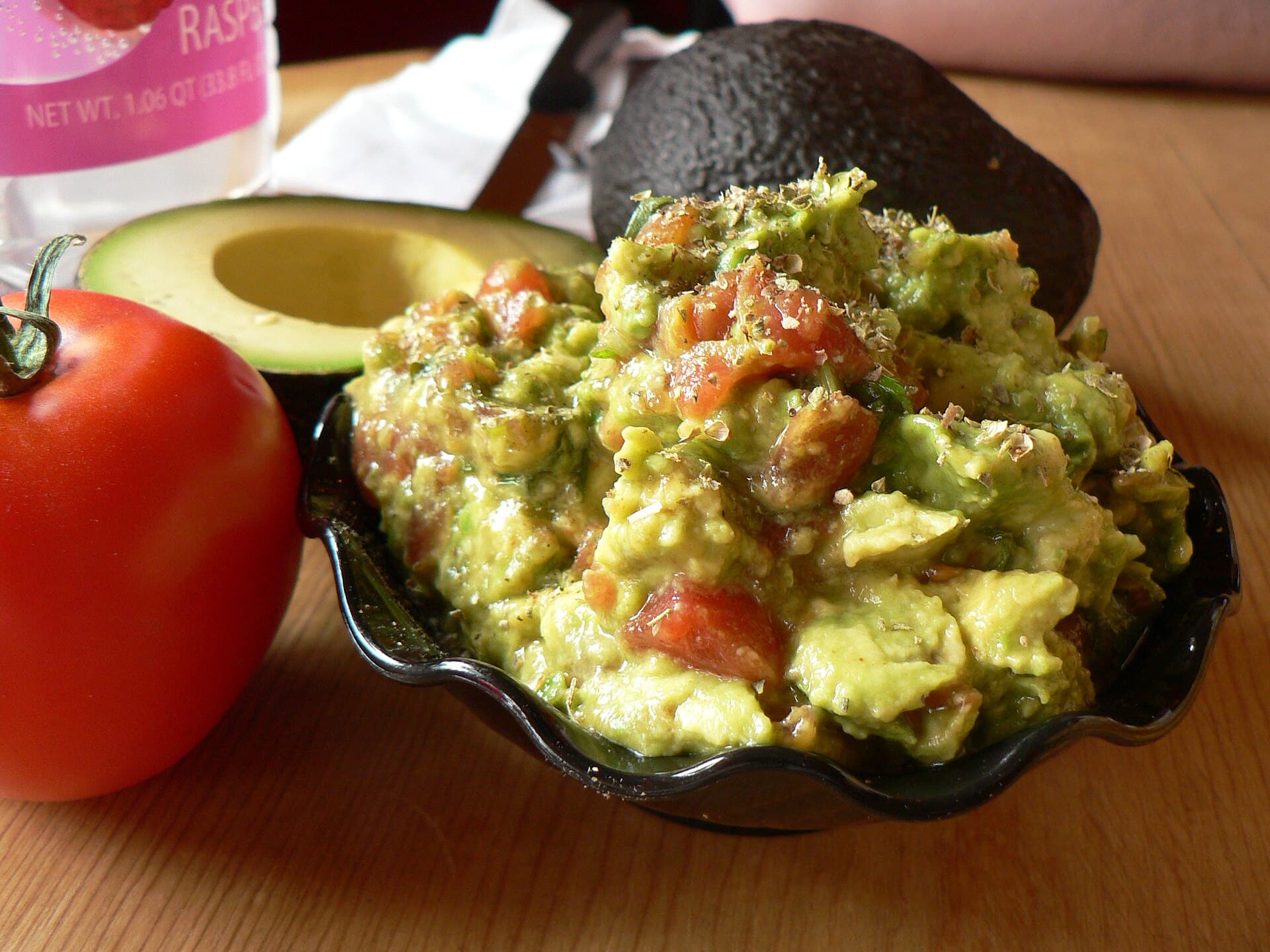
Round out fajitas with Mexican rice, beans, guacamole, and salsa as the core four, then add elote, a crisp lime slaw, or a simple green salad for freshness. A build-your-own toppings bar with sour cream, cheese, lime, and pickled jalapenos lets everyone customize. When time is short, warmed canned beans, store-bought guac, and bagged slaw pull a full spread together fast.
 Pexels contributor · Pexels License
Fajitas for a Crowd
100 min · moderate
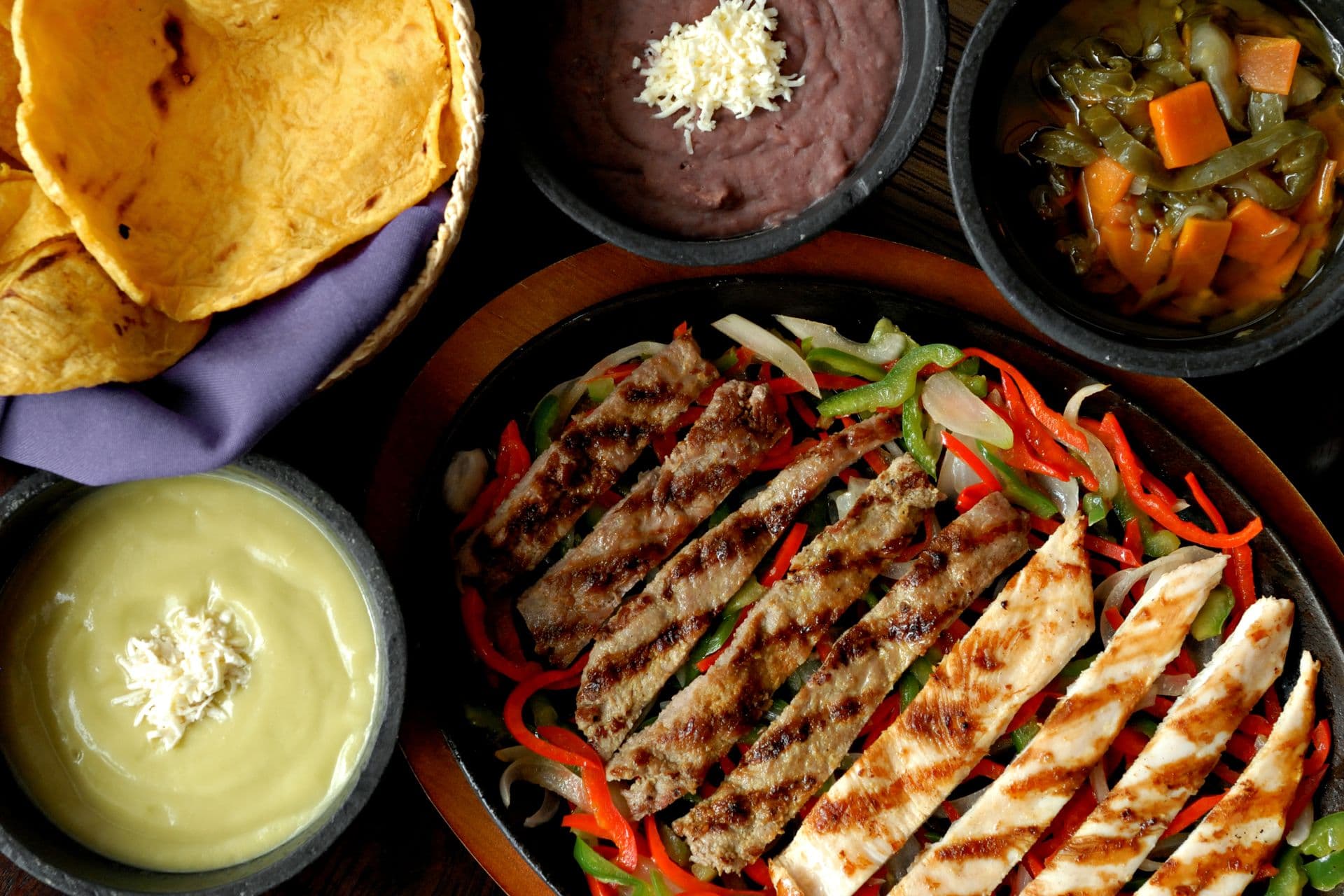
Feeding 8 to 12 people means cooking in stages, not piling everything into one pan. Roast chicken and steak on separate sheet pans, char the vegetables on their own, hold each component warm in a low oven or slow cooker, and set out a build-your-own bar. This recipe scales the quantities, sequences the cooking, and keeps everything hot without overcooking.

How to Get Restaurant-Style Fajita Char
That deep, blistered char on restaurant fajitas comes from screaming-hot metal and patience. Sizzling platters ride on cast iron or a flat-top held far hotter than a home burner usually reaches. Get there by preheating hard, drying the food, cooking in batches so the surface stays hot, using a high-smoke-point oil, and leaving each piece alone long enough to brown before you move it.

Flour vs Corn Tortillas for Fajitas: Which Should You Use?
Flour tortillas are the traditional and most popular choice for fajitas: soft, pliable, and big enough to wrap a generous pile of meat and peppers without tearing. Corn tortillas are more authentic to northern Mexican cooking, gluten-free, and more flavorful, but they are smaller and crack more easily unless warmed well. Choose flour for classic Tex-Mex fajitas and easy wrapping; choose corn for flavor, tradition, or a gluten-free table.