Fajita Vegetables on the Griddle: Charred, Not Soggy
A flat-top griddle is the easiest place to get truly charred fajita peppers and onions, because its wide, hot surface lets you spread them in a single uncrowded layer so they blister instead of steam. Slice thick with the grain, cook on a hot zone with a thin film of oil, leave them alone to char, salt at the end, and use a basting dome only if you want to speed the finish. This guide walks through the whole method.
How to cook fajita vegetables on a griddle: slicing, heat, oil, when to use a basting dome, and the salt trick for charred, tender-crisp peppers and onions.
Technique
The method, step by step
Preheat a searing zone to around 450 to 500°F. Slice bell peppers into thick strips and onions into thick half-moons so they hold together and do not fall through or overcook. Lay down a thin film of high-smoke-point oil, spread the vegetables in one layer, and let them sit undisturbed for a minute or two to build char before tossing. Keep them moving only occasionally after that. If you want them softer faster, cover them with a basting dome for thirty to sixty seconds to trap a little steam, then uncover to re-crisp. Finish with salt and a squeeze of lime, and pull them while they still have bite.
The call: Thick strips, 450–500°F, thin oil film, undisturbed to char, optional dome to soften, salt and lime at the end.
Recommended gear
Disclosure: As an Amazon Associate, FajitaRecipe.com earns from qualifying purchases. Recommendations are chosen to help you cook better fajitas; some Amazon links may earn a commission at no extra cost to you. See our selection methodology.
For grilled fajitas
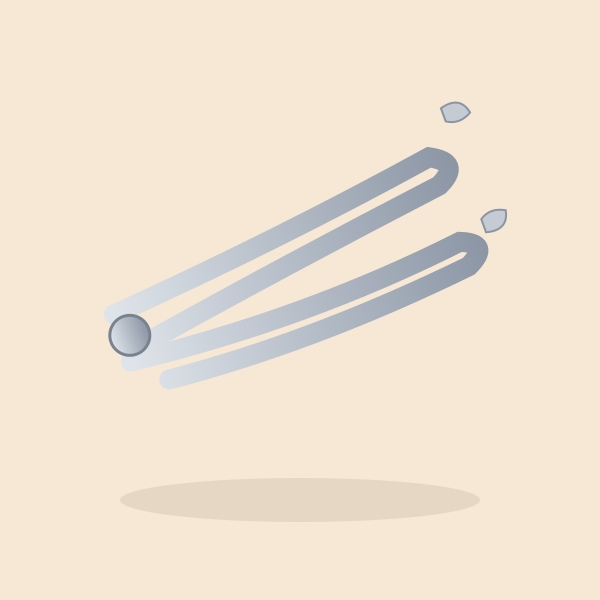 OXO
OXOModel Good Grips 16" Grilling Tongs
Sixteen-inch tongs keep your forearm out of grill-flare range while you turn skirt steak over direct heat.
Best for: Turning steak and chicken over live fire.
WeberModel 7681
A basket keeps pepper strips from falling through the grate while still letting them pick up direct-fire char — just do not overfill it.
Best for: Grilling sliced peppers and onions without losing them through the grate.
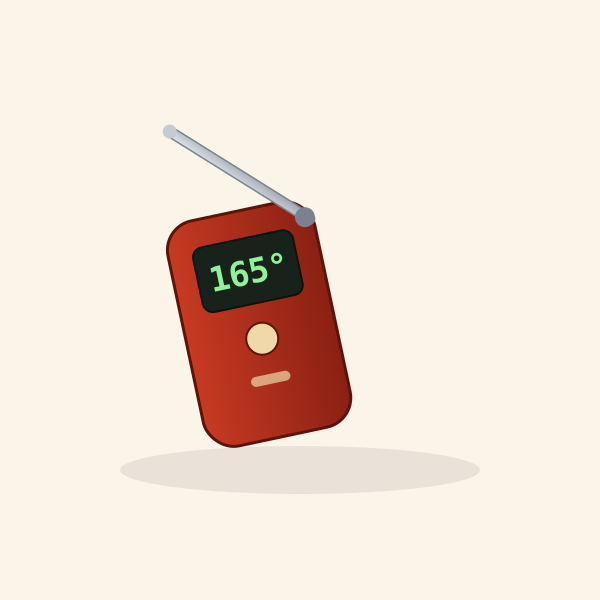 ThermoWorks
Model ThermoPop 2
You do not need a premium thermometer to cook safe chicken. The ThermoPop 2 is accurate and a few seconds slower — a great-value pick from the same maker.
Best for: A reliable read without the premium price.
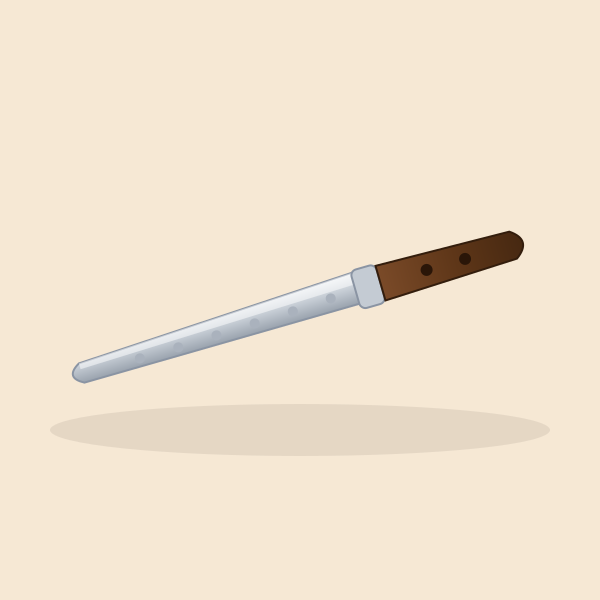 John Boos
Model RA03 (24 x 18 in)
A roomy board with a juice groove lets steak rest and be sliced in one place; pour the caught juices back over the strips before serving.
Best for: Resting and slicing steak with room to spare.
For warm tortillas
A damp-cloth warmer steams a stack soft in the microwave and keeps them pliable through dinner — the difference between a taco that folds and one that cracks.
Best for: Warming a stack quickly and keeping them soft at the table.
VictoriaModel COM-113 (12 in)
A dry comal over medium-high blisters tortillas in seconds, giving them the toasty spots a microwave never will.
Best for: Charring tortillas directly and toasting them the traditional way.
Timing with the meat and using frozen
Cook the vegetables and the meat in separate passes so neither crowds the other — sear the protein first, slide it to a holding zone, then char the vegetables in the rendered fat and fond for extra flavor. If you are using frozen pepper-and-onion blends, do not thaw them; spread them thin on the hottest zone, expect them to release a lot of water, and give them time to cook it off and char rather than crowding them, which only steams them. Either way, the vegetables are done when the edges are blistered and the onions are translucent but still have snap.
The call: Cook vegetables and meat in separate passes; use frozen blends straight from the freezer on the hottest zone.
Frequently asked questions
+How do you cook fajita vegetables on a griddle?
Preheat a searing zone to about 450 to 500°F, slice the peppers and onions into thick strips, and spread them in a single layer over a thin film of oil. Leave them undisturbed to char, salt at the end, and pull them while still tender-crisp.
+How do you keep griddle fajita vegetables from getting soggy?
Use high heat, spread them in a single uncrowded layer, and do not salt until the end. Crowding and early salt draw out water that steams the vegetables. A quick pass under a basting dome softens them without waterlogging.
+Can you cook frozen peppers and onions on a Blackstone?
Yes. Do not thaw them; spread them thin on the hottest zone and give them time to release and cook off their water, then char. Crowding frozen vegetables is the main reason they turn out soggy.
Testing, sources & disclosure
Researched and reviewed by our editors. See our recommendation methodology.
- Author:
- FajitaRecipe Editorial
- Last reviewed:
- 2026-07-12
As an Amazon Associate, FajitaRecipe.com earns from qualifying purchases. We do not provide medical or dietary advice; follow USDA guidance for food safety.
Keep cooking
You might also like
How to Cook Peppers and Onions for Fajitas
The best fajita peppers and onions are charred and tender-crisp, not soggy or raw. Slice bell peppers and onions into thick strips with the grain, cook them separately from the meat in a screaming-hot pan, and resist stirring so they blister and caramelize. Salt at the end, not the start, so they sear instead of steam.
Griddle Fajitas: The Blackstone & Flat-Top Method
A flat-top griddle like a Blackstone is arguably the best fajita cooker there is: acres of screaming-hot surface let you sear meat and char vegetables in single layers with no crowding and no steaming. Set up two heat zones, cook the meat and vegetables separately on high, keep everything moving with a wide spatula, and warm the tortillas right on the flat top. It is the closest thing to a restaurant fajita line at home.
Frozen Peppers and Onions for Fajitas: How to Make Them Not Soggy
Frozen peppers and onions are a real fajita shortcut, but they hold a lot of ice and will steam into a soggy tangle if you treat them like fresh. The trick is to cook them straight from frozen in a screaming-hot pan, do not thaw, do not crowd, and do not stir much — let the water boil off and the edges char. Salt only at the end, and drain any liquid that pools.
Fajita Vegetables on the Grill: Smoky Peppers and Onions
Grilling gives fajita peppers and onions a smoky char you cannot get indoors, but the grate is also the easiest place to lose them into the fire. The trick is to grill them in large planks first — whole pepper sides and thick onion rounds — over direct high heat, then slice them into strips afterward, so they get real char without falling through. This guide covers the plank method, a grill basket alternative, and how to time them with the meat.