Fajita Vegetables in the Oven: Roasted Peppers and Onions That Char, Not Steam
Roasting fajita peppers and onions in the oven is the hands-off way to feed a crowd, but the pan and heat matter: use a very hot oven (450°F+), spread the strips in a single layer on a sheet pan with room to spare, and roast without stirring until the edges char. Crowding is what makes oven vegetables steam and go limp — give them space and high heat and they come out tender with real color.
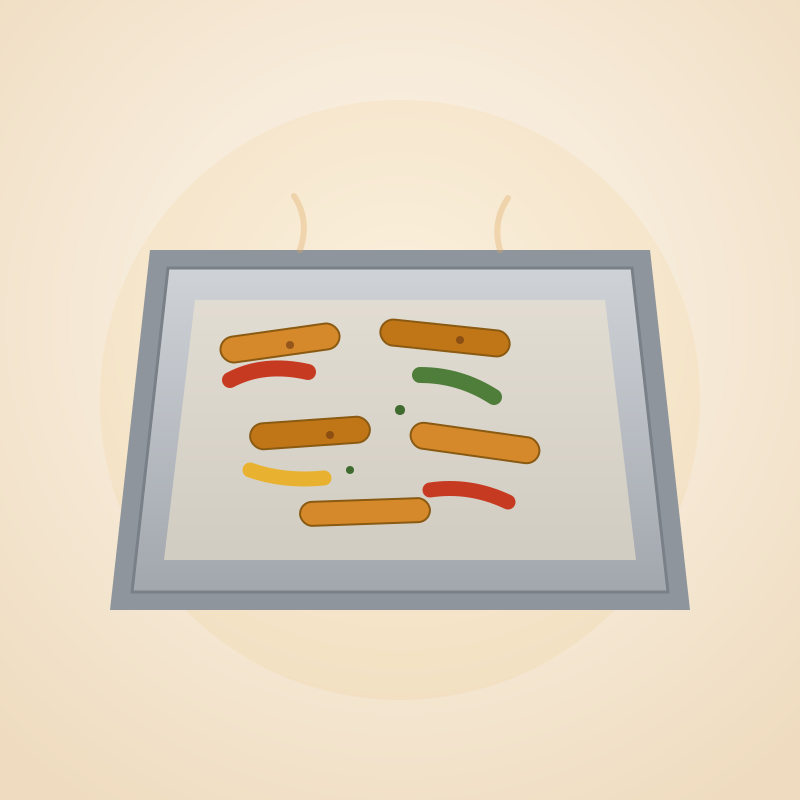
How to make fajita vegetables in the oven — roasted peppers and onions that char instead of steam — with the temperature, pan, and spacing that matter.
Substitutions
| Instead of | Use | Adjust | Expect | Avoid when |
|---|---|---|---|---|
| bell peppers | poblano peppers or a mix | — | Poblanos roast beautifully and add a mild, earthy chile flavor. | — |
Technique
The method: hot oven, big pan, no crowding
Heat the oven to 450°F or higher (475°F if it goes there), and put a sheet pan in to preheat if you want extra sizzle on contact. Slice bell peppers and onions into thick, fajita-size strips, toss them with a tablespoon or two of high-smoke-point oil, salt, and a little fajita seasoning, and spread them in a single, uncrowded layer — use two pans rather than piling one high. Roast fifteen to twenty minutes, tossing once about two-thirds of the way through, until the edges are charred and the onions are soft and sweet. If they are releasing water and not browning, your oven was not hot enough or the pan was too full. Finish with a squeeze of lime.
The call: 450–475°F, thick strips, oil + salt, single uncrowded layer on 1–2 sheet pans, roast 15–20 min, toss once.
Recommended gear
Disclosure: As an Amazon Associate, FajitaRecipe.com earns from qualifying purchases. Recommendations are chosen to help you cook better fajitas; some Amazon links may earn a commission at no extra cost to you. See our selection methodology.
For sheet-pan fajitas
 Nordic Ware
Model Naturals Baker’s Half Sheet 43100
A sturdy rimmed half-sheet gives chicken and peppers room to roast in a single layer instead of steaming. Thin pans buckle at 425°F and pool juices in the warp.
Best for: Sheet-pan fajitas for 3–4 in a single layer.
 Winco
WincoModel TN719
A thin, flexible turner slides under roasted chicken and peppers that caught on the pan, so you flip them instead of shredding them.
Best for: Lifting and turning sheet-pan pieces without tearing.
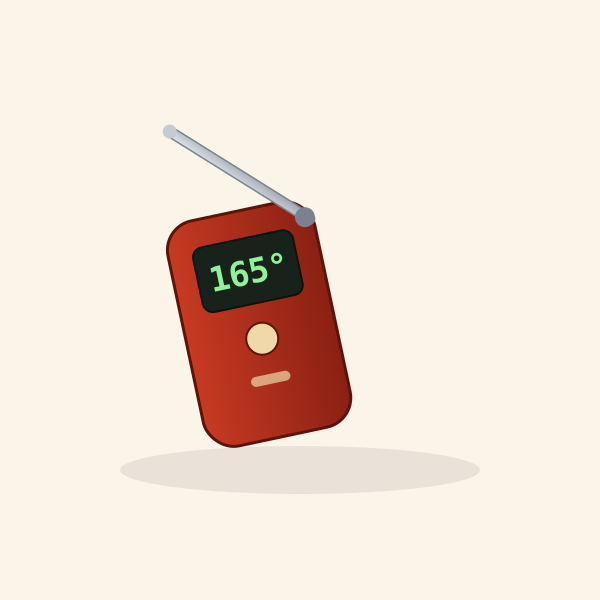 ThermoWorks
Model ThermoPop 2
You do not need a premium thermometer to cook safe chicken. The ThermoPop 2 is accurate and a few seconds slower — a great-value pick from the same maker.
Best for: A reliable read without the premium price.
For warm tortillas

A damp-cloth warmer steams a stack soft in the microwave and keeps them pliable through dinner — the difference between a taco that folds and one that cracks.
Best for: Warming a stack quickly and keeping them soft at the table.
VictoriaModel COM-113 (12 in)
A dry comal over medium-high blisters tortillas in seconds, giving them the toasty spots a microwave never will.
Best for: Charring tortillas directly and toasting them the traditional way.
Serving & storage
Oven vs skillet, and a sheet-pan whole meal
Oven-roasted vegetables trade a little of the skillet’s intense, controlled char for hands-off volume, so reach for the oven when you are feeding a crowd or want to walk away, and the skillet or griddle when you want maximum sear for a few servings. You can take it further into a full sheet-pan fajita dinner: roast the sliced protein and vegetables together on a hot pan (giving the meat its own space so it browns), then pile everything into warm tortillas. Leftover roasted vegetables keep three to four days and reheat well, and they are excellent cold in a fajita bowl or salad.
The call: Oven = hands-off volume; skillet/griddle = max sear for a few. Extend it to a full sheet-pan fajita dinner.
Frequently asked questions
+How do you make fajita vegetables in the oven?
Toss thick strips of bell pepper and onion with oil, salt, and fajita seasoning, spread them in a single uncrowded layer on a sheet pan, and roast at 450°F or higher for fifteen to twenty minutes, tossing once, until charred. Finish with lime.
+What temperature do you roast fajita vegetables at?
450°F or higher — 475°F if your oven allows. High heat is what chars the edges instead of steaming the vegetables. Preheating the sheet pan adds extra sizzle.
+Why are my oven fajita vegetables soggy?
The oven was not hot enough or the pan was crowded, so the vegetables released water and steamed. Use 450°F+, spread them in a single layer across one or two pans, and do not stir too often.
Testing, sources & disclosure
Researched and reviewed by our editors. See our recommendation methodology.
- Author:
- FajitaRecipe Editorial
- Last reviewed:
- 2026-07-12
As an Amazon Associate, FajitaRecipe.com earns from qualifying purchases. We do not provide medical or dietary advice; follow USDA guidance for food safety.
Keep cooking
You might also like
How to Cook Peppers and Onions for Fajitas
The best fajita peppers and onions are charred and tender-crisp, not soggy or raw. Slice bell peppers and onions into thick strips with the grain, cook them separately from the meat in a screaming-hot pan, and resist stirring so they blister and caramelize. Salt at the end, not the start, so they sear instead of steam.
Frozen Peppers and Onions for Fajitas: How to Make Them Not Soggy
Frozen peppers and onions are a real fajita shortcut, but they hold a lot of ice and will steam into a soggy tangle if you treat them like fresh. The trick is to cook them straight from frozen in a screaming-hot pan, do not thaw, do not crowd, and do not stir much — let the water boil off and the edges char. Salt only at the end, and drain any liquid that pools.
 Pexels contributor · Pexels License
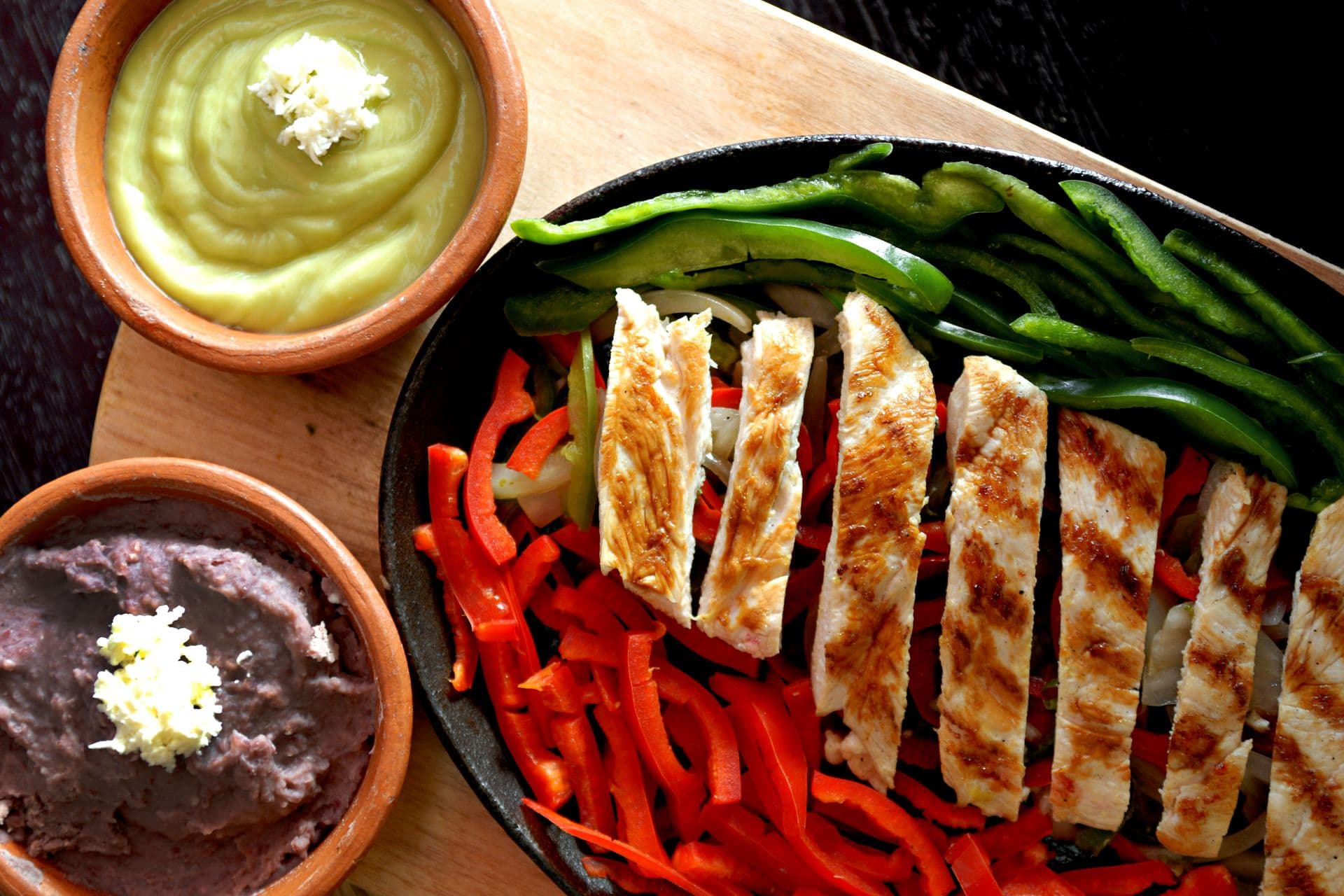
Sheet-Pan Chicken Fajitas
40 min · easy
Sheet-pan chicken fajitas turn the oven into a hands-off cook that needs no standing at the stove. Toss sliced thighs, peppers, and onions with oil and seasoning, spread them in one uncrowded layer on a preheated pan, and roast at 425°F until the chicken hits 165°F and the edges color. One pan in, one pan out, and only a bowl and a knife to wash.