Fajita Vegetables in the Air Fryer: Fast and Charred
The air fryer is a genuinely great, hands-off way to cook fajita peppers and onions: its hot, fast-moving air blisters the edges and drives off moisture in about ten to twelve minutes with almost no oil. The keys are cutting thick strips, tossing with just enough oil, not overfilling the basket, and shaking once partway through. This guide covers the timing, temperature, and how to avoid the one thing that makes them soggy.
How to cook fajita vegetables in an air fryer: temperature, timing, oil, and basket tips for charred, tender-crisp peppers and onions in about ten minutes.
Technique
Temperature and timing
Preheat the air fryer to about 400°F. Slice bell peppers into thick strips and onions into thick wedges or half-moons, toss them in a bowl with about a teaspoon of oil per two cups and your fajita seasoning, then spread them in the basket in as close to a single layer as you can. Cook for ten to twelve minutes total, shaking or tossing the basket once around the halfway mark so they char evenly. They are done when the edges are blistered and the onions are translucent with a little snap left. If your basket is small, cook in two batches rather than heaping it — a packed basket steams instead of chars.
The call: About 400°F for 10–12 minutes, tossed once halfway; a light oil coat and an uncrowded basket give char.
Recommended gear
Disclosure: As an Amazon Associate, FajitaRecipe.com earns from qualifying purchases. Recommendations are chosen to help you cook better fajitas; some Amazon links may earn a commission at no extra cost to you. See our selection methodology.
For peppers & onions
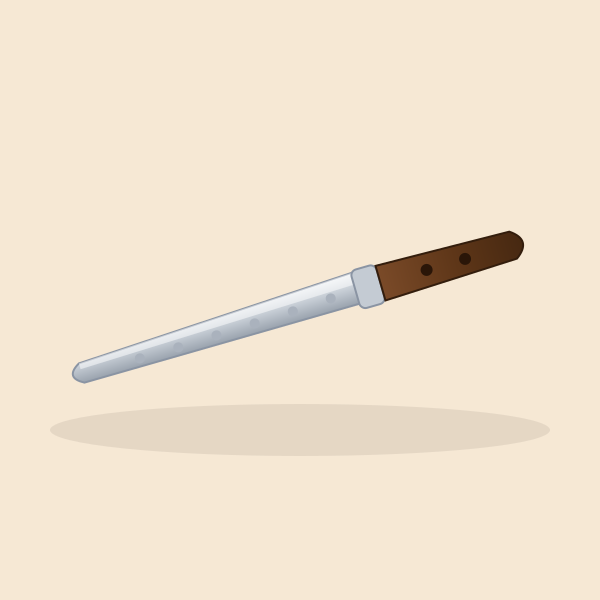 Victorinox
Model 5.2063.20 (Fibrox Pro 8")
A sharp 8-inch chef’s knife handles the pepper and onion prep fajitas live on. The Fibrox handle grips even when your hands are wet from vegetables.
Best for: Slicing peppers and onions and general prep.
 OXO
OXOModel Good Grips 12" Locking Tongs
Twelve-inch tongs keep your hand out of the smoke while you toss peppers and flip strips in a ripping-hot pan.
Best for: Tossing peppers and turning strips over high heat.
For warm tortillas

A damp-cloth warmer steams a stack soft in the microwave and keeps them pliable through dinner — the difference between a taco that folds and one that cracks.
Best for: Warming a stack quickly and keeping them soft at the table.
VictoriaModel COM-113 (12 in)
A dry comal over medium-high blisters tortillas in seconds, giving them the toasty spots a microwave never will.
Best for: Charring tortillas directly and toasting them the traditional way.
Frozen, oil, and pairing with meat
Frozen pepper-and-onion blends work well in the air fryer because the moving air handles their extra water; add a couple of minutes and do not thaw them first. Keep the oil light — the air fryer needs far less than a pan, and too much can make the vegetables greasy rather than charred, though a small amount helps the seasoning stick and browning happen. If you are making full fajitas, cook the vegetables in the air fryer while you sear the meat on the stove or griddle, then combine at the end; or cook air-fryer chicken or shrimp fajitas and do the vegetables in the same appliance in a separate batch.
The call: Use frozen blends straight in with extra time; keep oil light; cook vegetables and meat in parallel and combine at the end.
Frequently asked questions
+How long do you cook fajita vegetables in an air fryer?
About ten to twelve minutes at 400°F, tossing the basket once around the halfway mark. They are done when the edges are charred and the onions are translucent but still have a little snap. Add a couple of minutes for frozen vegetables.
+What temperature for fajita vegetables in the air fryer?
Around 400°F. That is hot enough to blister the edges and drive off moisture quickly so the peppers and onions char instead of steaming.
+Do you need oil for air fryer fajita vegetables?
Only a little — about a teaspoon per two cups. A light coat helps the seasoning stick and the edges brown, but the air fryer needs far less oil than a skillet, and too much makes the vegetables greasy instead of charred.
Testing, sources & disclosure
Researched and reviewed by our editors. See our recommendation methodology.
- Author:
- FajitaRecipe Editorial
- Last reviewed:
- 2026-07-12
As an Amazon Associate, FajitaRecipe.com earns from qualifying purchases. We do not provide medical or dietary advice; follow USDA guidance for food safety.
Keep cooking
You might also like
How to Cook Peppers and Onions for Fajitas
The best fajita peppers and onions are charred and tender-crisp, not soggy or raw. Slice bell peppers and onions into thick strips with the grain, cook them separately from the meat in a screaming-hot pan, and resist stirring so they blister and caramelize. Salt at the end, not the start, so they sear instead of steam.
Fajita Vegetables in the Oven: Roasted Peppers and Onions That Char, Not Steam
Roasting fajita peppers and onions in the oven is the hands-off way to feed a crowd, but the pan and heat matter: use a very hot oven (450°F+), spread the strips in a single layer on a sheet pan with room to spare, and roast without stirring until the edges char. Crowding is what makes oven vegetables steam and go limp — give them space and high heat and they come out tender with real color.
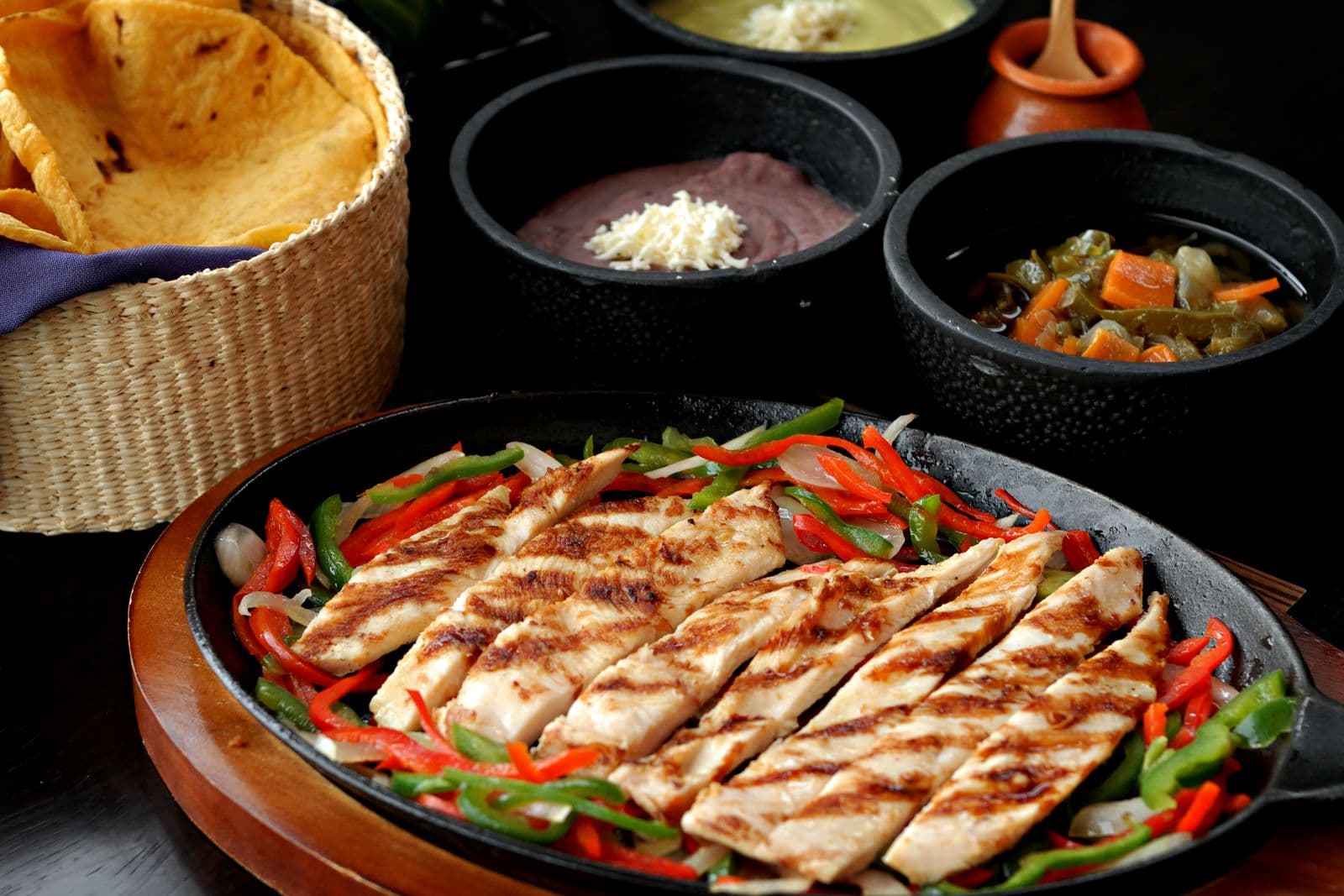 Pexels contributor · Pexels License
Air Fryer Chicken Fajitas
35 min · easy
Air fryer chicken fajitas depend on one detail: how much space you leave in the basket. Rapid air circulation is what browns the chicken and peppers without oven-level heat, but that only works if pieces sit in a single, uncrowded layer. Toss seasoned chicken and vegetables in oil, cook in batches at 400°F, shaking halfway, and you get fajitas with real color in under 20 minutes of actual cook time.