How to Reheat Fajitas
Reheat fajitas fast in a hot skillet with a splash of water or oil, tossing just until warmed through, so the already-cooked meat does not overcook and toughen. The microwave works in short bursts with a damp cover. Heat leftovers to 165 degrees Fahrenheit, and store cooked fajita meat and vegetables in the fridge for three to four days.
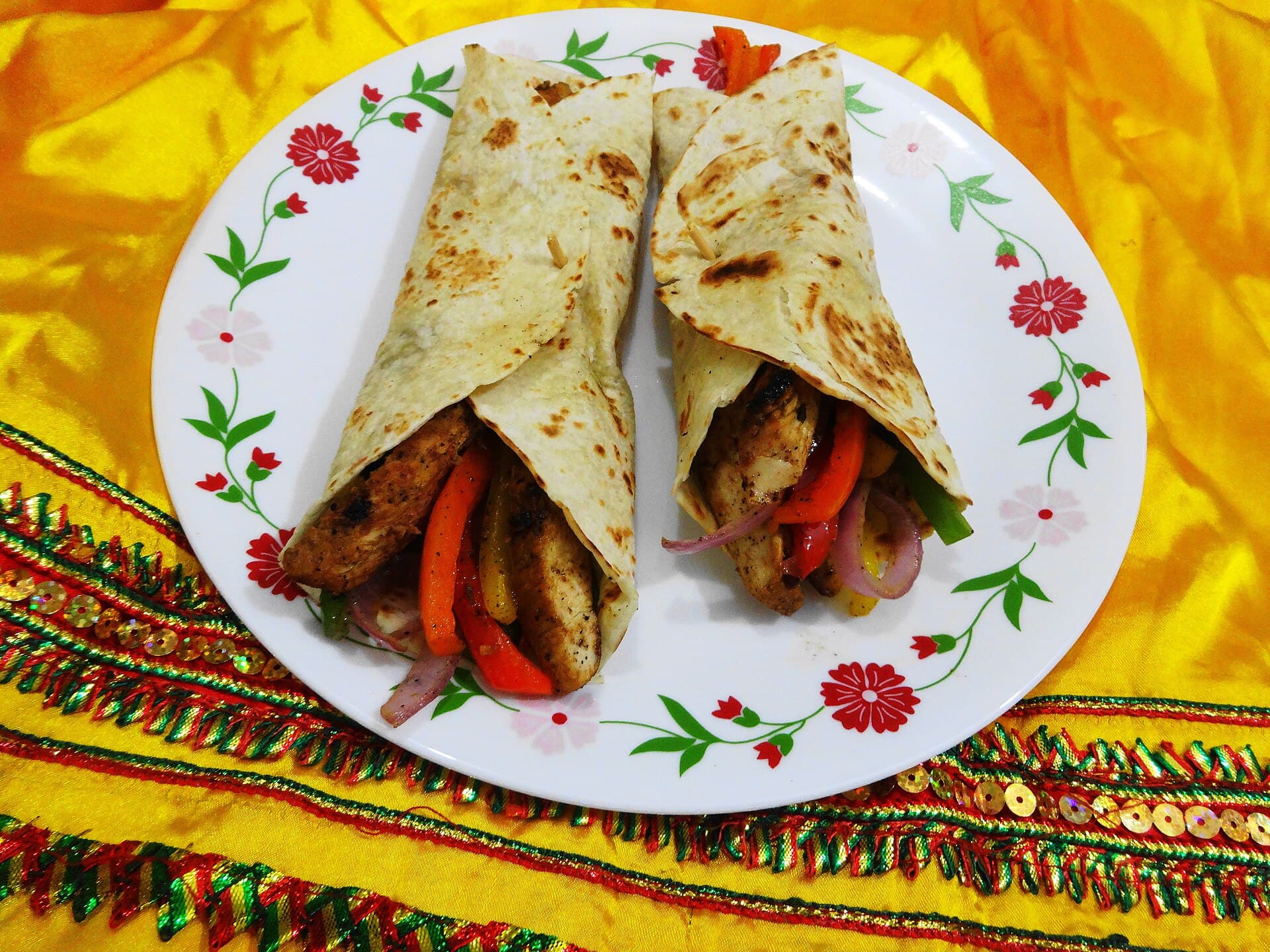
How to reheat leftover fajita meat and peppers without drying them out, plus safe storage times.
Technique
Skillet is the best method
A hot skillet reheats fajitas closest to fresh. Set a pan over medium-high, add a small splash of water or a teaspoon of oil, and toss the meat and peppers just until heated through, usually two to three minutes. The quick blast re-crisps the edges and drives off condensation instead of steaming everything limp. Keep it moving and pull the pan the moment the meat is hot; the goal is to warm food that is already cooked, not to cook it again. A little fresh lime at the end brightens leftovers that have flattened in the fridge.
| Method | Time | Result | Best for |
|---|---|---|---|
| Skillet (best) | 2–3 min on medium-high | Re-crisped edges, closest to fresh | Steak, chicken, peppers and onions |
| Microwave | 30-second bursts, 1–2 min total | Fast but softens; can turn rubbery | A single plate when speed matters |
| Oven, covered | 10–15 min at 350°F | Even and gentle, slightly drier | Large batches |
| Air fryer | 3–4 min at 350°F | Crisp edges, can dry thin strips | Small portions of chicken or steak |
| Sheet pan under the broiler | 2–3 min | Good char, easy to overshoot | Reviving a crowd-sized batch fast |
Whichever method you use, reheat to 165°F throughout and only once. Add tortillas and cold toppings after reheating, never during.
The call: Reheat in a hot skillet with a splash of liquid, tossing just until warmed to revive texture.
The science
Why leftovers overcook so easily
The meat in your leftovers is already fully cooked, so any reheating pushes it further along the doneness curve. Steak and chicken that were juicy at medium can turn dry and chewy if you reheat them slow and long, because more moisture squeezes out of the contracted muscle fibers. That is why speed matters: get the food hot quickly and stop. Adding a splash of water or a knob of butter puts back a little of the moisture lost the first time and lost again in storage, buffering the meat against that second round of drying.
The call: Reheat quickly and add moisture, since the meat is already cooked and dries with extra heat.
Technique
Microwave in short bursts
The microwave is fine when you want speed over texture. Spread the fajita meat and peppers in a thin, even layer on a plate, cover with a damp paper towel to trap steam, and heat in 30- to 45-second bursts, stirring between each, until hot. Short bursts keep the edges from turning rubbery before the center warms. Warm the tortillas separately under their own damp towel rather than with the filling. It will not re-crisp anything, but with a squeeze of lime and fresh toppings it makes a quick, respectable second meal.
The call: Use the microwave in short bursts under a damp cover when you want speed over crispness.
Recommended gear
Disclosure: As an Amazon Associate, FajitaRecipe.com earns from qualifying purchases. Recommendations are chosen to help you cook better fajitas; some Amazon links may earn a commission at no extra cost to you. See our selection methodology.
For slicing steak
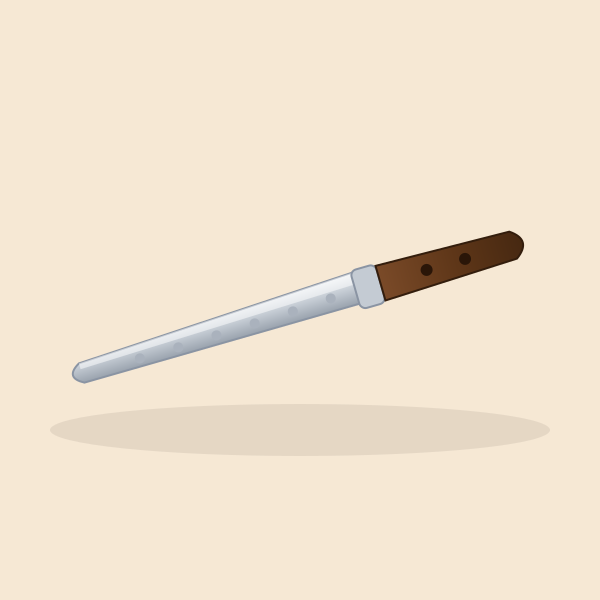 Victorinox
Model 5.4233.30 (Fibrox 12" Granton)
Thin, even slices across the grain are what make skirt and flank tender. A long granton slicer does it in one clean stroke instead of sawing.
Best for: Clean, thin, against-the-grain slices on skirt and flank steak.
John BoosModel RA03 (24 x 18 in)
A roomy board with a juice groove lets steak rest and be sliced in one place; pour the caught juices back over the strips before serving.
Best for: Resting and slicing steak with room to spare.
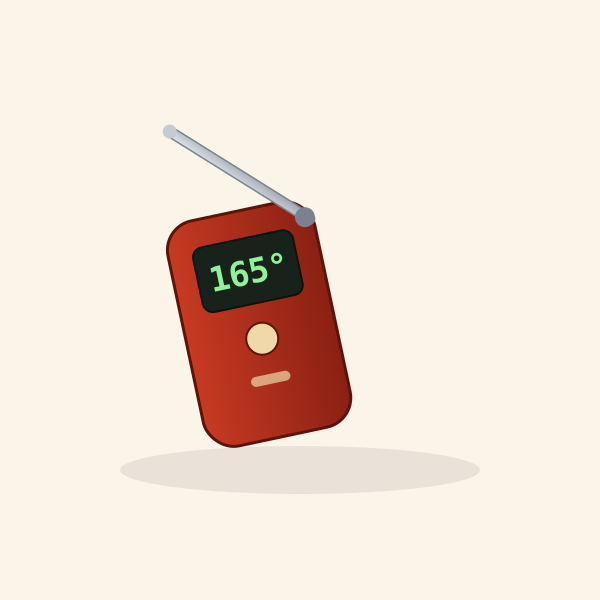 ThermoWorks
Model ThermoPop 2
You do not need a premium thermometer to cook safe chicken. The ThermoPop 2 is accurate and a few seconds slower — a great-value pick from the same maker.
Best for: A reliable read without the premium price.
Serving & storage
Safe storage and reheating temperature
Cool leftovers and refrigerate within two hours; do not let cooked fajitas sit out between 40 and 140 degrees Fahrenheit, where bacteria multiply fast. Stored in an airtight container, cooked fajita meat and vegetables keep three to four days. When reheating, bring leftovers all the way to 165 degrees Fahrenheit, checking the thickest piece with a thermometer if you are unsure. Reheat only the portion you plan to eat rather than the whole batch repeatedly, since each cool-and-reheat cycle degrades texture and gives bacteria more chances to grow.
The call: Refrigerate within two hours, use within three to four days, and reheat to 165 degrees.
Frequently asked questions
+What is the best way to reheat fajitas?
A hot skillet with a splash of water or oil, tossing the meat and peppers just until heated through in two to three minutes. It re-crisps the edges and avoids the sogginess and drying that slow reheating causes. Warm the tortillas separately.
+How do I reheat fajita meat without drying it out?
Reheat quickly and add a little moisture. A splash of water or a knob of butter in a hot pan, or a damp paper towel over the plate in the microwave, replaces moisture lost in storage. Stop as soon as the meat is hot, since it is already cooked.
+How long do leftover fajitas last in the fridge?
Three to four days in an airtight container. Refrigerate within two hours of cooking, and reheat leftovers to 165 degrees Fahrenheit before eating. Reheat only what you plan to eat rather than the whole batch each time.
Testing, sources & disclosure
Researched and reviewed by our editors. See our recommendation methodology.
- Author:
- FajitaRecipe Editorial
- Last reviewed:
- 2026-07-05
Sources
- Safe Minimum Internal Temperature Chart, USDA FSIS linkSupports: Reheat leftovers to an internal temperature of 165 degrees Fahrenheit.
As an Amazon Associate, FajitaRecipe.com earns from qualifying purchases. We do not provide medical or dietary advice; follow USDA guidance for food safety.
Keep cooking
You might also like
 stu_spivack · CC BY-SA 2.0
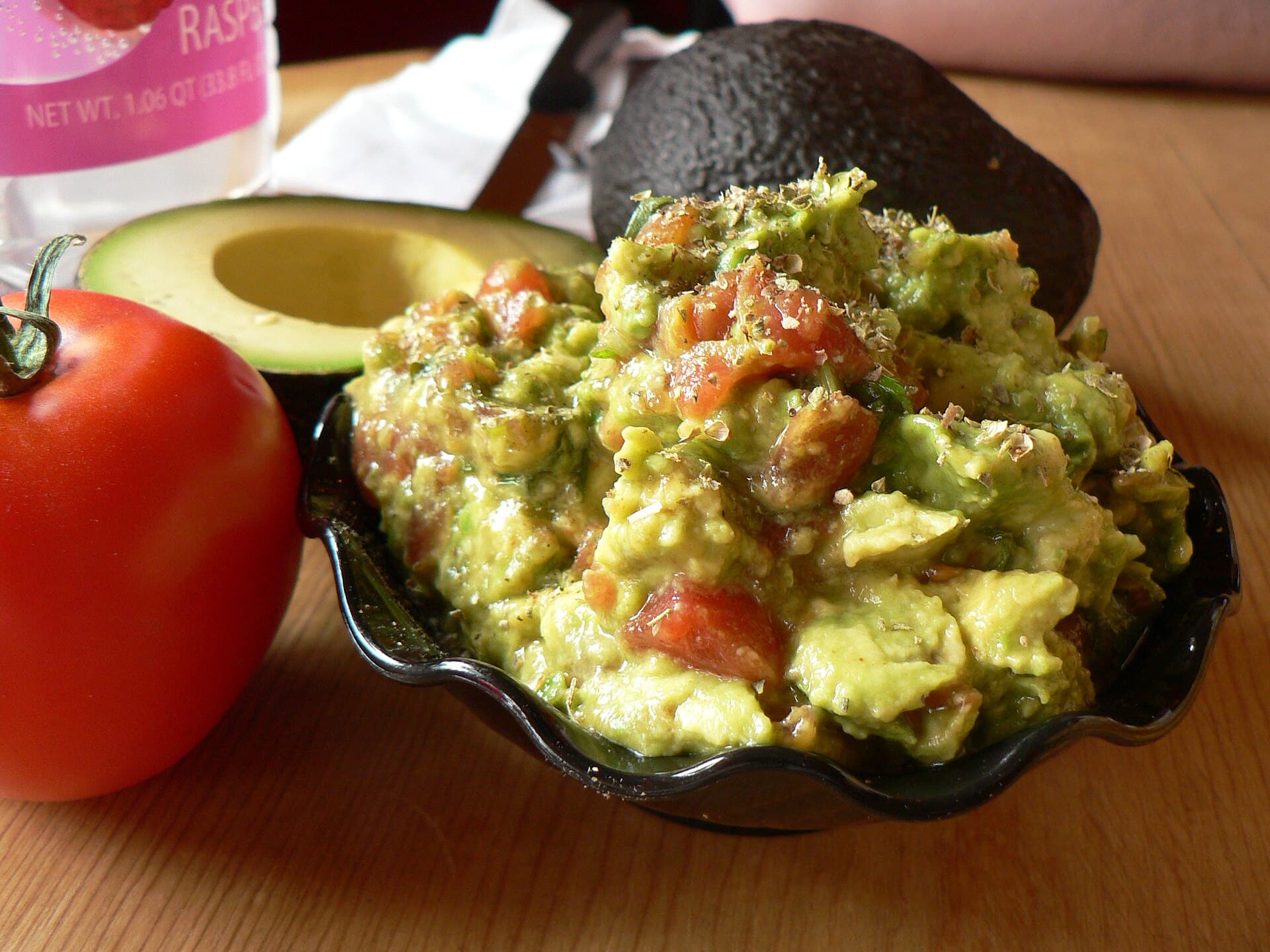
What to Serve with Fajitas
Round out fajitas with Mexican rice, beans, guacamole, and salsa as the core four, then add elote, a crisp lime slaw, or a simple green salad for freshness. A build-your-own toppings bar with sour cream, cheese, lime, and pickled jalapenos lets everyone customize. When time is short, warmed canned beans, store-bought guac, and bagged slaw pull a full spread together fast.
 Vigilantcosmicpenguin · CC BY 4.0
How to Warm Tortillas for Fajitas
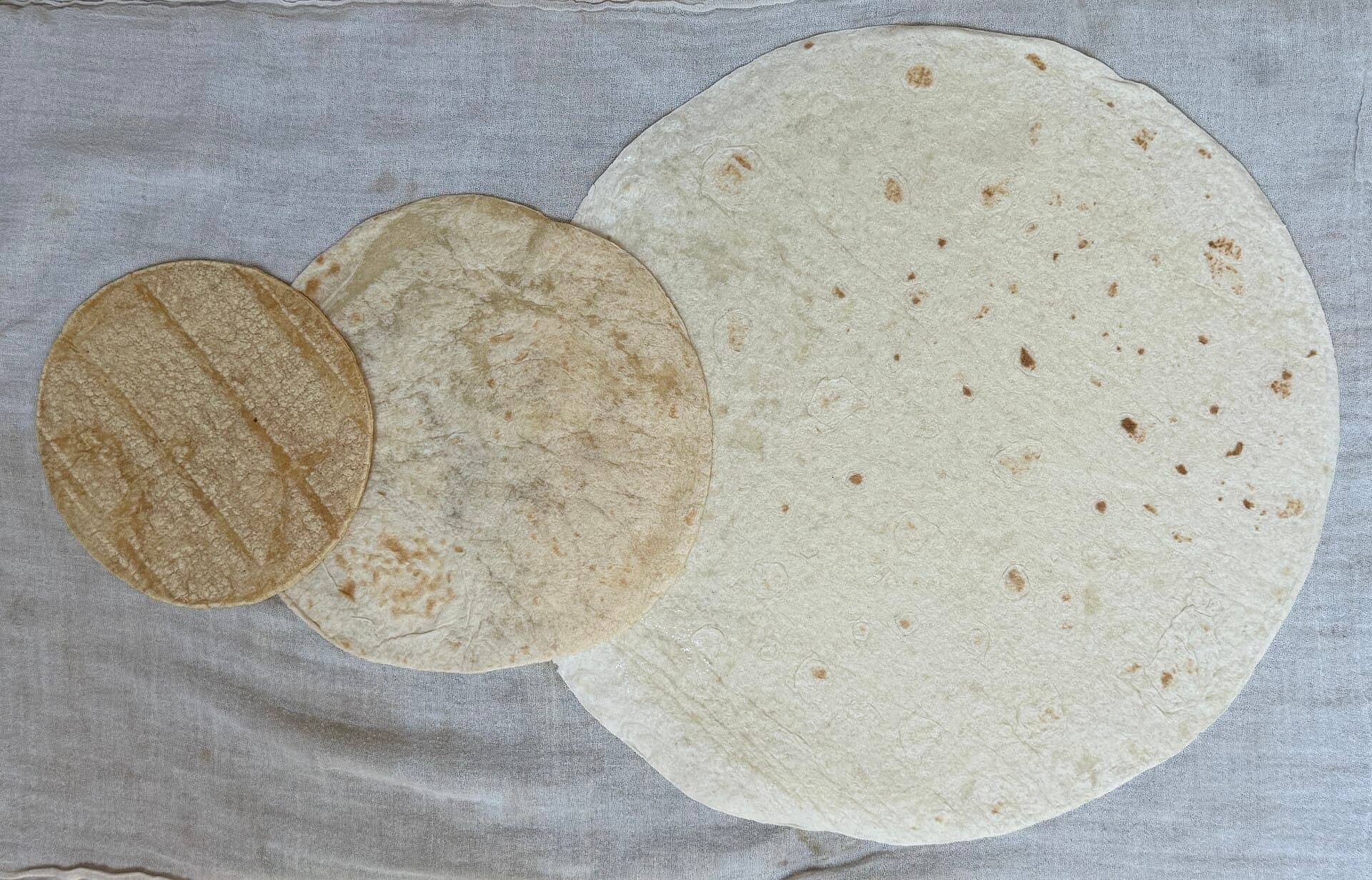
Warm tortillas in a dry skillet or comal over medium-high for about 30 seconds a side, directly over a gas flame for a few seconds of char, in a foil-wrapped stack in a 300 degree oven, or in the microwave under a damp towel. Keep them soft and warm in a clean towel or an insulated tortilla warmer until you serve.
 Pexels contributor · Pexels License
Fajitas for a Crowd
100 min · moderate
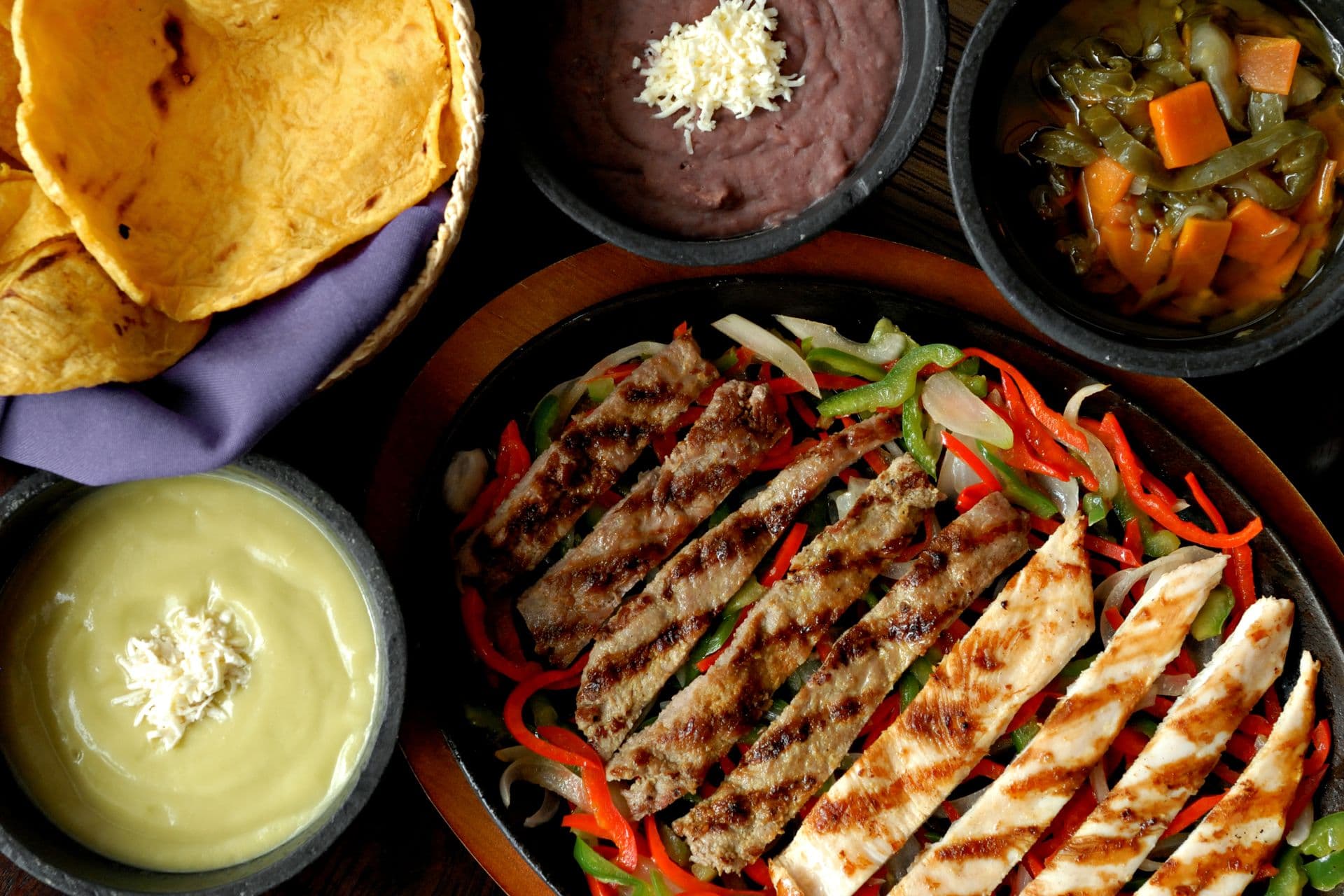
Feeding 8 to 12 people means cooking in stages, not piling everything into one pan. Roast chicken and steak on separate sheet pans, char the vegetables on their own, hold each component warm in a low oven or slow cooker, and set out a build-your-own bar. This recipe scales the quantities, sequences the cooking, and keeps everything hot without overcooking.

Fajita Quesadillas: The Best Way to Use Leftover Fajitas
Leftover fajitas become an even better second dinner as quesadillas. Chop the cold meat and peppers, pile them with shredded melting cheese inside a flour tortilla, and crisp it in a dry cast-iron skillet over medium heat until the cheese binds and both sides are golden. The keys are a drier filling, cheese on both sides to act as glue, and patience with the heat so it crisps before it burns.