Crock-Pot Fajitas: The Method for Any Protein
A crock-pot makes hands-off fajitas by gently steaming the filling instead of searing it, so it suits forgiving proteins — chicken thighs, a beef chuck roast, or beans and hearty vegetables — more than quick-cook cuts. Layer protein and seasoning on the bottom, add peppers and onions only near the end so they keep some bite, then finish everything in a hot pan or under the broiler to add the char a slow cooker cannot make.
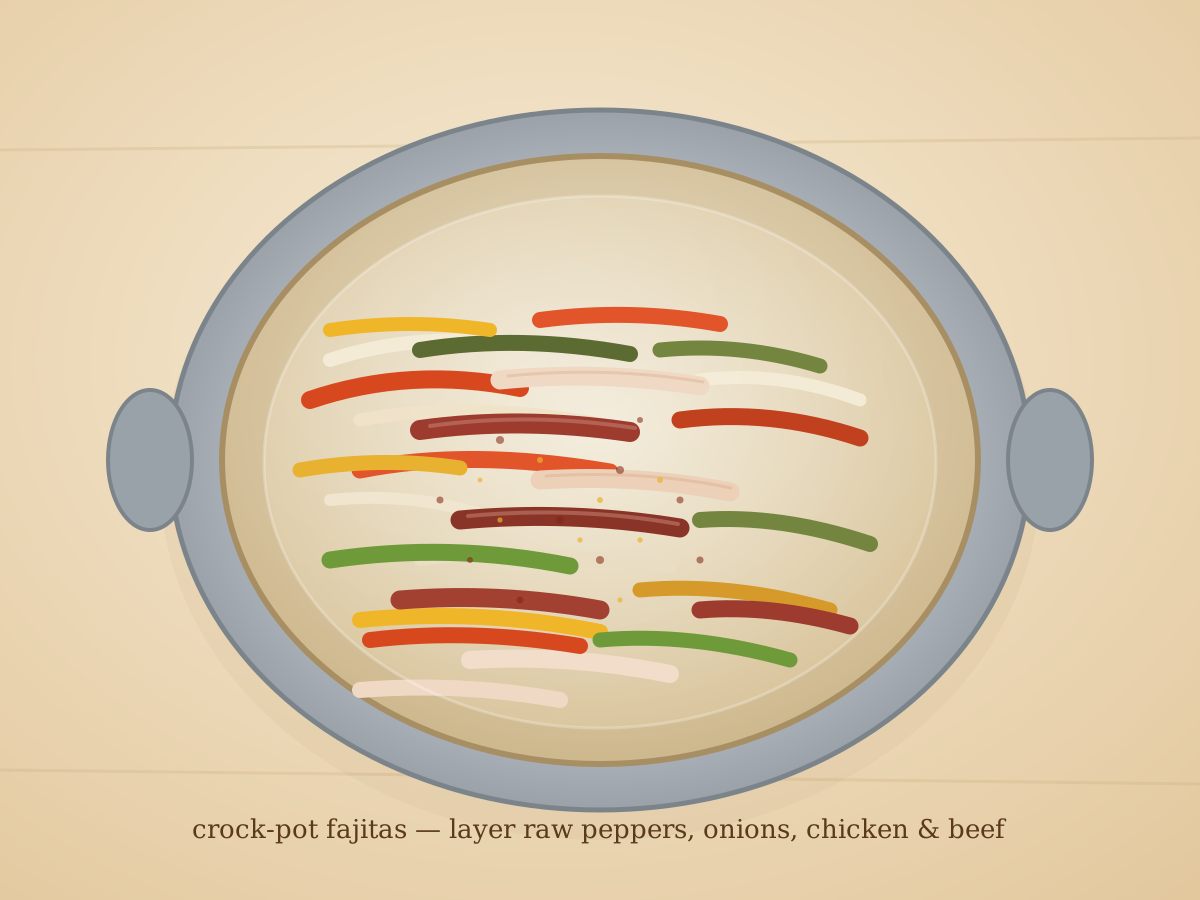
Which proteins work in a slow cooker, the universal crock-pot fajita method, timing by protein, and how to add back the char.
Fix it
Fixing the two common problems: no char and watery filling
Slow-cooker fajitas fail in two predictable ways. The first is that they taste boiled instead of charred — solved by finishing the shredded filling in a screaming-hot skillet or spread on a sheet pan under the broiler for a couple of minutes, then brightening with fresh lime and a pinch more cumin. The second is a watery, mushy result, caused by too much added liquid and vegetables added too early. Use only a few tablespoons of liquid, drain excess before the finish, and keep the peppers out until the end. Those two moves — a hot finish and a light hand with liquid — turn a slow-cooker stew back into fajitas.
The call: Finish in a hot pan for char, and keep liquid minimal with late vegetables to avoid mush.
The science
Which protein to use
Chicken thighs are the most forgiving choice: they stay juicy over hours where lean breast dries out, and they shred beautifully. For beef, use a chuck roast — its collagen melts into tender, shreddable meat, while quick-cook cuts like skirt and sirloin turn stringy in a slow cooker. Pork shoulder behaves the same way as chuck. For a meatless version, black beans and hearty vegetables like sweet potato and portobello hold up well because there is no muscle to toughen. The rule across all of them: pick something that rewards low, slow, moist heat, not something built for a fast, hot sear.
The call: Chicken thighs or beef chuck for meat; beans and sturdy vegetables for meatless — never quick-cook cuts.
Technique
The universal crock-pot fajita method
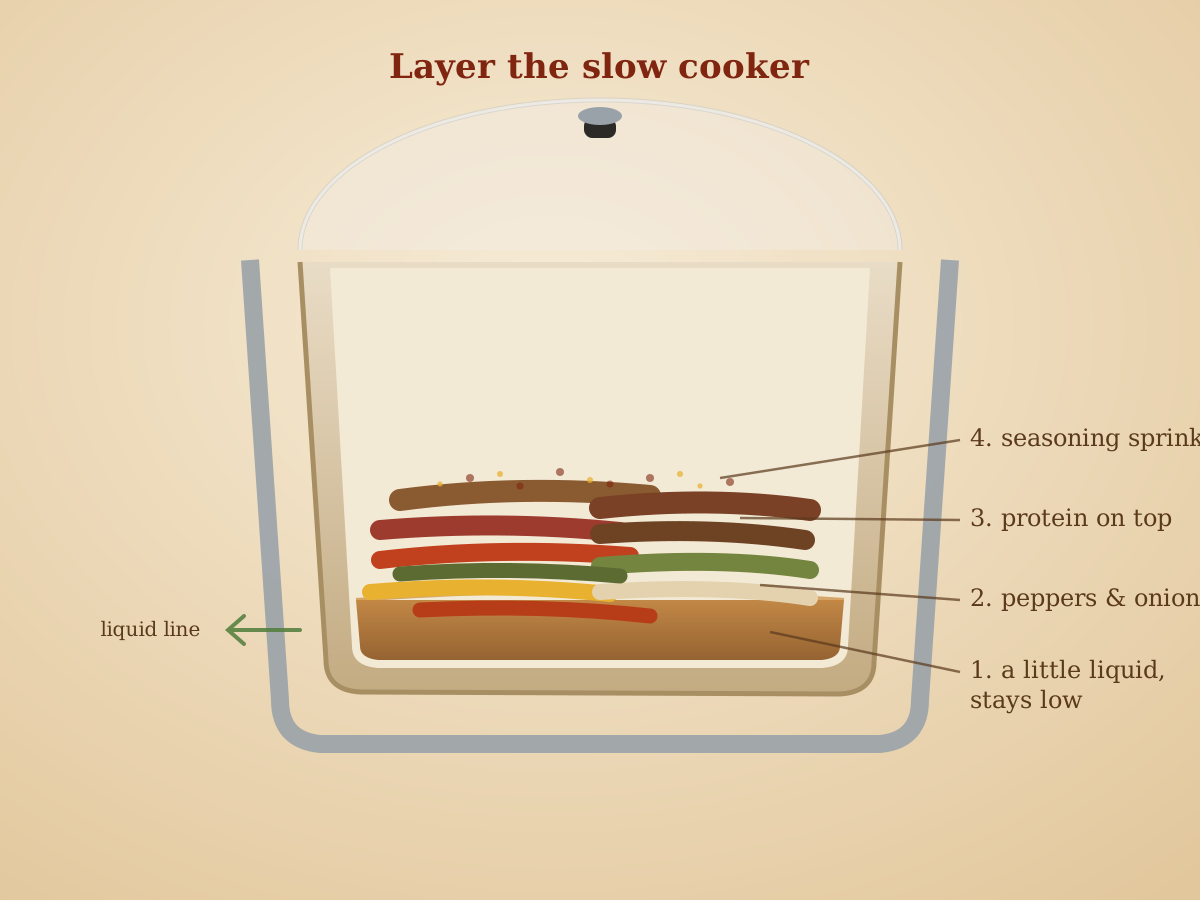
The method is nearly identical whatever the protein. Season the protein with cumin, chili powder, garlic, and salt and lay it on the bottom of the cooker with just a few tablespoons of liquid — stock, lime juice, or a little salsa — because the filling releases plenty of its own moisture. Cook chicken thighs about 4–6 hours on low, a chuck or pork roast 6–8 hours on low, and check that it shreds or pulls apart easily. Add the peppers and onions only in the last 30–45 minutes, or char them separately, so they do not dissolve. Shred or slice the protein, return it to the juices briefly, then move to the finish.
The call: Season and cook the protein low with minimal liquid, then add vegetables only in the final 30–45 minutes.
Recommended gear
Disclosure: As an Amazon Associate, FajitaRecipe.com earns from qualifying purchases. Recommendations are chosen to help you cook better fajitas; some Amazon links may earn a commission at no extra cost to you. See our selection methodology.
For slow-cooker fajitas
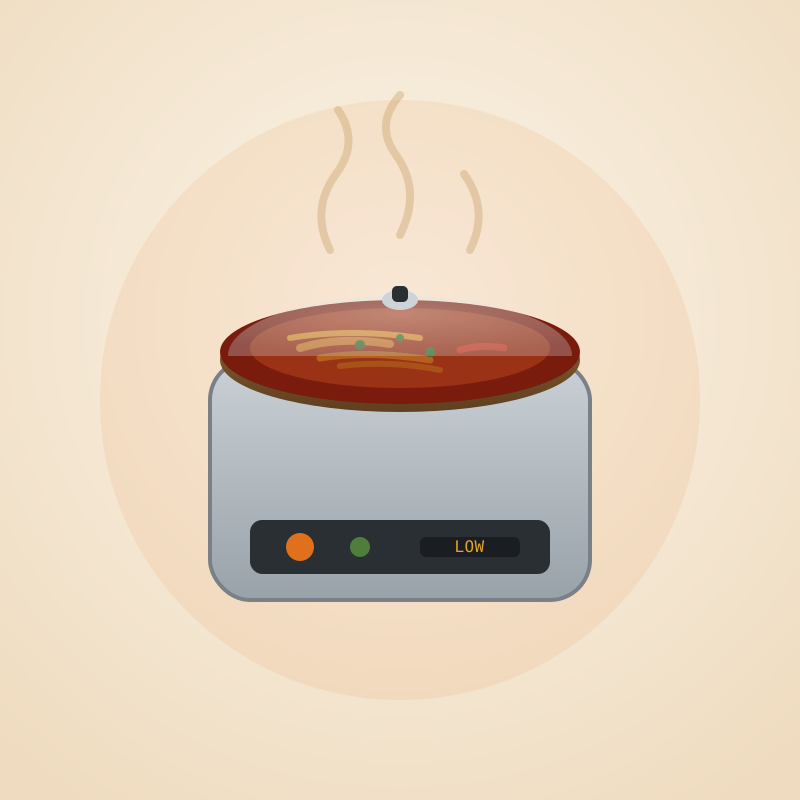 Crock-Pot
Model SCCPVL600R-S / SCCPVL610R
Six quarts holds enough chicken or beef to feed a crowd hands-off. It will not char, so finish the meat under the broiler or in a hot skillet for color.
Best for: Hands-off shredded chicken or beef fajita filling for a crowd.
 Rubbermaid
Model Brilliance Glass
Shallow glass containers cool leftover filling fast (safer) and reheat without absorbing the smell of cumin and lime the way plastic does.
Best for: Storing leftover fillings and prepping ahead.
Visual guide
See the technique
Frequently asked questions
+What is the best meat for crock-pot fajitas?
Chicken thighs and beef chuck roast are the best choices because they stay tender and shred over long, moist heat. Avoid lean chicken breast (it dries out) and quick-cook beef cuts like skirt or sirloin (they turn stringy). Pork shoulder also works well. See the dedicated slow-cooker chicken and steak pages for full recipes.
+How long do fajitas take in a crock-pot?
Chicken thighs need about 4–6 hours on low; a beef chuck or pork roast needs 6–8 hours on low, until it shreds easily. Add the peppers and onions only in the last 30–45 minutes so they keep some texture instead of turning to mush.
+Why do my crock-pot fajitas have no flavor or char?
A slow cooker steams rather than sears, so it cannot brown the filling. Build the flavor back by seasoning boldly, then finishing the shredded meat and vegetables in a very hot skillet or under the broiler for a few minutes, and adding fresh lime and cilantro at the end. That char finish is what makes them taste like fajitas.
+Can you put raw peppers and onions in a crock-pot for fajitas?
You can, but add them only in the final 30–45 minutes. Peppers and onions cooked for the full several hours dissolve into a watery, gray mush. For the best texture, char them separately in a hot pan and fold them into the shredded protein just before serving.
Testing, sources & disclosure
Researched and reviewed by our editors. See our recommendation methodology.
- Author:
- FajitaRecipe Editorial
- Last reviewed:
- 2026-07-13
As an Amazon Associate, FajitaRecipe.com earns from qualifying purchases. We do not provide medical or dietary advice; follow USDA guidance for food safety.
Keep cooking
You might also like
Slow-Cooker Steak Fajitas: The Method That Actually Works
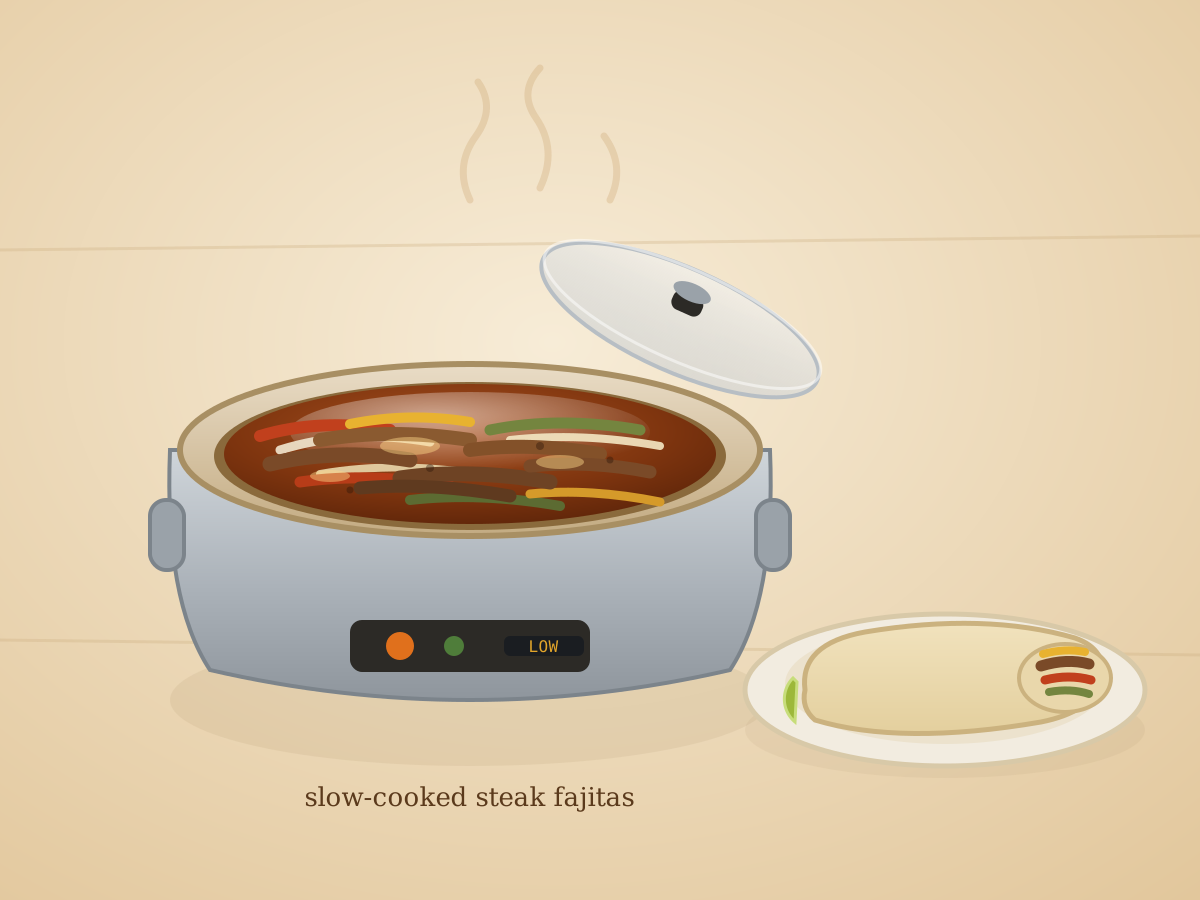
A slow cooker braises steak instead of searing it, so pick a collagen-rich cut like chuck or flank, cook it low until it shreds, and add the peppers late so they keep some bite. You lose the char, so build flavor back with a browned start, a lime-and-cumin finish, and a hot skillet or broiler pass before serving. Cook 6–8 hours on low or 3–4 on high.
Slow-Cooker Chicken Fajitas
255 min · easy
Slow-cooker chicken fajitas are the hands-off version: layer chicken, peppers, and onions with seasoning and lime, then cook on low until the chicken shreds and reaches 165°F. Be honest with yourself — a slow cooker steams, so it will not char and the vegetables come out soft. Finish the shredded chicken under the broiler for a few minutes if you want browning and color before serving.
Vegetarian Fajitas: How to Make Them Actually Filling
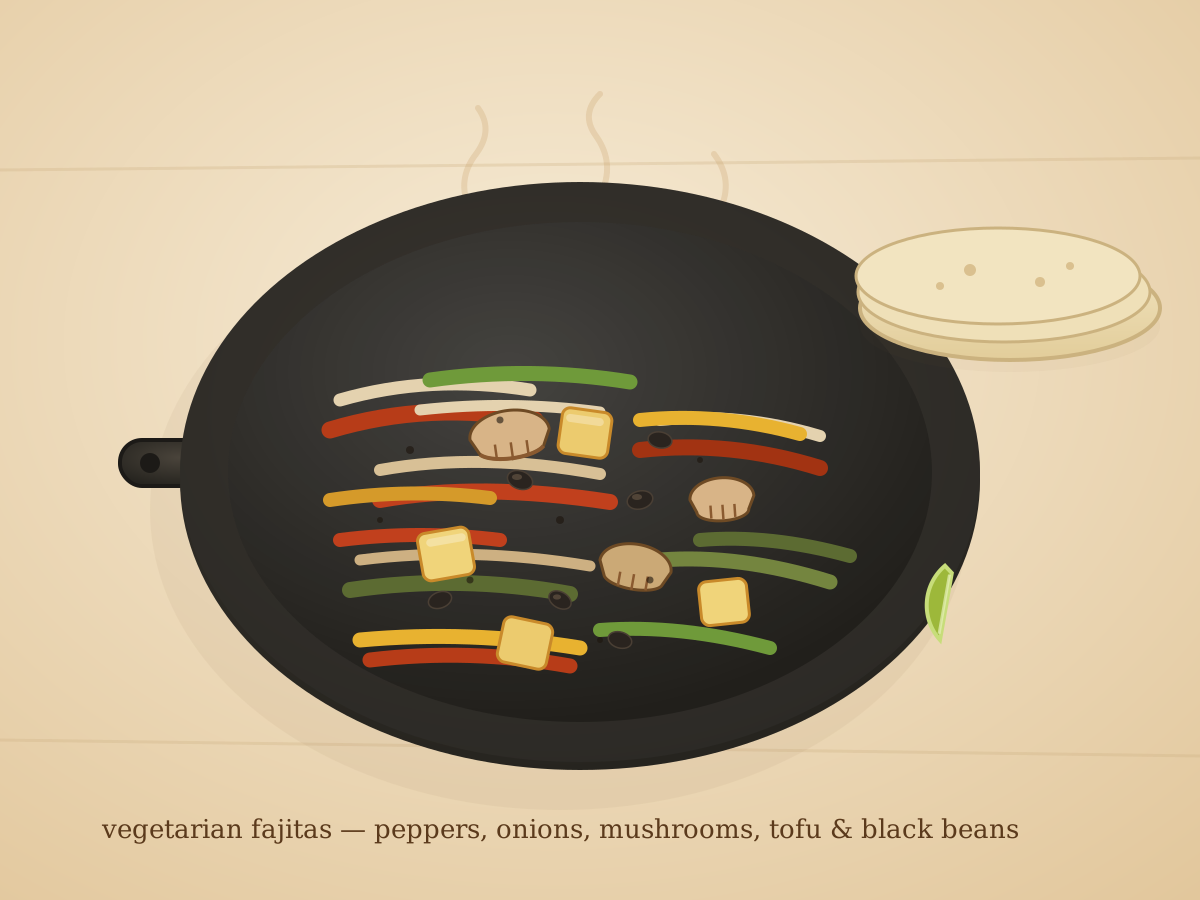
Good vegetarian fajitas need a hearty, savory anchor in place of the meat — portobello, black beans, tofu, or cauliflower — plus the classic charred peppers and onions. Season the same way you would steak (cumin, chili, lime, garlic), char everything hard so nothing steams, and add a rich topping like avocado or crema so the plate does not feel thin. The vegetables carry the dish, so give them heat and space.

How to Keep Fajita Vegetables From Getting Soggy
Soggy fajita vegetables come down to one thing: water that steams instead of evaporating. The fixes are simple and always the same — use high heat, never crowd the pan, cook the vegetables separately from the meat, and salt only at the very end. This guide explains why each rule matters, how to rescue vegetables that are already going limp, and how to handle frozen peppers and onions without a watery mess.