Slow-Cooker Steak Fajitas: The Method That Actually Works
A slow cooker braises steak instead of searing it, so pick a collagen-rich cut like chuck or flank, cook it low until it shreds, and add the peppers late so they keep some bite. You lose the char, so build flavor back with a browned start, a lime-and-cumin finish, and a hot skillet or broiler pass before serving. Cook 6–8 hours on low or 3–4 on high.
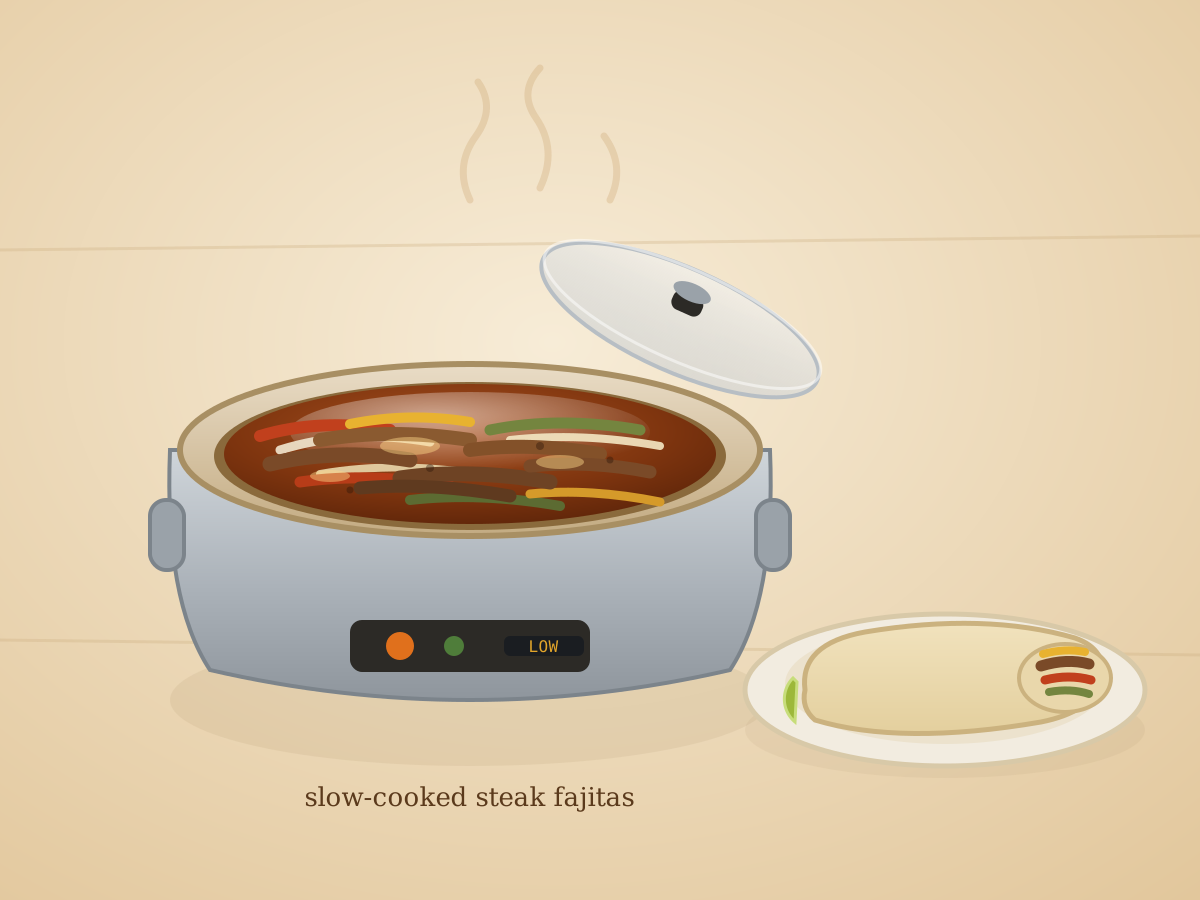
Which cut to use, how long to cook, why the peppers go in late, and how to add back the char a slow cooker cannot give steak fajitas.
Substitutions
| Instead of | Use | Adjust | Expect | Avoid when |
|---|---|---|---|---|
| Chuck roast | Flank steak | Swap pound for pound. Check for doneness an hour earlier; flank cooks faster and can dry out. | Leaner, firmer, and more sliceable than shreddable chuck. | — |
| Chuck roast | Boneless short rib | Swap pound for pound. | Richer and more tender, at a higher price. | — |
| Skirt steak | Chuck roast | Swap pound for pound. Skirt is a hot-and-fast cut; in a slow cooker use chuck instead. | Chuck stays tender over hours where skirt would turn tough and stringy. | Not recommended to slow-cook skirt at all — save it for a hot pan. |
The science
Why the slow cooker changes everything
On a stovetop or griddle, fajita steak cooks in minutes over fierce dry heat, browning the surface and staying juicy inside. A slow cooker does the opposite: a sealed, moist, low-temperature environment that never browns anything. In that setting a lean quick-cook cut like skirt or flank-cooked-fast goes gray and stringy. What thrives instead is a tougher, collagen-rich cut given hours to break down — the same chemistry that makes pot roast and barbacoa tender. The meat will not have a crust, and it will shred rather than slice into clean strips. Accepting that reframes the whole dish and points you to the right cut.
The call: Because there is no browning, favor a cut that rewards long moist heat over one that rewards a fast sear.
The science
The best cut for a slow cooker
Chuck roast is the top choice: it is cheap, heavily marbled, and full of collagen that turns silky over hours, giving a rich, shreddable result. Flank is a good middle ground — leaner and firmer, it holds a loose sliced texture better than chuck but can dry if overcooked, so check it earlier. Boneless short rib is a splurge that braises beautifully. Skip the cuts you would normally reach for on a hot pan: skirt, sirloin, and thin quick-cook steaks turn tough or stringy because they have little collagen to convert and no way to sear. If you want sliceable strips over shreds, go flank; if you want fall-apart richness, go chuck.
The call: Choose chuck for shreddable richness, flank for a firmer sliced texture, and avoid skirt and sirloin here.
Technique
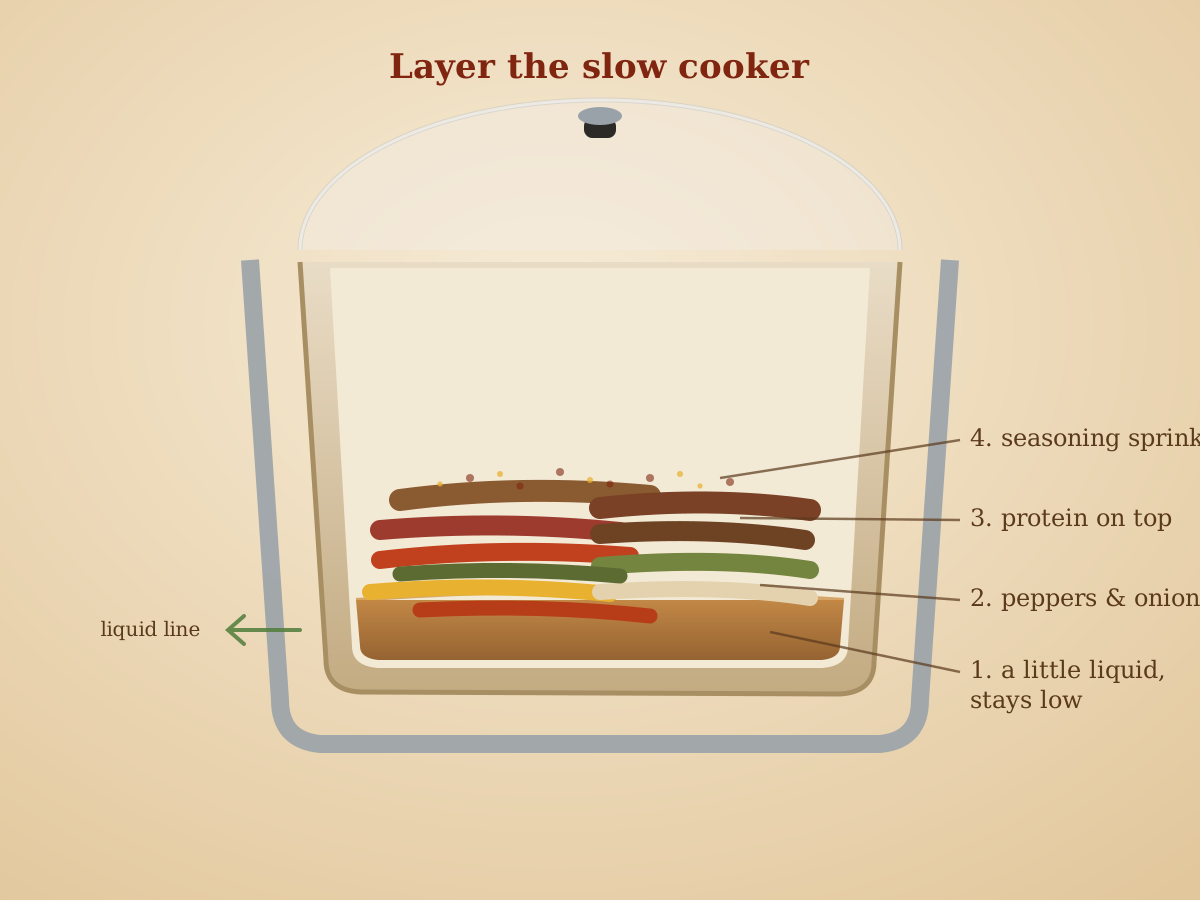
Timing, liquid, and adding the peppers late
Cook chuck 6–8 hours on low or 3–4 hours on high, until a fork twists the meat apart easily; flank runs a touch faster, so start checking an hour early. Use only a little liquid — the meat and vegetables release plenty of their own — so a few tablespoons of stock, lime juice, and the seasoning is enough; too much and you make soup. The single biggest mistake is adding peppers and onions at the start: eight hours turns them to gray slop. Add them in the final 30–45 minutes so they soften but keep some structure, or better, char them separately in a skillet and fold them in at the end. Pull and shred the meat, then return it to the pot to soak up the juices before serving.
The call: Cook the meat 6–8 hours on low, keep liquid minimal, and add the vegetables only in the last 30–45 minutes.
Technique
Getting the char back
The one thing a slow cooker cannot give you is the smoky, caramelized edge that defines fajitas — but you can rebuild it in two moves. First, if you have ten minutes at the start, sear the seasoned steak hard in a hot skillet before it goes in the pot; that browning survives the braise as background depth. Second, and more important, finish the shredded meat and vegetables in a screaming-hot cast-iron pan for a couple of minutes, or spread them on a sheet pan under the broiler until the edges crisp and blister. Brighten the whole thing with fresh lime and a little more cumin off the heat, since long cooking dulls both. That two-minute finish is what separates a stew from a fajita.
The call: Add a hard sear before and a hot-pan or broiler finish after to replace the char the slow cooker cannot make.
Recommended gear
Disclosure: As an Amazon Associate, FajitaRecipe.com earns from qualifying purchases. Recommendations are chosen to help you cook better fajitas; some Amazon links may earn a commission at no extra cost to you. See our selection methodology.
For slow-cooker fajitas
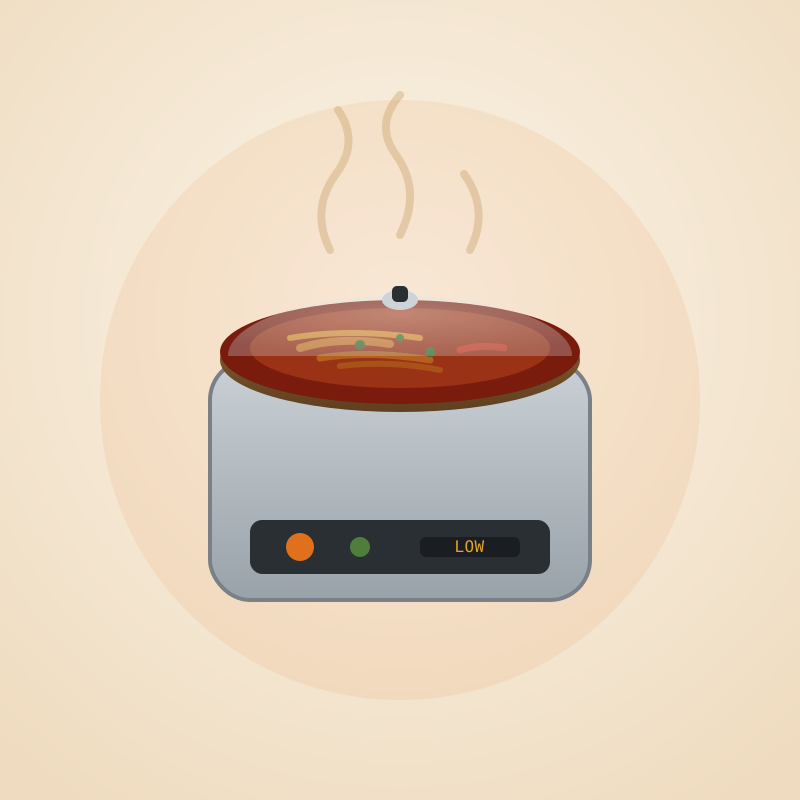 Crock-Pot
Model SCCPVL600R-S / SCCPVL610R
Six quarts holds enough chicken or beef to feed a crowd hands-off. It will not char, so finish the meat under the broiler or in a hot skillet for color.
Best for: Hands-off shredded chicken or beef fajita filling for a crowd.
 Rubbermaid
Model Brilliance Glass
Shallow glass containers cool leftover filling fast (safer) and reheat without absorbing the smell of cumin and lime the way plastic does.
Best for: Storing leftover fillings and prepping ahead.
For slicing steak
 Victorinox
Model 5.4233.30 (Fibrox 12" Granton)
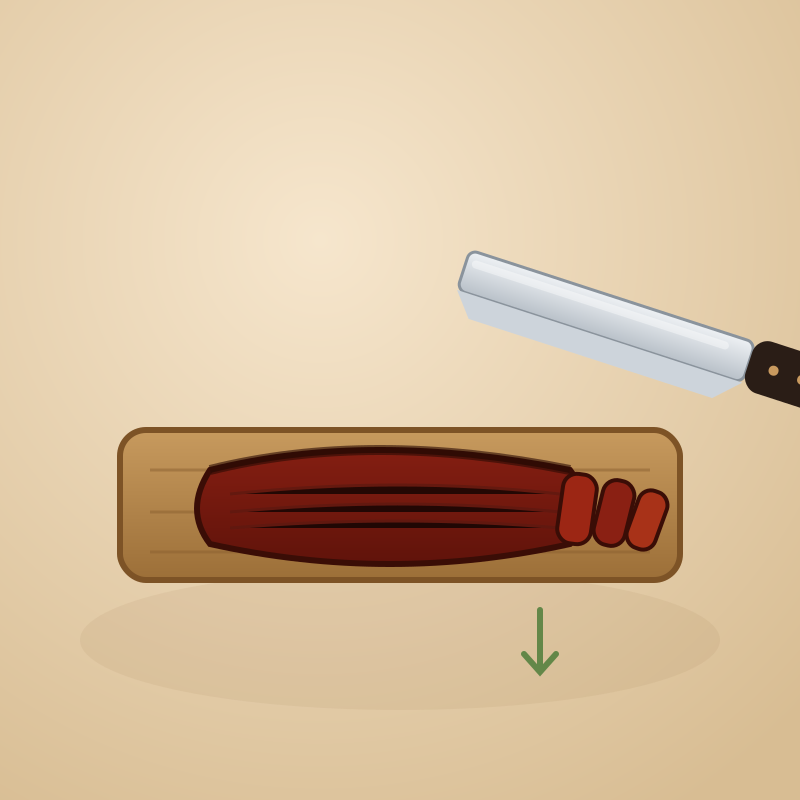
Thin, even slices across the grain are what make skirt and flank tender. A long granton slicer does it in one clean stroke instead of sawing.
Best for: Clean, thin, against-the-grain slices on skirt and flank steak.
John BoosModel RA03 (24 x 18 in)
A roomy board with a juice groove lets steak rest and be sliced in one place; pour the caught juices back over the strips before serving.
Best for: Resting and slicing steak with room to spare.
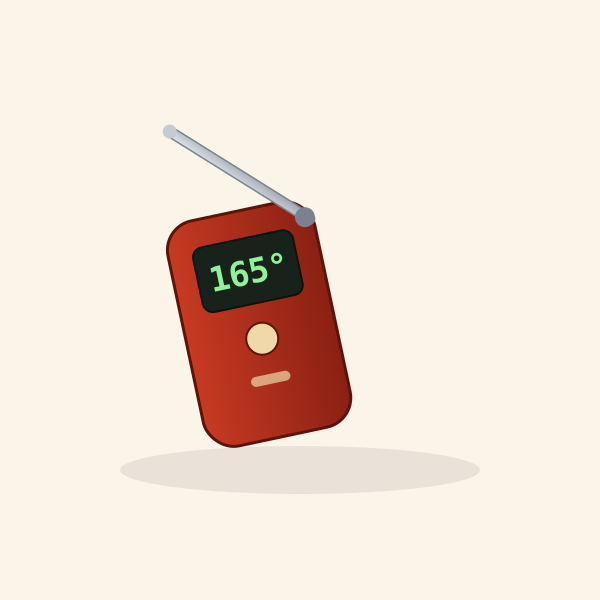 ThermoWorks
Model ThermoPop 2
You do not need a premium thermometer to cook safe chicken. The ThermoPop 2 is accurate and a few seconds slower — a great-value pick from the same maker.
Best for: A reliable read without the premium price.
Visual guide
See the technique
Frequently asked questions
+What is the best cut of steak for slow-cooker fajitas?
Chuck roast is the best all-around choice because its marbling and collagen break down over hours into rich, shreddable meat. Flank works if you prefer a firmer, more sliceable texture, but check it earlier so it does not dry out. Avoid skirt and sirloin — they are quick-cook cuts that turn tough and stringy in a slow cooker.
+How long do you cook steak fajitas in a slow cooker?
Cook chuck roast 6–8 hours on low or 3–4 hours on high, until a fork twists it apart easily. Flank steak runs a little faster, so start checking about an hour early. Add the peppers and onions only in the last 30–45 minutes so they do not turn to mush.
+Why are my slow-cooker fajitas mushy or watery?
Two usual causes: too much added liquid and vegetables added too early. The meat and vegetables release plenty of their own moisture, so use only a few tablespoons of stock or lime juice. Add peppers and onions near the end, and finish the shredded meat in a hot skillet or under the broiler to drive off excess moisture and add char.
+Do I need to sear the steak before slow cooking?
It is optional but worth it. A hard sear before the braise adds browned, savory depth that carries through the long cook. Even if you skip the pre-sear, do a hot-pan or broiler finish at the end — that is what gives slow-cooker fajitas the char that defines the dish.
Testing, sources & disclosure
Researched and reviewed by our editors. See our recommendation methodology.
- Author:
- FajitaRecipe Editorial
- Last reviewed:
- 2026-07-13
As an Amazon Associate, FajitaRecipe.com earns from qualifying purchases. We do not provide medical or dietary advice; follow USDA guidance for food safety.
Keep cooking
You might also like
 Missvain · CC BY 4.0
Slow-Cooker Steak Fajitas
440 min · easy
Slow-cooker steak fajitas are a braise, not a sear: use a collagen-rich cut like chuck roast, cook it low until it shreds, and add the peppers only near the end so they keep some bite. A slow cooker cannot char, so finish the shredded beef in a screaming-hot skillet or under the broiler and brighten it with lime and cumin. Cook 6–8 hours on low or 3–4 on high.
Slow-Cooker Chicken Fajitas
255 min · easy
Slow-cooker chicken fajitas are the hands-off version: layer chicken, peppers, and onions with seasoning and lime, then cook on low until the chicken shreds and reaches 165°F. Be honest with yourself — a slow cooker steams, so it will not char and the vegetables come out soft. Finish the shredded chicken under the broiler for a few minutes if you want browning and color before serving.
Best Steak for Fajitas: Skirt vs. Flank vs. Sirloin
Skirt steak is the best cut for fajitas: it is loosely grained, well marbled, and drinks up marinade, giving that classic beefy chew when sliced across the grain. Flank steak is the leaner, easier-to-find backup, and top sirloin or flap meat work when you want a budget cut. Whatever you buy, slice it thin against the grain.
 Pexels contributor · Pexels License
Steak Fajitas
43 min · moderate
Steak fajitas start with a well-marbled cut like skirt or flank, a short lime-and-spice marinade, and a very hot skillet. Sear the steak fast, rest it, then char peppers and onions in the same pan. Slice thin against the grain and pile into warm tortillas. Most cooks pull the beef at 130–135°F for medium-rare, well below the 145°F whole-cut mark.