Can You Freeze Fajitas? How to Freeze the Meat, Veggies, and Marinade
Yes — fajitas freeze well, and freezing the raw meat right in its marinade is one of the best make-ahead tricks there is. Cooked fajita meat and vegetables keep two to three months frozen; raw marinated meat keeps just as long and tenderizes as it thaws. Freeze in flat, airtight bags, thaw in the fridge, and cook or reheat hot. Freeze tortillas and toppings separately.

Can you freeze fajitas? How to freeze cooked leftovers and raw marinated fajita meat for make-ahead meals, with thawing and reheating tips.
Technique
How to freeze each part
For raw make-ahead: put sliced steak, chicken, or shrimp in a zip-top freezer bag with the fajita marinade, press out the air, seal, and freeze flat so it stacks and thaws fast. For cooked leftovers: cool them fully, then pack the meat and vegetables in airtight containers or flat bags with the air removed to prevent freezer burn. Freeze peppers and onions separately if you can, since they soften more than the meat. Tortillas freeze fine in their sealed package for a couple of months. Skip freezing guacamole, pico, sour cream, and lettuce — make those fresh. Label everything with the contents and date, and use within two to three months for best quality.
The call: Freeze flat, airtight, air pressed out; label and date; freeze meat and vegetables separately; skip fresh toppings.
Recommended gear
Disclosure: As an Amazon Associate, FajitaRecipe.com earns from qualifying purchases. Recommendations are chosen to help you cook better fajitas; some Amazon links may earn a commission at no extra cost to you. See our selection methodology.
For warm tortillas

A damp-cloth warmer steams a stack soft in the microwave and keeps them pliable through dinner — the difference between a taco that folds and one that cracks.
Best for: Warming a stack quickly and keeping them soft at the table.
 Victoria
Model COM-113 (12 in)
A dry comal over medium-high blisters tortillas in seconds, giving them the toasty spots a microwave never will.
Best for: Charring tortillas directly and toasting them the traditional way.
Serving & storage
Thawing and cooking safely
Thaw frozen fajitas in the refrigerator overnight, not on the counter, so the meat never sits in the danger zone. Raw marinated meat can go from the fridge straight into a hot pan once thawed; in a pinch, you can cook it from frozen over lower heat until it releases and browns, though the sear is better thawed. Reheat cooked leftovers until steaming hot (165°F) in a covered skillet with a splash of water or broth to bring back moisture, and reheat only once. Never refreeze raw meat that has fully thawed. Done right, a bag of marinated fajita meat pulled from the freezer is one of the fastest good dinners you can make.
The call: Thaw in the fridge; cook raw meat hot; reheat cooked leftovers once to 165°F; never refreeze thawed raw meat.
Frequently asked questions
+Can you freeze cooked fajitas?
Yes. Cooked fajita meat and vegetables freeze well for two to three months in airtight containers or flat freezer bags. Reheat gently in a covered skillet with a splash of liquid until steaming hot.
+Can you freeze raw marinated fajita meat?
Yes, and it is a great make-ahead trick. Freeze sliced meat in its marinade in a flat, airtight bag; as it thaws in the fridge it tenderizes and seasons, ready to sear straight from thawed.
+How do you thaw frozen fajita meat?
Thaw it in the refrigerator overnight, never on the counter, so it stays out of the bacterial danger zone. Thawed raw marinated meat goes straight into a hot pan.
Testing, sources & disclosure
Researched and reviewed by our editors. See our recommendation methodology.
- Author:
- FajitaRecipe Editorial
- Last reviewed:
- 2026-07-12
As an Amazon Associate, FajitaRecipe.com earns from qualifying purchases. We do not provide medical or dietary advice; follow USDA guidance for food safety.
Keep cooking
You might also like
How Long Do Fajitas Last? Storage, Fridge, and Freezer Times
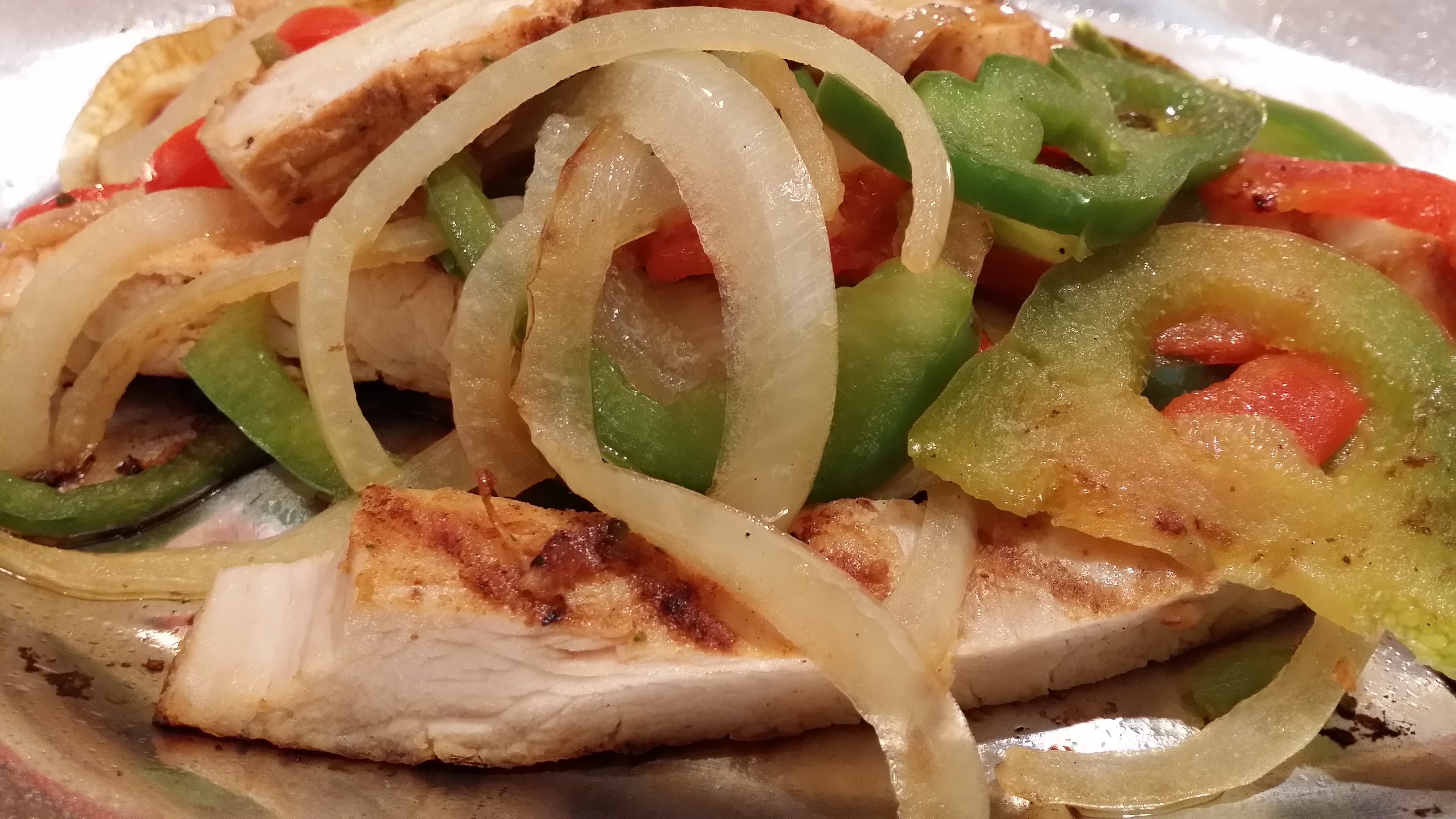
Cooked fajita meat and vegetables keep three to four days in the refrigerator in an airtight container, and about two to three months frozen. Store the meat, vegetables, tortillas, and cold toppings separately so nothing goes soggy, cool leftovers within two hours of cooking, and reheat only once. Fresh toppings like guacamole and pico have much shorter lives than the cooked components.
 BOSTON66 · CC BY-SA 4.0
Chicken Fajita Meal Prep
60 min · easy
This chicken fajita meal prep scales a sheet-pan bake to fill four containers for the week, with the whole recipe organized around safe cooling and reheating rather than a single dinner moment. Roast seasoned chicken and vegetables on two pans so nothing steams, cool in shallow layers within two hours, then portion into four containers with rice on the side. Reheat to 165°F, and plan to eat the last container by day four.
How to Reheat Fajitas
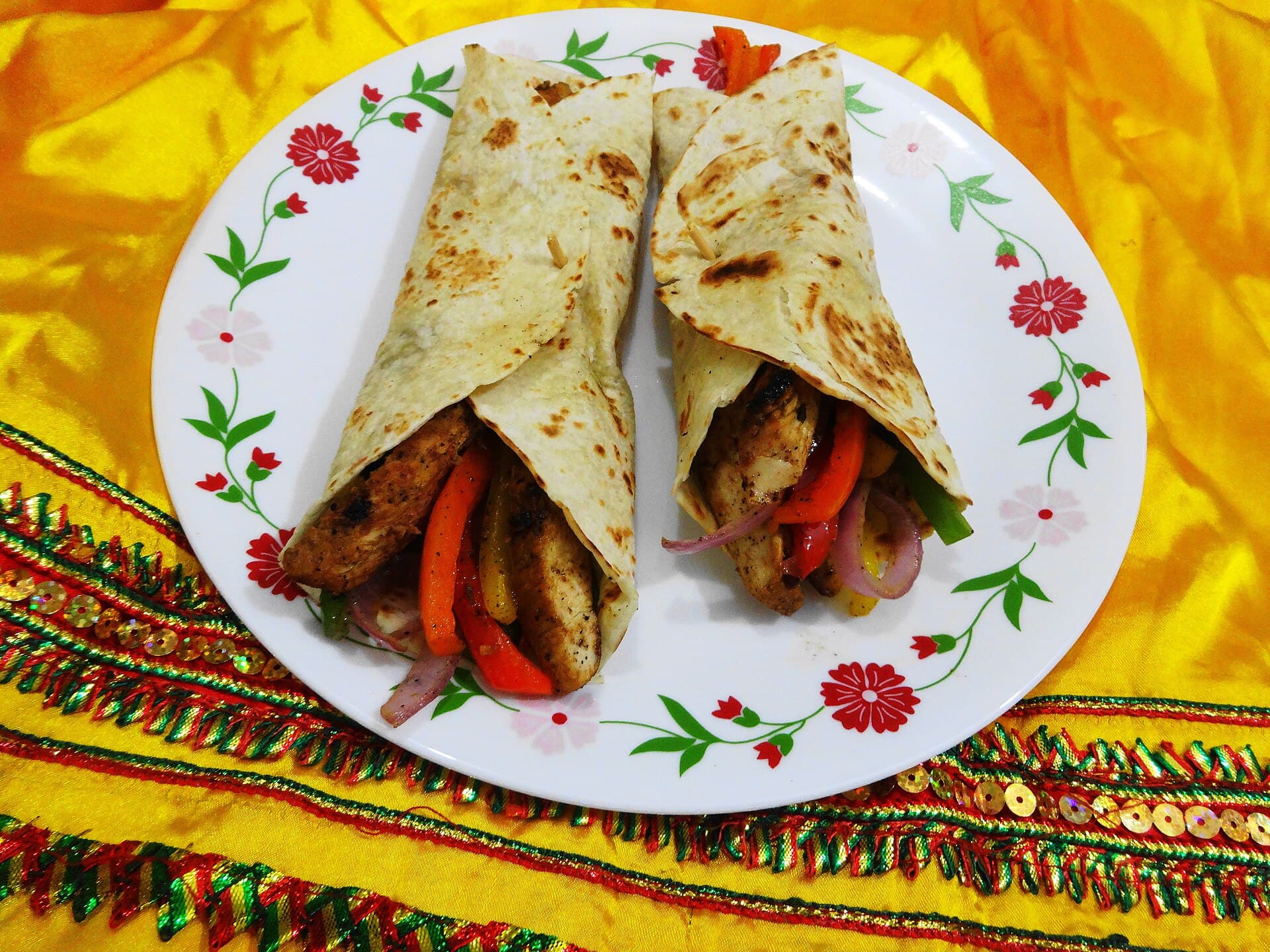
Reheat fajitas fast in a hot skillet with a splash of water or oil, tossing just until warmed through, so the already-cooked meat does not overcook and toughen. The microwave works in short bursts with a damp cover. Heat leftovers to 165 degrees Fahrenheit, and store cooked fajita meat and vegetables in the fridge for three to four days.