Cauliflower Fajitas
Cauliflower fajitas roast small florets at a high oven temperature until the flat-cut sides turn deeply golden and nutty-sweet, trading the springy chew of mushroom fajitas for a firmer, caramelized bite. The trick is cutting the florets with flat faces down and giving them real space on the pan, since cauliflower is dense enough to roast a full 25 minutes without turning mushy. Peppers and onion roast alongside for a one-pan sheet fajita.
- Prep
- 15m
- Cook
- 28m
- Total
- 43m
- Serves
- 4
- Level
- easy
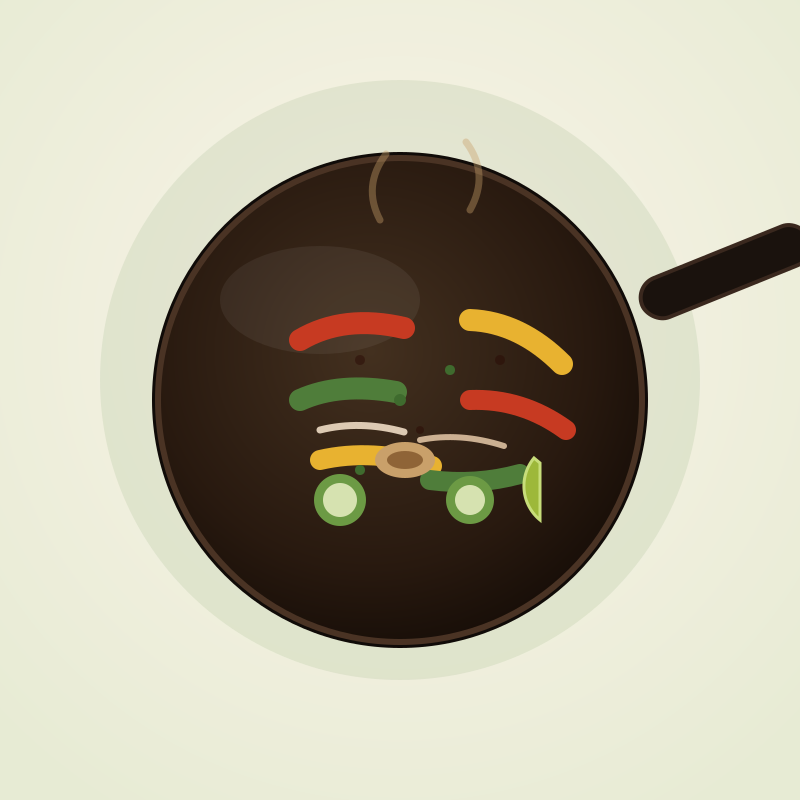
Sheet-pan cauliflower fajitas roasted hot for deep caramelization at the cut edges.
Ingredients
Showing ingredients for 4 servings in US customary units.
Vegetables
Seasoning
To finish & serve
Cook times are not scaled with servings — adjust pan size and cook in batches as needed. Salt and “to taste” items are intentionally left for your judgment.
🛒 links open an Amazon search for that ingredient. Some links may earn FajitaRecipe.com a commission if you buy through Amazon, at no extra cost to you.
Step by step
How to make it
Heat the oven
Step 1. Position a rack in the upper third and heat the oven to 450°F. Cauliflower is dense enough to take this heat for a full roast without collapsing.
~10 min450°F
Season
Step 2. Toss the cauliflower florets with 3 tablespoons oil, the chili powder, and cumin, arranging as many as possible flat-side down. Toss the peppers and onion separately with the remaining oil.
~6 min
Arrange
Step 3. Spread the cauliflower in a single layer, flat sides down, across one sheet pan, and the peppers and onion on a second pan. Keep them separate — cauliflower needs longer in the oven than the peppers.
~3 min
Roast
Step 4. Roast the cauliflower 22–25 minutes without stirring for the first 15, until the flat sides are deeply golden-brown. Add the pepper and onion pan to the oven after the cauliflower has roasted 10 minutes so both finish together.
~25 min450°F
Combine
Step 5. Combine both pans in a large bowl and toss together. Season with salt to taste.
~1 min
Serve
Step 6. Squeeze fresh lime over the vegetables and pile into warm tortillas with sliced avocado.
🛒 Shop this recipe
Pantry & spices
Fresh ingredients
Fresh items open an Amazon search — availability varies by location.
Cookware & tools
- Nordic Ware Naturals Half Sheet · Naturals Baker’s Half Sheet 43100Find →
- Winco Blade Slotted Flexible Turner · TN719Find →
- ThermoWorks ThermoPop 2 · ThermoPop 2Find →
- Victorinox Fibrox Pro 8-inch Chef’s Knife · 5.2063.20 (Fibrox Pro 8")Find →
- OXO Good Grips 12-inch Tongs · Good Grips 12" Locking TongsFind →
Already own these? Use what you have — no need to buy.
Recommendations are chosen to help you cook better fajitas; some Amazon links may earn a commission at no extra cost to you.
Fix it
If your cauliflower comes out soft and pale instead of caramelized
Pale, soft cauliflower usually means too little oil, too crowded a pan, or too much stirring. Cauliflower absorbs oil readily and needs a generous coating to conduct heat evenly across its craggy surface; skimping leaves dry patches that steam instead of brown. Give the florets room on the pan, and leave them alone for the first 15 minutes — stirring too early breaks up the developing crust before it sets.
The call: Use enough oil, give florets space, and avoid early stirring.
Substitutions
| Instead of | Use | Adjust | Expect | Avoid when |
|---|---|---|---|---|
| Cauliflower | Romanesco | Use the same weight, cut into similarly sized florets. | A milder, slightly sweeter flavor with the same roasting behavior. | — |
| Chili powder and cumin | Fajita seasoning blend | Use about 2 tablespoons in place of the individual spices. | A rounder, more classic fajita flavor profile. | — |
The science
Why the flat cut matters more than the heat
Cauliflower florets have a naturally craggy, uneven surface on most sides, but wherever you slice through the head you create a flat, cut face with exposed cell walls and sugars right at the surface. That flat face is where caramelization happens fastest and most evenly, because it sits in full contact with the hot pan. Cutting florets specifically to maximize these flat faces — and arranging them cut-side down — turns a merely roasted vegetable into one with real deep-brown, nutty caramelization.
The call: Cut florets to maximize flat faces and arrange them flat-side down.
Technique
Why cauliflower and peppers roast on separate timelines
Cauliflower is dense and roasts slowly, needing a full 20-plus minutes at high heat to soften through and caramelize at the edges. Bell peppers and onion are thinner and more water-heavy, and they are already blistered and tender after 12–15 minutes at the same temperature. Roasting them on the same pan for the same duration means one of the two is wrong — either underdone cauliflower or blackened, collapsed peppers. Staggering the pans, or starting the cauliflower first, lets both finish at their own correct point.
The call: Give cauliflower a head start since it needs more time than peppers.
Equipment for this recipe
Disclosure: As an Amazon Associate, FajitaRecipe.com earns from qualifying purchases. Recommendations are chosen to help you cook better fajitas; some Amazon links may earn a commission at no extra cost to you. See our selection methodology.
For sheet-pan fajitas
 Nordic Ware
Model Naturals Baker’s Half Sheet 43100
A sturdy rimmed half-sheet gives chicken and peppers room to roast in a single layer instead of steaming. Thin pans buckle at 425°F and pool juices in the warp.
Best for: Sheet-pan fajitas for 3–4 in a single layer.
 Winco
WincoModel TN719
A thin, flexible turner slides under roasted chicken and peppers that caught on the pan, so you flip them instead of shredding them.
Best for: Lifting and turning sheet-pan pieces without tearing.
 ThermoWorks
Model ThermoPop 2
You do not need a premium thermometer to cook safe chicken. The ThermoPop 2 is accurate and a few seconds slower — a great-value pick from the same maker.
Best for: A reliable read without the premium price.
For peppers & onions
 Victorinox
Model 5.2063.20 (Fibrox Pro 8")
A sharp 8-inch chef’s knife handles the pepper and onion prep fajitas live on. The Fibrox handle grips even when your hands are wet from vegetables.
Best for: Slicing peppers and onions and general prep.
OXOModel Good Grips 12" Locking Tongs
Twelve-inch tongs keep your hand out of the smoke while you toss peppers and flip strips in a ripping-hot pan.
Best for: Tossing peppers and turning strips over high heat.
Serving & storage
Storing and reheating
Refrigerate leftovers within two hours and use within 3–4 days. Reheat on a sheet pan in a hot oven to re-crisp the caramelized edges; the microwave will soften roasted cauliflower into a mushier texture.
Frequently asked questions
+How do I get cauliflower to caramelize instead of just softening?
Cut florets with flat faces, coat them generously in oil, roast at 450°F in a single layer, and avoid stirring for at least the first 15 minutes so a crust can form on the cut sides.
+Can I roast the cauliflower and peppers on one pan?
You can, but they cook at different rates — cauliflower needs longer than peppers and onion. For the best result, give the cauliflower a head start or use two pans on separate timelines.
+Do I need to blanch the cauliflower first?
No. Roasting raw florets directly at high heat gives better caramelization than a pre-blanched, pre-softened floret, which tends to steam rather than brown.
+How do I make cauliflower fajitas more filling?
Add black beans or a scoop of rice to the tortilla, and top with shredded Monterey Jack cheese or avocado for more substance.
Testing, sources & disclosure
This recipe was developed and reviewed by our editors. We publish full kitchen-test notes here once a recipe has been cooked and verified in our kitchen.
- Author:
- FajitaRecipe Editorial
- Last reviewed:
- 2026-07-06
As an Amazon Associate, FajitaRecipe.com earns from qualifying purchases. We do not provide medical or dietary advice; follow USDA guidance for food safety.
Keep cooking
You might also like
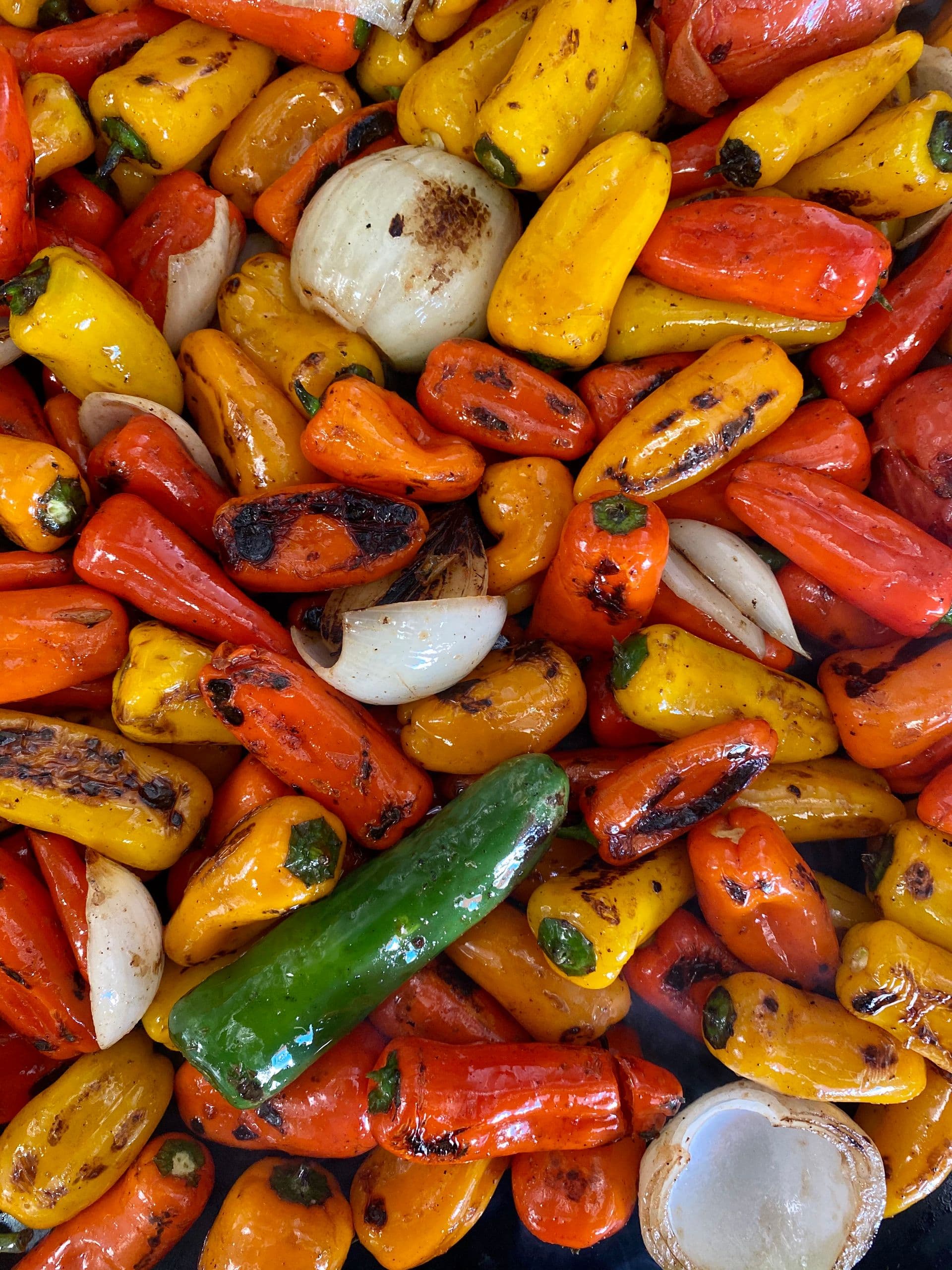 Pexels contributor · Pexels License
Vegetable Fajitas
40 min · easy
Vegetable fajitas load a sheet pan with portobello, zucchini, peppers, and onion, then roast them in a very hot oven so the edges char instead of steaming to mush. The trick is high heat, a single uncrowded layer, and roomy spacing so moisture evaporates. Meaty portobello gives the dish real heft. Finish with lime and fold into warm tortillas for a satisfying meatless meal.
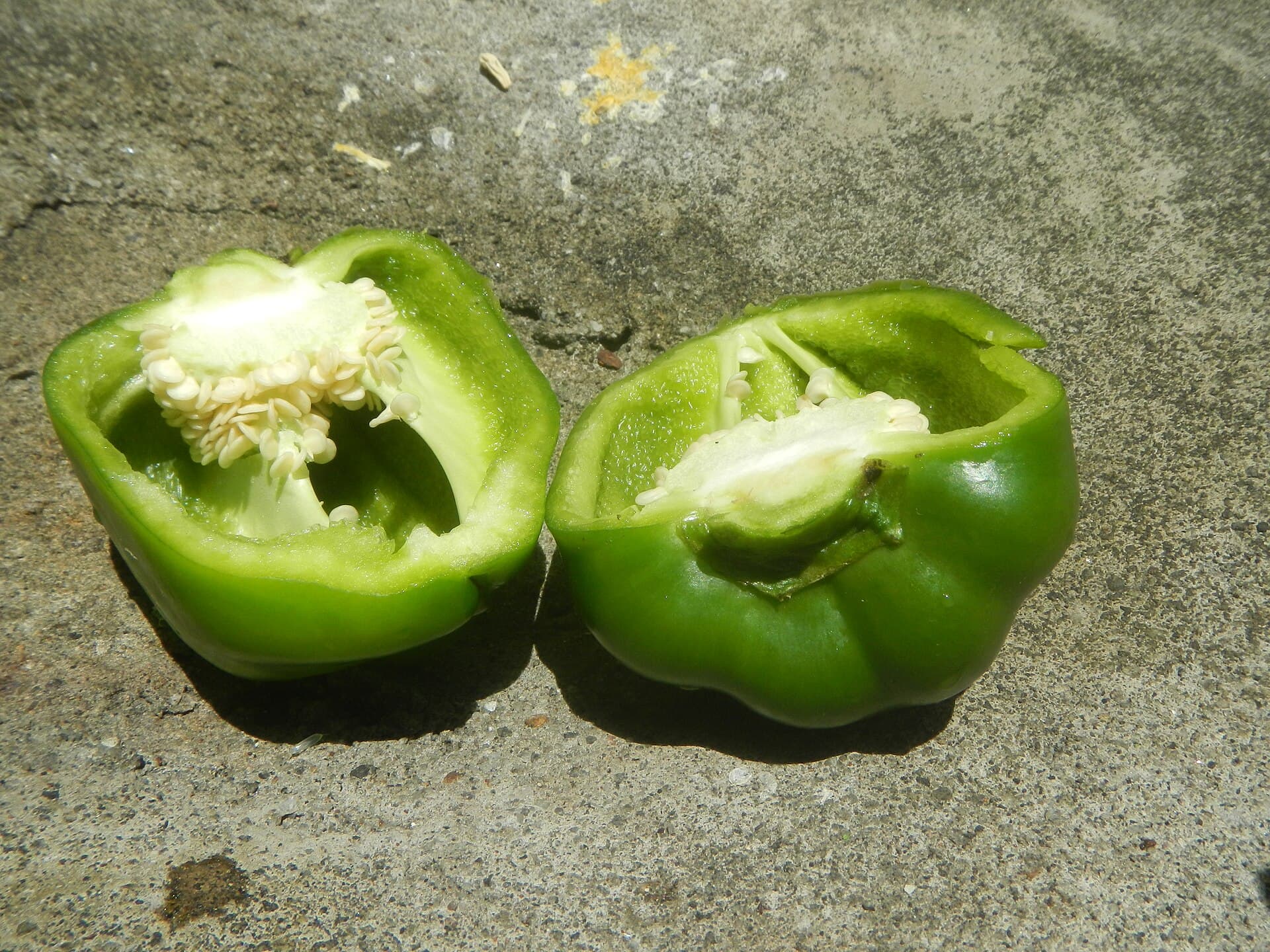
Why Are My Fajitas Watery?
Watery fajitas almost always come from steaming instead of searing. When you crowd the pan, cook over low heat, salt the vegetables too early, or dump marinade into the skillet, moisture floods out faster than it can evaporate and the food simmers in its own liquid. The fix is high heat, a single layer cooked in batches, a dry protein surface, and draining the marinade before it hits the pan.
Best Peppers for Fajitas
Bell peppers are the fajita standard: use a mix of red, yellow, or orange for sweetness and green for a slightly bitter edge. Add a poblano when you want gentle warmth without real heat. Slice peppers about a quarter inch thick and cook them hot and fast so they char at the edges but keep some crunch instead of collapsing into softness.