Ingredient guide
Smoked Paprika
Made by smoke-drying peppers over oak fires in Spain, smoked paprika adds a mellow, wood-fired aroma to fajita seasoning without the heat of chipotle — useful when you want smokiness but not extra spice.
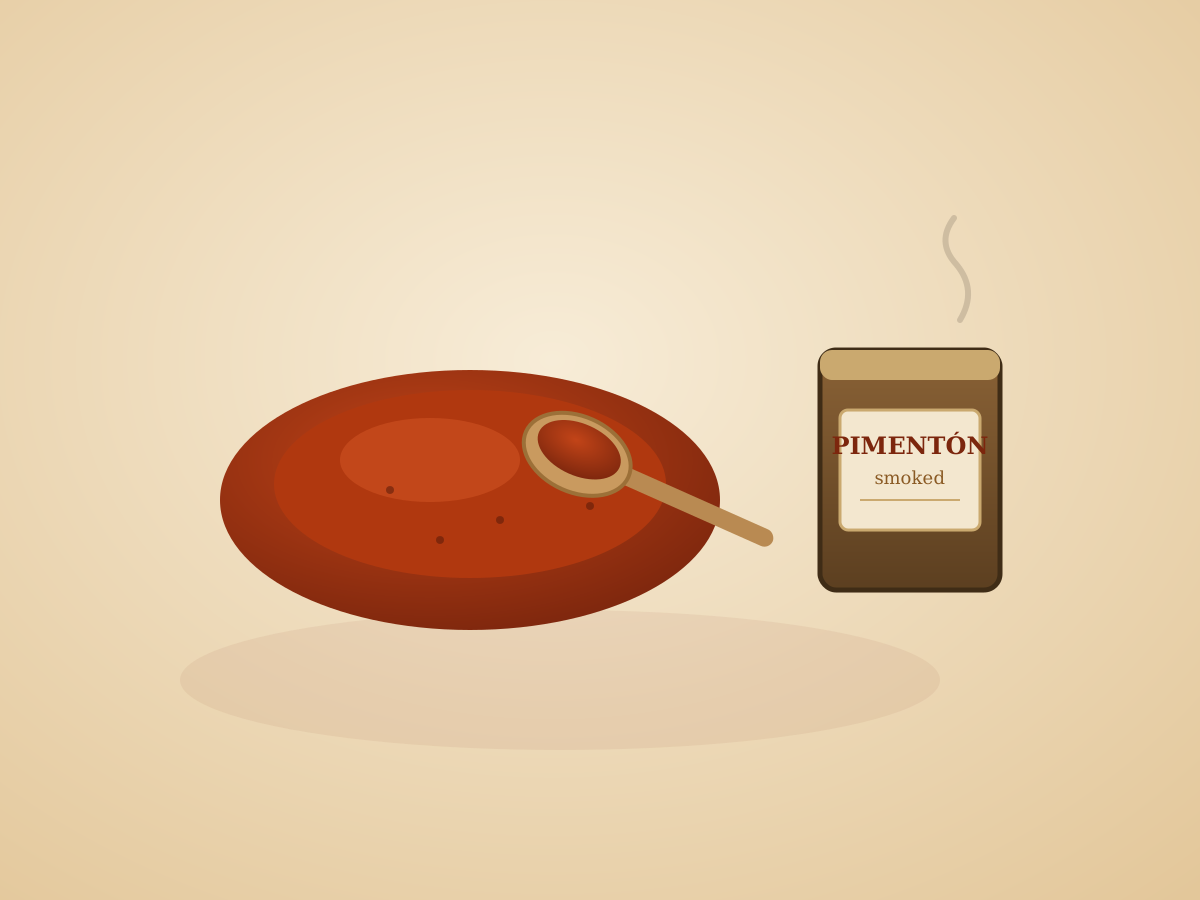
- What it is
- Smoked paprika (pimentón de la Vera) is ground from pimiento peppers that are slow-smoked over oak wood for one to two weeks before grinding, a traditional method from the La Vera region of Spain. This is distinct from regular paprika, which is made from air- or heat-dried peppers with no smoking step, and from Hungarian paprika, which uses different pepper varieties and a hotter or sweeter flavor profile depending on grade.
- Flavor
- A mellow, woodsy smokiness with mild sweetness and almost no heat in the "sweet" (dulce) grade, which is what most fajita recipes call for; "hot" (picante) grade adds noticeable heat on top of the smoke. The smoke flavor is deep and lingering rather than sharp.
- In fajitas
- Smoked paprika lets a fajita seasoning or marinade mimic the flavor of meat grilled over charcoal or mesquite even when cooking on a stovetop cast-iron skillet or in an air fryer, which is exactly when it earns its place — it's one of the few ways to add authentic-tasting smoke without an outdoor grill.
- How to choose
- Confirm the label says "smoked" (or pimentón de la Vera / ahumado) — regular sweet paprika looks nearly identical on the shelf but has no smoke flavor at all, and the two are easy to grab by mistake. Spanish-imported tins tend to have deeper, more authentic smoke flavor than generic supermarket smoked paprika, though both work.
- Storage
- Store in a sealed container away from light and heat; ground paprika loses vibrant color and smoky aroma within about a year, faster if exposed to light, since paprika's pigments (capsanthin) are light-sensitive and fade visibly over time.
- How much
- About 1/2 to 1 teaspoon in a fajita seasoning blend for 1.5-2 lbs of meat is enough to add a smoky background note without it reading as the dominant flavor.
Some links may earn FajitaRecipe.com a commission if you buy through Amazon, at no extra cost to you.
Substitutes: Regular sweet paprika plus a few drops of liquid smoke; A small amount of minced chipotle in adobo (adds heat along with smoke); Regular paprika alone if smoke flavor isn't essential to the dish.
Sweet, bittersweet, and hot grades
Spanish smoked paprika is graded dulce (sweet, no heat), agridulce (bittersweet, mild heat), and picante (hot). Most American recipes, including fajita seasoning, default to dulce unless a recipe specifically asks for heat, since the goal is usually smoky depth rather than spiciness — chipotle or fresh jalapeño is a better tool if heat is what's wanted. Reading the tin's grade before buying avoids an unexpectedly spicy batch of seasoning.
Not a substitute for real grilling, but a good stand-in
Smoked paprika cannot fully replicate the char and Maillard-driven flavor of meat actually seared over live fire — it adds aroma, not char — but it meaningfully closes the gap for indoor cooking methods like a cast-iron skillet, oven, or air fryer where no smoke is otherwise present. Pairing it with a properly hot pan for a real sear, rather than relying on the spice alone, gives the best result.
Sources & further reading
- Denominación de Origen Protegida Pimentón de la Vera — Spanish Ministry of Agriculture, Fisheries and Food (regional protected designation). Background on traditional oak-smoking production method for Spanish smoked paprika.