Ingredient guide
Chipotle Peppers in Adobo
Smoke-dried, ripened jalapeños canned in a tangy adobo sauce, chipotles bring a distinctive smoky heat that turns an ordinary fajita marinade into something closer to Tex-Mex barbecue.
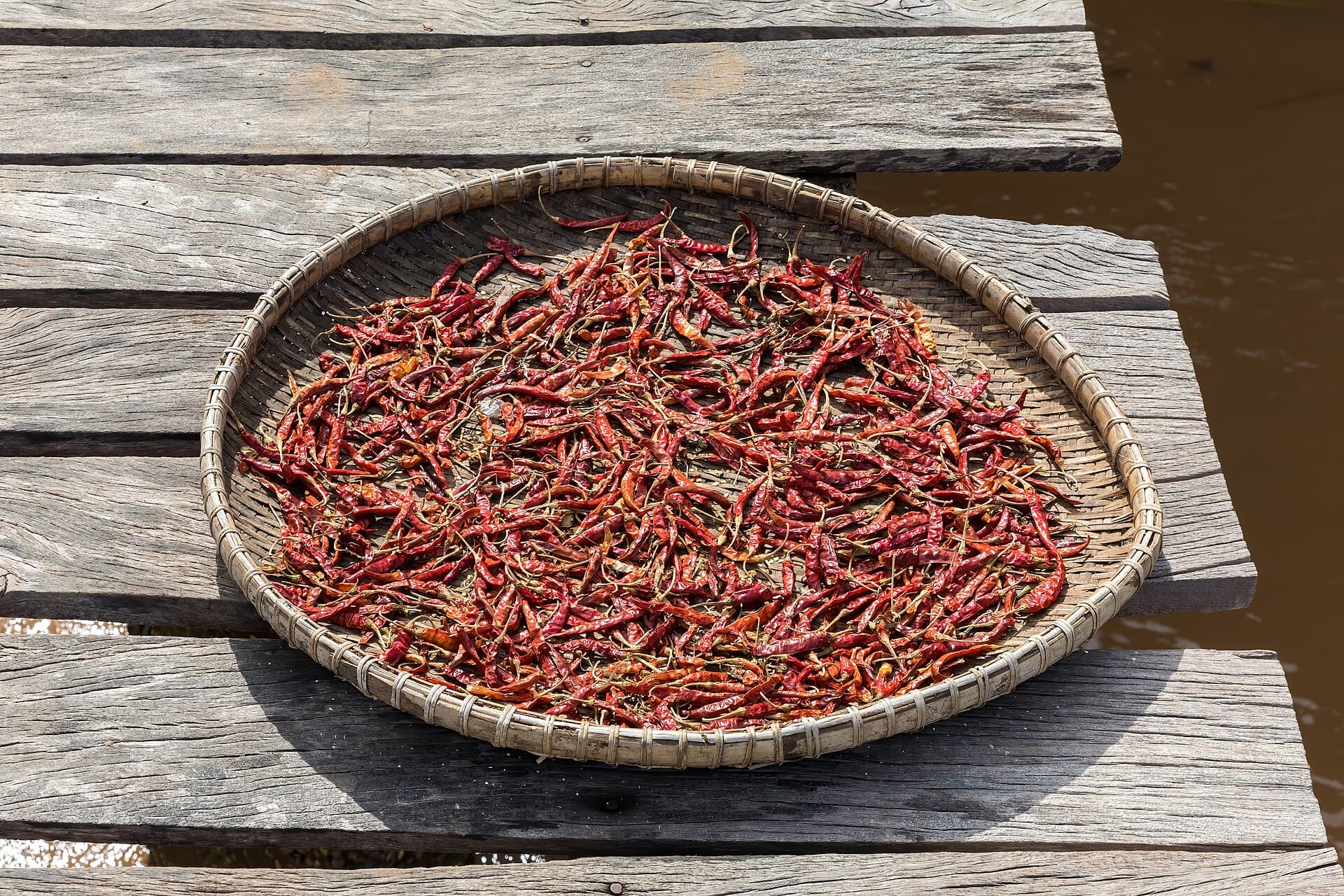 Basile Morin · CC BY-SA 4.0
- What it is
- A chipotle is a fully ripened, red jalapeño that has been smoke-dried over several days rather than fresh-dried, giving it a wrinkled, dark reddish-brown appearance and a distinct smoky aroma. Most home cooks encounter chipotle already packed in a small can labeled "chipotles in adobo," where the dried pods are rehydrated and simmered in a tomato-vinegar-garlic sauce (the adobo).
- Flavor
- Medium-hot (roughly 5,000-10,000 Scoville units, similar to or slightly above a fresh jalapeño since ripening concentrates capsaicin) with a deep, smoky, almost bacon-like richness and a tangy edge from the adobo sauce itself. It reads as smoky-hot rather than sharp-hot.
- In fajitas
- A tablespoon or two of minced chipotle plus some of its adobo sauce, blended into a marinade with lime and garlic, gives grilled steak or chicken a smoky depth that plain chili powder can't replicate — it's the closest most home marinades get to the flavor of meat actually cooked over mesquite or charcoal. It also works stirred into sour cream or mayo for a smoky crema drizzle.
- How to choose
- Buy canned chipotles in adobo from a brand with visible tomato-red sauce and whole, intact pods rather than a mushy, separated liquid — separation suggests an older can. For dried whole chipotle (sold loose or bagged, less common than canned), look for the same pliability test as other dried chiles: bendable, not brittle.
- Storage
- Once opened, transfer canned chipotles and their adobo to a small airtight container or jar; they keep in the refrigerator for two to three weeks, or freeze in an ice cube tray (one or two peppers with sauce per cube) for use up to six months later, which avoids wasting a half-used can.
- How much
- One to two chipotle peppers plus one to two tablespoons of adobo sauce is typically enough to season a marinade for 1.5-2 lbs of steak or chicken without pushing it into painfully spicy territory — start with less and taste, since brands vary in heat.
- Fresh vs dried
- Chipotle exists only as a dried/smoked product — there is no "fresh chipotle," since the smoking process is what defines it, as distinct from a fresh red jalapeño, which tastes bright and grassy rather than smoky.
Some links may earn FajitaRecipe.com a commission if you buy through Amazon, at no extra cost to you.
Substitutes: Chipotle powder (about 1/2 teaspoon per whole pepper, though it lacks the tangy adobo sauce); Smoked paprika plus a pinch of cayenne and a splash of vinegar (milder, less complex); Ancho chile plus a few drops of liquid smoke, in a pinch.
Using the whole can, not just the peppers
The adobo sauce surrounding the peppers is not filler — it's a cooked-down tomato, vinegar, and garlic sauce that carries a lot of the tang and body of the product, and recipes that say "chipotles in adobo" usually mean both the pepper and a spoonful of that sauce. Draining and discarding the sauce, then using only the pepper, produces a smokier but flatter, less balanced marinade; keep at least a tablespoon or two of sauce per pepper used.
Heat control across a can
Because chipotles start as fully red, ripe jalapeños, their heat can vary more can-to-can than a green jalapeño's, and the seeds and interior ribs carry most of the capsaicin. For a milder marinade, split the pepper and scrape out the seeds and veins before mincing; for maximum heat and smoke, mince the whole pepper including seeds.
Distinct from smoked paprika
Smoked paprika and chipotle are often reached for interchangeably, but they are different products with different intensity: smoked paprika is a mild, sweet, smoke-dried bell pepper powder with essentially no heat, while chipotle is a genuinely spicy chile with its own tangy sauce. Swapping one for the other in a fajita marinade changes both the heat level and the flavor profile, not just the smokiness.
Sources & further reading
- Chile Peppers — New Mexico State University Chile Pepper Institute. Background on chipotle as a smoke-dried ripe jalapeño and its heat range.
- Complete Guide to Home Canning — USDA National Institute of Food and Agriculture. General reference on canned pepper products and safe refrigerated storage after opening.