Ingredient guide
Jalapeños
The most familiar fresh chile in American kitchens, jalapeños add reliable, moderate heat to a fajita marinade, filling, or topping without requiring a trip to a specialty grocery store.
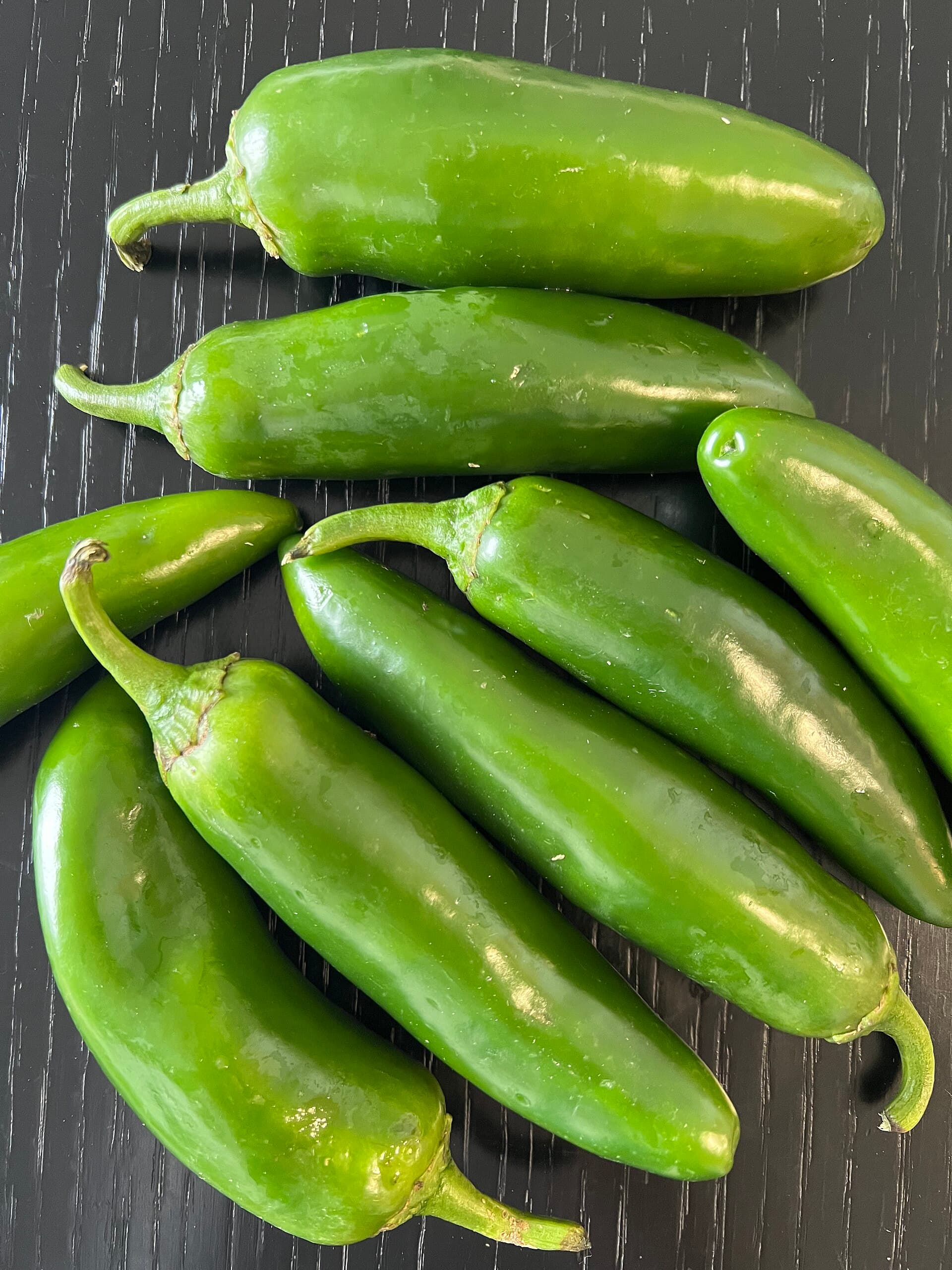 HaJunkiyada · CC BY-SA 4.0
- What it is
- Jalapeño is a medium-sized, smooth-skinned fresh green chile (occasionally sold red when fully ripened), typically two to three inches long, and one of the most widely available fresh chiles in U.S. supermarkets. It is a Capsicum annuum variety originally from Mexico, named for the city of Xalapa in Veracruz.
- Flavor
- Moderate, straightforward heat, roughly 2,500-8,000 Scoville units, with a bright, grassy, slightly vegetal flavor when raw and a rounder, milder flavor when cooked or roasted. Heat is concentrated in the white interior ribs and seeds more than the flesh itself.
- In fajitas
- Minced or sliced jalapeño can go directly into a marinade for extra heat beyond what chili powder provides, be sautéed into the pepper-and-onion filling alongside bell peppers, or be sliced raw as a table topping for diners who want to add heat themselves. Because its heat level is well known and moderate, it's a common way to add real chile heat without the guesswork of a less familiar pepper.
- How to choose
- Look for firm, glossy, deep green skin; small white surface striations ("corking") are actually a sign of a more mature, often slightly hotter pepper and are not a defect. Avoid peppers with soft spots, wrinkled skin, or a dull, matte appearance, all signs of age.
- Storage
- Store unwashed in the refrigerator crisper drawer, ideally in a perforated bag; whole jalapeños keep for one to two weeks. Sliced or diced jalapeño should be refrigerated in an airtight container and used within a few days, or the whole pepper can be sliced and frozen for longer storage if heat rather than crisp texture is the goal.
- How much
- One to two jalapeños, seeded and minced, is a common amount for a fajita marinade covering 1.5-2 lbs of meat; adjust to taste, since individual peppers vary in heat.
- Fresh vs dried
- Jalapeño's dried, smoked form is chipotle — a completely different flavor experience (smoky, sweet-tangy from the adobo it's typically packed in) compared to fresh jalapeño's bright, grassy heat. The two are not interchangeable despite coming from the same pepper.
Some links may earn FajitaRecipe.com a commission if you buy through Amazon, at no extra cost to you.
Substitutes: Serrano pepper (smaller, hotter, similar flavor); Fresno pepper (similar heat, slightly fruitier, often red); Pickled jalapeño slices for a tangier, milder-tasting heat as a topping.
Controlling heat: seeds, ribs, and gloves
Because most of a jalapeño's capsaicin lives in the white interior ribs (placental tissue) and the seeds attached to them, removing both before mincing significantly reduces the heat while keeping the pepper's fresh flavor — useful for a fajita marinade meant to be family-friendly. Wearing gloves or washing hands thoroughly with soap (not just water, which doesn't remove capsaicin's oils effectively) afterward prevents the sting of accidentally touching eyes or other sensitive skin later.
Heat varies more than people expect
Jalapeño heat is genuinely inconsistent from pepper to pepper and even within the same batch, influenced by growing conditions like heat stress and water availability during cultivation — a jalapeño that tastes mild one week can be noticeably spicier the next from the same store. Tasting a small piece before committing a whole pepper to a recipe is a reasonable habit, especially when cooking for people with lower heat tolerance.
Charring changes the flavor, not just the heat
Charring or roasting a jalapeño under a broiler or over an open flame mellows its raw, grassy sharpness into a smokier, rounder flavor while the heat itself stays roughly the same — useful when jalapeño is going into a cooked filling rather than served raw as a topping. Raw, thinly sliced jalapeño keeps its bright, sharp bite and is better suited to a table-side garnish where crunch and immediacy matter more than mellowness.
Sources & further reading
- Chile Peppers — New Mexico State University Chile Pepper Institute. Reference on jalapeño heat range, capsaicin location, and growing-condition variability.