Ingredient guide
Cumin
Earthy, warm, and slightly bitter, cumin is the single most identifiable spice in fajita seasoning — the flavor most people picture when they think "Tex-Mex" actually comes from cumin more than from any chile.
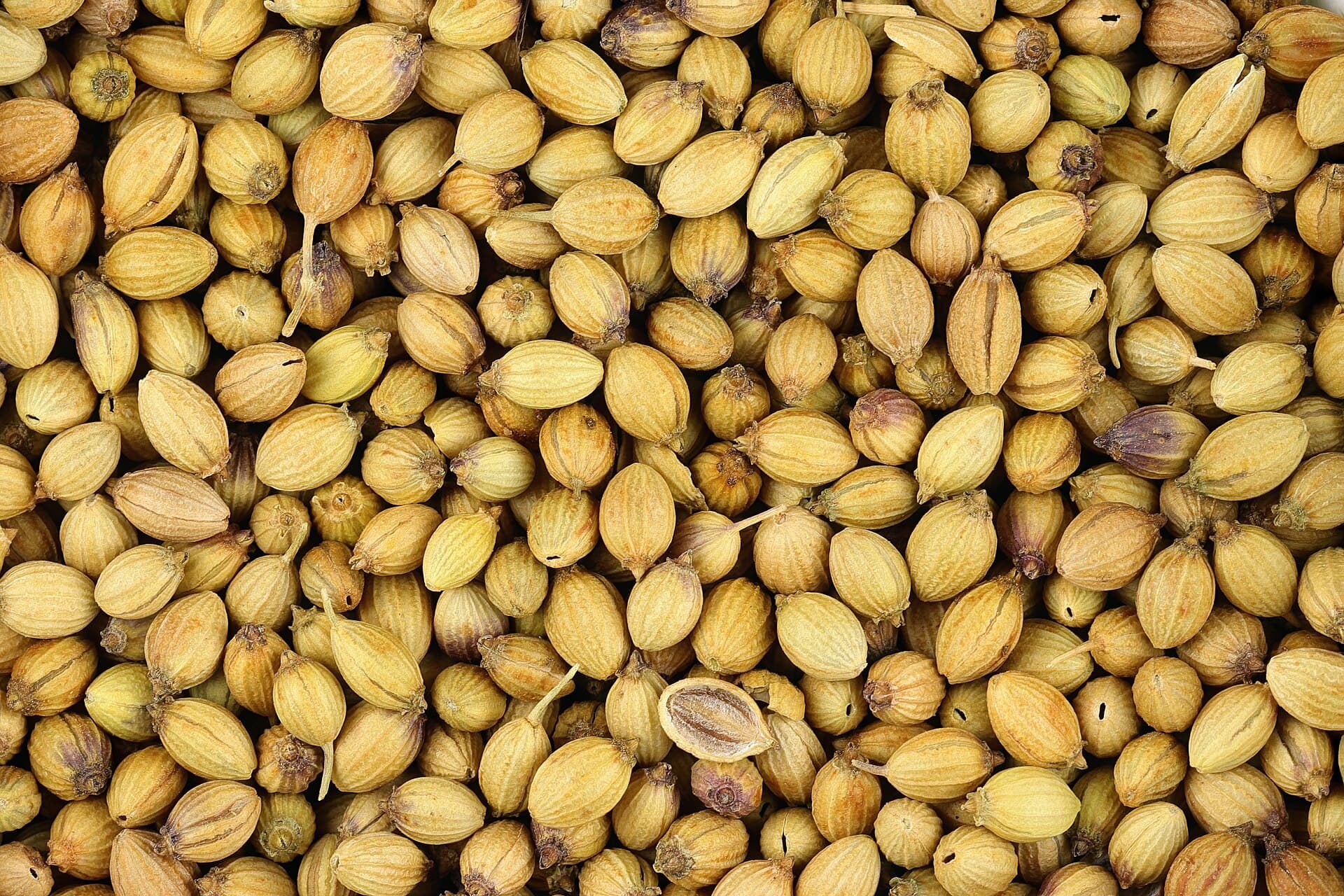 Sanjay Acharya · CC BY-SA 4.0
- What it is
- Cumin is the dried seed of Cuminum cyminum, a flowering plant in the parsley family native to the eastern Mediterranean and South Asia. It's sold either as whole seeds — small, ridged, oblong, tan-to-brown — or pre-ground into a fine powder, and it reached Mexican and Tex-Mex cooking via Spanish colonization, where it had earlier arrived from the Mediterranean and Central Asia.
- Flavor
- Warm, earthy, and slightly bitter with a distinctive pungency some describe as musky or "sweaty" in the best sense — it's an assertive spice that can dominate a dish if overused. Toasting mellows the bitterness and brings out a nuttier, more rounded warmth.
- In fajitas
- Cumin is arguably the defining spice of fajita and Tex-Mex seasoning generally; alongside chili powder and garlic, it supplies the earthy backbone that makes a seasoning blend taste "Tex-Mex" rather than generic. Most fajita seasoning recipes use more cumin by volume than any single chile powder.
- How to choose
- Whole seeds hold their flavor far longer than ground cumin and are worth buying if you use cumin often — look for seeds that are uniform in color without a grayish, dusty look. For ground cumin, buy from a store with good turnover; a strong aroma when you open the jar is the best freshness test, since flavor fades faster than color.
- Storage
- Keep whole seeds in a sealed container away from light and heat for up to two to three years without major flavor loss. Ground cumin fades faster — plan to replace it every six to twelve months, and give it a smell test before using if the jar has been open a while; if the aroma is faint, it will underseason the dish even at the recipe's full quantity.
- How much
- A typical fajita seasoning blend for 1.5-2 lbs of meat uses about 1-2 teaspoons of ground cumin, roughly on par with or slightly more than the chili powder in the same blend.
Some links may earn FajitaRecipe.com a commission if you buy through Amazon, at no extra cost to you.
Substitutes: Ground coriander (milder, citrusy, not a true substitute but usable in a pinch); Pre-made chili powder blend (already contains cumin, so reduce other spices accordingly); Caraway seed (different flavor family but sometimes used as an emergency stand-in).
Whole seed versus ground: when it matters
Buying whole cumin seed and toasting it in a dry skillet for 30-60 seconds until fragrant, then grinding it in a spice grinder or mortar right before use, produces a noticeably brighter, more aromatic result than pre-ground cumin that has been sitting in a jar for months. For a fajita marinade this extra step is optional — most cooks use pre-ground cumin successfully — but for a dry rub meant to form a crust on the meat, freshly toasted and ground cumin makes a real, tastable difference.
The most common overseasoning mistake
Because cumin is potent and slightly bitter at high concentrations, doubling a seasoning recipe by simply doubling the cumin quantity often makes the blend taste soapy or medicinal rather than twice as flavorful — cumin does not scale linearly with pleasant results the way salt or acid does. When scaling up a fajita seasoning recipe for a crowd, it's worth adding cumin incrementally and tasting rather than doubling blindly.
Related on Amazon
Some links may earn FajitaRecipe.com a commission if you buy through Amazon, at no extra cost to you.
Sources & further reading
- Cumin — Purdue University Center for New Crops & Plants Products. Botanical and historical background on Cuminum cyminum and its culinary spread.
- Spices and Seasonings: A Food Technology Handbook — Cornell University Cooperative Extension. Reference on spice storage life and flavor degradation over time.