Ingredient guide
Cilantro
A fresh, citrusy herb used as a finishing garnish rather than a cooked-in seasoning, cilantro adds the last layer of brightness to fajitas and the toppings served alongside them.
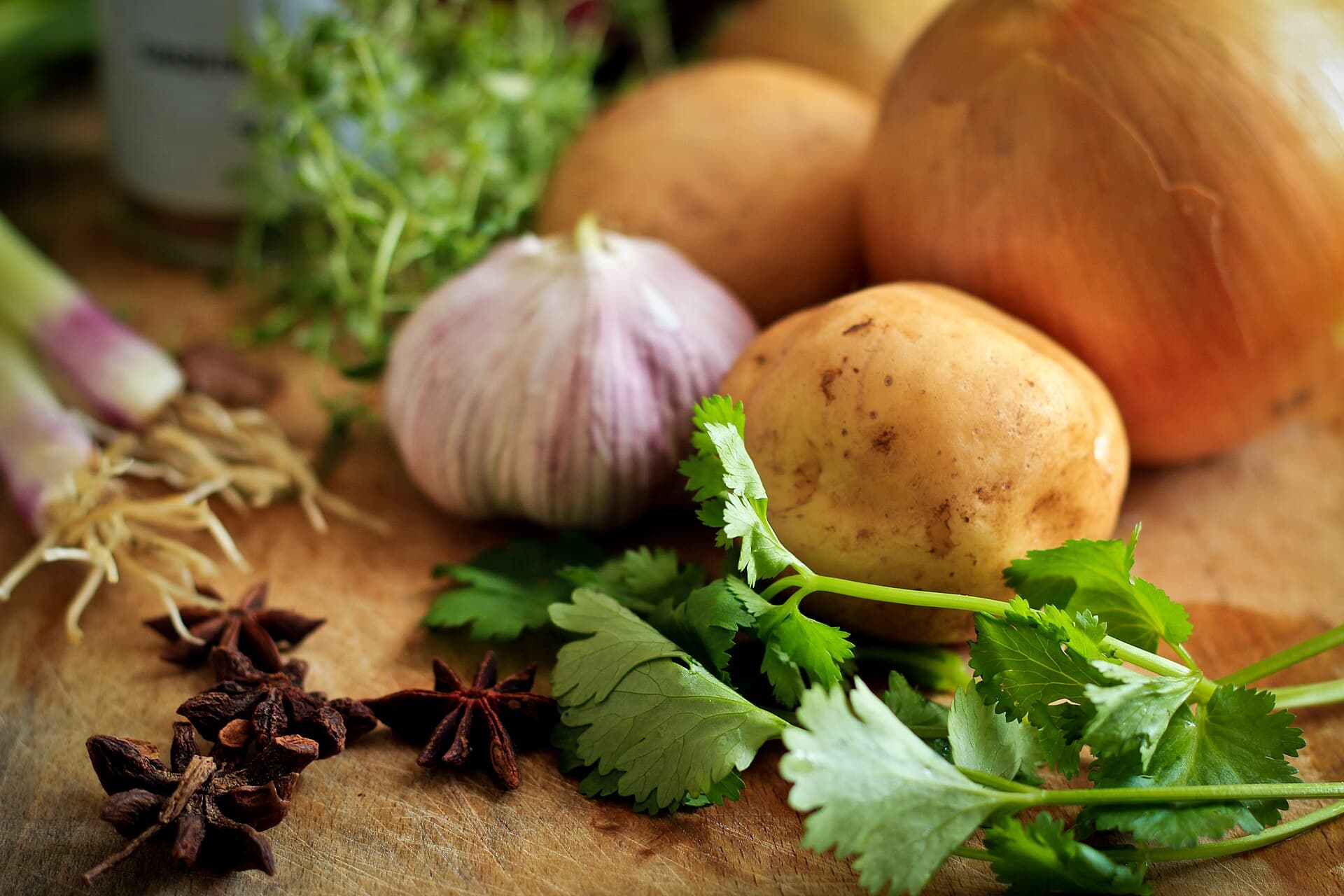 Syd Wachs videmusart · CC0
- What it is
- Cilantro is the leafy, feathery-stemmed fresh herb from the same plant that produces coriander seed (Coriandrum sativum) — in the U.S., "cilantro" refers to the leaves and "coriander" to the dried seed, while in many other countries both go by "coriander." It's sold in bunches with roots often still attached, alongside other fresh herbs in the produce section.
- Flavor
- Bright, citrusy, and slightly peppery when fresh, with a distinctive aroma some people perceive as soapy due to a genetic variation affecting how certain aldehyde compounds are detected — this is a well-documented, real difference in taste perception, not pickiness.
- In fajitas
- Cilantro is almost never cooked into a fajita marinade or filling itself; instead it's used raw as a finishing garnish scattered over the cooked meat and vegetables, and it's a near-default ingredient in pico de gallo, salsa, and guacamole served alongside. Its job is to add a last note of freshness that contrasts with the richer, cooked, spiced flavors of the fajita itself.
- How to choose
- Choose bunches with vivid green, unwilted leaves and no yellowing or slimy spots; giving the bunch a gentle sniff should reveal a strong, immediate cilantro aroma. Bunches sold with roots intact and standing in a small water reservoir at the store tend to stay fresh longer than pre-cut, bagged cilantro.
- Storage
- Trim the stem ends and stand the bunch upright in a jar with an inch of water, loosely covered with a plastic bag, then refrigerate — treated like cut flowers, cilantro stored this way keeps fresh for one to two weeks, far longer than a bunch wrapped in a produce bag. Wash and dry only right before use, since excess moisture speeds wilting and rot.
- How much
- A quarter to half cup of roughly chopped cilantro is typical for garnishing a full fajita meal for four, with more added to any pico de gallo or salsa served alongside.
- Fresh vs dried
- Dried cilantro loses almost all of its characteristic aroma and flavor in the drying process, to the point that most cooks consider it not worth using; if fresh cilantro is unavailable, a different fresh herb or simply omitting it is preferable to substituting the dried version.
Some links may earn FajitaRecipe.com a commission if you buy through Amazon, at no extra cost to you.
Substitutes: Fresh parsley (milder, no citrus note, but a similar visual garnish); Fresh oregano leaves in small amounts for a different herbal note; Omit entirely — cilantro is a garnish, not a structural ingredient, so the dish works without it for those sensitive to its flavor.
The genetics behind the "soapy" taste
A meaningful minority of people — commonly cited estimates run somewhere in the range of 10-20% of people with strong European or East Asian ancestry, though rates vary by population — carry an olfactory receptor gene variant that makes them perceive certain aldehydes in cilantro as soap-like rather than pleasant. This is a genuine sensory difference, not a matter of exposure or preference, which is why offering fajita toppings on the side (rather than mixing cilantro directly into the meat or marinade) lets everyone at the table customize their own plate.
Stems are not waste
Cilantro stems carry a concentrated version of the same flavor as the leaves and are tender enough to chop finely and use in salsa, pico de gallo, or as a garnish — throwing them away wastes usable flavor. Only the thicker, tougher base of the stem bundle near the roots is worth trimming off.
When to add it — after cooking, not before
Cilantro's aromatic compounds are volatile and largely destroyed by heat, so adding it during cooking (rather than as a finishing garnish once the pan is off the heat) wastes most of its flavor. Fajitas benefit from cilantro added at the very end, or served raw on the side for topping, rather than tossed into the hot skillet with the meat and peppers.
Sources & further reading
- Coriandrum sativum — USDA Agricultural Research Service, Germplasm Resources Information Network. Botanical reference distinguishing cilantro leaf from coriander seed.
- Genetic Variation in Cilantro Taste Perception — Flavour journal (via published olfactory genetics research). Research on the OR6A2 receptor variant linked to soapy-taste perception of cilantro.