Ingredient guide
Lime
Lime juice supplies the acid that both flavors and tenderizes a fajita marinade, and a squeeze of fresh lime at the table is what makes the finished dish taste bright instead of heavy.
- What it is
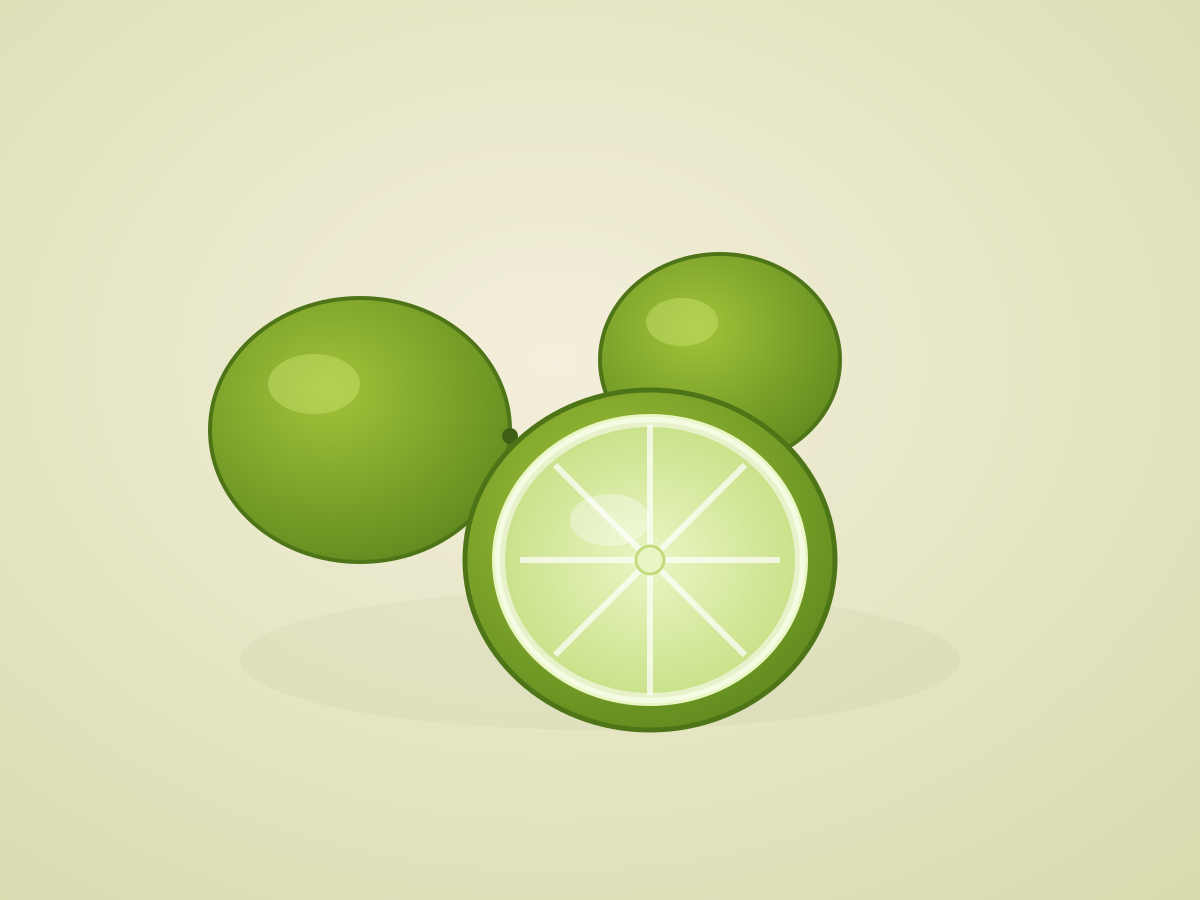
- Lime is a small, round citrus fruit with green (occasionally yellowing) skin and a sharply acidic, aromatic juice. The common grocery-store variety in the U.S. is the Persian (Tahiti) lime, seedless and larger; Key limes, smaller and more aromatic with a sharper tartness, are less common but sometimes specified in Tex-Mex recipes for a more traditional flavor.
- Flavor
- Sharply acidic and tart with a distinct floral-citrus aroma, less sweet than lemon and with a slightly more bitter, herbal edge, especially from the zest.
- In fajitas
- Fresh lime juice is one of the three pillars of a classic fajita marinade (with garlic and chile/oil), where its acid both seasons the meat with bright flavor and begins to tenderize the surface by denaturing proteins. A wedge of lime served alongside the finished dish also lets diners add a final hit of acid at the table, which restaurant-style fajitas nearly always include.
- How to choose
- Choose limes that feel heavy for their size — weight indicates more juice inside — with smooth, glossy, deep green skin. Avoid limes with hard, dry-looking skin, soft brown spots, or a yellowish cast (a fully yellow lime is over-ripe and less acidic/aromatic than a green one, though still usable).
- Storage
- Whole limes keep at room temperature for about a week, or up to three to four weeks in the refrigerator crisper drawer, where the cooler, more humid environment slows moisture loss. Once cut, wrap tightly in plastic or store cut-side-down on a plate and use within a few days; juiced limes should be used within a day or refrigerated in a sealed container for up to a week.
- How much
- A fajita marinade for 1.5-2 lbs of steak or chicken typically uses the juice of 2-3 limes, and it's common to reserve one extra lime, cut into wedges, for serving at the table.
Some links may earn FajitaRecipe.com a commission if you buy through Amazon, at no extra cost to you.
Substitutes: Lemon juice (less floral, slightly sweeter, works in a pinch); Bottled 100% lime juice (acceptable for marinating, though it lacks fresh zest oils); Rice vinegar plus a little orange juice for acid with different aromatics.
How much marinating time is too much
Because lime juice is acidic, marinating meat in it for too long — generally more than a few hours for thin cuts, or overnight for thicker steaks like skirt or flank — can start to break down surface proteins so much that the texture turns mushy or "cooked" looking (the same chemistry behind ceviche). A fajita marinade with lime works best in the 30-minute-to-4-hour range for most cuts; longer isn't automatically better.
Getting more juice out of each lime
Rolling a lime firmly under your palm on the counter before cutting it, or microwaving it for 10-15 seconds, breaks down the internal membranes and can meaningfully increase juice yield — useful when a recipe calls for the juice of several limes and each one needs to count. Room-temperature limes also yield more juice than cold ones straight from the refrigerator.
Zest is an underused flavor booster
Most fajita recipes call only for lime juice and discard the peel, but a small amount of finely grated lime zest added to the marinade or as a garnish carries the fruit's aromatic oils without extra acidity, adding brightness that juice alone doesn't fully deliver. It's a low-effort way to intensify lime flavor without making the marinade more sour.
Related on Amazon
Some links may earn FajitaRecipe.com a commission if you buy through Amazon, at no extra cost to you.
Sources & further reading
- Citrus Fruits: Safe Methods to Store, Preserve, and Enjoy — University of Georgia Cooperative Extension. Guidance on storing fresh limes and citrus juice.