What Are Fajitas? What They’re Made Of, Explained
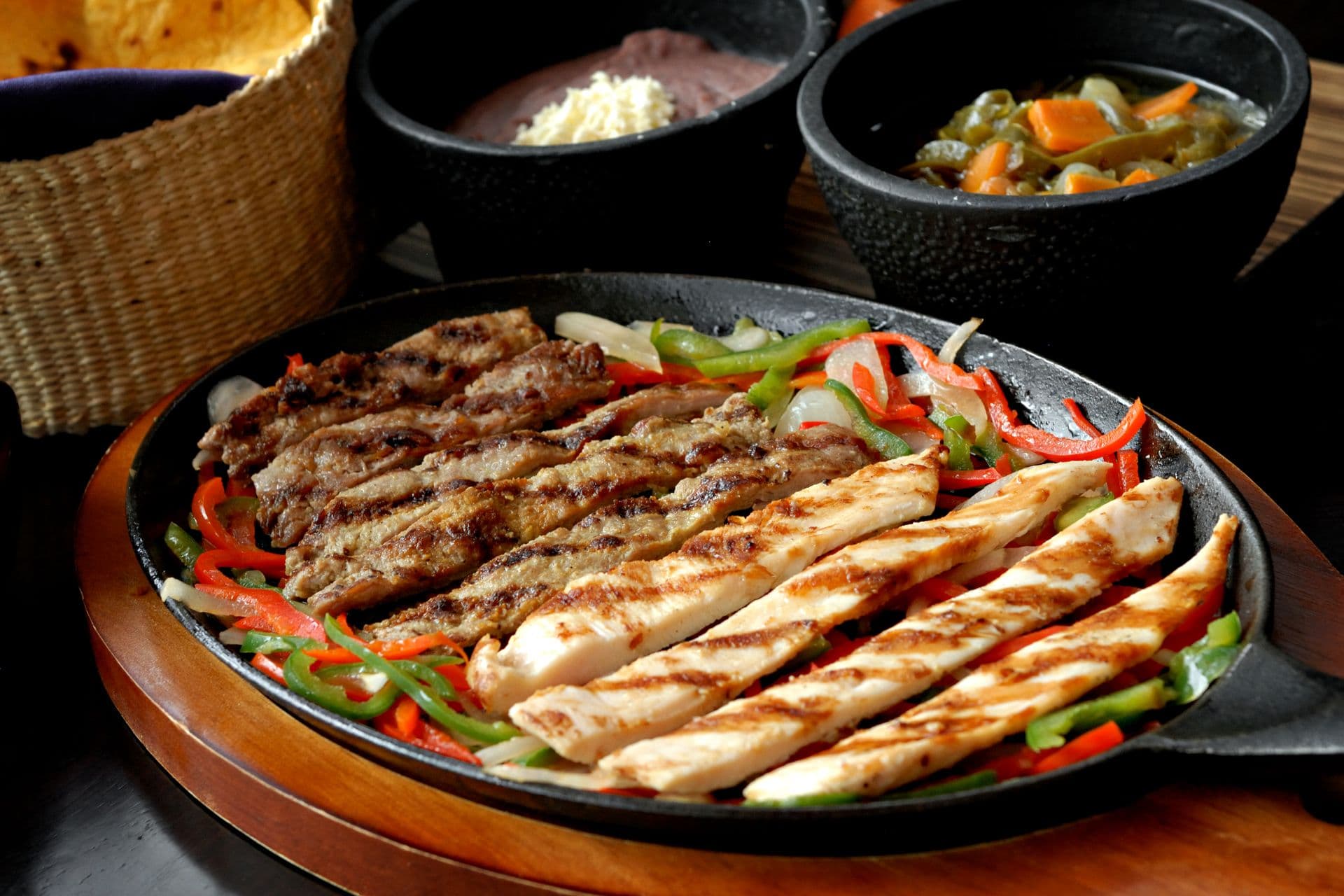
A fajita is a strip of grilled or seared meat — traditionally skirt steak — served with charred peppers and onions and wrapped in a warm tortilla at the table. The dish comes from South Texas ranch kitchens, where skirt steak was part of a vaquero’s pay. What makes something a fajita is the format: sizzling sliced protein, blistered vegetables, warm tortillas, and cold toppings you assemble yourself.
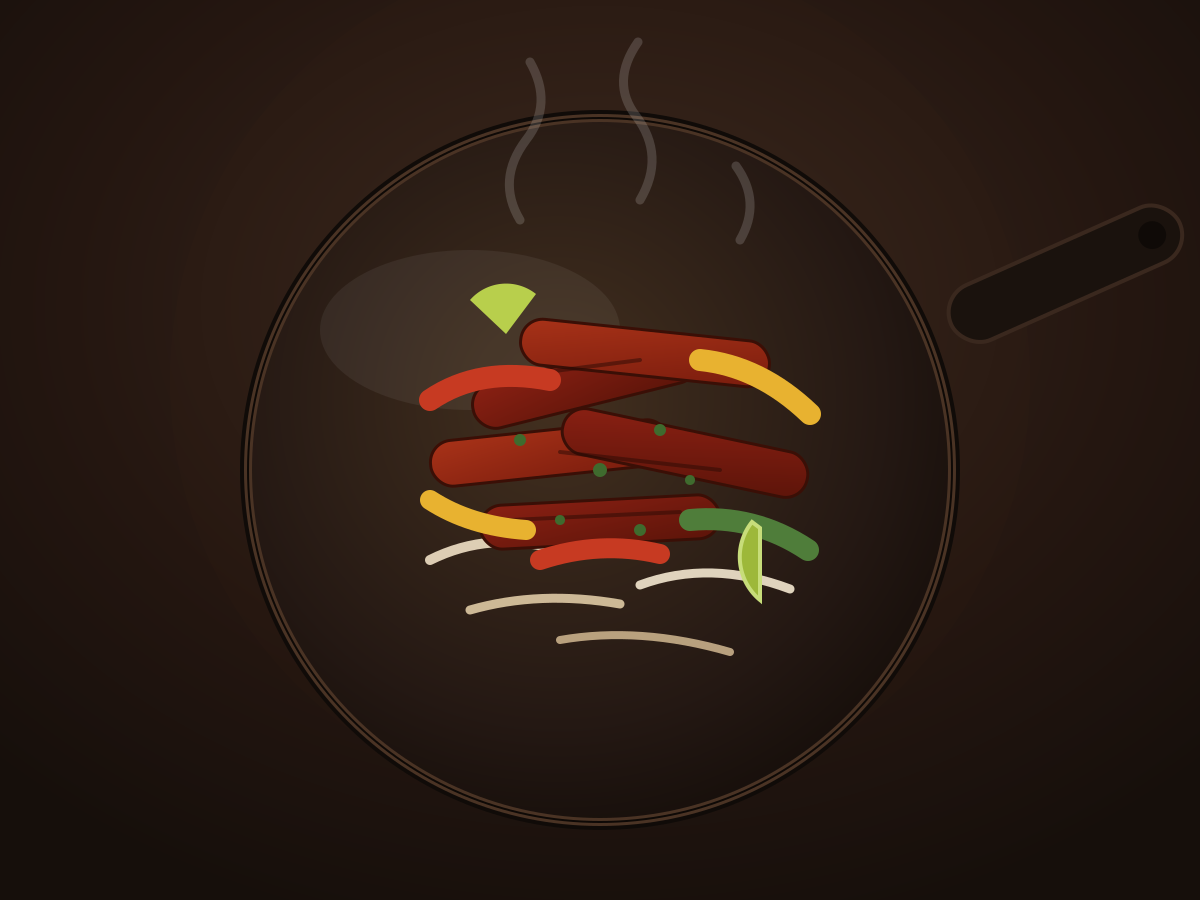
What a fajita is, what fajitas are made of, where the meat comes from, and how a fajita differs from a taco — the whole dish explained.
The science
Where fajita meat comes from
Fajita meat traditionally means skirt steak — a long, flat, coarsely grained muscle from the cow’s diaphragm, near the belly. The Spanish word faja means belt or strip, and fajita is its diminutive: the name describes the shape of that cut, not the finished plate. Because skirt was considered a low-value cut for much of the twentieth century, it was often given to ranch workers in South Texas as part of their pay, which is exactly how it became the centerpiece of this dish rather than a cut for wealthier tables. Today "fajita meat" at a butcher counter usually means skirt or flank, sometimes pre-sliced.
The call: Fajita meat is skirt steak, from the diaphragm — the word describes the strip-shaped cut.
Technique
What you need to make fajitas at home
Very little beyond a hot pan. A cast-iron skillet or a griddle gives the char that defines the dish, because both hold their heat when cold meat hits the surface — a thin nonstick pan drops in temperature and the meat steams grey instead of searing. Add a sharp knife for slicing against the grain, tongs, and a way to warm tortillas. An instant-read thermometer matters most for chicken, where the window between juicy and dry is narrow. Everything else is shopping: about half a pound of raw protein per person, one bell pepper and half an onion per pound of meat, and two to three tortillas each.
The call: A heavy skillet, a sharp knife, and warm tortillas — plus 1/2 lb raw protein per person.
What fajitas are made of
Every fajita is built from four parts: a protein, the vegetables cooked with it, something to wrap it in, and the cold toppings that go on last. Only the first two hit the heat — everything else is assembly. That structure is why fajitas scale so easily from a weeknight skillet to a party platter.
| Part | What it is | Common choices |
|---|---|---|
| Protein | Sliced thin and seared hot | Skirt steak (classic), flank, chicken thigh or breast, shrimp, pork, portobello |
| Vegetables | Cooked in the same pan for char | Bell peppers, onions; often poblano |
| Seasoning | A dry blend, a marinade, or both | Chili powder, cumin, garlic, lime |
| Tortillas | Warmed, never served cold | Flour (classic Tex-Mex) or corn |
| Cold toppings | Added at the table, not cooked | Pico de gallo, guacamole, sour cream, cheese, lime |
| Sides | Optional, served alongside | Rice, refried or charro beans, salsa, chips |
Nothing here is mandatory except the protein, the vegetables, and something to wrap them in.
The call: Buy for four parts: protein, peppers and onions, tortillas, and cold toppings.
Fajitas vs. tacos vs. burritos
All three are protein in a tortilla, so the difference is in how they are cooked, served, and assembled. A fajita arrives deconstructed and hot; a taco arrives built; a burrito arrives wrapped and sealed.
| Dish | Protein | Served | Assembled by |
|---|---|---|---|
| Fajita | Seared strips, usually marinated | Sizzling, with vegetables alongside | You, at the table |
| Taco | Any — often stewed, ground, or grilled | Already filled | The kitchen |
| Burrito | Any, plus rice and beans inside | Wrapped and closed in a large flour tortilla | The kitchen |
| Quesadilla | Optional — cheese is the point | Folded and griddled until melted | The kitchen |
A fajita served pre-wrapped is really a taco. The sizzling platter and self-assembly are the fajita’s signature.
Frequently asked questions
+What is a fajita?
A fajita is grilled or seared meat sliced into strips and served with charred peppers and onions, warm tortillas, and cold toppings that you wrap yourself at the table. It is a Tex-Mex dish that originated in South Texas ranch kitchens.
+What are fajitas made of?
A protein (classically skirt steak, but also chicken, shrimp, pork, or vegetables), bell peppers and onions cooked with it, a seasoning blend or marinade, warm tortillas, and cold toppings such as pico de gallo, guacamole, sour cream, and cheese.
+Where does fajita meat come from?
Skirt steak, from the cow’s diaphragm near the belly. The Spanish faja means belt or strip, and fajita is its diminutive — the word describes the long, strap-like shape of that cut.
+What is the difference between a fajita and a taco?
A fajita is served deconstructed — sizzling sliced meat and vegetables with tortillas alongside, assembled by you at the table. A taco arrives already filled. A fajita wrapped in the kitchen is essentially a taco.
+What do I need to make fajitas?
A heavy skillet or griddle, a sharp knife, tongs, and a way to warm tortillas. For shopping: about half a pound of raw protein per person, one bell pepper and half an onion per pound of meat, tortillas, and whatever toppings you like.
Testing, sources & disclosure
Researched and reviewed by our editors. See our recommendation methodology.
- Author:
- FajitaRecipe Editorial
- Last reviewed:
- 2026-08-01
As an Amazon Associate, FajitaRecipe.com earns from qualifying purchases. We do not provide medical or dietary advice; follow USDA guidance for food safety.
Keep cooking
You might also like
How to Cook Fajitas: A Beginner-Friendly Walkthrough
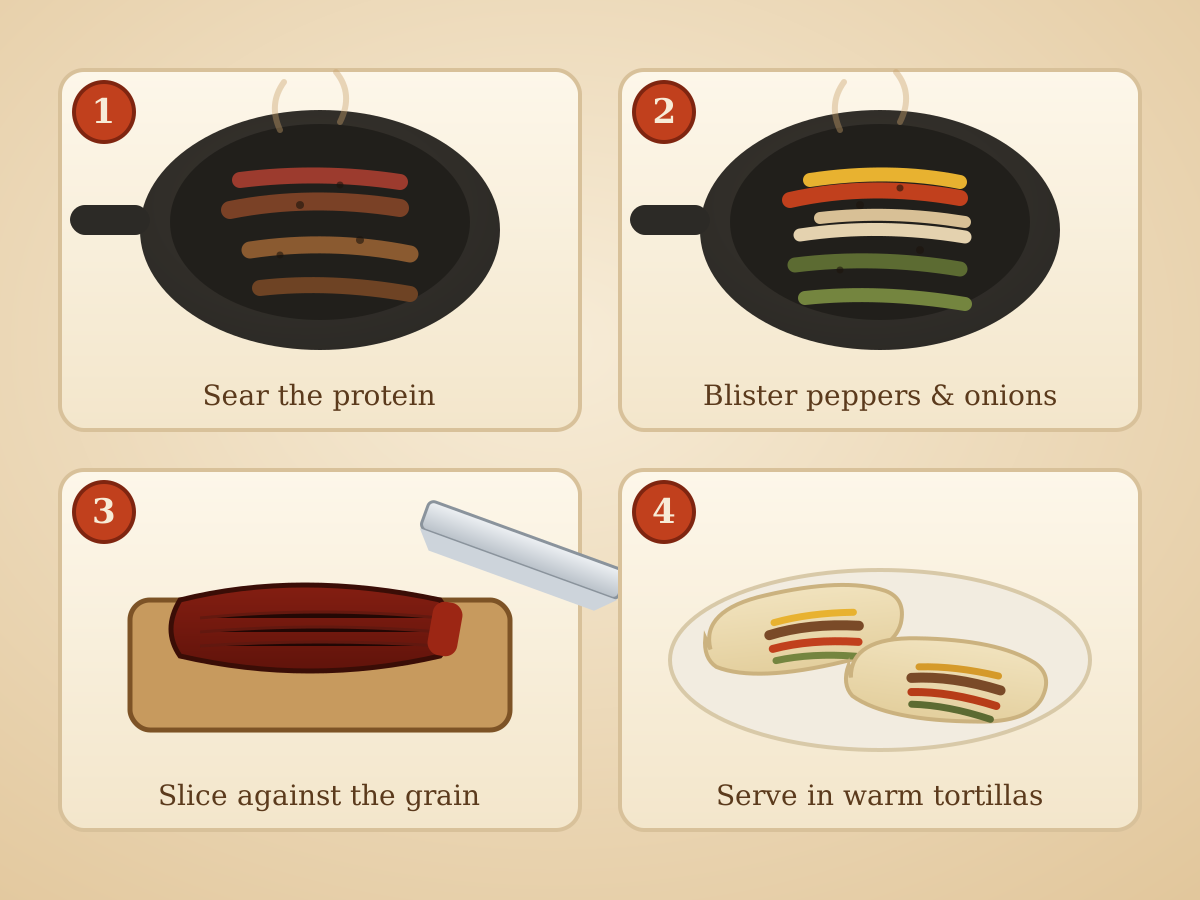
Cooking fajitas comes down to five steps: season or marinate a thin-sliced protein, get a heavy pan ripping hot, sear the meat hard and fast, char the peppers and onions separately, then slice against the grain and serve in warm tortillas. The whole thing takes about 20 minutes of cooking once your prep is done. High heat and not crowding the pan are what separate real fajitas from a soft, gray stir-fry.
Best Steak for Fajitas: Skirt vs. Flank vs. Sirloin
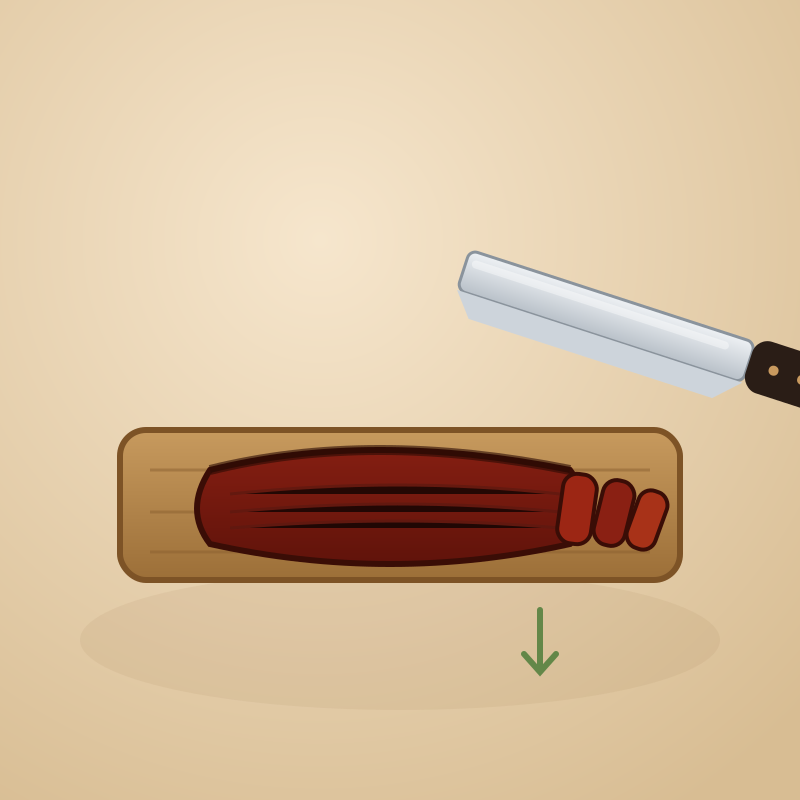
Skirt steak is the best cut for fajitas: it is loosely grained, well marbled, and drinks up marinade, giving that classic beefy chew when sliced across the grain. Flank steak is the leaner, easier-to-find backup, and top sirloin or flap meat work when you want a budget cut. Whatever you buy, slice it thin against the grain.
How Much Fajita Meat per Person
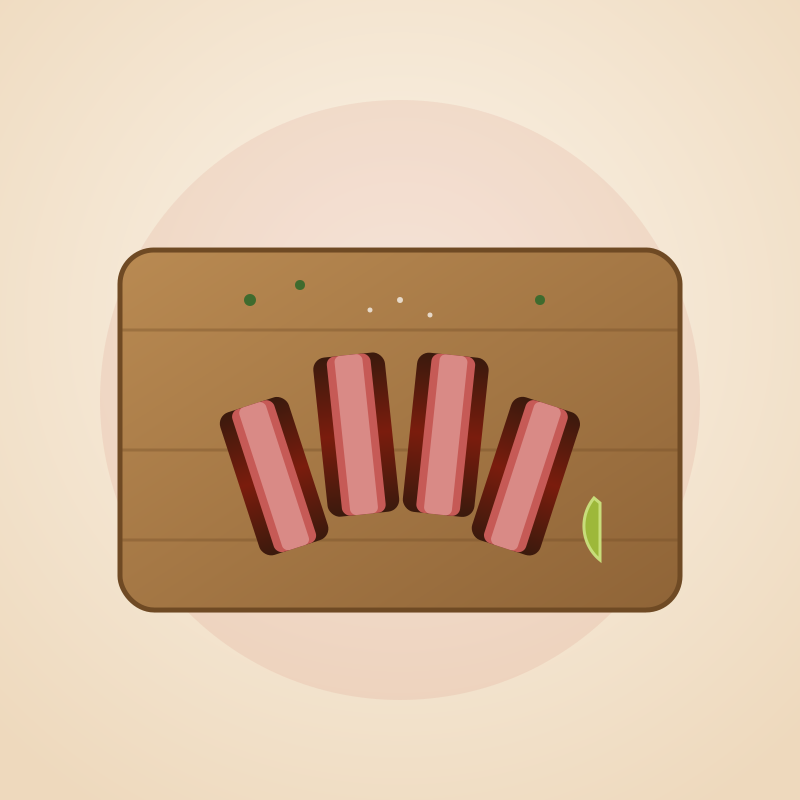
Plan on about one-third to one-half pound of raw protein per person for fajitas. Meat loses roughly 25 percent of its weight to shrinkage as it cooks, so a half pound raw lands near six ounces cooked. Bump toward the high end for big eaters or lighter sides, and add a little extra when feeding a crowd so no one runs short.
 Pexels contributor · Pexels License
Steak Fajitas
43 min · moderate
Steak fajitas start with a well-marbled cut like skirt or flank, a short lime-and-spice marinade, and a very hot skillet. Sear the steak fast, rest it, then char peppers and onions in the same pan. Slice thin against the grain and pile into warm tortillas. Most cooks pull the beef at 130–135°F for medium-rare, well below the 145°F whole-cut mark.