Leftover Steak Fajitas: Reheat Without Overcooking, Plus 6 Uses
The trap with leftover steak fajitas is reheating: high heat turns already-cooked, thin-sliced steak gray and tough. Warm it fast and gently — a very hot skillet for under a minute, or low power in the microwave — so it heats through without cooking further. Better yet, repurpose it cold or barely warmed into quesadillas, nachos, bowls, a breakfast hash, a steak salad, or tacos.

How to reheat leftover steak fajitas without making them tough, plus six ways to turn them into new meals.
Technique
Six ways to use them up
Turn leftover steak fajitas into crisp steak quesadillas; a sheet pan of steak-fajita nachos; a burrito bowl over rice and beans; a breakfast hash with crisped potatoes and eggs; a hearty steak-fajita salad with greens, cotija, crushed chips, and a lime-crema dressing; or quick steak tacos with fresh pico and onions. Because the steak is pre-seasoned and thin, most of these need only a quick warm or none at all, so you sidestep the overcooking problem entirely. Keep the leftover peppers and onions with the steak — they repurpose together and add sweetness and color to every one of these.
The call: Quesadillas, nachos, bowls, breakfast hash, steak salad, or tacos — mostly no or minimal reheating needed.
Recommended gear
Disclosure: As an Amazon Associate, FajitaRecipe.com earns from qualifying purchases. Recommendations are chosen to help you cook better fajitas; some Amazon links may earn a commission at no extra cost to you. See our selection methodology.
For slicing steak
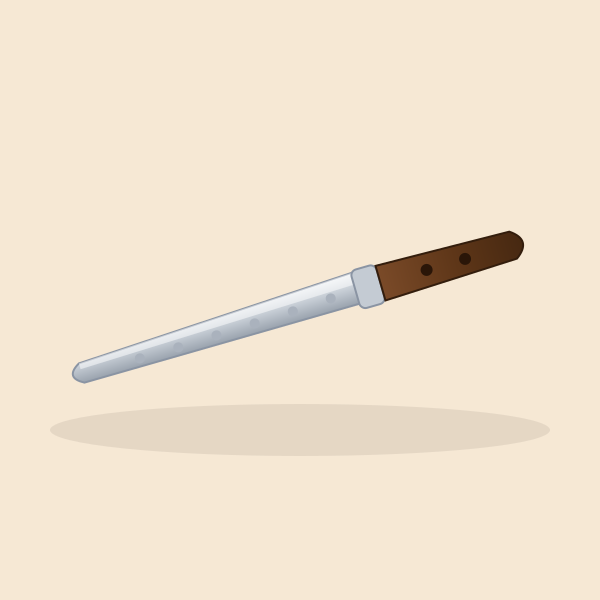 Victorinox
Model 5.4233.30 (Fibrox 12" Granton)
Thin, even slices across the grain are what make skirt and flank tender. A long granton slicer does it in one clean stroke instead of sawing.
Best for: Clean, thin, against-the-grain slices on skirt and flank steak.
John BoosModel RA03 (24 x 18 in)
A roomy board with a juice groove lets steak rest and be sliced in one place; pour the caught juices back over the strips before serving.
Best for: Resting and slicing steak with room to spare.
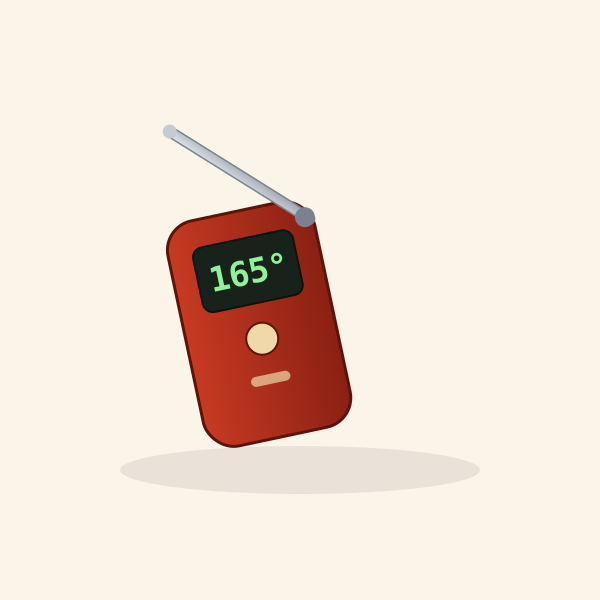 ThermoWorks
Model ThermoPop 2
You do not need a premium thermometer to cook safe chicken. The ThermoPop 2 is accurate and a few seconds slower — a great-value pick from the same maker.
Best for: A reliable read without the premium price.
For cast-iron fajitas
 Lodge
LodgeModel L10SK3
A heavy 12-inch Lodge gives two servings of steak enough hot surface to brown without crowding. It is still too small for a six-person batch, which should be seared in rounds.
Best for: Everyday 2–4 serving skillet fajitas with a hard sear.
 Lodge
LodgeModel ASHH11
A cast-iron handle reaches the same temperature as the pan. A slip-on holder is the difference between confidently moving the skillet and dropping it.
Best for: Anyone using a blazing-hot cast-iron or carbon-steel handle.
ThermoWorksModel Thermapen ONE
Thin fajita chicken and steak swing past target in seconds. A one-second read lets you pull chicken at 165°F and steak at your chosen doneness before carryover overshoots.
Best for: A one-second, dependable read on thin proteins.
OXOModel Good Grips 12" Locking Tongs
Twelve-inch tongs keep your hand out of the smoke while you toss peppers and flip strips in a ripping-hot pan.
Best for: Tossing peppers and turning strips over high heat.
Serving & storage
Storage and safety
Refrigerate leftover steak fajitas within two hours of cooking in an airtight container, keeping tortillas and fresh toppings separate. Cooked steak keeps three to four days refrigerated and about two to three months frozen. Reheat only once and just to steaming, or use it cold. Discard steak that smells sour, feels slimy, or has passed four days. Freezing leftover fajita steak flat in a bag makes a fast future meal — thaw in the fridge and use it in a bowl or salad where it needs little to no reheating, which preserves its texture best.
The call: Steak keeps 3–4 days refrigerated / 2–3 months frozen; use cold or warm once; store tortillas and toppings apart.
Frequently asked questions
+How do you reheat steak fajitas without them getting tough?
Warm the thin steak fast and gently — thirty to forty-five seconds in a very hot skillet, or short low-power bursts in the microwave under a damp towel — just until hot. Long or high-heat reheating cooks it further and makes it gray and chewy.
+What can I make with leftover steak fajitas?
Steak quesadillas, nachos, burrito bowls, a breakfast hash, a steak-fajita salad, or steak tacos. Most need little or no reheating, which keeps the steak tender.
+Can you eat leftover steak fajitas cold?
Yes — cold or barely warmed leftover fajita steak is excellent in a salad or bowl, and skipping the reheat avoids overcooking the thin, already-cooked meat.
Testing, sources & disclosure
Researched and reviewed by our editors. See our recommendation methodology.
- Author:
- FajitaRecipe Editorial
- Last reviewed:
- 2026-07-12
As an Amazon Associate, FajitaRecipe.com earns from qualifying purchases. We do not provide medical or dietary advice; follow USDA guidance for food safety.
Keep cooking
You might also like
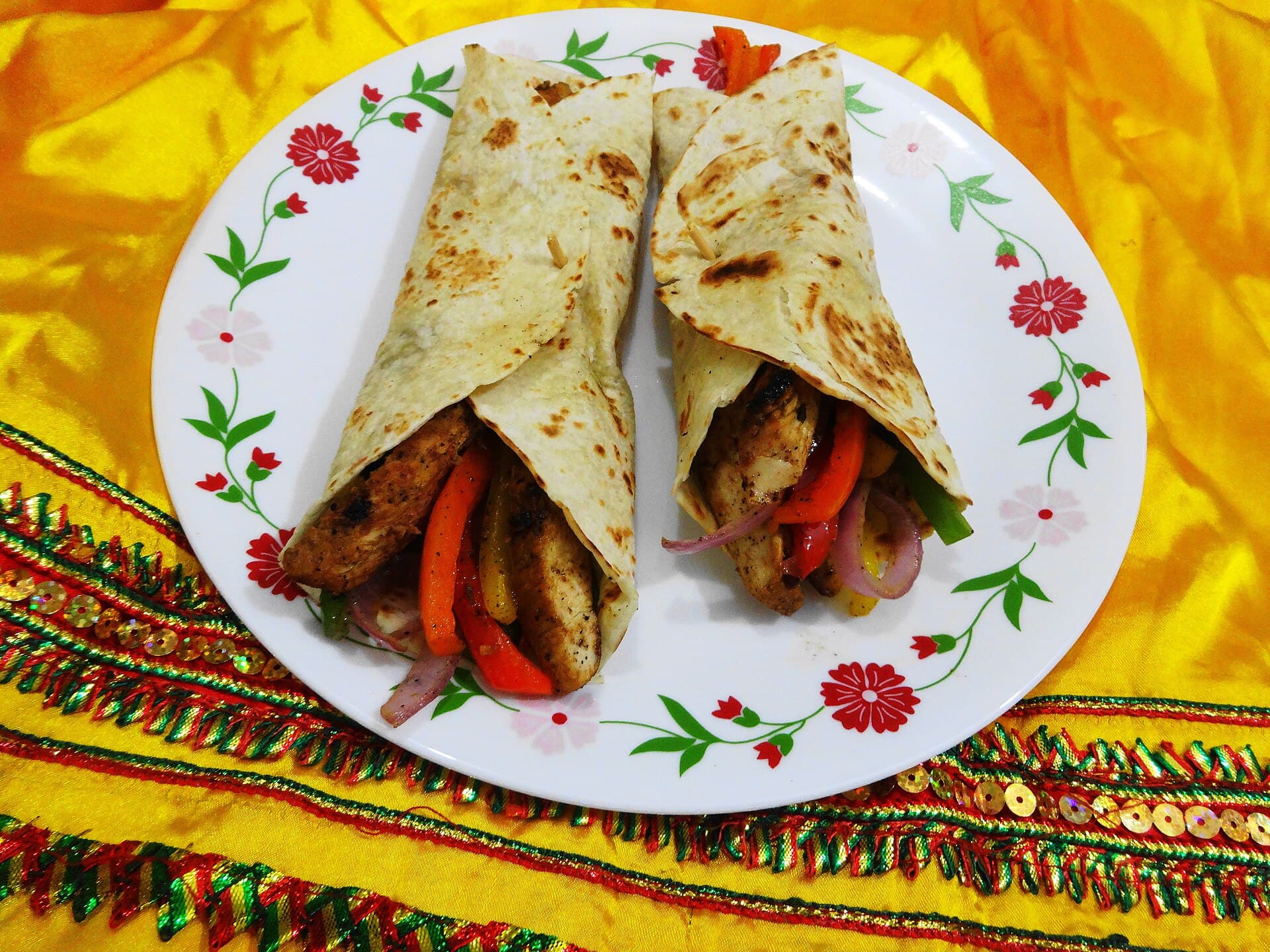
How to Reheat Fajitas
Reheat fajitas fast in a hot skillet with a splash of water or oil, tossing just until warmed through, so the already-cooked meat does not overcook and toughen. The microwave works in short bursts with a damp cover. Heat leftovers to 165 degrees Fahrenheit, and store cooked fajita meat and vegetables in the fridge for three to four days.
Leftover Fajita Bowls: Turn Last Night’s Fajitas into a Burrito Bowl
A fajita bowl is the fastest, freshest way to eat leftover fajitas: warm rice on the bottom, reheated fajita meat and peppers on top, then beans and cold toppings piled on like a burrito bowl. It reheats better than a wrapped fajita, stretches a little meat across a full meal, and is the ideal grab-and-go lunch for meal prep.
Fajita Nachos: Turn Leftover Fajitas into a Loaded Sheet Pan
Leftover fajitas make outstanding nachos. Layer sturdy tortilla chips with chopped fajita meat and peppers and plenty of shredded melting cheese on a sheet pan, then bake at 400°F until the cheese melts and the edges crisp. The secret to nachos that are not soggy or bare is two thin layers instead of one deep pile, cheese on both, and cold, wet toppings added only after they come out of the oven.